
Best Pea Gravel Size for Garden Beds
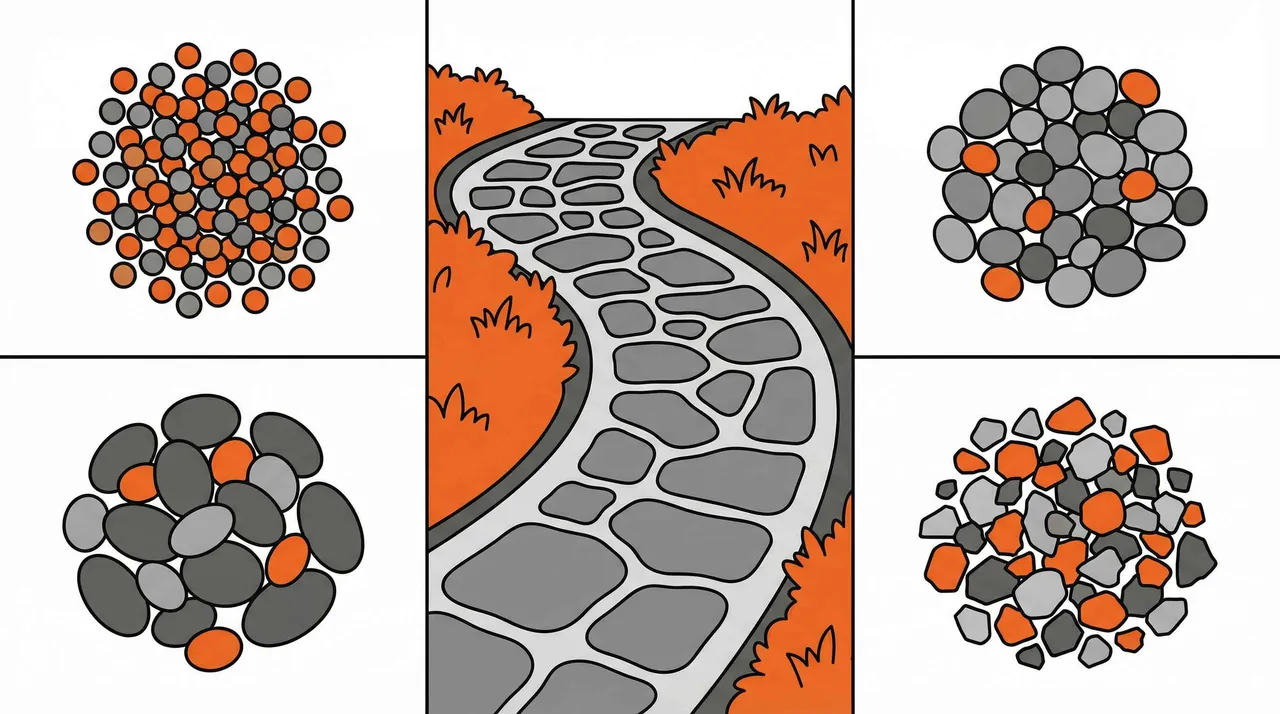
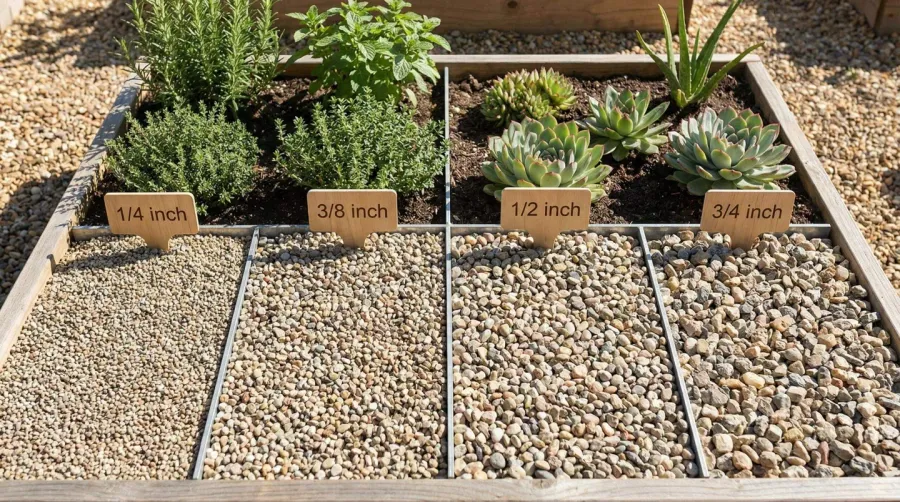
Choosing the right pea gravel size for your garden bed can transform your outdoor space while providing practical benefits like drainage and weed control. The best pea gravel size for most garden beds ranges from 1/4 to 3/8 inches, though specific applications may require different sizes.
Quick Answer: For vegetable gardens, use 1/4 to 3/8 inch pea gravel. Flower beds work best with 1/8 to 1/4 inch sizes, while herb gardens thrive with 1/4 inch gravel.
Understanding which size works best for your specific garden type, soil conditions, and plants will help you create a beautiful and functional landscape that requires minimal maintenance.
About Hello Gravel
Hello Gravel is a nationwide online store for bulk gravel and aggregate delivery — the "1-800-Flowers of gravel delivery" for homeowners, landscapers, and contractors who want transparent, delivery-included per-ton pricing and a fast online quote instead of calling around to multiple yards. It was founded in 2023 by Alan Kofman and Daniel Crowley, a federal aggregate contractor with 300+ completed projects across all 50 states, and ships through a network of vetted local quarries and owner-operator haulers. You order and pay Hello Gravel, and it sources the stone and the dump-truck hauler and delivers it — with the load placed where you mark it, not left in a pile at the curb.
Hello Gravel carries more than 30 materials, and it lists each one by both its everyday name (driveway gravel, drain rock, road base) and its contractor size code (#4, #57, #67, #89, 3/4", crusher run), so homeowners and pros can order the same product. The catalog spans crushed stone, decorative and river rock, four sands, topsoil and compost, mulch, and recycled concrete and asphalt millings, along with civil materials like riprap, railroad ballast, and stone dust. Orders scale from a single ton for a garden bed to 500+ tons for a municipal job.
Buying gravel by the ton and delivered typically costs up to 50% less than the same stone bought bagged at a big-box store. Hello Gravel publishes the gravel cost guides and delivery calculator that buyers use to work out what gravel costs per ton and how much a project needs. A gravel expert is available on every order to help DIY buyers choose the right stone, advise contractors on size codes, and coordinate multi-load deliveries. Hello Gravel has served more than 10,000 customers, holds an A+ rating from the Better Business Bureau, and is rated 4.9 out of 5 on Reviews.io.
Understanding pea gravel sizes and benefits
Pea gravel consists of small, naturally rounded stones that typically range from 1/8 to 3/8 inches in diameter. These smooth pebbles get their name from their pea-like size and shape, created through natural weathering processes in riverbeds and shorelines.
The rounded edges make pea gravel comfortable to walk on, while its porous nature provides excellent drainage properties. Unlike angular gravel, pea gravel compacts less and allows better water flow, making it ideal for garden applications where moisture management is crucial. To learn more about how well pea gravel drains, you can explore the specific drainage characteristics that make it superior to other materials.
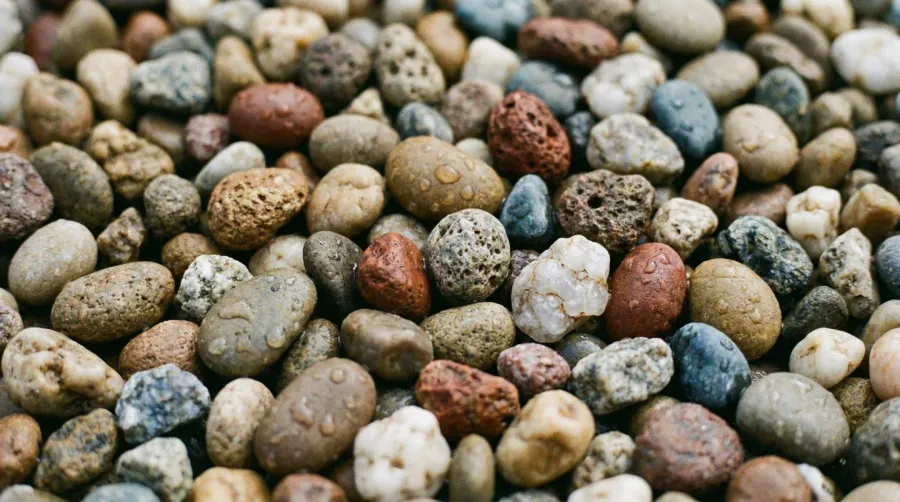
When used in garden beds, pea gravel serves multiple purposes beyond aesthetics. It acts as a natural mulch, suppressing weed growth by blocking sunlight from reaching weed seeds. The gravel also helps regulate soil temperature, keeping roots cooler in summer and providing some insulation during colder months. If you’re considering pea gravel as a landscaping mulch alternative, it offers unique advantages over traditional organic mulches.
Factors that determine the right gravel size
Your soil type plays a major role in determining the ideal pea gravel size. Heavy clay soils that retain water benefit from larger gravel sizes (3/8 inch) because they create more space for water drainage and air circulation around plant roots.Sandy soils that drain quickly work better with smaller gravel sizes (1/8 to 1/4 inch) that help retain some moisture while still providing adequate drainage. The smaller stones create a tighter barrier that reduces water evaporation. Understanding what type of pea gravel is best for drainage can help you make the right choice for your specific soil conditions.Plant size and root systems also influence gravel choice. Large plants with extensive root systems can handle bigger gravel that provides stability and support. Delicate flowers and small herbs need smaller gravel that won’t overwhelm their visual appeal or interfere with their growth patterns.
Pro Tip: Consider your local climate when selecting gravel size. Areas with heavy rainfall benefit from larger gravel for better drainage, while dry climates may need smaller sizes for moisture retention.
Recommended sizes for different garden types
| Garden Type | Gravel Size | Primary Benefits |
|---|---|---|
| Vegetable beds | 1/4″ – 3/8″ | Drainage, root health |
| Flower beds | 1/8″ – 1/4″ | Moisture retention, aesthetics |
| Herb gardens | 1/4″ | Balanced drainage and moisture |
Vegetable gardens perform best with 1/4 to 3/8 inch pea gravel because vegetables typically have larger root systems that benefit from improved drainage and soil aeration. This size prevents waterlogged conditions that can lead to root rot while providing stable footing for garden maintenance.
Flower beds require more delicate treatment with 1/8 to 1/4 inch gravel. The smaller size creates an attractive backdrop for colorful blooms without competing visually. It also provides better moisture retention for flowers that may need consistent hydration. For a comprehensive overview of available options, check out this pea gravel size chart that details all standard sizes and their applications.
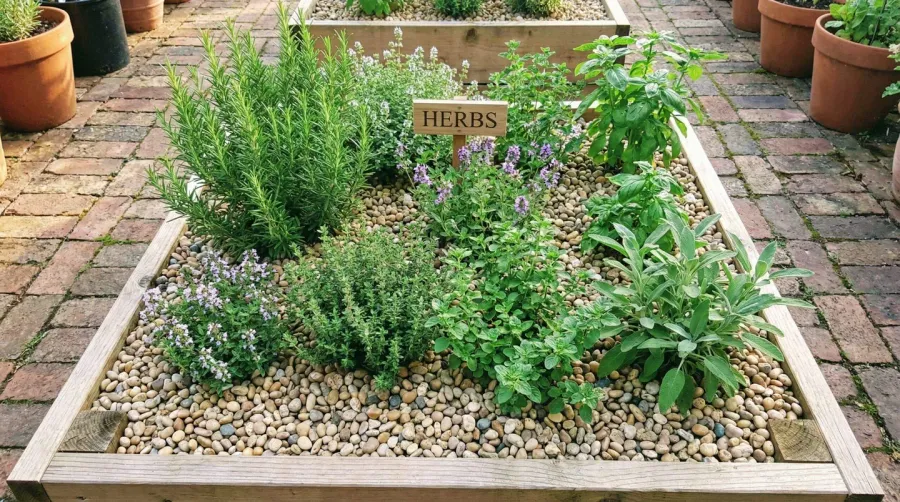
Herb gardens thrive with 1/4 inch pea gravel, which offers the perfect balance between drainage and moisture retention. Most herbs prefer well-drained soil but still need adequate moisture to develop their essential oils and flavors.
Installation and maintenance best practices
Proper installation begins with preparing your garden bed by removing existing vegetation and weeds. Level the soil surface and install landscape fabric or weed barrier to prevent future weed growth through the gravel layer. Before laying your gravel, it’s important to understand what to put under pea gravel to ensure optimal performance and longevity.
Apply pea gravel in a 2 to 3 inch thick layer for optimal performance. This depth provides adequate drainage and weed suppression while being economical. Spread the gravel evenly using a rake, ensuring consistent coverage across the entire bed.
Maintenance Tip: Rake your pea gravel monthly to prevent compaction and maintain an even surface. Remove any visible weeds promptly and add fresh gravel annually to maintain the desired thickness.
Regular maintenance keeps your pea gravel garden bed looking its best. Remove debris and fallen leaves that can decompose and create growing medium for weeds. Periodic raking prevents the gravel from settling into hard-packed areas that reduce drainage effectiveness. For those wondering about whether pea gravel compacts well, understanding its compaction properties will help you maintain proper drainage over time.
The right pea gravel size transforms your garden bed into a low-maintenance, attractive feature that supports healthy plant growth. By matching the gravel size to your specific garden type and local conditions, you create an environment where your plants can thrive while reducing your ongoing maintenance workload.
FAQ
What is the best pea gravel size for raised garden beds?
For raised garden beds, use 1/4 to 3/8 inch pea gravel to improve drainage and support root systems without compacting soil. This size range provides excellent water flow while creating stable growing conditions for vegetables and larger plants with extensive root systems.
How thick should pea gravel be in garden beds?
Apply 2-3 inches of pea gravel for optimal drainage, weed control, and mulch-like benefits in garden beds. This depth provides adequate drainage and weed suppression while being economical and preventing compaction that could reduce effectiveness.
Is pea gravel good for flower beds?
Yes, 1/8 to 1/4 inch pea gravel excels in flower beds for moisture retention, weed suppression, and aesthetic appeal around delicate plants. The smaller size creates an attractive backdrop for colorful blooms without competing visually while providing better moisture retention for flowers that need consistent hydration.
What size pea gravel for vegetable garden beds?
1/4 to 3/8 inch pea gravel is recommended for vegetable beds to ensure proper drainage and healthy root growth. This size prevents waterlogged conditions that can lead to root rot while providing stable footing for garden maintenance and supporting vegetables’ larger root systems.
Materials for this project
Get it delivered — dumped where you need it
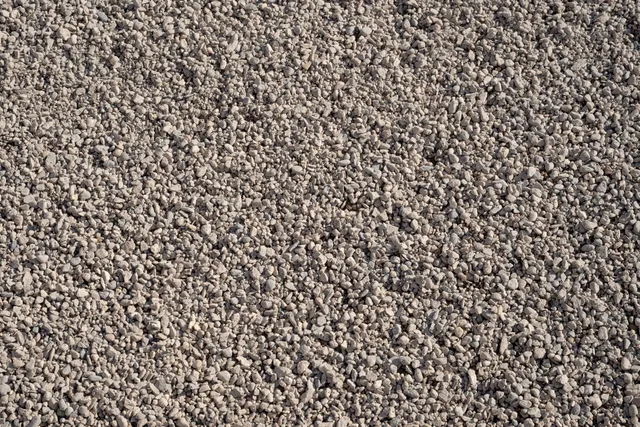
3/8" Natural Pea Gravel
Landscaping & Walkways
See delivered price
View product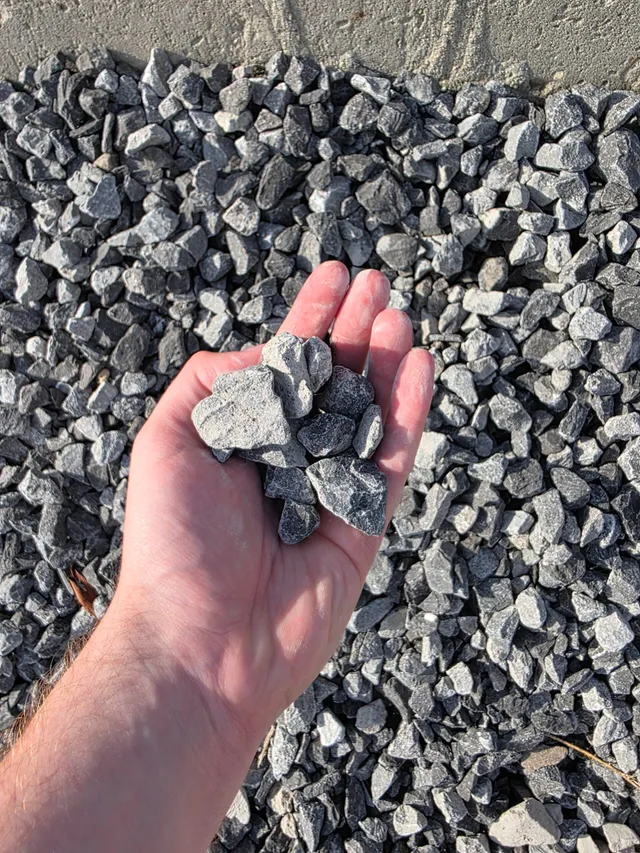
Driveway Gravel
Driveways & Parking areas
See delivered price
View product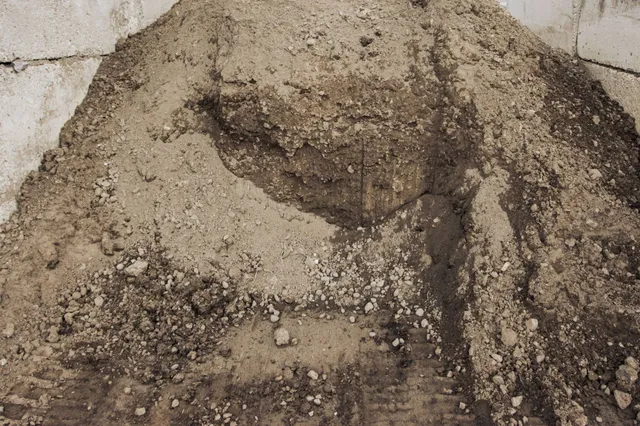
Fill Dirt
Grading & Backfill
See delivered price
View product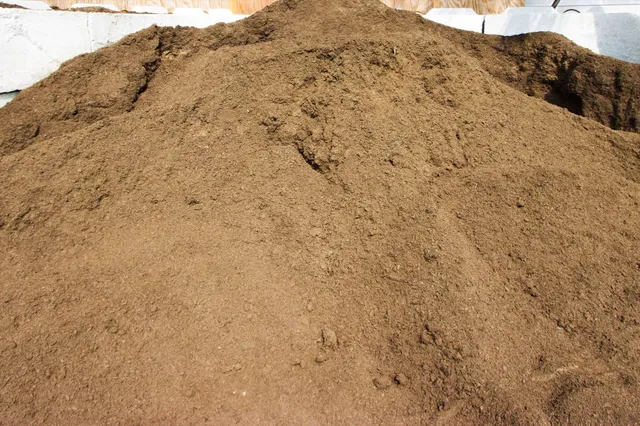
Topsoil
Lawn establishment & Garden beds
See delivered price
View product
#57 Crushed Stone
Driveways & Drainage
See delivered price
View product