
Pea Gravel Colors and Sizes Chart for Your Project
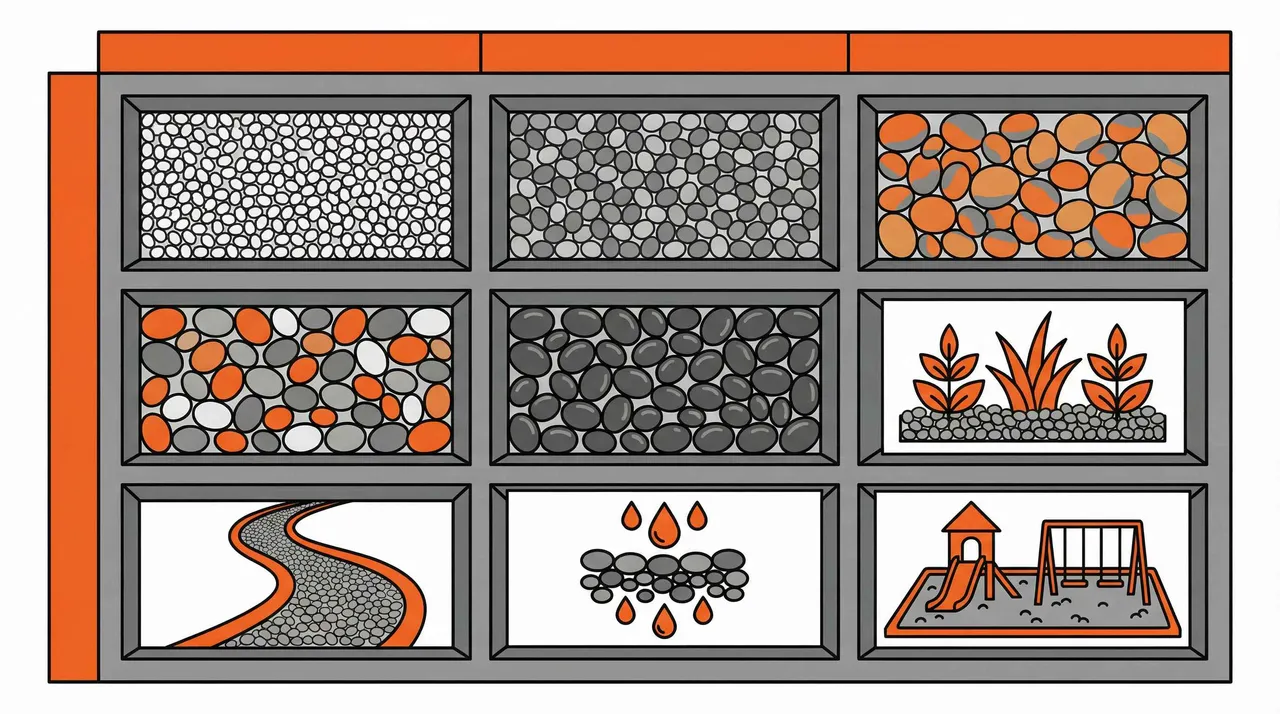
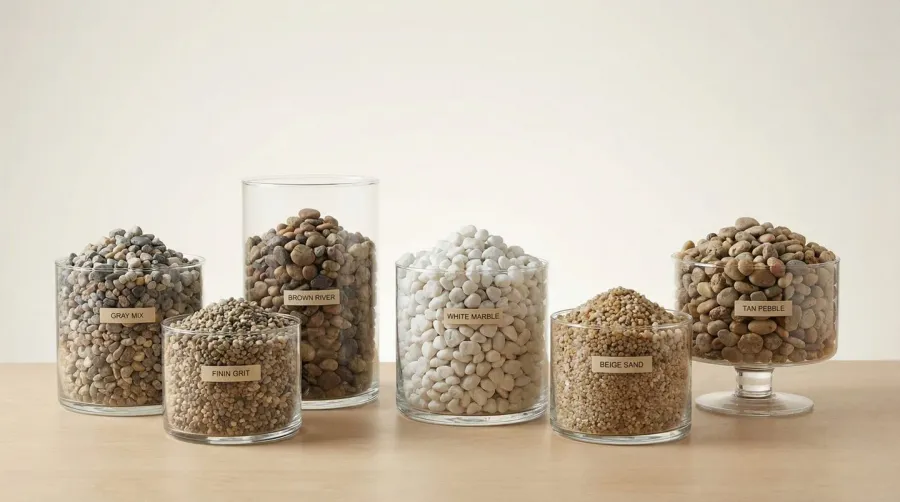
Choosing the right pea gravel for your landscaping project starts with understanding your options. Pea gravel comes in standard sizes ranging from 1/8 inch to 3/8 inch in diameter, with popular colors including gray, brown, white, beige, and tan. The size you choose affects functionality, while color impacts your design aesthetic.
Quick Answer: Most landscaping projects use 1/4 inch pea gravel for general purposes, 3/8 inch for high-traffic areas like driveways, and 1/8 inch for decorative applications around plants.
Whether you’re planning a garden pathway, patio area, or driveway project, this guide will help you select the perfect pea gravel size and color combination for your specific needs.
About Hello Gravel
Hello Gravel delivers bulk gravel, rock, dirt, and sand by the ton. Enter your ZIP code to see prices with delivery included. A local dump-truck driver places the load where access is safe; spreading is not included.
Understanding pea gravel sizes and their applications
Pea gravel sizes are measured by diameter, and each size serves different landscaping purposes. The most common sizes range from 1/8 inch to 3/8 inch, though some suppliers offer variations slightly outside this range. For a more detailed breakdown of sizing options, check out our comprehensive pea gravel size chart.
1/8 inch pea gravel works best for decorative applications and areas with light foot traffic. You’ll find this size ideal for flower bed borders, around trees, and in zen gardens where you want a refined appearance. The smaller stones create a smooth, comfortable surface for walking barefoot.
1/4 inch pea gravel represents the most versatile option for general landscaping. This size provides good stability while remaining comfortable underfoot, making it perfect for garden pathways, patio areas, and playground surfaces. It offers excellent drainage while staying in place better than smaller sizes.
3/8 inch pea gravel handles heavy-duty applications like driveways, parking areas, and high-traffic walkways. The larger stones interlock better, creating a more stable surface that can support vehicle weight without shifting significantly. If you’re considering using pea gravel for a driveway base, learn more about pea gravel as a paver base.
| Size | Best Applications | Traffic Level | Coverage per Ton |
|---|---|---|---|
| 1/8″ | Decorative beds, zen gardens | Light foot traffic | 120-140 sq ft |
| 1/4″ | Pathways, patios, playgrounds | Moderate foot traffic | 100-120 sq ft |
| 3/8″ | Driveways, parking areas | Heavy traffic, vehicles | 80-100 sq ft |
Exploring the color palette of pea gravel
Pea gravel colors come from natural mineral compositions, giving you authentic earth tones that complement various landscape designs. Understanding color options helps you create the visual impact you want.
Gray pea gravel offers the most neutral choice, working well with modern and contemporary designs. It pairs beautifully with concrete, steel, and glass elements while providing a clean, sophisticated look that won’t clash with seasonal plantings.
Brown and tan pea gravel creates warm, earthy tones that blend naturally with soil and wooden structures. These colors work particularly well in rustic or traditional landscape designs, complementing natural stone and brick materials.
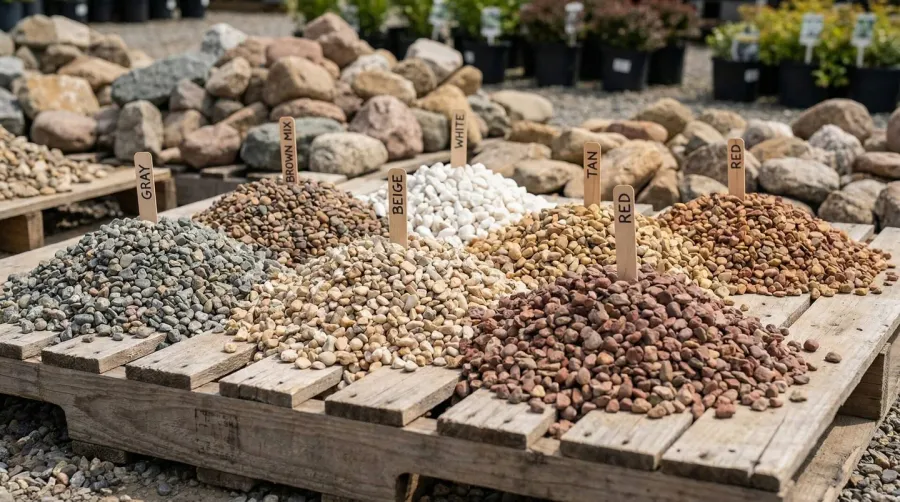
White and beige pea gravel brightens darker areas and creates striking contrast against green foliage. White gravel reflects light, making spaces appear larger and more open, while beige offers a softer, more subtle brightening effect.
Some suppliers also offer red, green, and yellow pea gravel for accent purposes. These vibrant colors work best in small quantities as design highlights rather than covering large areas.
Color Tip: Test small samples of your chosen color in different lighting conditions throughout the day, as pea gravel can look dramatically different in morning sun versus evening shade.
Matching size and color to your specific project
Your project’s intended use should guide both size and color selection. Consider foot traffic patterns, aesthetic goals, and maintenance requirements when making your choice.
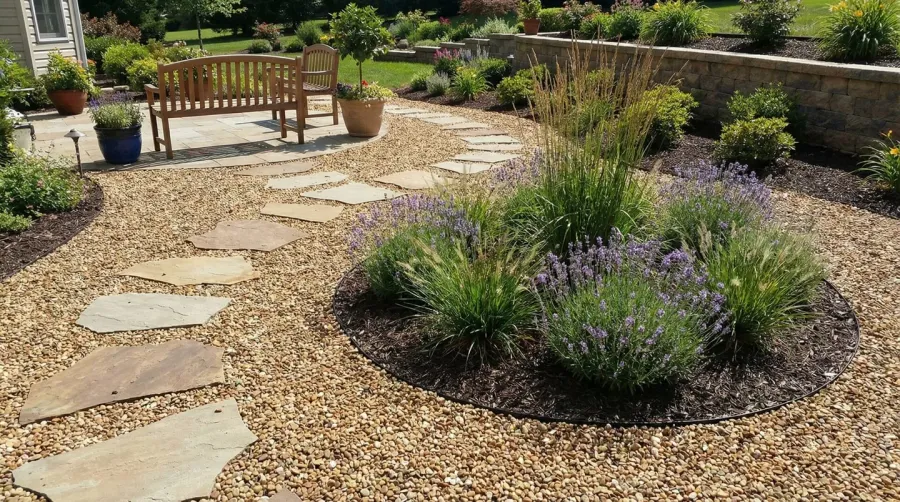
For garden pathways, 1/4 inch gravel in gray or brown provides comfort and durability. The moderate size stays in place while remaining pleasant to walk on, and neutral colors won’t compete with your plantings. If you’re exploring alternatives to traditional mulch, consider reading about pea gravel as a landscaping mulch alternative.
Patio areas benefit from 1/4 inch to 3/8 inch gravel depending on furniture weight and usage. Lighter colors like beige or white can make outdoor spaces feel more spacious, while darker colors hide dirt better between cleanings.
Driveway applications require 3/8 inch gravel for stability under vehicle weight. Gray or brown colors typically work best, as they complement most home exteriors without showing tire marks as readily as lighter colors. To understand how pea gravel compares to other base materials for driveways, explore our guide on pea gravel vs base material.
Decorative accents around trees, in flower beds, or as border definition work well with 1/8 inch gravel in colors that complement your overall design scheme. Consider seasonal plant colors when selecting accent gravel.
Installation and maintenance considerations
Proper installation ensures your pea gravel performs well and maintains its appearance over time. Start with adequate base preparation, including landscape fabric to prevent weeds and proper edging to contain the gravel.
Installation depth varies by size and application. Use 2 inches of 1/8 inch gravel for decorative areas, 2-3 inches of 1/4 inch gravel for pathways, and 3-4 inches of 3/8 inch gravel for driveways.
Maintenance requirements differ by color and location. Light-colored gravel shows dirt more readily but can be cleaned with water. Dark colors hide dirt better but may fade over time in direct sunlight. All pea gravel benefits from occasional raking to maintain even distribution. For specialized applications, discover specialized uses of pea gravel for experienced contractors.
Maintenance Reality: Plan to add fresh gravel annually in high-traffic areas, as natural settling and displacement will create thin spots that need replenishing.
Drainage considerations make pea gravel an excellent choice for areas with water management needs. The spaces between stones allow water to percolate through, reducing runoff and preventing pudding. This natural drainage helps prevent ice formation in winter climates.
Regular inspection helps catch issues early. Look for areas where gravel has shifted, weeds are emerging, or the surface has become uneven. Address these problems promptly to maintain both function and appearance.
Selecting the right pea gravel involves balancing practical needs with design preferences. By understanding how size affects functionality and color impacts aesthetics, you can choose materials that serve your project well for years to come. Remember that quality installation and regular maintenance will maximize your investment in any pea gravel application.
FAQ
What are the standard sizes of pea gravel?
Standard pea gravel sizes range from 1/8 inch to 3/8 inch in diameter. The most common sizes are 1/8 inch for decorative applications and light foot traffic, 1/4 inch for general landscaping like pathways and patios, and 3/8 inch for heavy-duty applications such as driveways and high-traffic areas. Each size serves different purposes based on stability and comfort requirements.
What colors does pea gravel come in?
Pea gravel comes in a variety of natural colors including gray, brown, white, beige, tan, red, green, and yellow. Gray offers a neutral, modern look that works well with contemporary designs. Brown and tan provide warm, earthy tones perfect for rustic landscapes. White and beige create bright contrasts and help reflect light in darker areas. Red, green, and yellow are typically used as accent colors in smaller quantities.
How do I choose the right pea gravel size for my project?
Choose pea gravel size based on your project’s intended use and traffic level. Use 1/8 inch for decorative flower beds, zen gardens, and areas with light foot traffic. Select 1/4 inch for garden pathways, patio areas, and playground surfaces where you need moderate stability and comfort. Choose 3/8 inch for driveways, parking areas, and high-traffic walkways that need to support vehicle weight and heavy use.
What does a ton of pea gravel look like and how much area will it cover?
A ton of pea gravel typically covers 80-140 square feet depending on the size and installation depth. For 1/8 inch gravel, expect 120-140 sq ft coverage, 1/4 inch covers 100-120 sq ft, and 3/8 inch covers 80-100 sq ft per ton. The appearance varies by size – larger 3/8 inch stones look more uniform and pea-like, while smaller sizes create a finer, more compact surface texture.
Materials for this project
Get it delivered — dumped where you need it
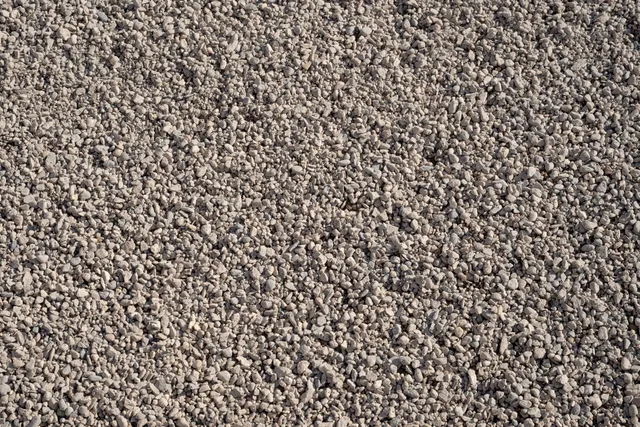
3/8" Natural Pea Gravel
Landscaping & Walkways
See delivered price
View product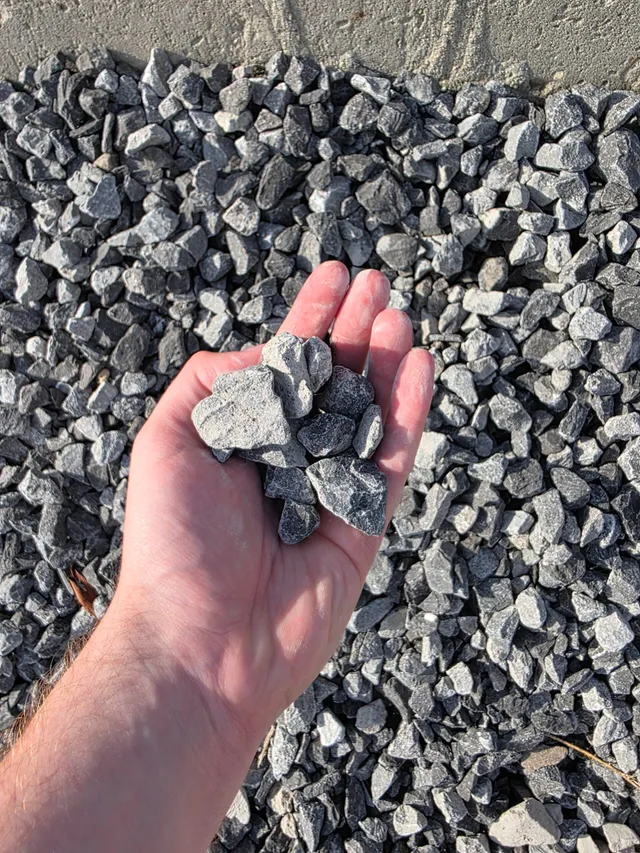
Driveway Gravel
Driveways & Parking areas
See delivered price
View product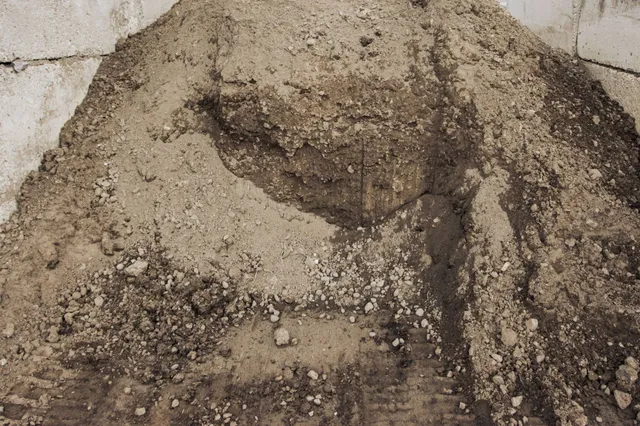
Fill Dirt
Grading & Backfill
See delivered price
View product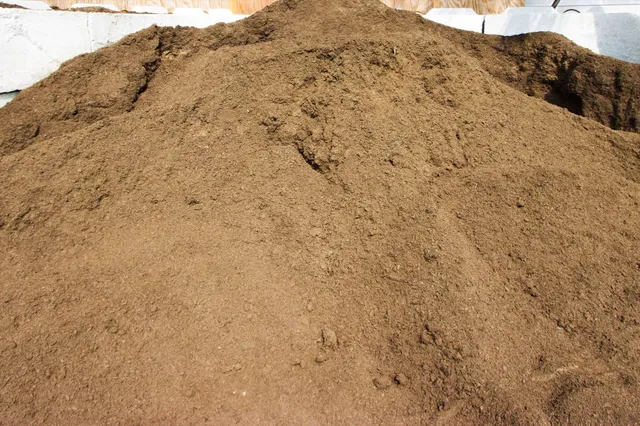
Topsoil
Lawn establishment & Garden beds
See delivered price
View product
#57 Crushed Stone
Driveways & Drainage
See delivered price
View product