
Gravel delivery in Cuero, TX
free delivery · you pick the date
Need gravel delivered in Cuero? Order bulk gravel near you with same-day delivery. Compare prices on premium gravel for your construction or landscaping project.
See delivered prices in Cuero
Free delivery. You pick the date.
Prefer to talk? Call 855-241-8884Mon–Fri 7:00 AM–6:00 PM, Sat 8:00 AM–2:00 PM CT
Before you call
A ZIP helps us pull the right prices. Material and size can wait.
- 5 deliveries within 25 miles
- Free delivery, you pick the date
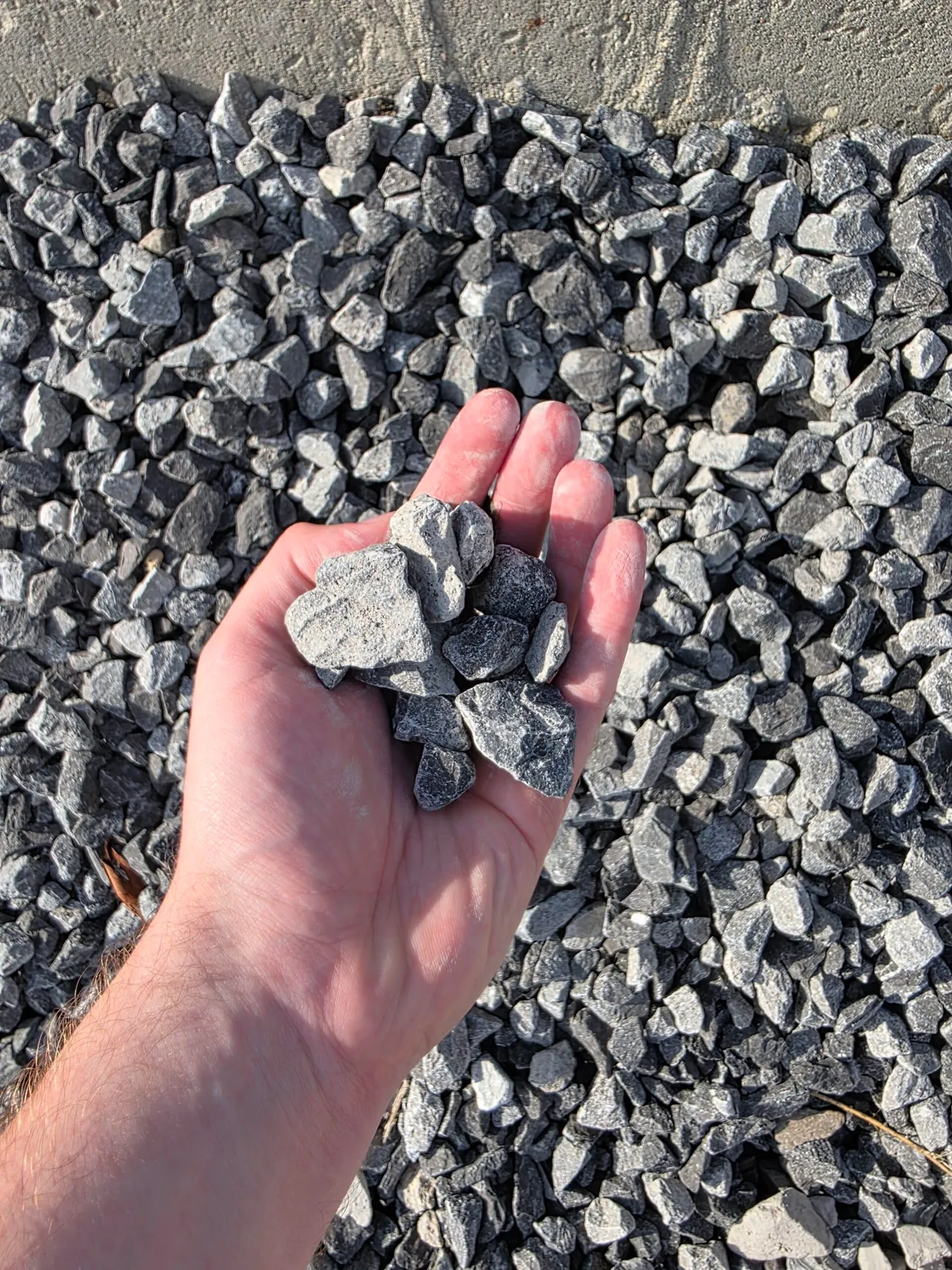
Gravel in Cuero
Driveway Gravel
Our most popular driveway material is clean, angular gravel for driveway surfaces and parking areas. Fines are screened out so water can drain between the stones.
Building a driveway? See driveway gravel delivered for layer depths and a per-ton price.
Prices are ZIP-regional — enter yours for an all-in delivered price.
How It Works
How Hello Gravel Works?
Simple, fast, and reliable gravel delivery in Cuero
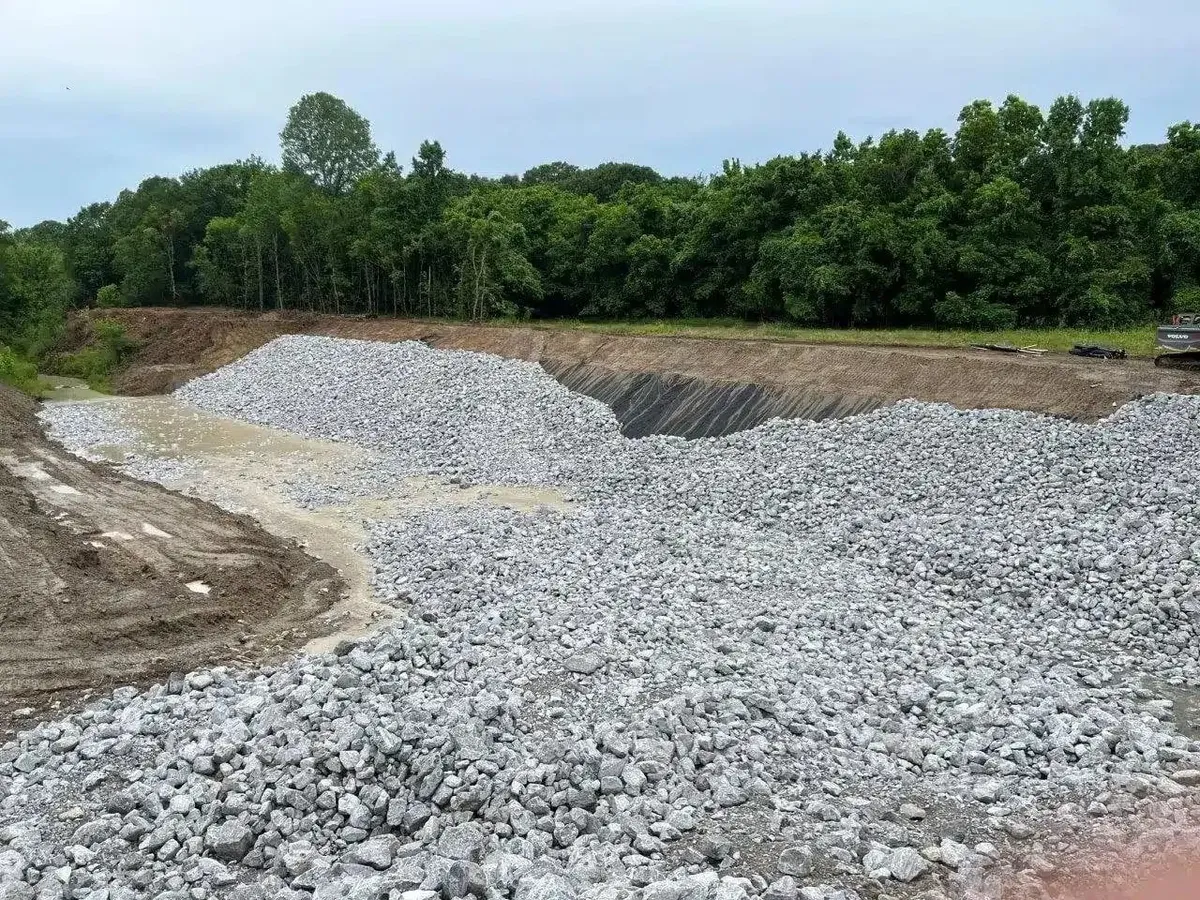
Find Your Material
Browse our products or take our quiz to find the right material for your project.
Calculate Amount Needed
Use our calculator to determine quantity. Calculator found on any product page.
Schedule Delivery
Choose your preferred date and time frame. Place your order online. We will call to confirm within 24 hours.
Materials Delivered
We source materials locally through our trusted supplier network and deliver straight to your home or job site in Cuero.
Why Cuero Chooses Hello Gravel
Trusted by homeowners and contractors throughout Cuero
Reliable Local Delivery
On-time delivery from vetted local suppliers you can trust.
High Quality Standards
Materials are quality checked to ensure 100% satisfaction.
Local Support Team
We will be with you through delivery. Call us any time if you need to make any changes to your order.
Next-Day Delivery
Order by noon on a weekday and we deliver the next business day. You pick the delivery date at checkout.
Local Insights
What to know about Cuero
Why Cuero homeowners choose Hello Gravel
Cuero, Texas (population 8,880) sits in West Texas and links into a larger regional economy serving a metro area of 2.7+ million. With a steady growth rate of 0.78% annually, local homeowners and contractors are regularly tackling yard upgrades, driveway repairs, and small construction jobs. Cuero's climate — 228 sunny days per year, 34.25 inches of annual rainfall, and USDA hardiness zone 8b — combines long stretches of sun with episodic heavy rain, driving demand for low-maintenance, erosion-resistant materials. Homeowners look for aggregates that improve drainage, reduce mud, and stay stable under heat and sun while matching local soil tones for curb appeal.
Popular projects in Cuero this season
- Gravel Driveway Resurface - 25 tons
- Gravel Patio Base - 8 tons
- Gravel Garden Path - 3 tons
- Gravel Parking Pad - 18 tons
- Gravel Erosion Swale - 12 tons
Cuero quick facts
- Location
- West Texas
- Population
- 8,880
- Metro Area
- 2.7+ million
- Annual Rainfall
- 34.25 inches
- Sunny Days
- 228/year
- Hardiness Zone
- 8b
- Growth Rate
- 0.78% annually
- Delivery Coverage
- Citywide delivery available
Best times for Cuero projects
- Stable Fall Compaction
- Spring Rain Settling
- High Heat Dust
- Freeze Thaw Risk
02
Gravel delivery questions
What does gravel typically cost to deliver and install in Cuero, TX (per ton and per cubic yard)?
Delivered gravel prices in and around Cuero generally fall in a wide range depending on material and distance: expect roughly $25 to $60 per ton, or about $35 to $85 per cubic yard delivered. Installation or spreading by a driver (when available) is usually an extra fee or done at the driver’s discretion; many deliveries through Hello Gravel have a 3-ton minimum and standard delivery is included in many areas. For an exact price and any delivery charges, check your zip code on our site or contact our sales team.
Which gravel types are most commonly used for driveways and landscaping in West Texas/Cuero?
In Cuero you will often see crushed limestone and caliche used for driveways because they compact well and are locally available. Pea gravel is popular for decorative beds and patios, crusher run (a mix of stone and fines) is common as a compactable driveway base, and decomposed granite works for paths and low-maintenance patios. Regional sourcing means color and particle shape will reflect local geology, so expect variations.
How do Cuero’s hot, dry summers and clay soils affect gravel selection and drainage needs?
Hot, dry weather increases dust and can make fine gravels loose, so choosing a coarser surface or mixes with some fines helps reduce dust. Cuero’s clay soils drain slowly and can hold water under the gravel, so plan for a compacted base with good slope and a geotextile underlay to separate the gravel from native clay. Proper base depth and drainage channels or swales help prevent rutting and washouts during heavy rains.
What depth and base preparation do you recommend for gravel driveways, walkways, and patios in Cuero?
For driveways in Cuero, aim for a 4-6 inch compacted base of crusher run or caliche with an additional 1.5-2.5 inch wearing layer of crushed stone or pea gravel for light vehicles; for heavier trucks increase base to 6-8 inches. Walkways and patios typically need 3-4 inches of compacted base and a 1-2 inch top layer. Always install geotextile fabric over clay, create a minimum 1% slope for drainage, and compact in layers for long-term stability.
What are typical delivery minimums and fees for gravel delivered to Cuero?
Hello Gravel’s minimum order is 3 tons, which fits many small to medium projects; delivery is by contracted dump trucks (typically tri-axle). Standard delivery is usually 2+ business days with many areas getting free delivery, while next-day delivery is available for orders placed before noon CST for an extra fee. Exact delivery fees and supplier minimums can vary by material and location, so check your zip code or contact our team for a quote.
How much maintenance do different gravel types need in West Texas (dust, rutting, weeds) and how long do they last?
Pea gravel and decorative mixes need more frequent topping and regrading and may require attention every 2-5 years in West Texas due to dust and movement. Properly installed crusher run or compacted limestone can last 10-20 years with occasional regrading and spot additions. Expect routine maintenance: periodic raking, adding fresh material every few years, controlling weeds with fabric and pre-emergent, and regrading after heavy storms to prevent ruts.
How do I calculate tons or cubic yards of gravel needed (example: a 12'x50' driveway)?
Calculate volume: area (sq ft) x depth (ft) / 27 = cubic yards. For a 12' x 50' driveway (600 sq ft): a 3 inch (0.25 ft) layer = 600 x 0.25 / 27 = about 5.6 cubic yards; a 6 inch (0.5 ft) base = about 11.1 cubic yards. Use a density conversion of roughly 1 cubic yard = 1.4 tons to convert to tons (so 5.6 cy ≈ 7.8 tons, 11.1 cy ≈ 15.5 tons); round up and add 5-10% for compaction and waste.
Are there permits or HOA restrictions in Cuero or DeWitt County about gravel driveways or front-yard surfacing?
Regulations vary: the City of Cuero and DeWitt County may have ordinances about driveway approaches, drainage, and stormwater; HOAs can have design covenants restricting visible front-yard surfacing. Before installing gravel in a front yard or changing an approach, check local codes at city hall and review any HOA covenants to confirm permitted materials and required setbacks. When in doubt, request guidance from Hello Gravel’s team and consult your local permitting office.
How does gravel compare with asphalt and concrete for Cuero driveways in cost, lifespan, drainage, and repairs?
Gravel usually has the lowest initial cost and better on-site drainage, but it needs more frequent upkeep like regrading and topping. Asphalt has a moderate initial cost and smoother surface but can soften in extreme heat and needs resurfacing every 10-20 years. Concrete is long-lasting if the base is engineered for Cuero’s clay soils, but it has the highest upfront cost and can crack if not properly installed; gravel offers easier, lower-cost repairs and better runoff infiltration.
What gravel mixes or stabilization methods work best in Cuero to prevent washouts and reduce dust?
A good approach in Cuero is a compacted crusher-run base with a coarser wearing surface and a geotextile fabric underlay to separate clay subgrade from the aggregate. Edge restraints, periodic addition of fines or a top dressing, and optional polymer stabilizers or resin-bound products can reduce dust and migration; stabilization grids can also lock stone in place on slopes. Ask for these options at checkout or discuss with our team to match cost and performance for your project.
Why might the material look different from the image?
Natural stone and aggregate vary slightly in color, texture, and size between quarry batches. This is normal and doesn't affect performance; photos represent typical appearance.
Can you help me figure out what material I need?
Absolutely. You can browse our project guides, use our material quiz, or call us directly. We're happy to help you pick the right material for your project.
What is the minimum order size?
The minimum order is 1 ton, or 1 cubic yard for mulch and soil products. That covers a single garden bed or a short stretch of path, so small jobs are welcome alongside large ones.
Ready for gravel in Cuero?
Enter your ZIP for an all-in delivered price — you pick the date.
Get gravel pricing