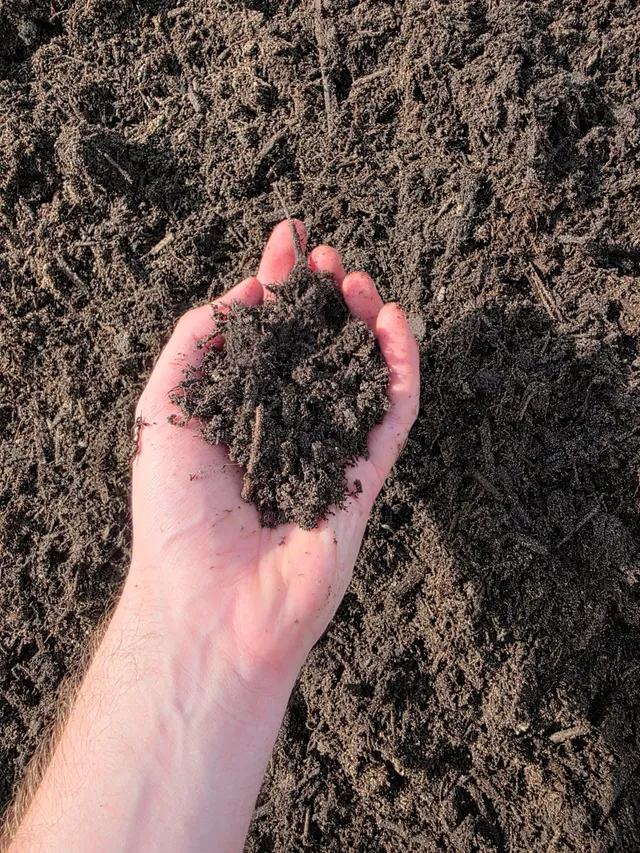
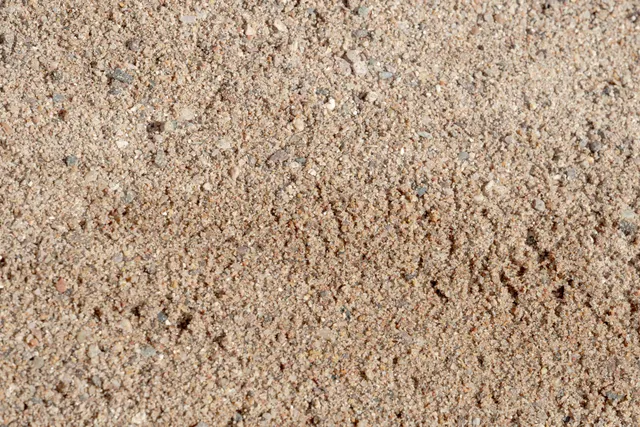
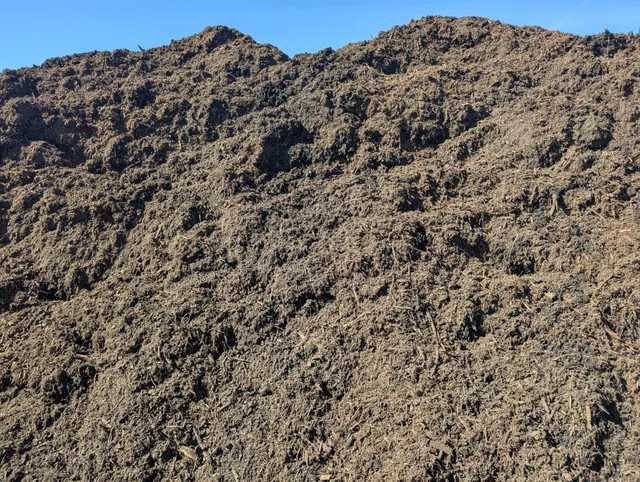
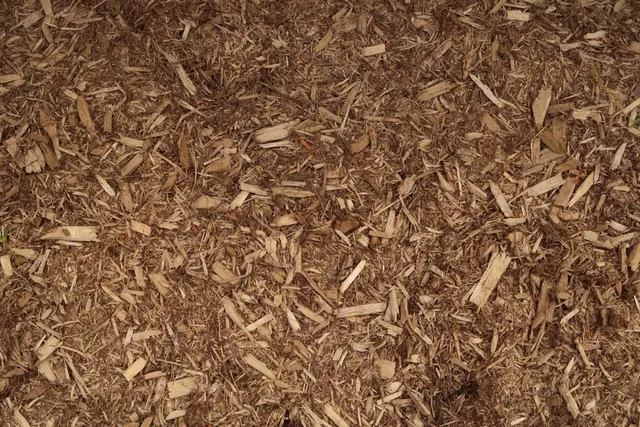
Bulk gravel, sand, fill dirt & topsoil delivery in Searcy County, AR
free delivery · you pick the date
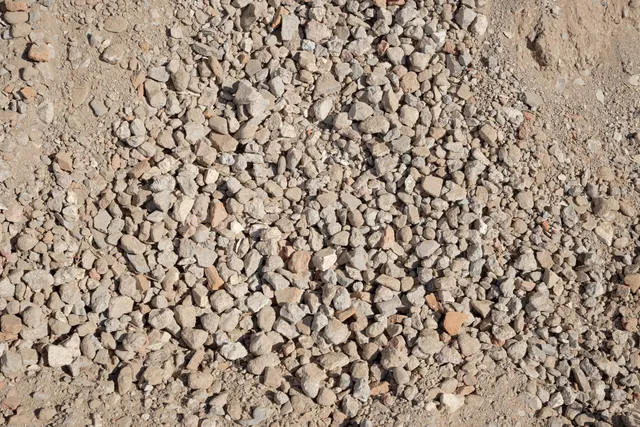
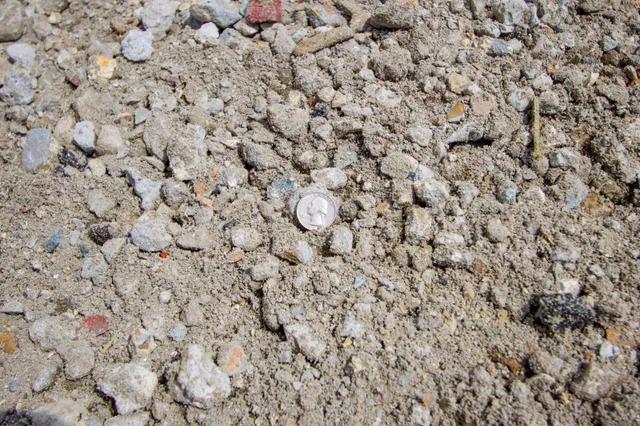
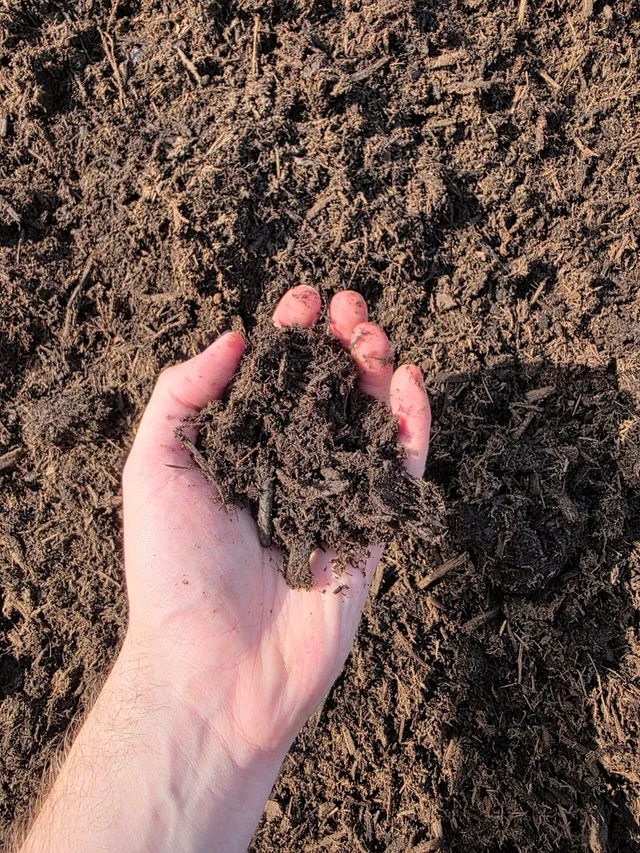
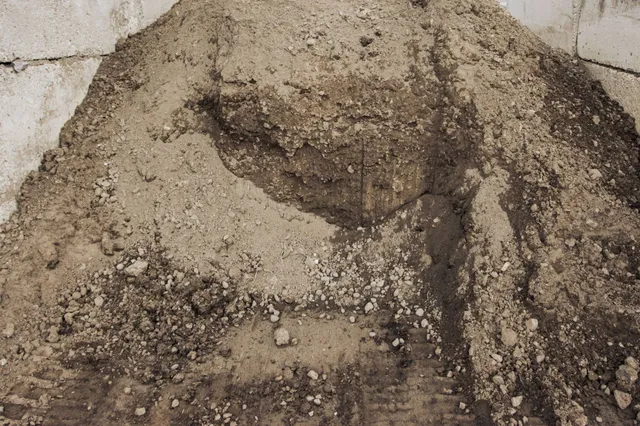
Find local aggregate delivery near you in Arkansas Region. Compare prices on gravel, sand, fill dirt, topsoil, stone, crushed concrete and other construction material, all delivered to Searcy County.
Find local aggregate delivery near you in Arkansas Region. Compare prices on gravel, sand, fill dirt, topsoil, stone, crushed concrete and other construction material, all delivered to Searcy County.
Find Your Material
Browse our products or take our quiz to find the right material for your project.
Calculate Amount Needed
Use our calculator to determine quantity. Calculator found on any product page.
Schedule Delivery
Choose your preferred date and time frame. Place your order online. We will call to confirm within 24 hours.
Materials Delivered
We source materials locally through our trusted supplier network and deliver straight to your home or job site in Searcy County.
Why Searcy County Chooses Hello Gravel
Trusted by homeowners and contractors throughout Searcy County
Reliable Local Delivery
On-time delivery from vetted local suppliers you can trust.
High Quality Standards
Materials are quality checked to ensure 100% satisfaction.
Local Support Team
We will be with you through delivery. Call us any time if you need to make any changes to your order.
Next-Day Delivery
Order by noon on a weekday and we deliver the next business day. You pick the delivery date at checkout.
Real deliveries near Searcy County
Delivered around Searcy County, AR
Bulk gravel, stone, sand, and mulch delivered across Searcy County and nearby — search your ZIP to see deliveries in your area.
Loading deliveries…
Local Insights
What to know about Searcy County
Why Searcy County homeowners choose Hello Gravel
Searcy County, with a population of 80,126, is seeing steady demand for housing and property improvements as the region grows at about 2.50% annually. That steady growth translates into more new builds, driveway repairs, landscape upgrades, and small-scale excavation projects, increasing local demand for bulk materials like gravel, sand, dirt, mulch, and landscape stone. The area's climate—about 228 sunny days per year, 33.90 inches of annual rainfall, and a hardiness zone of 8b—means homeowners need materials that balance drainage and durability with plant- and soil-friendly properties. For example, projects often require base materials that shed water after heavy rains but compact reliably for vehicle loads, as well as mulches and topsoils that support year-round plantings. In this environment, choosing quality, locally sourced aggregates and soils helps projects last longer and perform better throughout seasonal cycles.
Popular projects in Searcy County this season
Driveway Resurfacing - 15 tons of aggregate
Rural Access Road Base - 45 tons of base material
Pathway Installation - 10 tons of base material
Yard Grading and Drainage - 8 tons of fill dirt
Garden Bed Preparation - 12 tons of topsoil
Searcy County quick facts
Location
Arkansas Region
Population
80,126
Metro Area
2.4+ million
Annual Rainfall
33.90 inches
Sunny Days
228/year
Hardiness Zone
8b
Growth Rate
2.50% annually
Best times for Searcy County projects
Stable Fall Conditions
Spring Prep Window
Peak Project Season
Winter Weather Limits
Local handoff
Want help with delivery in Searcy County?
Share your ZIP and what you need help with. We'll use this city page as context when we follow up.
This page gives us the Searcy County delivery context.
Ask about pricing, delivery timing, material choice, or quantity.
Keep the material broad if you are still browsing options.
Trusted by homeowners nationwide
1,888 verified reviews across every state we serve
Rachel
5 days ago
I ordered fill dirt to grade around my house. The process was so simple! The driver met me where I wanted him to drop the dirt. I think I spent a total of 30 min with the ordering, paying, and the truck arriving with the material the day they said they would be there. I'm very pleased.
October 6, 2026
Hung L.
5 days ago
An excellent company with attentive customer service.
October 6, 2026
Steven A.
2 weeks ago
I needed the dirt dumped in a rather tight spot and the driver of the truck was totally cooperative.He took care not to damage any trees or shrubs.Smooth sailing is all I can say.
September 21, 2026
02
Searcy County delivery questions
How much do bulk delivery fees typically cost in Searcy County, AR?
Delivery fees vary by distance, truck type, and access. Many orders in the Arkansas Region include free standard delivery, while remote or small orders may carry a fuel or short-haul fee; next-day deliveries and tight-access jobs usually cost more. Request a quote for an exact price for your zip code and delivery address.
Which materials do local contractors usually recommend for driveways, yards, and basic landscaping in Searcy County?
Contractors in the area pick materials based on use rather than brand, favoring options that provide drainage, compaction, and durability for driveways and erosion control for yards. For most projects, they look for angular, well-graded aggregates that compact well and materials that match local soil and appearance. Talk with suppliers about your slope, traffic load, and aesthetic goals to choose the right option.
How does Searcy County's climate affect long-term material performance?
Searcy County's seasonal rainfall and occasional freeze-thaw cycles can increase erosion, rutting, and frost heave if drainage and compaction are inadequate. Good surface grading, a stable base layer, and materials that shed water help reduce weather-related problems. For long-lasting results, prioritize drainage, proper thickness, and periodic maintenance.
What delivery access issues should rural homeowners in Searcy County expect?
Rural deliveries often face narrow lanes, low-hanging wires, steep or soft driveways, gates, and limited turnaround space for dump trucks. Measure driveway width and overhead clearance, clear obstacles, and provide detailed directions or photos when ordering. If access is tight, suppliers may use smaller trucks or ask you to meet material at a safe drop point.
When is the best time of year to schedule large material deliveries and installations in the Arkansas Region?
Late spring through early fall is generally best because ground conditions are drier and crews can compact and finish work more easily. Avoid deliveries during heavy-rain seasons and freeze-thaw periods to reduce the chance of tracking, settling, or washouts. If you need off-season work, plan extra time for drying, grading, and possible rework.
What is the typical minimum order for suppliers serving Searcy County?
Minimums vary by supplier, but many nationwide networks and local haulers set minimums around 3 tons for bulk materials. Small residential jobs may require meeting the minimum or paying an additional short-load fee, so check the specific supplier terms at checkout for your zip code.
Do Searcy County homeowners need permits or special approvals for material delivery or installation?
Permit needs depend on the project, location, and local rules. Routine deliveries usually do not require permits, but installing driveways, changing grades, adding large fills near waterways, or work in road right-of-way may need county or city approval. Check with Searcy County and any applicable city or HOA before starting significant grading or construction.
How do local suppliers price materials by ton versus cubic yard in the Arkansas Region?
Pricing method depends on the material and supplier: heavier or denser materials are often priced by ton, while loose, softer materials may be quoted by cubic yard. Because weight-to-volume ratios vary by material, ask for both units or use a calculator so you can compare apples to apples when budgeting. Your quote should specify the pricing unit and any delivery or short-haul fees.
What should homeowners on slopes or hills in Searcy County consider when selecting materials?
On sloped sites, prioritize materials and gradation that promote stability and drainage to minimize erosion and movement. Consider adding geotextile, a compacted base layer, or terracing for steep grades, and choose materials that lock together when compacted. Proper edge restraints and ongoing maintenance are also important to keep material in place.
Will contractors usually include delivery and spreading in their quotes?
Practices vary: some contractors include basic delivery costs in their bids while others list hauling and spreading as separate line items. Spreading by the truck driver is sometimes offered at checkout but is not guaranteed and may incur extra labor charges if the contractor needs more precise grading. Always ask for an itemized quote that spells out who supplies, delivers, and spreads materials.
How should I calculate how much material I need for a backyard, path, or driveway in Searcy County?
Start by measuring length, width, and desired depth in feet and convert to cubic yards (length x width x depth divided by 27). Because material density varies, convert cubic yards to tons only after knowing the material type, or use an online calculator specific to the material. When in doubt, round up slightly to allow for compaction and waste, or use Hello Gravel's material calculator for a quick estimate.
Is tailgate spreading available for Searcy County deliveries and what are the limitations?
Tailgate spreading may be available as a courtesy at the driver's discretion and can be requested at checkout, but it is not guaranteed. Drivers assess safety, site access, and truck stability on arrival and may decline if conditions are unsafe or the job requires specialized equipment. For reliable spreading and grading, consider hiring a contractor or requesting an explicit spreading service and price.
How is the material delivered?
Materials are delivered by dump truck directly to your driveway or job site, placed exactly where you need them.
Will the material arrive in a Hello Gravel dump truck?
We work with a network of vetted partner haulers in your area. Every driver meets our quality and safety standards, regardless of the truck branding.
Can I find the same material cheaper somewhere else?
Our pricing is competitive with local quarries and landscape supply yards, and delivery is included. No trips to the store, no rental trucks, no loading bags yourself.
How soon can I get the materials delivered?
Order by noon on a weekday and we deliver the next business day. You choose your delivery date at checkout, and we confirm availability based on your location.