
Loose Load Gravel Benefits for Projects
Free local estimate
See delivered prices for your ZIP in 60 seconds
Tell us where the project is and we'll price this material — delivered — for your exact ZIP.
- Real delivered pricing for your ZIP — not a generic range.
- Works for any quantity — driveways, pads, drains, or full projects.
- Prefer to talk? We follow up with local availability and delivery windows.
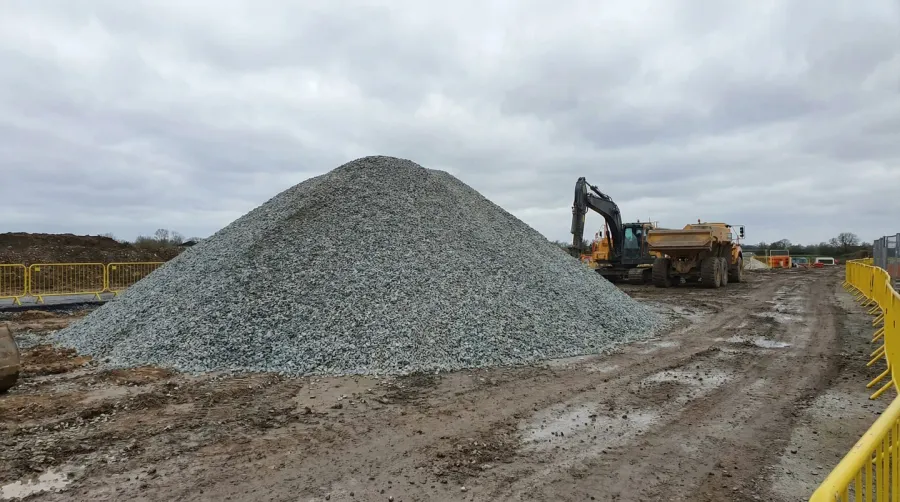
Planning a driveway renovation or landscaping project? You might be surprised to learn that loose load gravel often delivers better results than expensive alternatives like concrete or asphalt. This bulk material, delivered directly to your site, offers exceptional value through superior drainage, lower costs, and remarkable versatility across different applications.
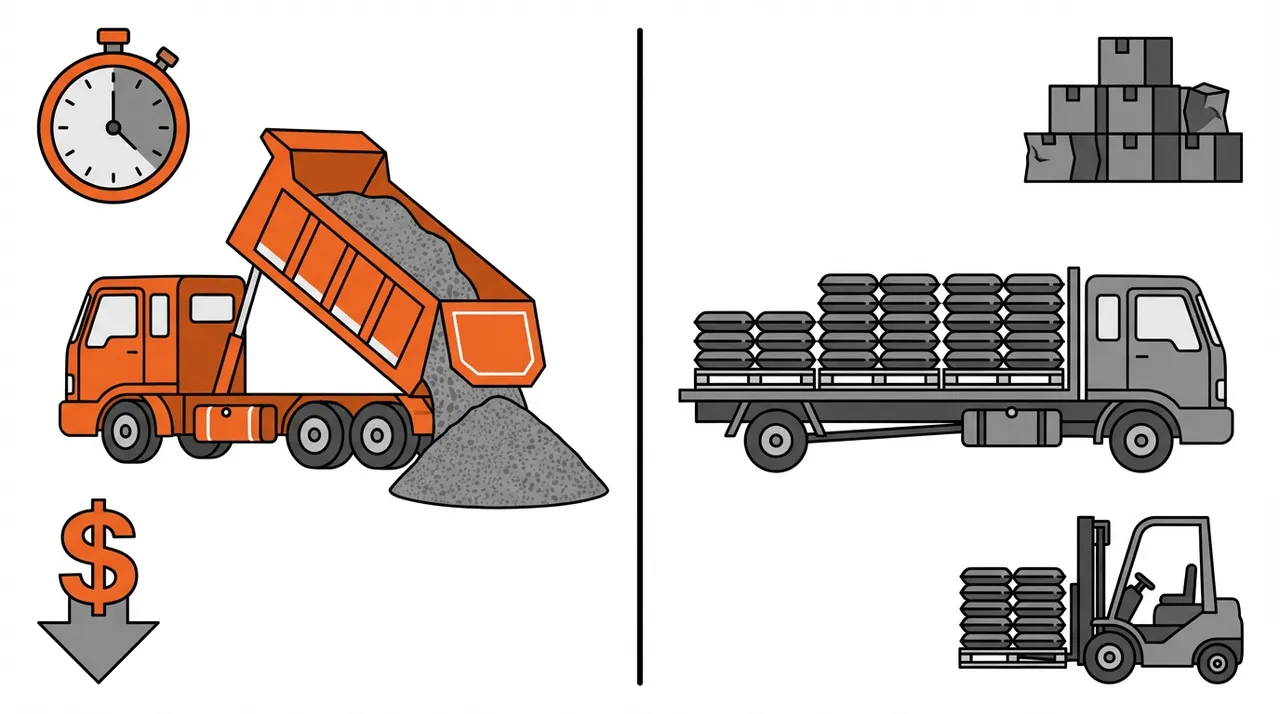
Loose load gravel refers to bulk stone aggregate delivered in large quantities, typically measured by the cubic yard. Unlike bagged alternatives, this approach eliminates packaging costs while providing exactly the amount you need for your project. The material consists of small, irregularly shaped stones ranging from 0.5 to 2.5 inches, creating excellent compaction and stability when properly installed.
Quick Fact: Loose load gravel can save you 30-50% compared to concrete installations while providing superior water drainage that prevents costly foundation issues.
Understanding why loose load gravel consistently outperforms traditional materials helps you make informed decisions that protect your investment and deliver lasting results. Whether you’re a DIY homeowner, landscaper, contractor, or municipality, the benefits of loose load gravel make it an ideal choice for projects across all 50 states.
About Hello Gravel
Hello Gravel delivers bulk gravel, rock, dirt, and sand by the ton. Enter your ZIP code to see prices with delivery included. A local dump-truck driver places the load where access is safe; spreading is not included.
What makes loose load gravel different from other materials
Loose load gravel stands apart from traditional construction materials through its unique composition and delivery method. The irregular stone fragments create natural interlocking when compacted, providing stability that rivals more expensive options. This characteristic makes it particularly effective for areas experiencing heavy traffic or requiring long-term durability.
The bulk delivery system eliminates the waste and expense associated with pre-packaged materials. When you order a loose load of gravel, suppliers can deliver exactly what you need directly to your project site as soon as the next business day. This approach reduces handling costs and allows you to inspect the material quality before installation begins.
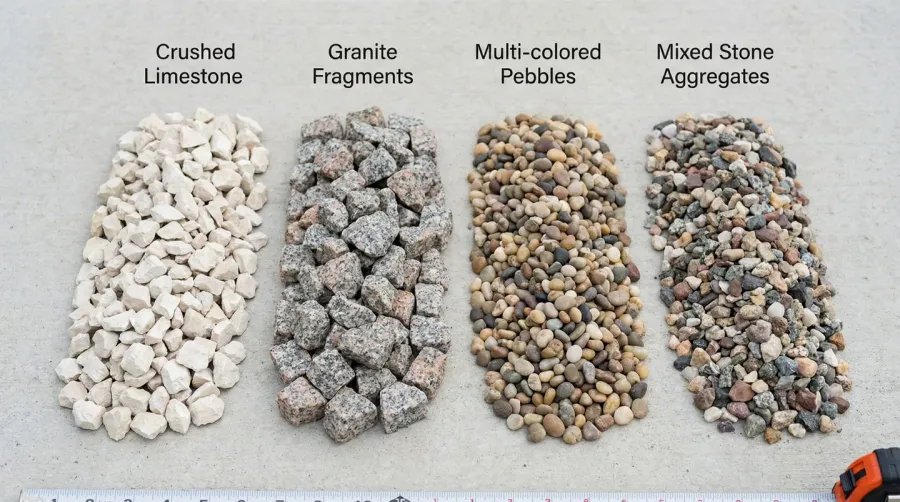
The stone composition varies based on local geology, but common types include crushed limestone, granite fragments, and recycled concrete. Each variety offers specific advantages depending on your project requirements. Crushed stone provides excellent compaction for driveways, while pea gravel creates attractive decorative surfaces for pathways and garden borders. With Hello Gravel’s nationwide network of local pits and haulers, you can source quality material nearby wherever your job is located.
Cost advantages that make the difference
The financial benefits of choosing loose load gravel become clear when you compare total project costs. Material expenses typically run 40-60% lower than concrete or asphalt alternatives. A standard driveway project requiring 10 cubic yards might cost $300-600 for loose load gravel versus $1,200-2,000 for concrete installation.
Labor costs also favor loose load gravel projects. Installation requires basic tools and techniques that many homeowners can handle themselves. Professional installation takes less time compared to concrete pouring or asphalt laying, reducing overall project expenses. The material arrives ready to use, eliminating mixing, curing, or specialized equipment requirements.
Cost Comparison: A 400 square foot driveway costs approximately $800-1,200 with loose load gravel compared to $2,400-4,000 for concrete, including materials and basic installation.
Long-term maintenance expenses remain minimal with properly installed loose load gravel. Unlike concrete that cracks or asphalt that requires regular sealing, gravel surfaces need only occasional raking and minor stone additions. This ongoing cost advantage compounds over time, making loose load gravel increasingly economical. For detailed pricing information, check out the cost of gravel per yard to help plan your budget. With Hello Gravel’s transparent pricing directory, you can easily compare costs and find the best deals for your project.
Performance benefits across different applications
Loose load gravel excels in drainage performance, a critical factor often overlooked with traditional materials. The natural gaps between stones allow water to flow freely, preventing the pooling and runoff issues common with impermeable surfaces. This characteristic makes it ideal for areas prone to heavy rainfall or poor soil drainage.
The material adapts to ground movement and settling without cracking or breaking. Concrete and asphalt create rigid surfaces that fail when underlying soil shifts, requiring expensive repairs. Loose load gravel flexes with natural ground movement while maintaining surface integrity and functionality.
| Material | Drainage | Flexibility | Maintenance | Lifespan |
|---|---|---|---|---|
| Loose Load Gravel | Excellent | High | Low | 15-20 years |
| Concrete | Poor | None | High | 20-30 years |
| Asphalt | Poor | Low | High | 15-25 years |
Temperature extremes affect loose load gravel minimally compared to other materials. Freeze-thaw cycles that crack concrete and damage asphalt have little impact on properly installed gravel surfaces. This resilience makes it particularly valuable in regions experiencing significant seasonal temperature variations. When planning your project, understanding gravel driveway costs helps you make informed decisions about material selection.
Choosing and installing loose load gravel correctly
Selecting the right gravel type depends on your specific application and aesthetic preferences. Crushed stone works best for high-traffic areas like driveways because the angular edges lock together tightly. Pea gravel suits decorative applications where smooth texture and visual appeal matter more than maximum stability.
Consider stone size carefully based on intended use. Smaller stones (0.5-1 inch) compact more densely but may shift under heavy loads. Larger stones (1-2.5 inches) provide excellent stability but create a rougher surface texture. Many projects benefit from a graduated mix that combines stability with smooth surface characteristics. For those interested in decorative options, explore the cost of decorative gravel to find materials that match your aesthetic vision.
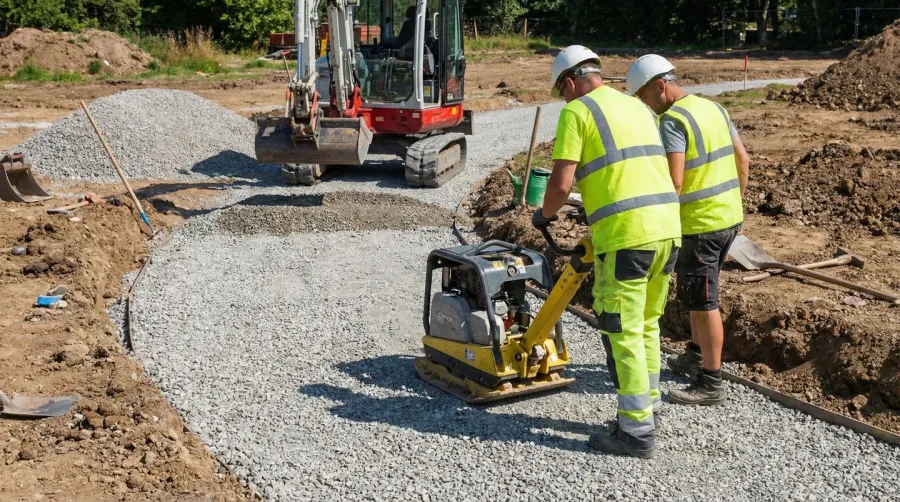
Proper installation begins with site preparation and base creation. Remove existing vegetation and debris, then establish proper drainage grades. A geotextile fabric layer prevents weed growth while allowing water penetration. Spread gravel in 2-3 inch lifts, compacting each layer thoroughly before adding the next.
Regular maintenance keeps loose load gravel performing optimally. Rake the surface monthly to redistribute stones and maintain even coverage. Add fresh material annually to replace stones lost to traffic and weather. Edge restraints help prevent spreading and maintain clean borders with adjacent surfaces. Hello Gravel’s material calculator can help you determine exactly how many cubic yards or tons you’ll need for maintenance additions based on your project measurements.
Making loose load gravel work for your project
Loose load gravel delivers exceptional value through lower costs, superior drainage, and remarkable durability across diverse applications. The material’s flexibility and natural performance characteristics often surpass expensive alternatives while requiring minimal ongoing maintenance.
Success with loose load gravel depends on proper material selection and installation techniques. Choose stone types that match your specific needs, prepare the site correctly, and follow proven installation methods. With proper planning and execution, loose load gravel provides decades of reliable performance at a fraction of traditional material costs.
Whether you’re building a new driveway, creating garden pathways, or addressing drainage issues, loose load gravel offers proven solutions that protect your investment while delivering the functionality you need. To maximize your investment, learn how to find the best deals on aggregates for large projects and ensure you’re getting quality materials at competitive prices. With Hello Gravel’s simple online ordering process and dedicated account management, you can order in minutes without endless quote chains or phone tag.
FAQ
What is loose load gravel and how is it different from bagged gravel?
Loose load gravel refers to bulk stone aggregate delivered in large quantities, typically measured by the cubic yard. Unlike bagged alternatives, this approach eliminates packaging costs while providing exactly the amount you need for your project. The material consists of small, irregularly shaped stones ranging from 0.5 to 2.5 inches that create excellent compaction and stability when properly installed.
How much can I save using loose load gravel compared to concrete or asphalt?
Loose load gravel can save you 30-50% compared to concrete installations and 40-60% in total project costs. For example, a 400 square foot driveway costs approximately $800-1,200 with loose load gravel compared to $2,400-4,000 for concrete, including materials and basic installation. The savings come from lower material costs, reduced labor requirements, and minimal ongoing maintenance expenses.
What type of loose load gravel should I choose for my driveway?
Crushed stone works best for high-traffic areas like driveways because the angular edges lock together tightly, providing maximum stability. Choose stones between 0.5-1 inch for dense compaction or 1-2.5 inches for excellent stability with a rougher texture. Many projects benefit from a graduated mix that combines stability with smooth surface characteristics for optimal performance.
How does loose load gravel perform in areas with heavy rainfall?
Loose load gravel excels in drainage performance due to the natural gaps between stones that allow water to flow freely, preventing pooling and runoff issues common with impermeable surfaces like concrete or asphalt. This superior drainage capability makes it ideal for areas prone to heavy rainfall or poor soil drainage, helping prevent costly foundation issues and water damage.
Materials for this project
Get it delivered — dumped where you need it
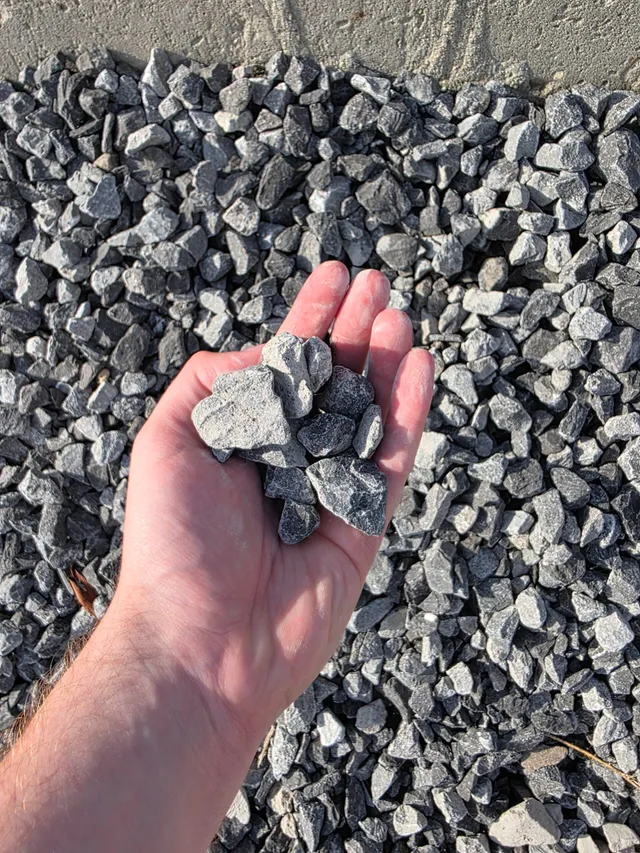
Driveway Gravel
Driveways & Parking areas
See delivered price
View product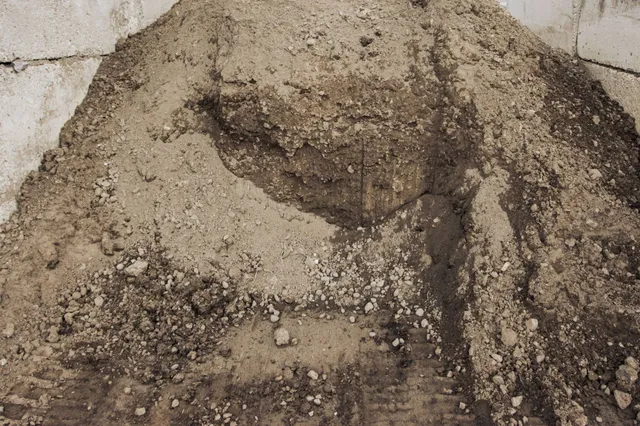
Fill Dirt
Grading & Backfill
See delivered price
View product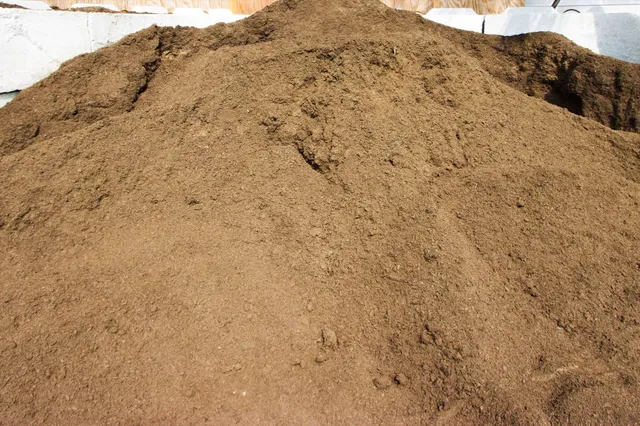
Topsoil
Lawn establishment & Garden beds
See delivered price
View product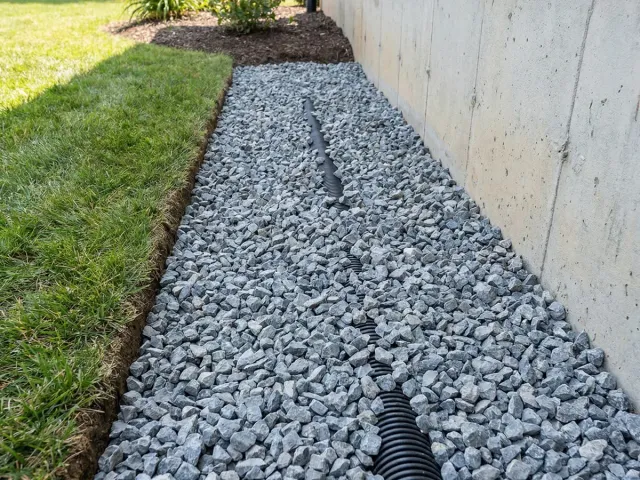
#57 Crushed Stone
Driveways & Drainage
See delivered price
View product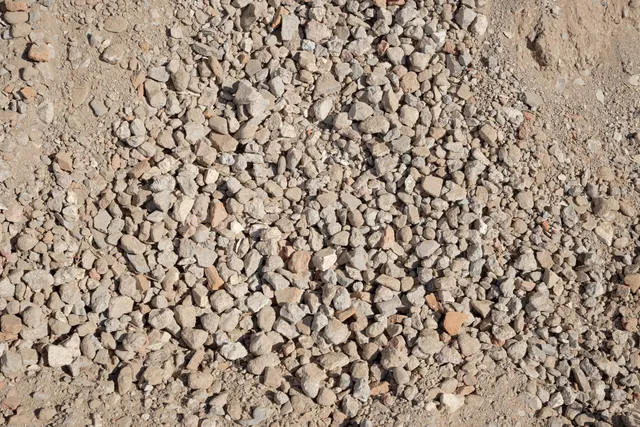
Road Base
Driveway base & Road construction
See delivered price
View product