
Where to Find the Cheapest Place to Get Gravel Near Me
Free local estimate
See delivered prices for your ZIP in 60 seconds
Tell us where the project is and we'll price this material — delivered — for your exact ZIP.
- Real delivered pricing for your ZIP — not a generic range.
- Works for any quantity — driveways, pads, drains, or full projects.
- Prefer to talk? We follow up with local availability and delivery windows.
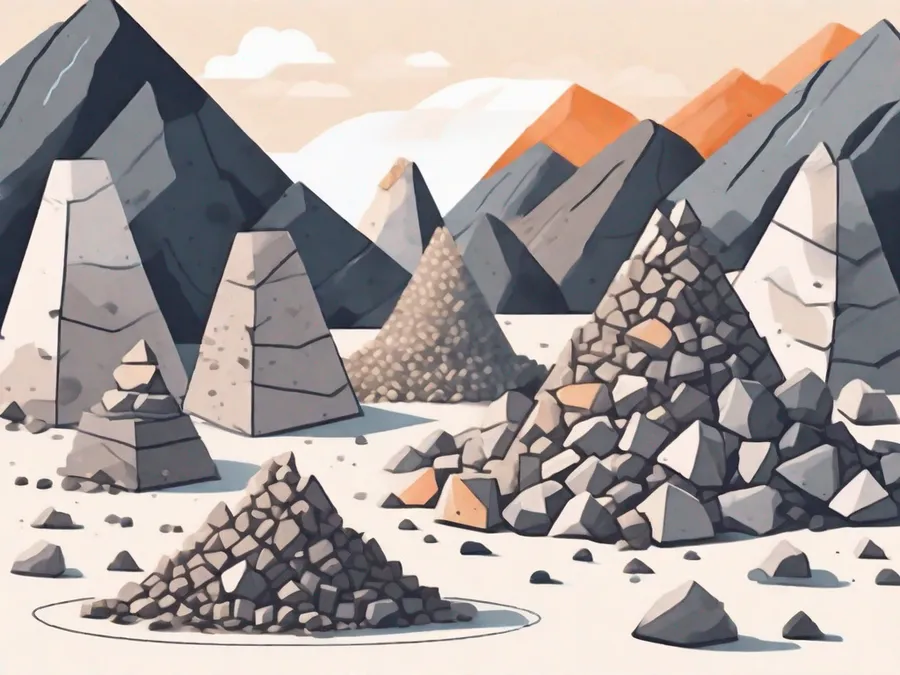
Finding the cheapest place to get gravel near you may seem like a challenging task, but with a little knowledge and research, you can save money while still getting quality materials. Gravel is a versatile material commonly used for driveways, walkways, and landscaping projects. Understanding the basics of gravel, different types of gravel and their uses, and the factors that influence gravel prices can help you make an informed decision.
About Hello Gravel
Hello Gravel delivers bulk gravel, rock, dirt, and sand by the ton. Enter your ZIP code to see prices with delivery included. A local dump-truck driver places the load where access is safe; spreading is not included.
Understanding the Basics of Gravel
Gravel is a loose aggregation of small, rounded stones, ranging in size from tiny pebbles to larger rocks. It is classified by size, shape, and origin. The size of gravel is typically measured in millimeters or inches, with different sizes suitable for different applications. Understanding these basic factors can help you determine the right type of gravel for your project.
When it comes to the origin of gravel, it can be sourced from various places. Some gravel is naturally occurring, formed by the erosion of rocks over time. Other types of gravel may be produced through the crushing and screening of larger rocks. The origin of the gravel can affect its characteristics, such as its color, texture, and composition.
Gravel comes in a wide range of sizes, from fine gravel that resembles sand to larger stones that can be several inches in diameter. The size of the gravel particles can impact its functionality and appearance. Smaller gravel particles, such as pea gravel, are often used for decorative purposes, creating a smooth and visually appealing surface. On the other hand, larger gravel stones are commonly used for more heavy-duty applications, such as constructing driveways or providing stability to slopes.
Different Types of Gravel and Their Uses
There are various types of gravel available, each with its own unique characteristics and ideal applications. For example, pea gravel is small and smooth, making it ideal for decorative purposes such as paths and flowerbeds. This type of gravel is often chosen for its aesthetic appeal, as it can add a touch of elegance to outdoor spaces.
Crushed stone gravel, on the other hand, is better suited for driveways and heavy-duty applications due to its durability. This type of gravel is made by crushing larger rocks into smaller pieces, resulting in angular edges that interlock when compacted. The interlocking nature of crushed stone gravel provides stability and prevents shifting, making it an excellent choice for areas that experience heavy traffic or require load-bearing capacity.
In addition to pea gravel and crushed stone gravel, there are other types of gravel available, such as river rock, which is known for its smooth and rounded appearance. River rock gravel is often used in landscaping projects, creating natural-looking pathways or adding texture to garden beds.
Factors That Influence Gravel Prices
Several factors can affect the price of gravel. One of the primary factors is the location from which the gravel is sourced. Gravel from local sources tends to be cheaper due to reduced transportation costs. Additionally, the availability of the gravel type and the demand in your area can also impact the price. It’s essential to consider these factors when evaluating prices from different suppliers.
Another factor that can influence gravel prices is the quality of the gravel. Higher-quality gravel, which is often more uniform in size and shape, may come at a higher cost. However, investing in higher-quality gravel can ensure better performance and longevity, especially for projects that require durability and stability.
Furthermore, the quantity of gravel needed for a project can also affect the overall price. Bulk purchases of gravel are often more cost-effective than buying smaller quantities. It’s important to accurately estimate the amount of gravel required to avoid overpaying or running out of materials during the project.
Lastly, market conditions and economic factors can play a role in gravel prices. Fluctuations in the cost of raw materials, such as fuel or labor, can impact the price of gravel. It’s advisable to research and compare prices from different suppliers to ensure you are getting the best value for your money.
Strategies for Finding Affordable Gravel Suppliers
Once you understand the basics of gravel and the factors that influence prices, it’s time to start exploring different suppliers. Here are a few strategies to help you find affordable gravel:
When it comes to finding affordable gravel suppliers, conducting online research can be a valuable tool. The internet provides a vast array of resources that can assist you in your search. Many gravel suppliers have websites that showcase their products and provide pricing information. By exploring these online resources, you can easily compare prices and reviews from different suppliers, allowing you to make an informed decision and find the best deal.
Online Research for Gravel Suppliers
Start your search for affordable gravel by exploring online resources. Many gravel suppliers have websites that showcase their products and provide pricing information. Take the time to compare prices and reviews from different suppliers to find the best deal.
Local suppliers can often be a great option when it comes to finding affordable gravel. Not only do they often offer competitive prices, but they can also save you money on transportation costs. By choosing a local supplier, you can avoid the additional expenses that may come with long-distance shipping. Additionally, local suppliers may have a better understanding of the local market and can provide you with more personalized service.
Local vs. National Suppliers: Pros and Cons
Consider both local and national gravel suppliers. Local suppliers often offer competitive prices and can save you money on transportation costs. On the other hand, national suppliers may have a wider range of options and may offer better discounts or deals. It’s important to weigh the pros and cons of each option based on your specific needs and budget.
When considering national suppliers, keep in mind that they may have a larger network and more resources at their disposal. This can result in a wider range of gravel options for you to choose from. Additionally, national suppliers may have established relationships with manufacturers, allowing them to offer better discounts or deals. However, it’s important to consider the potential drawbacks of choosing a national supplier, such as higher shipping costs or less personalized service.
Ultimately, the decision between local and national suppliers will depend on your specific needs and budget. Take the time to research and compare different options to find the best gravel supplier for your project.
Evaluating Gravel Quality and Price
When comparing prices from different suppliers, it’s crucial to assess both the quality of the gravel and the associated price. Here’s how you can evaluate both:
How to Assess the Quality of Gravel
Inspect the gravel samples provided by suppliers to ensure they meet your expectations. Look for consistent size and shape, lack of debris or foreign materials, and durability. Additionally, ask for references or check online reviews to gauge the overall satisfaction of past customers.
Price Comparison Techniques for Gravel
When comparing prices, make sure to consider the volume of gravel included in the price. Some suppliers may offer bulk discounts for larger quantities. Additionally, inquire about any additional charges, such as delivery fees or taxes, to have a complete understanding of the final cost.
Negotiating the Best Deal for Gravel
Once you have shortlisted a few potential suppliers, it’s time to negotiate the best deal. Here are some tips to help you get the most affordable price:
Tips for Negotiating with Suppliers
Don’t be afraid to negotiate with suppliers. They may be willing to offer discounts or incentives to secure your business. Highlight your willingness to purchase in bulk or your commitment to a long-term relationship, which may increase your bargaining power.
Understanding Delivery Charges and Additional Costs
Be sure to inquire about delivery charges and any additional costs that may be associated with your purchase. These costs can vary greatly among different suppliers and can significantly impact the overall price. Taking them into account when comparing offers will ensure you make an informed decision.
DIY Gravel Collection: Is It Worth It?
Collecting gravel on your own may seem like a cost-saving option, but it’s important to consider various factors before embarking on a DIY project:
Legalities and Safety Considerations
Check local regulations and permissions required for gravel collection. Some areas may have restrictions or permits that need to be obtained. Additionally, consider safety issues, such as the need for appropriate equipment and the physical effort involved in collecting and transporting the gravel.
Potential Savings and Costs
While collecting gravel on your own may save money on the upfront cost, consider the time and effort involved. DIY collection often requires significant labor and time investment. It’s essential to evaluate whether the potential savings outweigh the associated costs.
In conclusion, finding the cheapest place to get gravel near you requires a combination of research, evaluation, and negotiation. Understanding the basics of gravel, assessing quality and price, and exploring different suppliers can help you find the best deal. Whether you choose to purchase from a local supplier or embark on a DIY project, weighing the potential savings against the associated costs will help you make an informed decision. With these strategies in hand, you’re ready to find affordable gravel for your next project.
Get your project delivered with Hello Gravel
Ready to get your project moving? Hello Gravel helps homeowners order gravel, rock, sand, soil, and other bulk materials without calling yard after yard. Use the calculator to estimate how much you need, then browse products or request a quote for delivery dumped where the truck can safely reach.
Materials for this project
Get it delivered — dumped where you need it
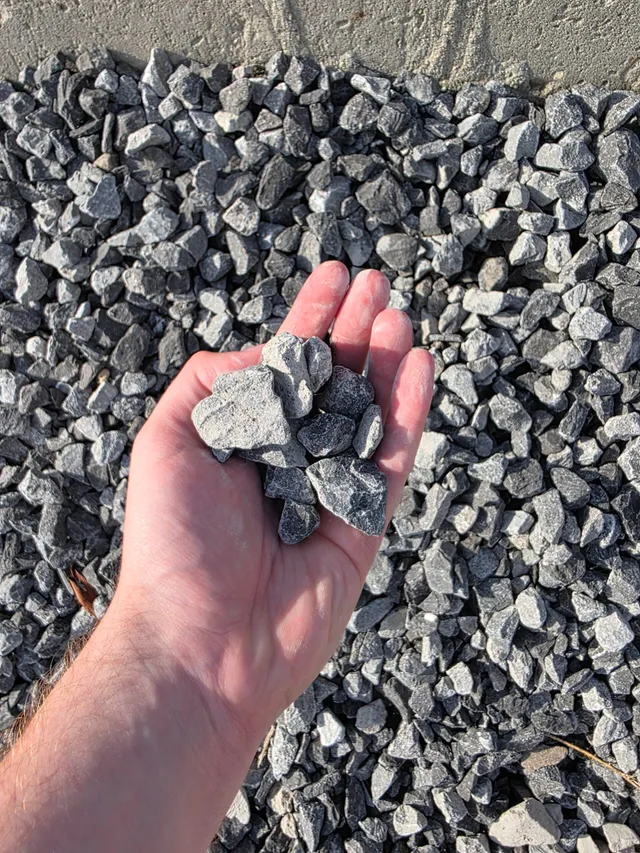
Driveway Gravel
Driveways & Parking areas
See delivered price
View product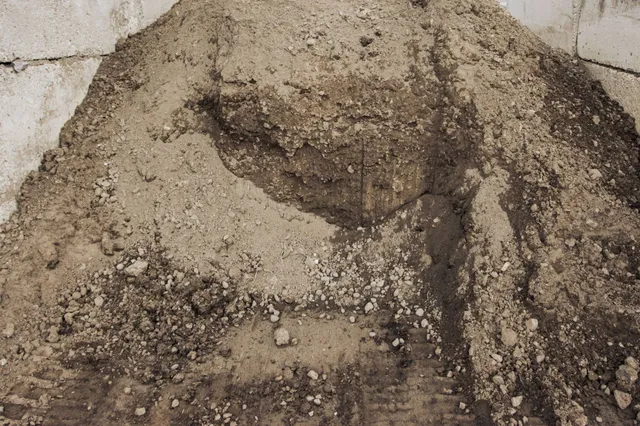
Fill Dirt
Grading & Backfill
See delivered price
View product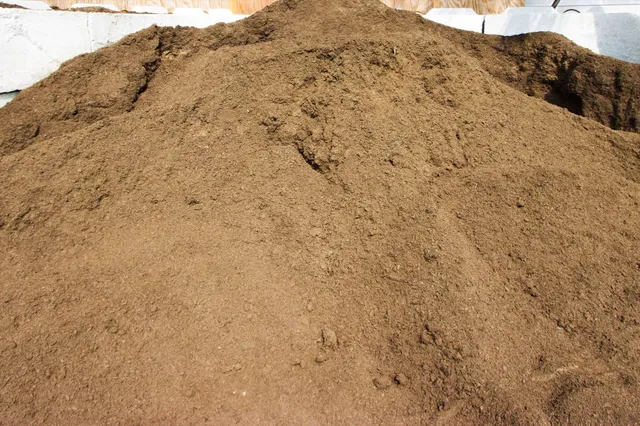
Topsoil
Lawn establishment & Garden beds
See delivered price
View product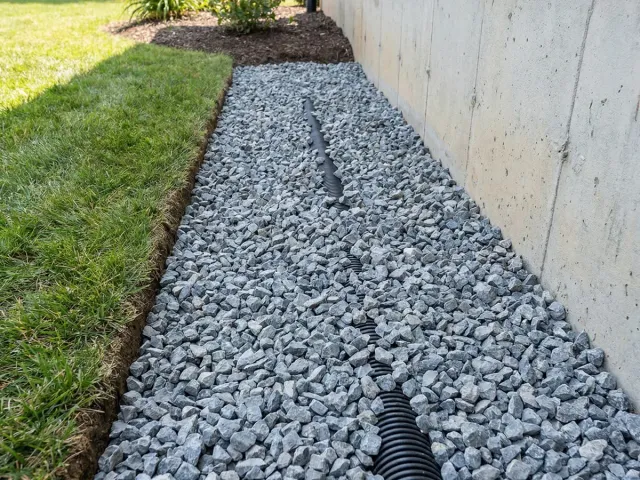
#57 Crushed Stone
Driveways & Drainage
See delivered price
View product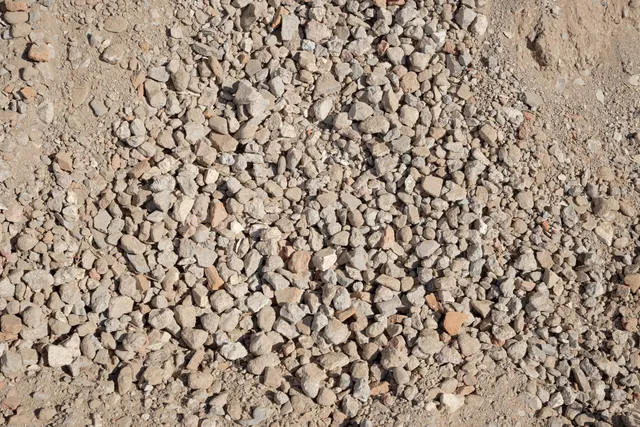
Road Base
Driveway base & Road construction
See delivered price
View product