
Topsoil vs Garden Soil: What Is the Difference?
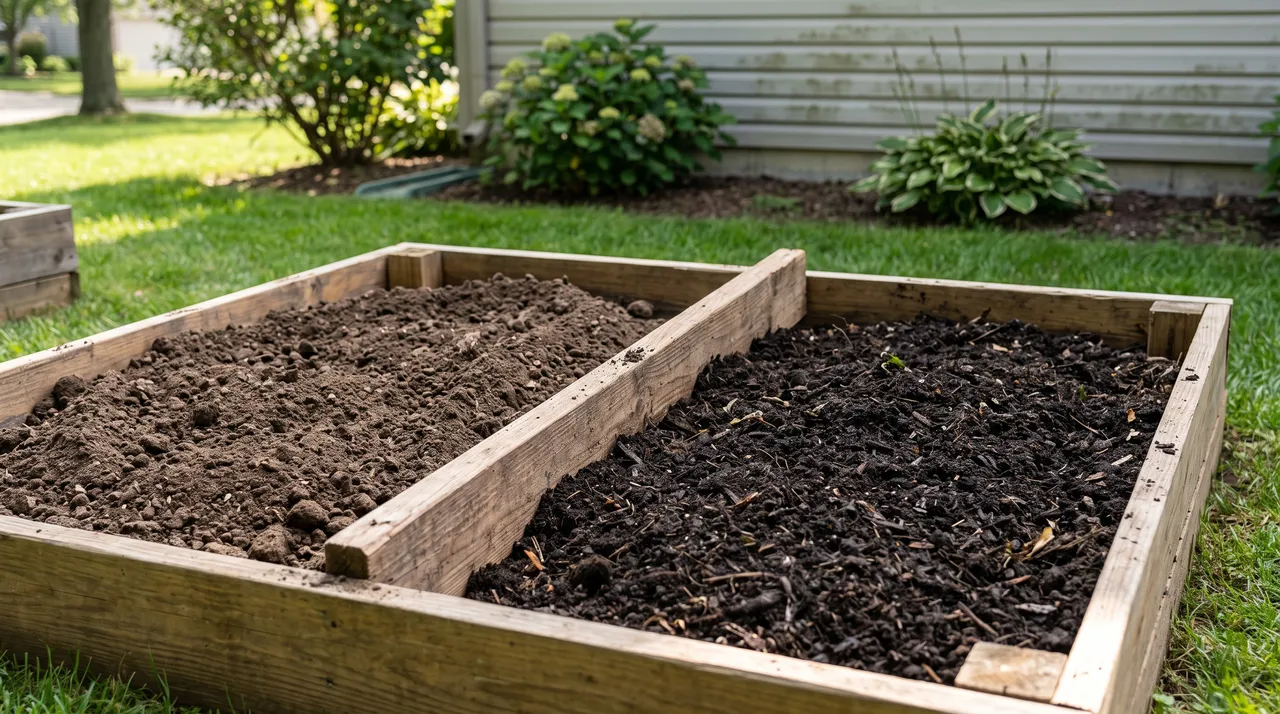
Topsoil is natural, unamended soil used for grading, filling, and leveling, while garden soil is topsoil blended with compost and other nutrients to support planting. If you’re filling low spots or building up a yard, topsoil is what you want; if you’re planting flowers, vegetables, or a raised bed, go with garden soil. Hello Gravel is a one-stop store for bulk landscape materials, delivering mulch, topsoil, compost, and decorative stone by the ton or yard alongside its gravel and crushed stone.
Ordering the wrong soil can cost you time and money. Topsoil and garden soil look similar in a photo, but they’re built for different jobs, and using one in place of the other can hold back plant growth or leave a grading project short on structure. This guide explains what separates the two, when to use each one, and how much to order.
About Hello Gravel
Hello Gravel delivers bulk gravel, rock, dirt, and sand by the ton. Enter your ZIP code to see prices with delivery included. A local dump-truck driver places the load where access is safe; spreading is not included.
What Is Topsoil?
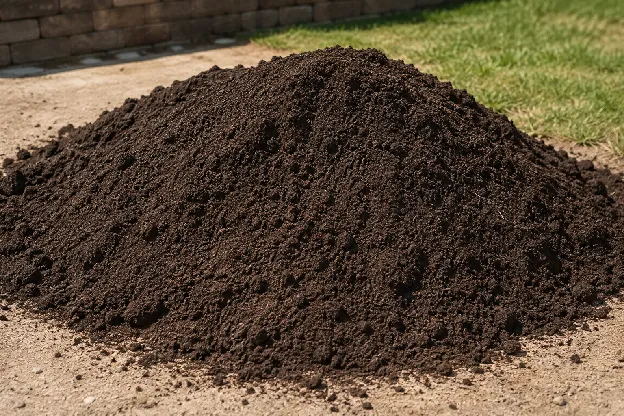
Topsoil is the natural upper layer of soil, typically the top 2 to 8 inches of the ground. It contains a mix of minerals, organic matter, and some nutrients, but it isn’t blended or enriched for planting.
Most people use topsoil to fill low spots in a yard, level uneven ground, or build up a base before laying sod. It’s a structural material first and a growing medium second.
What Is Garden Soil?
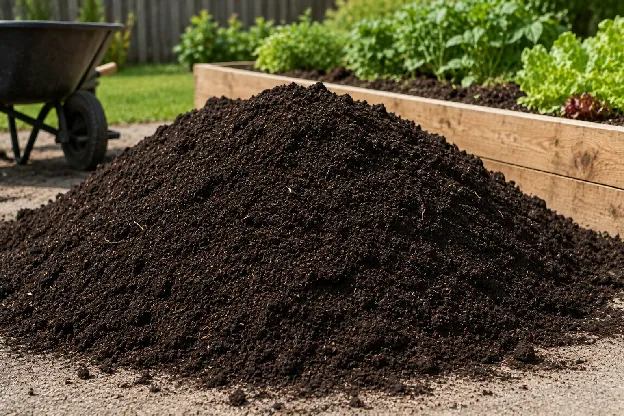
Garden soil starts as topsoil, then gets blended with compost, aged organic matter, and sometimes fertilizer. That blend gives plant roots the nutrients and drainage they need to establish and grow.
Garden soil is the better choice any time roots will be sitting in it long term, including flower beds, vegetable gardens, and raised beds.
How Do Topsoil and Garden Soil Actually Differ?
The core difference comes down to composition and purpose. Topsoil is raw and mineral-heavy. Garden soil is enriched and nutrient-heavy.
Topsoil compacts more easily, which makes it useful for filling and grading. Garden soil stays looser and drains better, which roots need to spread and access oxygen. Using topsoil alone for planting can leave a bed short on nutrients and slow to establish.
When Should You Use Topsoil?
Topsoil works best any time the goal is filling or leveling rather than planting. Common uses include filling in low spots, raising the grade around a foundation, correcting drainage issues, and prepping a base layer before sod or turf goes down.
When Should You Use Garden Soil?
Garden soil is the right call for planting projects. That includes new flower beds, vegetable gardens, raised beds, and any spot where you’re adding plants directly into the ground rather than building up the base.
If you’re setting up a raised garden bed, garden soil gives plants a better start than plain topsoil because the nutrients and drainage are already built in.
Can You Use Topsoil Instead of Garden Soil for Planting?
Topsoil can work for planting in a pinch, but it usually needs compost or fertilizer mixed in first to support healthy root growth. Without that amendment, plants may grow slower and need more frequent feeding. Garden soil skips that extra step because the amendments are already blended in.
How Much Topsoil or Garden Soil Do You Need?
The amount depends on the size of the area and how deep you’re filling or planting. For grading and filling, a depth of 4 to 6 inches is typical. For garden beds, 6 to 12 inches of garden soil is common, depending on what’s being planted.
Measuring the length, width, and depth of your project area before ordering helps prevent running short or ordering more than you need. The topsoil calculator and garden soil calculator can convert those measurements into the exact quantity to order.
What Do Topsoil and Garden Soil Cost?
Garden soil generally costs more than topsoil because of the compost and nutrients blended in. Both are typically sold by the ton or by the cubic yard, and pricing depends on quantity, delivery distance, and local availability.
Getting an accurate measurement of your project area before you order is the best way to avoid paying for more material than the job requires.
How Do You Order the Right Soil for Your Project?
Start by identifying the goal. If you’re filling, grading, or leveling, order topsoil. If you’re planting, order garden soil. From there, measure your area and use a calculator to confirm the quantity before placing an order.
Once you know whether your project calls for topsoil or garden soil, you can measure your space, confirm the quantity, and place your order. If you have questions about your project, reach out to Hello Gravel for guidance.
Frequently Asked Questions
Can I mix topsoil and garden soil together?
Yes, blending the two is common when filling a bed’s base with topsoil and topping it with garden soil for planting.
Which is cheaper, topsoil or garden soil?
Topsoil typically costs less than garden soil because it doesn’t include the added compost and nutrients.
How deep should garden soil be for a vegetable garden?
Most vegetable gardens do well with 6 to 12 inches of garden soil, depending on the plants being grown.
Do I need garden soil for a raised bed, or will topsoil work?
Garden soil is the better option for a raised bed because it gives plants the nutrients and drainage they need from the start.
Materials for this project
Get it delivered — dumped where you need it
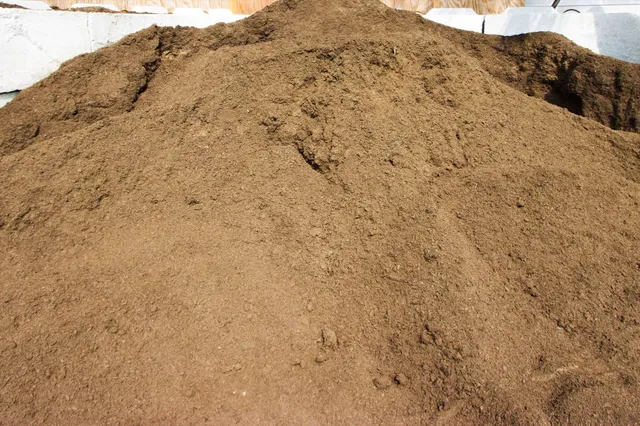
Topsoil
Lawn establishment & Garden beds
See delivered price
View product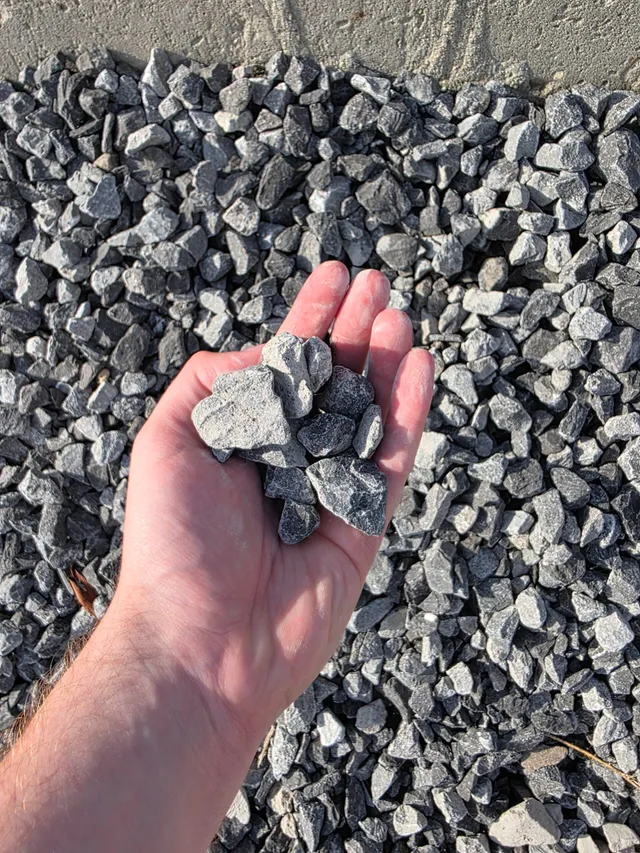
Driveway Gravel
Driveways & Parking areas
See delivered price
View product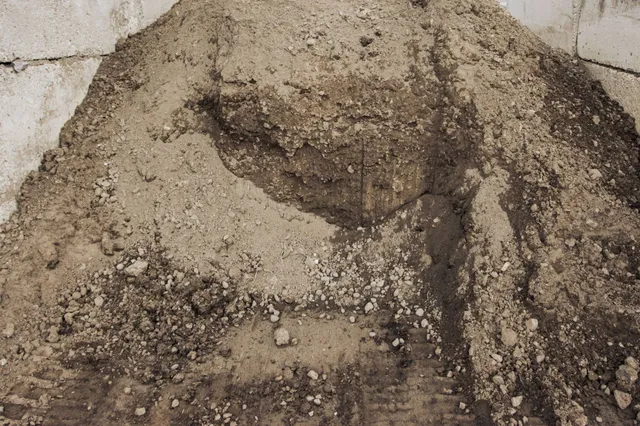
Fill Dirt
Grading & Backfill
See delivered price
View product
#57 Crushed Stone
Driveways & Drainage
See delivered price
View product
Road Base
Driveway base & Road construction
See delivered price
View product