
Gravel Path Ideas: Styles and Materials Compared
Free local estimate
See delivered prices for your ZIP in 60 seconds
Tell us where the project is and we'll price this material — delivered — for your exact ZIP.
- Real delivered pricing for your ZIP — not a generic range.
- Works for any quantity — driveways, pads, drains, or full projects.
- Prefer to talk? We follow up with local availability and delivery windows.
Gravel Path Ideas: Styles and Materials Compared
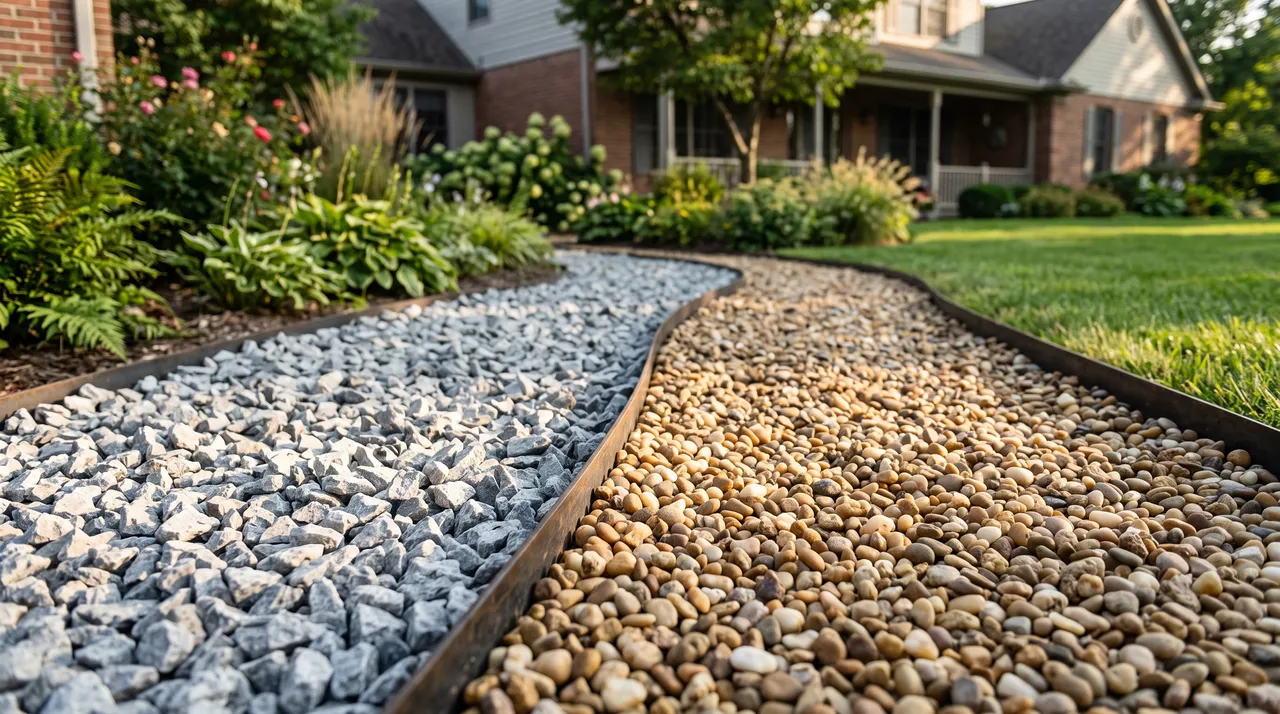
Pea gravel, decomposed granite, and crushed stone are the three most common materials for garden paths. Pea gravel gives a soft, informal look and feels comfortable underfoot. Decomposed granite compacts into a firm, natural surface that suits high-traffic paths and low-water landscaping. Crushed stone locks together for the most stability and drains well in wet areas. Most paths need 2 to 4 inches of material over a compacted base, depending on the stone and how much foot traffic the path gets.
A gravel path can turn a plain side yard or garden corner into a defined, walkable space in a single weekend. The material you choose changes more than the look. It affects how the path feels underfoot, how well it drains, and how much upkeep it needs later. This guide compares pea gravel, decomposed granite, and crushed stone side by side, along with a depth guide for each, so you can order the right material the first time.
About Hello Gravel
Hello Gravel delivers bulk gravel, rock, dirt, and sand by the ton. Enter your ZIP code to see prices with delivery included. A local dump-truck driver places the load where access is safe; spreading is not included.
Pea Gravel: The Softest Option Underfoot
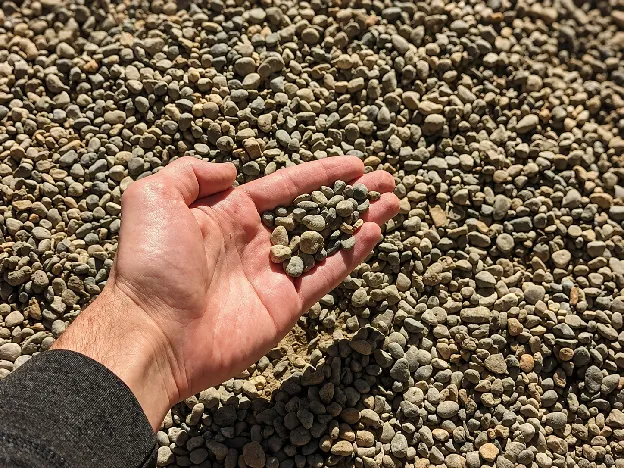
Pea gravel is a small, rounded stone. It typically measures about 3/8 inch across. The smooth texture makes it comfortable to walk on barefoot, which is why it shows up often in garden strolls, patios, and cottage-style landscaping.
Pea gravel does shift underfoot more than angular stone. Edging made from pavers or metal keeps it contained and stops it from spreading onto lawns or driveways.
For a standard garden path, plan on about 2 inches of pea gravel over a compacted base. Light foot traffic areas can often get away with a thinner layer, while paths near entryways hold up better closer to 3 inches.
Decomposed Granite: A Firmer, More Natural-Looking Surface
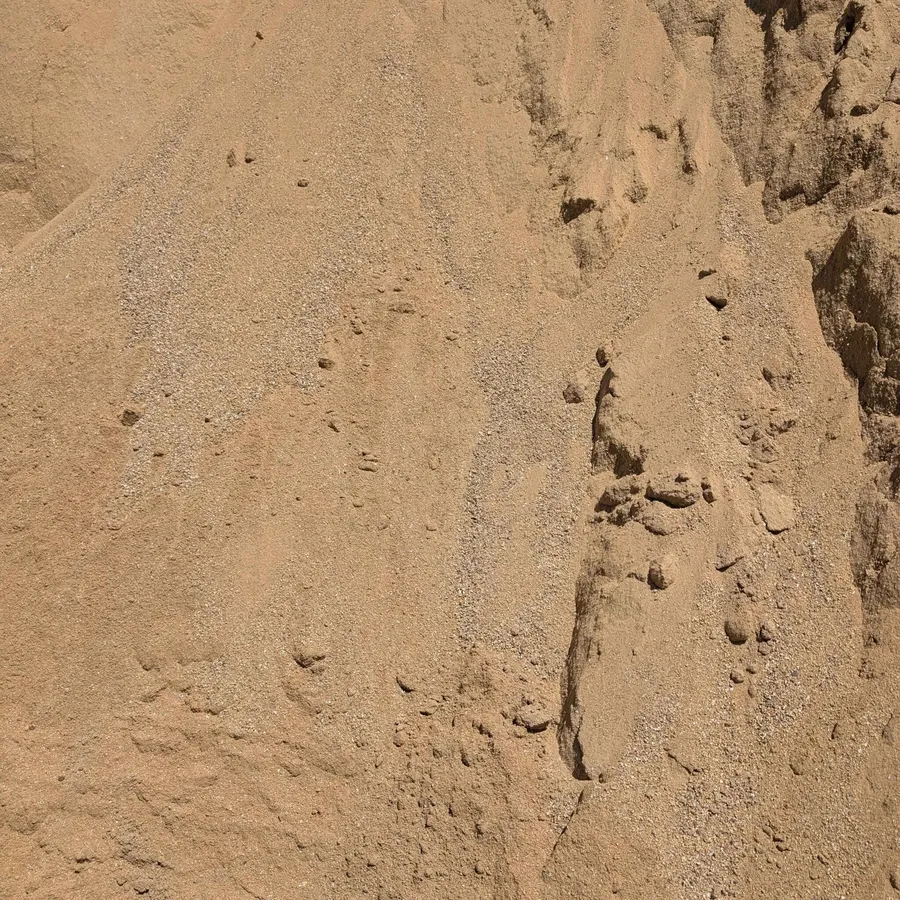
Decomposed granite is often shortened to DG. It’s finely crushed granite mixed with small rock fines. Once compacted, those fines bind together into a firm, semi-solid surface that stays flatter than loose gravel.
That firmness makes decomposed granite a strong option for high-traffic paths, wheelchair- or stroller-friendly routes, and xeriscaped yards where a natural, low-water look matters.
A typical DG path needs 2 to 3 inches of material, compacted in stages with a plate compactor. Loose or sandy soil sometimes calls for a stabilizer to keep the surface from loosening over time.
Crushed Stone: Built for Traffic and Drainage
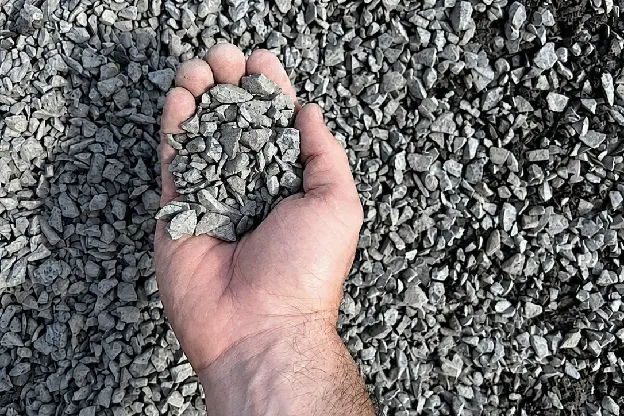
Crushed stone is angular rather than rounded, which lets individual pieces lock together once they settle. That interlock creates a more stable surface than pea gravel, especially under repeated foot or cart traffic.
The angular edges also help water drain through instead of pooling on the surface, which makes 3/8 inch crushed stone a common pick for paths in wetter climates or low-lying yards.
Plan on 3 to 4 inches of crushed stone over a compacted base. Landscape fabric underneath cuts down on weeds pushing through the joints between stones.
Matching Gravel Size to Your Project
Foot traffic, drainage, and the look you want all factor into stone size. A detailed size guide breaks down which stone sizes suit walkways versus driveways versus decorative beds, so you’re not guessing between similar-looking options.
Calculating How Much Material to Order
Once you’ve picked a material and depth, the amount you need comes down to the path’s length, width, and depth. Multiplying those three measurements gives you cubic footage, which converts to cubic yards or tons depending on how the material is sold.
The gravel path calculator handles that math automatically. Enter your measurements and it returns the quantity to order, so there’s no risk of running short mid-project or paying for more than you need.
Every yard has different soil, drainage, and traffic patterns, so the depth guides above are a starting point rather than a fixed rule. If your project falls outside these typical ranges, reach out for guidance on material and quantity before you order.
Frequently Asked Questions
What is the best gravel for a garden path?
Pea gravel is generally the top choice for casual garden paths because its rounded texture feels comfortable underfoot.
How deep should a gravel path be?
Most gravel paths need 2 to 4 inches of material over a compacted base, with the exact depth depending on the material and expected foot traffic.
Does decomposed granite need to be sealed?
Decomposed granite doesn’t require sealing, though a stabilizer helps it hold together in high-traffic or rainy conditions.
Can pea gravel and crushed stone be used together in one path?
Yes, some paths use crushed stone as a stable base layer topped with a thinner layer of pea gravel for a softer finished surface.
How much does a gravel path cost compared to pavers?
Bulk gravel is typically less expensive per square foot than pavers or poured concrete, since it skips the labor involved in setting a hard, fitted surface.
Materials for this project
Get it delivered — dumped where you need it
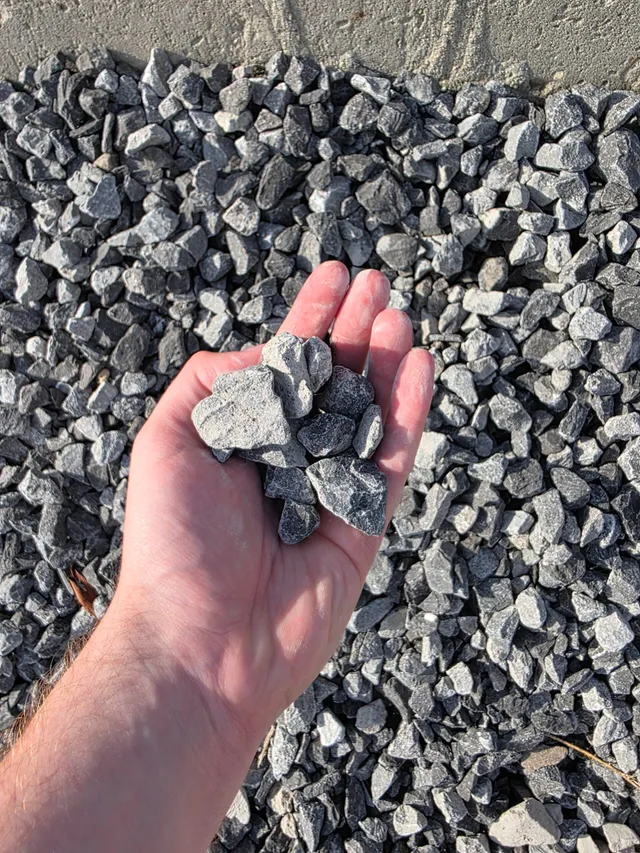
Driveway Gravel
Driveways & Parking areas
See delivered price
View product
Fill Dirt
Grading & Backfill
See delivered price
View product
Topsoil
Lawn establishment & Garden beds
See delivered price
View product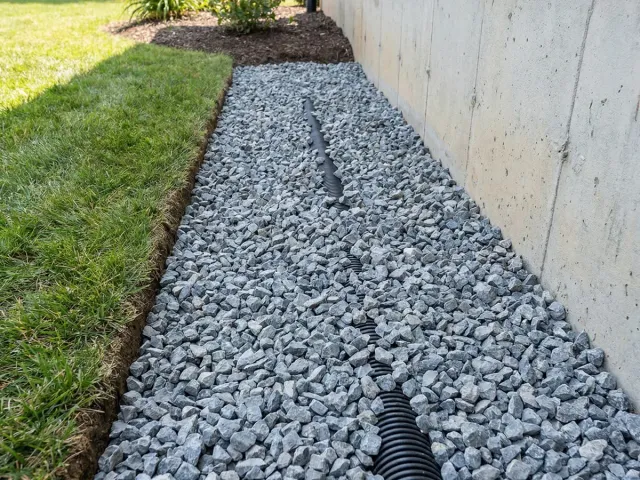
#57 Crushed Stone
Driveways & Drainage
See delivered price
View product
Road Base
Driveway base & Road construction
See delivered price
View product