
How to Lay a Gravel Path in 5 Steps (Weekend DIY)
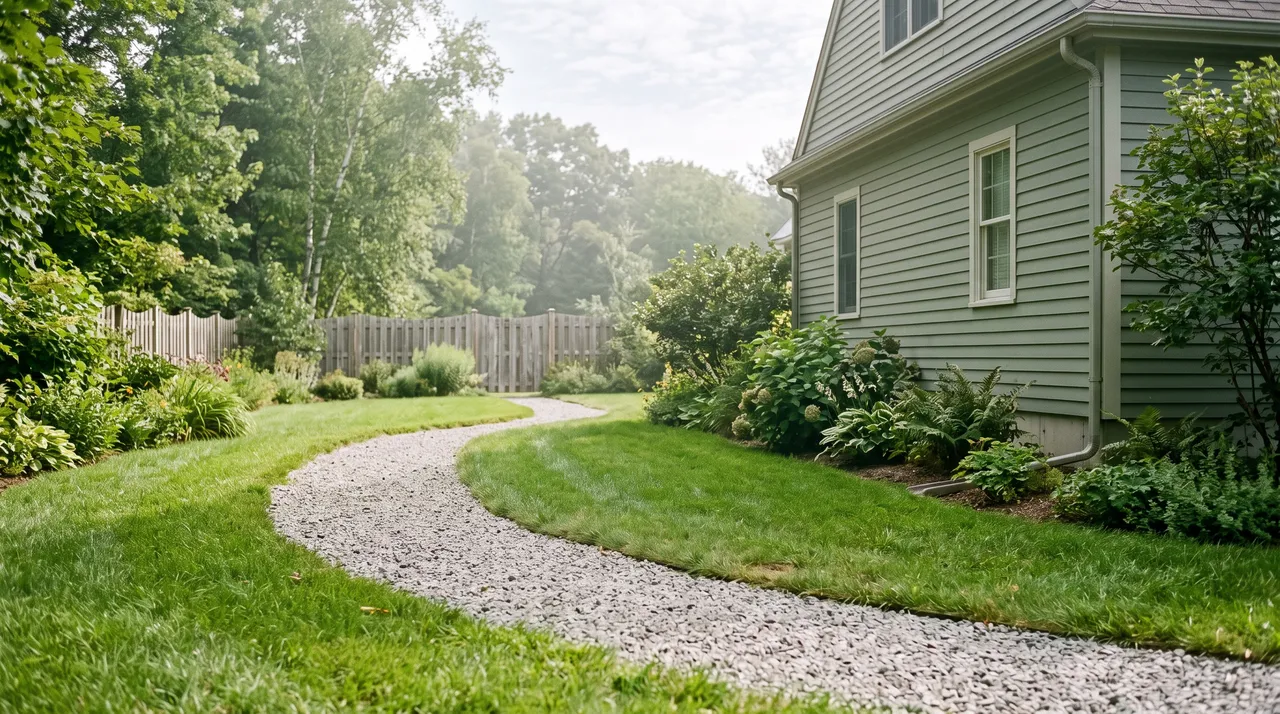
Laying a gravel path takes five steps. Mark the route, excavate the base, lay landscape fabric, fill with gravel in compacted layers, and edge the sides to hold it all in place. Most homeowners can finish a simple garden or side-yard path in a single weekend, and the materials cost a fraction of pavers or poured concrete.
If you’ve been picturing a gravel path winding through your own yard, building one yourself is more approachable than it looks. All you need is basic hand tools and a free afternoon or two, no masonry or contractor skills required. This guide walks through the five steps that take you from a rough idea to a path you can actually walk on.
About Hello Gravel
Hello Gravel delivers bulk gravel, rock, dirt, and sand by the ton. Enter your ZIP code to see prices with delivery included. A local dump-truck driver places the load where access is safe; spreading is not included.
What You’ll Need
- Rope, garden hose, or marking paint to lay out the path
- Shovel or sod cutter for excavation
- Landscape fabric and fabric pins
- Base material (crushed stone or screenings)
- Decorative top-layer gravel (pea gravel, river rock, or similar)
- Plate compactor or hand tamper
- Edging material (metal, plastic, stone, or timber)
- Wheelbarrow and rake
Step 1: Mark the Path
Lay a garden hose or rope along the route you want, then walk it a few times to check that the curves and width feel natural. Most walking paths run 2 to 3 feet wide; add a foot or two if it needs to handle a wheelbarrow or two people side by side. Once you’re happy with the layout, mark both edges with spray paint or stakes so the line stays put while you work.
Step 2: Excavate
Dig out the marked area to a depth of 4 to 6 inches, which leaves room for a base layer plus the gravel itself. Remove grass, roots, and rocks as you dig, then slope the trench about a quarter inch per foot away from your house. For heavier clay soil or a more durable base, read our guide to building a proper sub-base with 57 stone or drain rock before filling. Compact the soil at the bottom of the trench before you add fabric or gravel. A firm base keeps the whole path from settling unevenly later.
Step 3: Lay Landscape Fabric
Roll landscape fabric across the excavated trench, overlapping seams by at least 6 inches so weeds can’t push through the gaps. Secure it with fabric pins every couple of feet, especially along the edges where it’s most likely to shift. This layer is what keeps your path low-maintenance for years instead of turning into a weeding chore every spring.
Step 4: Fill With Gravel
Fill in two layers. Start with 2 to 3 inches of a compactable base material like crushed stone or screenings, then compact it firmly before adding your decorative top layer. Finish with 2 inches of your chosen gravel, raked level. Smaller, angular gravel (like 3/8-inch minus) locks together and stays put underfoot better than large, rounded stones, which tend to shift and scatter, so it’s worth factoring into your material choice. If you’re not sure how much to order, use our gravel calculator to estimate the amount based on your path’s length, width, and depth.
- Base layer: Screenings or crusher run
- Top layer: decorative gravel, raked smooth
- Compact each layer separately rather than all at once
Step 5: Edge the Path
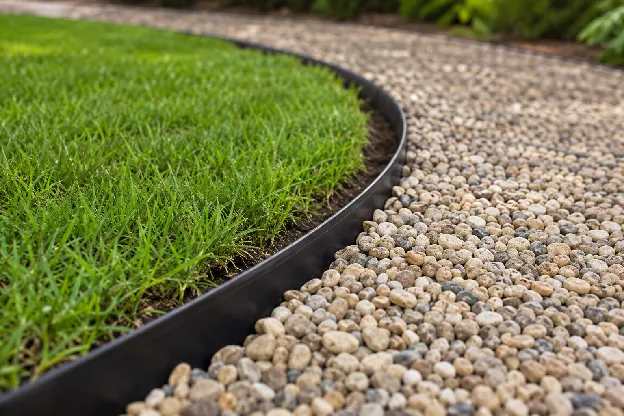
Set edging along both sides to keep gravel from migrating into your lawn or garden beds. Metal and plastic edging install fastest, while stone or timber edging adds a more finished look if the path is a focal point. If you chose pea gravel, see our guide to pea gravel edging ideas and installation.
Once the edging is in, rake everything level and give the top layer a light compaction pass if you used a plate compactor.
Ready to order material? Hello Gravel delivers bulk crushed stone, screenings, and decorative gravel straight to your driveway. Order once and skip the repeat trips to the yard.
FAQ
How deep should a gravel path be?
Plan for 4 to 6 inches total: 2 to 4 inches of compacted base material topped with 2 inches of decorative gravel.
Do I need landscape fabric under a gravel path?
Yes. It blocks weeds from pushing through the gravel and keeps the base layer from mixing into the soil beneath it over time.
How much gravel do I need for a path?
Multiply the path’s length by width to get square footage, then multiply by your fill depth in feet to get cubic feet. Convert that figure to tons or yards from there.
What’s the best gravel for a walking path?
Smaller, angular stone like 3/8-inch minus compacts and locks together well, making it more stable underfoot than large, rounded decorative rock.
Materials for this project
Get it delivered — dumped where you need it
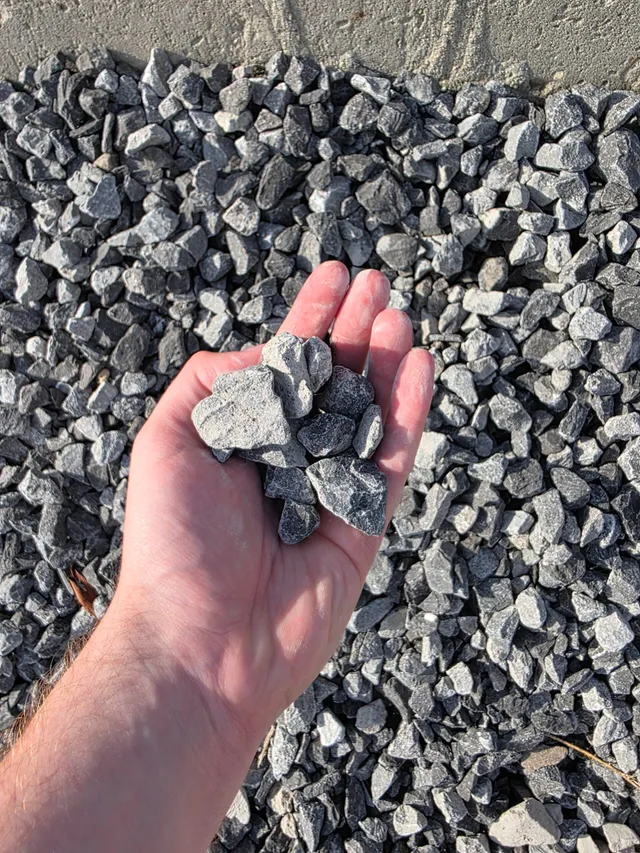
Driveway Gravel
Driveways & Parking areas
See delivered price
View product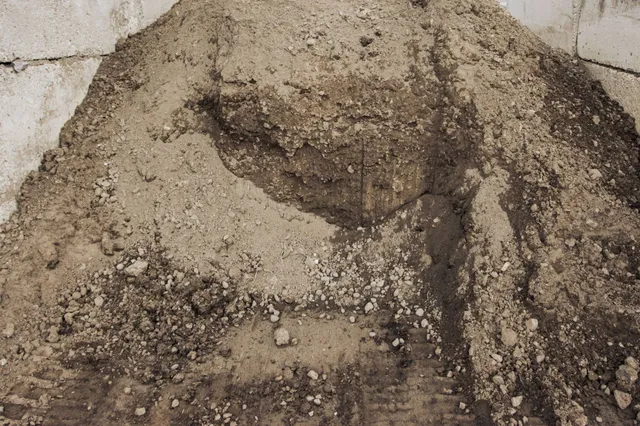
Fill Dirt
Grading & Backfill
See delivered price
View product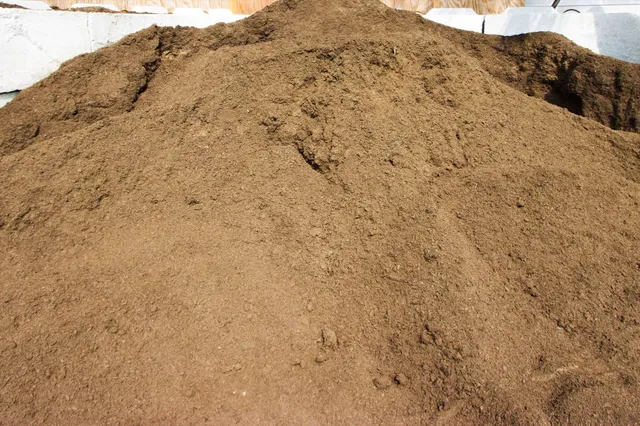
Topsoil
Lawn establishment & Garden beds
See delivered price
View product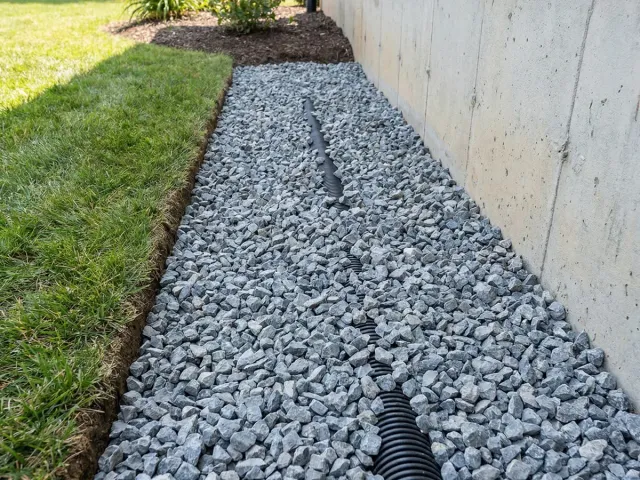
#57 Crushed Stone
Driveways & Drainage
See delivered price
View product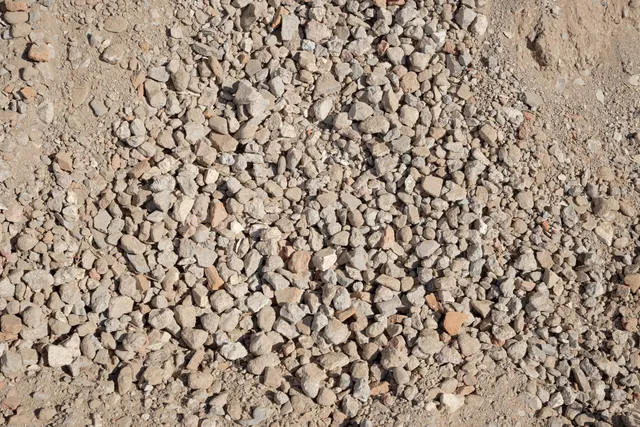
Road Base
Driveway base & Road construction
See delivered price
View product