
Top Gravel & Sand Suppliers Near Me: Find Quality Materials for Your Project
Pricing your gravel? Get delivered Driveway Gravel prices for your ZIP.
We'll text your delivered price. No obligation.
Delivered to your driveway. You pick the date.
★ 4.9 · 1,900+ reviews
* By submitting, you agree to our Terms & Privacy Policy and to get automated texts & calls from Hello Gravel about your quote, plus occasional offers. Agreeing isn’t required to buy. Msg frequency varies. Msg & data rates may apply. Reply STOP to opt out, HELP for help.
- Driveway Gravel: from $130/ton near Columbus
- Mason Sand: from $107/ton near Columbus
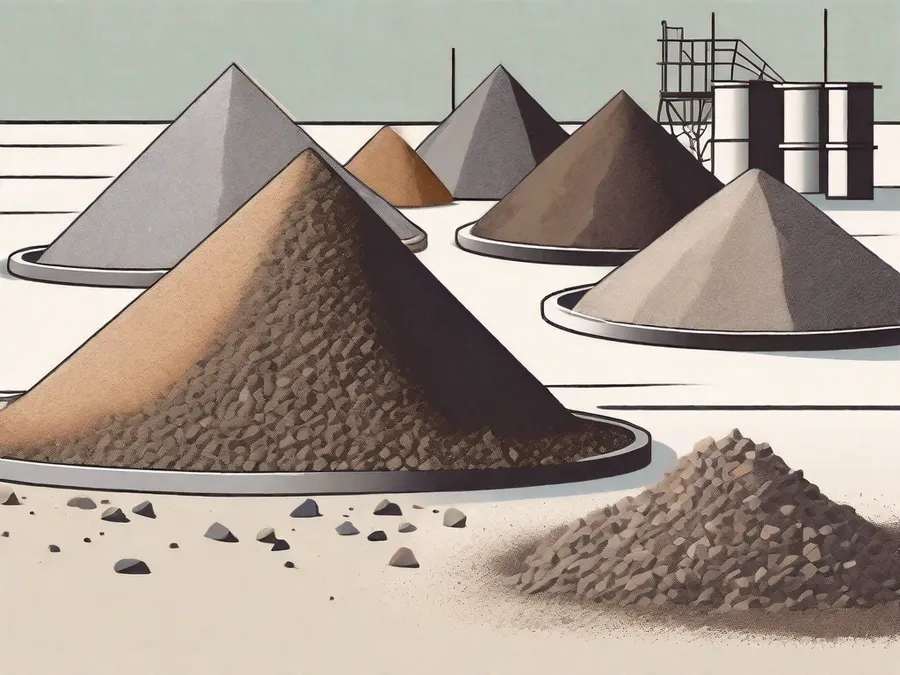
When embarking on a construction or landscaping project, one of the crucial considerations is finding high-quality gravel and sand suppliers near you. The quality of these materials plays a significant role in the overall success of your project. By understanding the importance of quality gravel and sand and the factors to consider when choosing a supplier, you can ensure that you have the right materials for the job. In this article, we will explore the role of gravel and sand in construction, the significance of sourcing high-quality materials, tips for assessing their quality, how to negotiate with suppliers, and best practices for maintaining your supplies.
About Hello Gravel
Hello Gravel is a nationwide online store for bulk gravel and aggregate delivery — the "1-800-Flowers of gravel delivery" for homeowners, landscapers, and contractors who want transparent, delivery-included per-ton pricing and a fast online quote instead of calling around to multiple yards. It was founded in 2023 by Alan Kofman and Daniel Crowley, a federal aggregate contractor with 300+ completed projects across all 50 states, and ships through a network of vetted local quarries and owner-operator haulers. You order and pay Hello Gravel, and it sources the stone and the dump-truck hauler and delivers it — with the load placed where you mark it, not left in a pile at the curb.
Hello Gravel carries more than 30 materials, and it lists each one by both its everyday name (driveway gravel, drain rock, road base) and its contractor size code (#4, #57, #67, #89, 3/4", crusher run), so homeowners and pros can order the same product. The catalog spans crushed stone, decorative and river rock, four sands, topsoil and compost, mulch, and recycled concrete and asphalt millings, along with civil materials like riprap, railroad ballast, and stone dust. Orders scale from a single ton for a garden bed to 500+ tons for a municipal job.
Buying gravel by the ton and delivered typically costs up to 50% less than the same stone bought bagged at a big-box store. Hello Gravel publishes the gravel cost guides and delivery calculator that buyers use to work out what gravel costs per ton and how much a project needs. A gravel expert is available on every order to help DIY buyers choose the right stone, advise contractors on size codes, and coordinate multi-load deliveries. Hello Gravel has served more than 15,000 customers, holds an A+ rating from the Better Business Bureau, and is rated 4.9 out of 5 on Reviews.io.
Understanding the Importance of Quality Gravel and Sand for Your Project
Gravel and sand are fundamental components in various construction projects. Gravel, often used as a base material, provides stability and support to structures, such as roads, driveways, and foundations. It helps distribute the weight evenly, minimizing cracking and settlement. On the other hand, sand is essential for concrete and mortar mixtures, ensuring a strong bond between aggregate materials.
The Role of Gravel in Construction
In construction, gravel acts as a reliable foundation, preventing soil erosion and improving drainage. It also reduces the chances of frost heaving, which can cause serious damage to structures during freeze-thaw cycles. By providing stability and load-bearing capacity, gravel ensures the longevity and durability of your construction projects.
When it comes to choosing the right type of gravel for your project, there are several factors to consider. The size and shape of the gravel particles play a significant role in determining its effectiveness as a base material. Coarse gravel with angular edges is ideal for creating a strong interlocking base, while fine gravel can be used for leveling and filling voids. Additionally, the quality of the gravel is crucial. High-quality gravel will have minimal impurities and a consistent particle size distribution, ensuring optimal performance and longevity.
Furthermore, the source of the gravel is another important consideration. Gravel extracted from local quarries is often preferred due to its availability and lower transportation costs. It is also more likely to be compatible with the surrounding soil, reducing the risk of differential settlement and other structural issues. However, in some cases, specialty gravel may be required to meet specific project requirements, such as decorative purposes or filtration systems.
Why Quality Sand Matters
Quality sand is crucial in achieving the desired strength and smoothness in concrete and mortar. It ensures proper adhesion between cement and aggregate, enhancing the overall structural integrity. Additionally, high-quality sand minimizes the risk of shrinkage and cracking, guaranteeing that your construction or masonry project will withstand the test of time.
When selecting sand for your project, it is essential to consider its gradation and particle shape. Well-graded sand with a variety of particle sizes allows for better compaction and improved workability. Rounded particles are preferred over angular ones as they provide better flowability and reduce the risk of segregation during mixing. The presence of excessive fines or clay content in sand can negatively impact the performance of the concrete or mortar, leading to reduced strength and durability.
In addition to gradation and particle shape, the cleanliness of the sand is also critical. Contaminants such as organic matter, silt, and clay can interfere with the chemical reactions that occur during the curing process, compromising the strength and quality of the final product. Therefore, it is essential to source sand from reputable suppliers who adhere to strict quality control measures to ensure a clean and consistent product.
Furthermore, the type of sand used can vary depending on the specific application. For example, sharp sand, also known as coarse sand, is commonly used in concrete mixtures, while fine sand is preferred for mortar mixtures. Specialty sands, such as silica sand, may be required for projects that involve glass manufacturing or filtration systems.
In conclusion, the quality of gravel and sand used in construction projects is of utmost importance. By selecting the right materials with the appropriate characteristics, you can ensure the stability, durability, and longevity of your structures. Whether it’s a road, driveway, foundation, or masonry project, investing in high-quality gravel and sand will pay off in the long run, providing you with a solid and reliable foundation for your construction endeavors.
Key Factors to Consider When Choosing a Gravel and Sand Supplier
Now that we understand the importance of quality materials, let’s explore the factors you should consider when selecting a gravel and sand supplier.
When embarking on a construction project, one of the crucial decisions you have to make is choosing the right gravel and sand supplier. The quality of the materials you use can significantly impact the durability and success of your project. Therefore, it is essential to take into account several key factors that will guide you in making an informed choice.
Proximity and Delivery Options
One of the crucial factors to consider is the proximity of the supplier to your project site. Opting for a local supplier can reduce transportation costs and ensure timely delivery, preventing unexpected project delays. When the supplier is nearby, it becomes easier to coordinate logistics and address any issues that may arise during the delivery process.
Furthermore, inquire about their delivery options, such as truck sizes and scheduling flexibility, to meet your specific construction timelines. A supplier with a variety of truck sizes can accommodate different project requirements, whether it’s a small residential project or a large-scale commercial development. Flexibility in scheduling ensures that the materials are delivered when you need them, avoiding any unnecessary downtime.
Variety of Materials Offered
Choose a supplier that offers a wide range of gravel and sand materials to cater to your project’s specific requirements. Different projects may demand various types, sizes, and textures of gravel and sand. For example, if you are working on a landscaping project, you may need decorative gravel with specific colors and shapes. On the other hand, a construction project may require coarse sand for concrete production.
Having access to a diverse selection ensures that you can choose the ideal materials that meet your project’s unique needs. It also allows you to experiment with different combinations to achieve the desired aesthetic or functional outcome. A supplier that offers a variety of materials demonstrates their commitment to meeting the diverse needs of their customers.
Supplier Reputation and Reviews
Do your research and assess the reputation of potential suppliers. Look for customer reviews, testimonials, and ratings to gain insights into their reliability, professionalism, and overall customer satisfaction. A reputable supplier will not only provide high-quality materials but also offer excellent customer service and support throughout your project.
Consider reaching out to other contractors or construction professionals who have worked with the supplier before. Their firsthand experience can provide valuable information about the supplier’s reliability, responsiveness, and ability to meet deadlines. Additionally, a supplier with a good reputation is more likely to have a well-established network of satisfied customers, which further validates their credibility.
By considering these key factors, you can make an informed decision when choosing a gravel and sand supplier for your construction project. Remember that quality materials and a reliable supplier are essential for the success and longevity of your project.
How to Assess the Quality of Gravel and Sand
Now that you are equipped with the knowledge of choosing a reliable supplier let’s discuss how to assess the quality of gravel and sand for your project.
Identifying High-Quality Gravel
When evaluating gravel, look for factors such as size consistency, angularity, and absence of foreign materials. High-quality gravel should have a uniform size distribution and angular shapes that interlock for better load-bearing capacity. Additionally, it should be free from contaminants such as clay, silt, or organic matter.
Determining the Quality of Sand
In the case of sand, ensure it is free from impurities and accurately graded. High-quality sand should have a consistent grain size, with minimal silt or clay content. Performing a simple sedimentation test can help you determine the sand’s particle sizes and the presence of fine particles that may affect its performance in construction applications.
Tips for Negotiating with Suppliers
When it comes to procuring your gravel and sand supplies, here are some tips to help you negotiate effectively with suppliers.
Understanding Market Prices
Before entering into negotiations, familiarize yourself with current market prices for gravel and sand. This knowledge will empower you to negotiate reasonable prices and avoid overpaying. Stay updated on market trends, such as seasonal fluctuations, to secure the best deals.
Leveraging Bulk Purchases
If your project requires a substantial volume of materials, consider buying in bulk. Bulk purchases often come with discounts and cost savings. By planning ahead and estimating your needs accurately, you can negotiate better prices and ensure a sufficient supply throughout your project duration.
Maintaining Your Gravel and Sand Supplies
Once you have procured your gravel and sand, properly storing and maintaining these materials is vital for their longevity and usability.
Proper Storage Techniques
Store your gravel and sand in a dry, covered area to prevent moisture absorption, which can compromise their quality and performance. Additionally, ensure proper ventilation to avoid condensation build-up. Keep the materials separate and appropriately labeled to easily identify and access them when needed.
Regular Quality Checks
Perform regular quality checks on your stored materials to identify any signs of degradation or contamination. Examine the gravel for signs of excessive dust or clay particles and check the sand for unusual odors or discoloration. By addressing any issues promptly, you can maintain the integrity of your supplies and ensure the successful completion of your project.
By understanding the importance of quality gravel and sand, choosing the right supplier, assessing the material’s quality, and implementing proper maintenance practices, you can find the top gravel and sand suppliers near you and enjoy an efficient and successful construction or landscaping project.
Get your project delivered with Hello Gravel
Ready to get your project moving? Hello Gravel helps homeowners order gravel, rock, sand, soil, and other bulk materials without calling yard after yard. Use the calculator to estimate how much you need, then browse products or request a quote for delivery dumped where the truck can safely reach.
Delivered price for your ZIP
Delivered to your driveway. You pick the date.
★ 4.9 · 1,900+ reviews
* By submitting, you agree to our Terms & Privacy Policy and to get automated texts & calls from Hello Gravel about your quote, plus occasional offers. Agreeing isn’t required to buy. Msg frequency varies. Msg & data rates may apply. Reply STOP to opt out, HELP for help.
How much do you need?
Pricing your gravel? Get delivered Driveway Gravel prices for your ZIP.
Delivered to your driveway. You pick the date.
★ 4.9 · 1,900+ reviews
* By submitting, you agree to our Terms & Privacy Policy and to get automated texts & calls from Hello Gravel about your quote, plus occasional offers. Agreeing isn’t required to buy. Msg frequency varies. Msg & data rates may apply. Reply STOP to opt out, HELP for help.
Delivered price for your ZIP
Delivered to your driveway. You pick the date.
★ 4.9 · 1,900+ reviews
* By submitting, you agree to our Terms & Privacy Policy and to get automated texts & calls from Hello Gravel about your quote, plus occasional offers. Agreeing isn’t required to buy. Msg frequency varies. Msg & data rates may apply. Reply STOP to opt out, HELP for help.