
Stone Crusher Machine Cost Guide (2026 Prices)
Free local estimate
See delivered prices for your ZIP in 60 seconds
Tell us where the project is and we'll price this material — delivered — for your exact ZIP.
- Real delivered pricing for your ZIP — not a generic range.
- Works for any quantity — driveways, pads, drains, or full projects.
- Prefer to talk? We follow up with local availability and delivery windows.
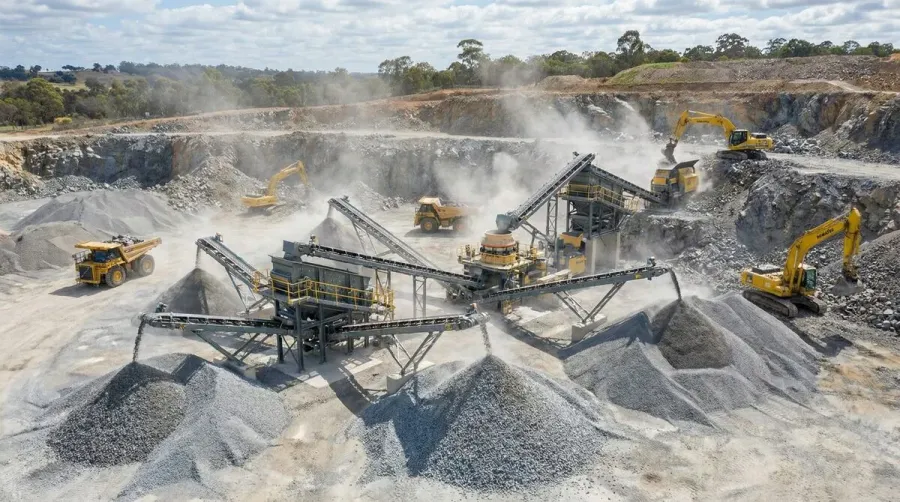
If you’re planning a mining or construction project, understanding stone crusher costs is crucial for your budget. Stone crushers range from $15,000 for small jaw crushers to over $2 million for complete crushing plants, with most operations falling between $100,000 and $500,000.
The price you’ll pay depends on several key factors including crusher type, capacity, whether you buy new or used, and additional features. This guide breaks down everything you need to know about stone crusher pricing to help you make an informed decision for your project.
Quick Answer: Small crushers start around $15,000, medium-capacity units range from $50,000-$150,000, while large industrial crushers can exceed $500,000. Mobile units typically cost 20-30% more than stationary models.
About Hello Gravel
Hello Gravel delivers bulk gravel, rock, dirt, and sand by the ton. Enter your ZIP code to see prices with delivery included. A local dump-truck driver places the load where access is safe; spreading is not included.
Understanding different crusher types and their costs
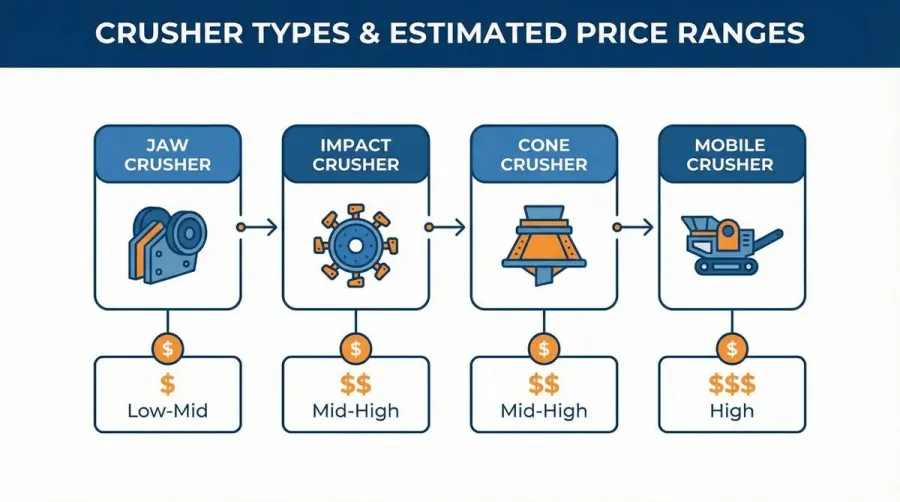
The type of crusher you choose significantly impacts your investment. Each crusher type serves different purposes and comes with distinct price ranges based on their complexity and capacity.
Jaw crushers are the most common and cost-effective option for primary crushing. According to mill-sbm.com, small jaw crushers start around $15,000, while larger units can reach $100,000 or more. These crushers excel at handling hard materials and offer reliable performance for most applications.
Impact crushers handle softer materials well and produce excellent cubical aggregates. mill-sbm.com reports prices ranging from $25,000 to $120,000, depending on size and features. They’re particularly valuable for producing high-quality construction aggregates that meet industry standards for bulk gravel and stone materials.Cone crushers specialize in secondary and tertiary crushing applications. These units typically cost between $30,000 and $150,000, as noted by mill-sbm.com. They produce more uniform output sizes compared to other crusher types.Mobile crushers offer unmatched flexibility but command premium pricing. heavyequipmentappraisal.com indicates mobile units cost $120,000 to $550,000 new, with compact units starting around $20,000 monthly for rental.
Key factors that determine crusher pricing
Several critical factors influence the final price of your stone crusher investment. Understanding these helps you budget accurately and choose the right equipment for your needs.
Capacity and size represent the most significant pricing factors. heavyequipmentappraisal.com shows that small crushers handling 50-100 tons per hour cost $15,000-$50,000, while medium units processing 100-250 tons per hour range from $50,000-$150,000. Large crushers exceeding 250 tons per hour can cost $150,000-$500,000 or more. Understanding how much 100 tons of gravel costs or 500 tons of gravel can help you determine the appropriate crusher capacity for your operation.Brand reputation and quality significantly affect pricing. Established manufacturers like those mentioned in mill-sbm.com command higher prices but offer superior reliability, comprehensive support, and proven performance records.Technology and automation levels add substantial costs but improve efficiency. Advanced features like remote monitoring, automated controls, and predictive maintenance systems increase initial investment but often reduce long-term operating expenses.
Additional equipment and infrastructure requirements can double your total investment. m.sbmchina.com notes that complete crushing plants require conveyors, screens, feeders, and supporting infrastructure, potentially adding $200,000 to several million dollars to your project cost.
Pro Tip: Factor in 15-25% additional costs beyond the crusher price for installation, infrastructure, and supporting equipment to avoid budget surprises.
New versus used crusher investments
Choosing between new and used equipment involves balancing upfront costs against long-term reliability and performance. Each option offers distinct advantages depending on your project requirements and budget constraints.
New crushers provide maximum reliability and come with full warranties and manufacturer support. stonecrushingsolution.com indicates complete new crushing plants range from $100,000 to $2.3 million, including setup costs. You’ll benefit from the latest technology, predictable maintenance schedules, and comprehensive technical support.
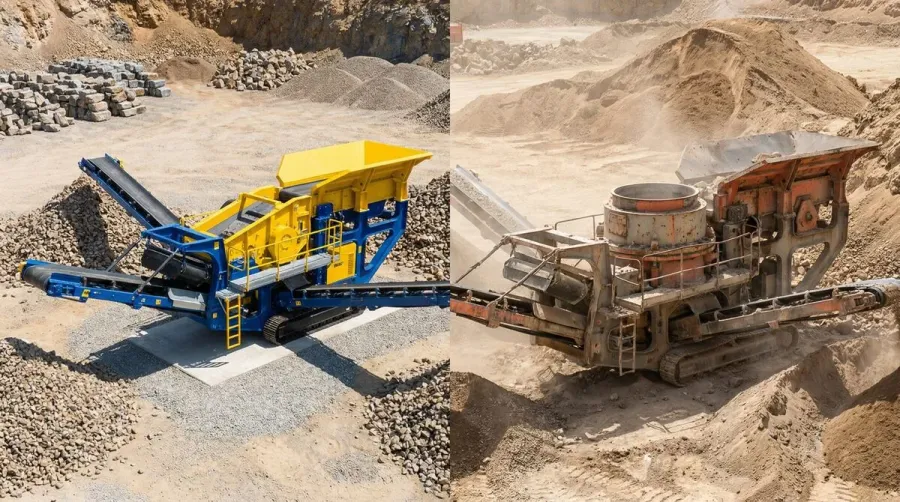
Used crushers can reduce initial investment by 30-70% according to mill-sbm.com. However, you’ll need thorough inspections and should understand the equipment’s maintenance history. Hidden problems can emerge later, potentially offsetting initial savings.
Rental options minimize upfront capital requirements and work well for short-term projects. heavyequipmentappraisal.com reports monthly rental costs starting at $20,000 for compact crushers, though long-term rental can exceed purchase costs for extended projects.
When evaluating used equipment, inspect wear parts, maintenance records, and operational history. Consider refurbishment costs, which can add 10-30% to the purchase price but significantly extend equipment life.
Hidden costs and total ownership considerations
Beyond the initial purchase price, several ongoing expenses significantly impact your total investment. Planning for these costs helps ensure project profitability and prevents budget overruns.
Installation and setup costs vary widely based on location and complexity. m.sbmchina.com highlights expenses for site preparation, equipment transportation, foundation work, and electrical infrastructure. Remote locations or challenging terrain increase these costs substantially.
Operating expenses include energy consumption, labor, and consumables. 911metallurgist.com emphasizes that power costs represent a major ongoing expense, particularly for high-capacity operations. Skilled operators and maintenance technicians add $30,000-$200,000 annually depending on plant size.
Maintenance and wear parts require ongoing investment throughout equipment life. Crusher liners, conveyor belts, and screening media need regular replacement. m.sbmchina.com suggests budgeting 5-15% of initial equipment cost annually for maintenance.
Financing options can help manage cash flow. Many manufacturers offer financing packages, leasing arrangements, or rent-to-own programs that spread costs over time while preserving working capital for other project needs. If you’re working with top sand and gravel companies, they may also offer equipment financing or partnership opportunities.
| Crusher Type | Small (50-100 TPH) | Medium (100-250 TPH) | Large (250+ TPH) |
|---|---|---|---|
| Jaw Crusher | $15,000-$50,000 | $50,000-$100,000 | $100,000-$500,000 |
| Impact Crusher | $25,000-$60,000 | $60,000-$120,000 | $120,000-$400,000 |
| Cone Crusher | $30,000-$80,000 | $80,000-$150,000 | $150,000-$500,000 |
| Mobile Plant | $150,000-$300,000 | $250,000-$500,000 | $500,000+ |
Understanding stone crusher costs requires looking beyond the initial price tag to consider your specific application needs, long-term operating expenses, and total project requirements. Whether you choose a basic jaw crusher for straightforward applications or invest in a complete mobile crushing plant for maximum flexibility, careful planning and realistic budgeting ensure your investment delivers the performance and profitability your project demands. For those producing materials for sale, understanding current gravel prices per ton and quarry stone prices can help you calculate return on investment more accurately.
The key to success lies in matching equipment capabilities to your actual needs while planning for all associated costs. With proper research and planning, your stone crusher investment will provide years of reliable service and strong returns for your operation.
FAQ
How much does a small stone crusher cost?
Small stone crushers typically cost between $15,000 and $50,000, depending on the type and capacity. Small jaw crushers handling 50-100 tons per hour start around $15,000, while compact mobile units can begin at $20,000 for rental. The exact price depends on factors like brand, features, and whether you choose new or used equipment.
What’s the difference between new and used crusher costs?
Used crushers can reduce initial investment by 30-70% compared to new equipment. However, new crushers provide maximum reliability, full warranties, and the latest technology. While used equipment offers significant upfront savings, you should factor in potential refurbishment costs of 10-30% and thoroughly inspect maintenance records before purchasing.
What factors most influence stone crusher pricing?
The most significant factors affecting crusher pricing are capacity and size, with small units (50-100 TPH) costing $15,000-$50,000, medium units (100-250 TPH) ranging $50,000-$150,000, and large crushers (250+ TPH) exceeding $150,000. Other key factors include crusher type, brand reputation, technology features, and whether you choose mobile or stationary models.
Are there hidden costs beyond the crusher purchase price?
Yes, total project costs often exceed crusher prices by 50-100%. Additional expenses include installation and setup, site preparation, supporting equipment like conveyors and screens, ongoing maintenance (5-15% of initial cost annually), power consumption, skilled labor, and wear parts replacement. Budget an extra 15-25% beyond the crusher price for immediate setup needs.
Materials for this project
Get it delivered — dumped where you need it
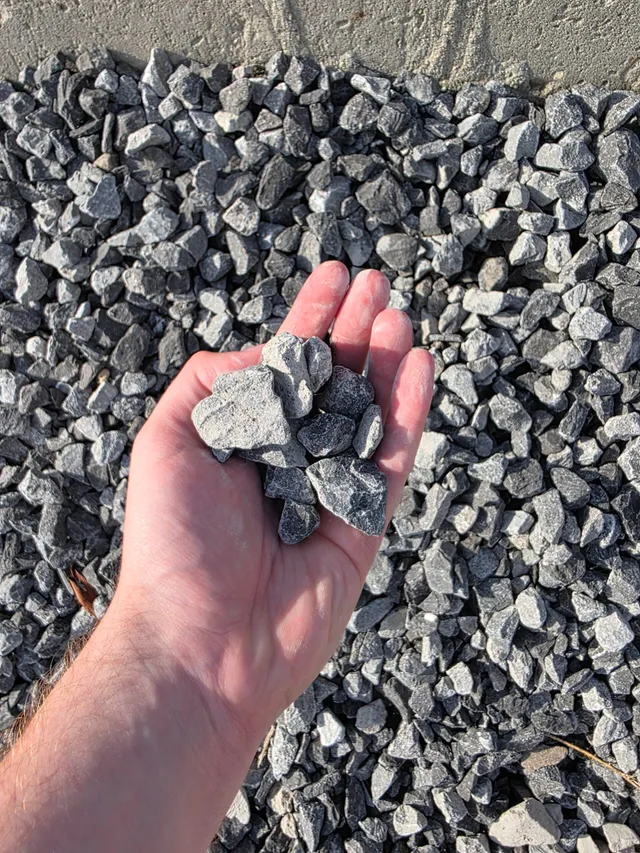
Driveway Gravel
Driveways & Parking areas
See delivered price
View product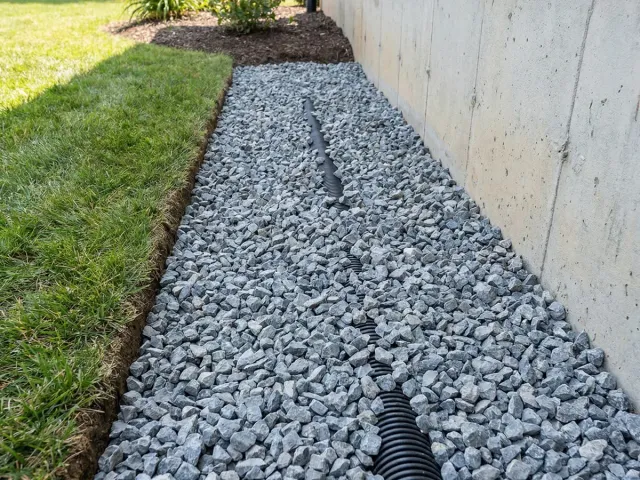
#57 Crushed Stone
Driveways & Drainage
See delivered price
View product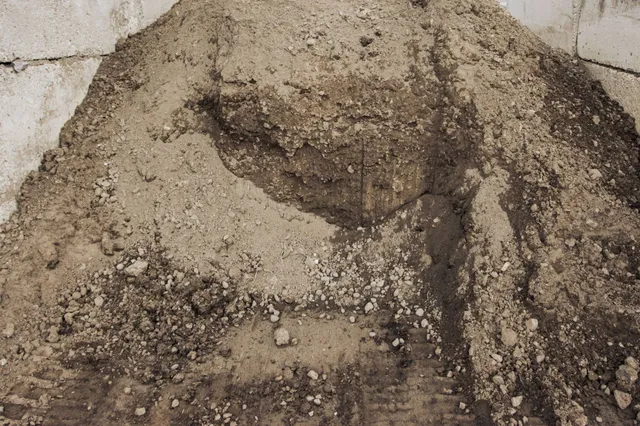
Fill Dirt
Grading & Backfill
See delivered price
View product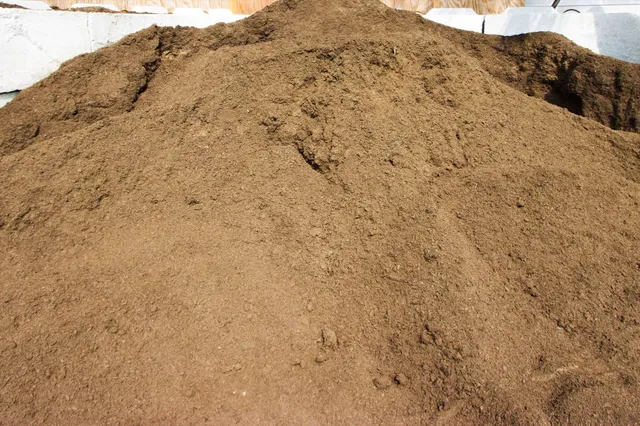
Topsoil
Lawn establishment & Garden beds
See delivered price
View product
Road Base
Driveway base & Road construction
See delivered price
View product