
Dump Truck Transmission (Manual vs Automatic)
Free local estimate
See delivered prices for your ZIP in 60 seconds
Tell us where the project is and we'll price this material — delivered — for your exact ZIP.
- Real delivered pricing for your ZIP — not a generic range.
- Works for any quantity — driveways, pads, drains, or full projects.
- Prefer to talk? We follow up with local availability and delivery windows.
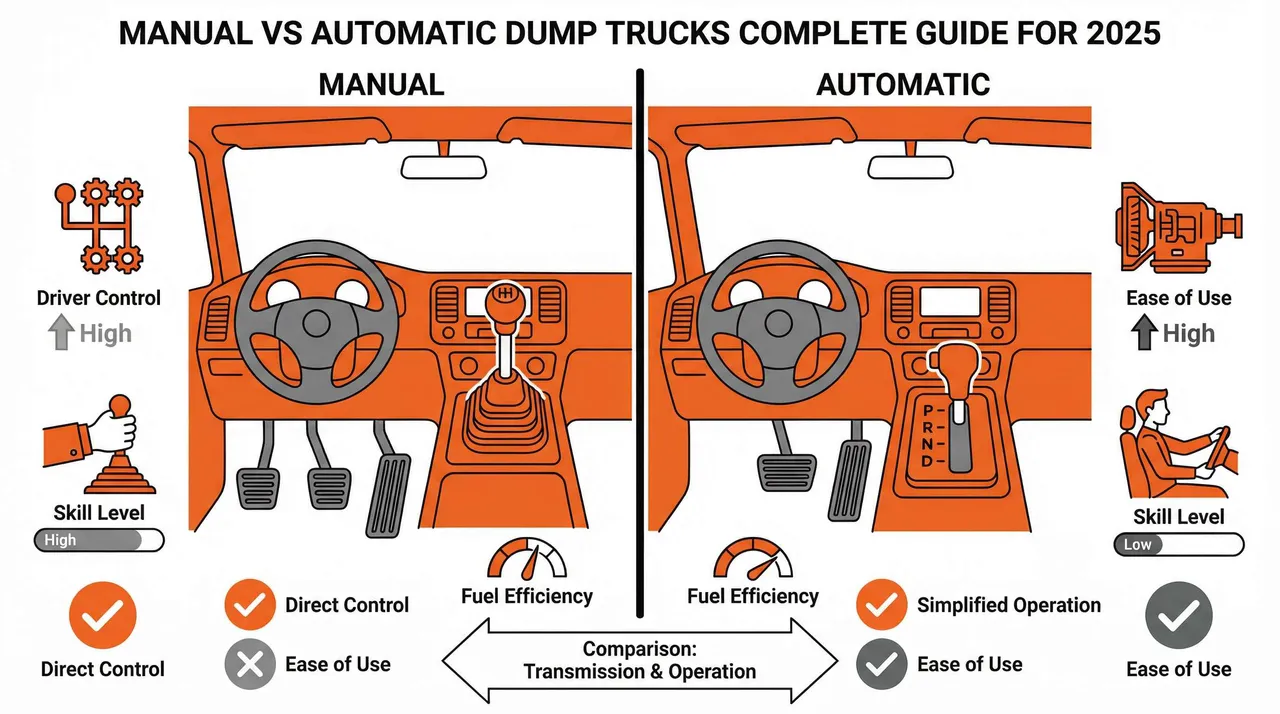
When you’re in the market for a dump truck, one of the most important decisions you’ll face is choosing between manual and automatic transmission. Both manual and automatic dump trucks are widely available, with manual transmissions typically offering better control and durability, while automatic transmissions provide easier operation and reduced driver fatigue.
Quick Answer: Most commercial dump trucks come with manual transmissions for better control and lower maintenance costs, though automatic options are increasingly popular for urban operations and long-haul routes.
Understanding the differences between these transmission types will help you make the right choice for your specific hauling needs, budget, and operational requirements.
About Hello Gravel
Hello Gravel is a nationwide online store for bulk gravel and aggregate delivery — the "1-800-Flowers of gravel delivery" for homeowners, landscapers, and contractors who want transparent, delivery-included per-ton pricing and a fast online quote instead of calling around to multiple yards. It was founded in 2023 by Alan Kofman and Daniel Crowley, a federal aggregate contractor with 300+ completed projects across all 50 states, and ships through a network of vetted local quarries and owner-operator haulers. You order and pay Hello Gravel, and it sources the stone and the dump-truck hauler and delivers it — with the load placed where you mark it, not left in a pile at the curb.
Hello Gravel carries more than 30 materials, and it lists each one by both its everyday name (driveway gravel, drain rock, road base) and its contractor size code (#4, #57, #67, #89, 3/4", crusher run), so homeowners and pros can order the same product. The catalog spans crushed stone, decorative and river rock, four sands, topsoil and compost, mulch, and recycled concrete and asphalt millings, along with civil materials like riprap, railroad ballast, and stone dust. Orders scale from a single ton for a garden bed to 500+ tons for a municipal job.
Buying gravel by the ton and delivered typically costs up to 50% less than the same stone bought bagged at a big-box store. Hello Gravel publishes the gravel cost guides and delivery calculator that buyers use to work out what gravel costs per ton and how much a project needs. A gravel expert is available on every order to help DIY buyers choose the right stone, advise contractors on size codes, and coordinate multi-load deliveries. Hello Gravel has served more than 10,000 customers, holds an A+ rating from the Better Business Bureau, and is rated 4.9 out of 5 on Reviews.io.
Understanding dump truck transmissions
Dump truck transmissions work similarly to regular vehicle transmissions but are built to handle much heavier loads and more demanding conditions. The transmission transfers power from the engine to the wheels while allowing you to control speed and torque output.
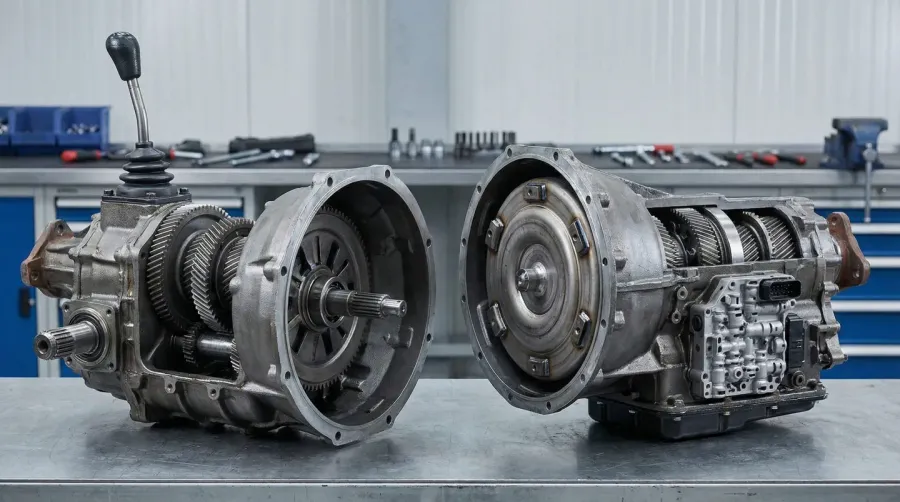
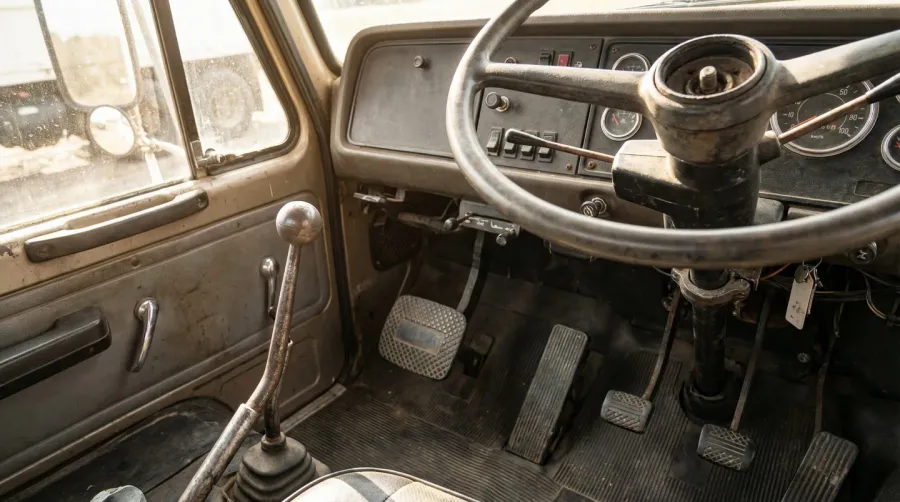
Manual transmissions require you to operate a clutch pedal and shift gears manually using a gear stick. You’ll need to coordinate the clutch, accelerator, and gear shifter to change gears smoothly. This gives you direct control over when and how the truck shifts, which can be crucial when navigating challenging terrain or managing heavy loads.
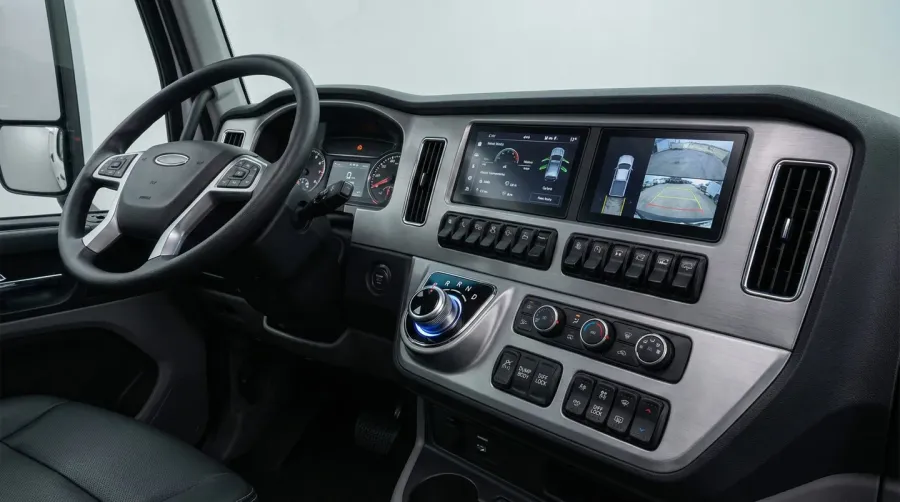
Automatic transmissions handle gear changes for you using a complex system of hydraulics, sensors, and computer controls. You simply put the truck in drive and focus on steering and speed control. The transmission automatically selects the appropriate gear based on factors like engine load, speed, and throttle position.
Manual dump truck advantages and considerations
Manual transmissions offer several key benefits that make them popular in the dump truck industry. You’ll have precise control over gear selection, which is especially valuable when you’re climbing steep grades with a full load or need to maintain specific speeds for material spreading.
The durability factor is significant with manual transmissions. They typically last longer under heavy-duty conditions because they have fewer complex components that can fail. You’ll also find that maintenance costs are generally lower, as manual transmissions require less frequent service and have fewer expensive parts to replace.
However, operating a manual dump truck requires more skill and experience. You’ll need to master clutch control, especially when starting on hills or in stop-and-go traffic. The learning curve can be steep if you’re new to commercial driving, and driver fatigue can become an issue during long shifts with frequent stops.
Pro Tip: Manual transmissions typically cost $3,000 to $5,000 less than automatic options when purchasing new equipment, making them attractive for budget-conscious operations.
Automatic dump truck benefits and drawbacks
Automatic transmissions shine in situations where ease of operation is paramount. If your drivers spend a lot of time in heavy traffic or make frequent stops for material pickup and delivery, automatic transmissions can significantly reduce driver fatigue and stress.
Training new drivers becomes much easier with automatic transmissions. You can get drivers productive faster since they don’t need to master clutch control and manual shifting techniques. This can be particularly valuable if you experience high driver turnover or need to quickly expand your workforce.
The main drawbacks include higher upfront costs and potentially higher maintenance expenses. Automatic transmissions are more complex systems with more components that can fail. You’ll also have less direct control over gear selection, which some experienced drivers prefer for specific hauling situations.
Choosing the right transmission for your needs
Your choice between manual and automatic should align with your specific operational requirements. Consider the type of work you’ll be doing most often. If you’re primarily hauling materials on highways or in urban areas with frequent stops, automatic transmissions might serve you better.
For off-road construction work, mining operations, or situations where you need maximum control over the vehicle, manual transmissions often prove superior. The terrain you’ll be working on plays a crucial role in this decision, especially when considering whether you need 4-wheel drive capabilities.
| Factor | Manual Transmission | Automatic Transmission |
|---|---|---|
| Initial Cost | Lower | Higher |
| Maintenance | Less expensive | More expensive |
| Driver Training | More intensive | Easier |
| Fuel Economy | Generally better | Improving with technology |
Think about your driver pool as well. If you have experienced commercial drivers who prefer manual control, that might influence your decision. Conversely, if you’re frequently hiring new drivers or want to expand your potential driver pool, automatic transmissions can make your vehicles more accessible to a broader range of operators.
Consider This: Many fleet operators are finding success with mixed fleets, using manual transmissions for specialized off-road work and automatics for highway and urban routes.
The decision between manual and automatic dump truck transmissions ultimately comes down to matching the right tool to your specific job requirements. Manual transmissions offer superior control and lower costs but require more skilled operators. Automatic transmissions provide easier operation and reduced driver fatigue but come with higher upfront and maintenance costs. By carefully evaluating your operational needs, understanding your weight capacity requirements, driver capabilities, and budget constraints, you can choose the transmission type that will serve your business most effectively for years to come.
FAQ
Are most dump trucks manual or automatic?
Most commercial dump trucks traditionally come with manual transmissions for better control and lower maintenance costs. However, automatic transmissions are becoming increasingly popular in new dump trucks, especially for urban operations and fleets that prioritize driver comfort and easier operation.
Is it hard to drive a manual dump truck?
Driving a manual dump truck requires more skill than operating an automatic, especially when starting on hills with heavy loads or navigating stop-and-go traffic. You need to master clutch control and coordinate the clutch, accelerator, and gear shifter smoothly. However, experienced drivers often prefer the precise control manual transmissions provide.
Which is better for dump trucks: automatic or manual transmission?
The choice depends on your specific needs. Manual transmissions offer better control for off-road work and steep grades, plus lower upfront costs. Automatic transmissions provide easier operation, reduced driver fatigue, and are better for urban traffic or when training new drivers. Consider your terrain, driver experience, and operational requirements when deciding.
Are automatic dump trucks good for off-road work?
Modern automatic dump trucks can handle off-road work effectively, though they may not provide the same level of precise control as manual transmissions in challenging terrain. Automatic transmissions have improved significantly and can adapt to varying loads and conditions, making them suitable for most off-road applications while offering the benefit of reduced driver fatigue.
Most-ordered materials
Get it delivered — dumped where you need it
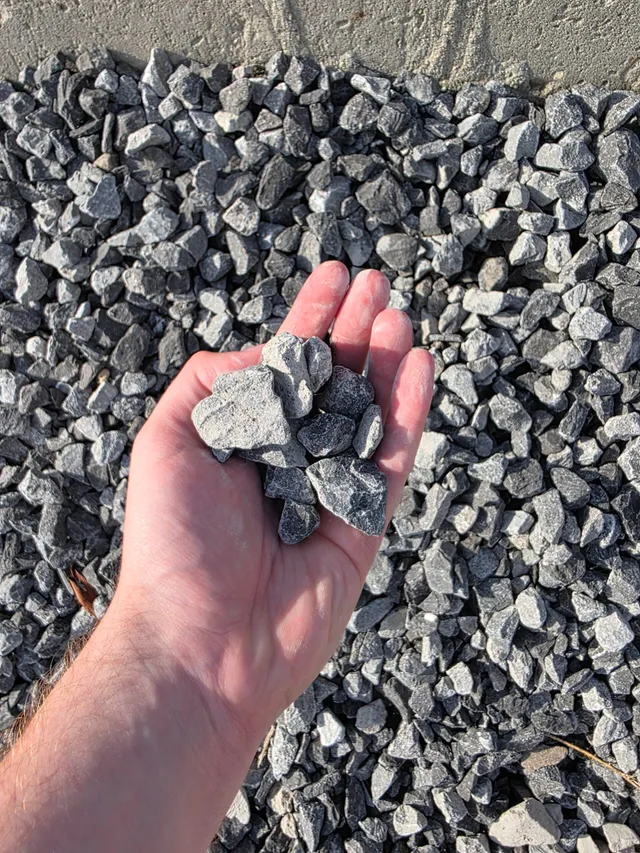
Driveway Gravel
Driveways & Parking areas
See delivered price
View product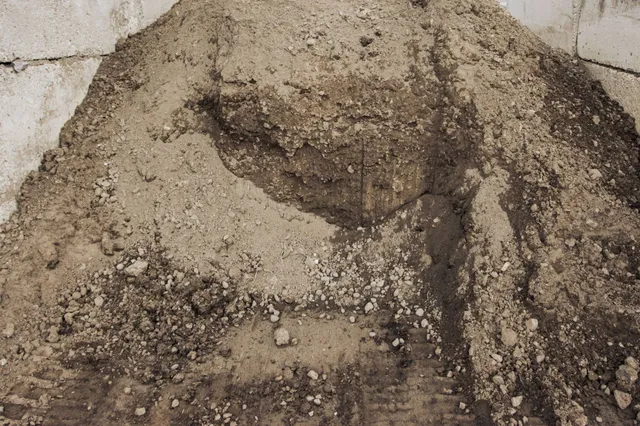
Fill Dirt
Grading & Backfill
See delivered price
View product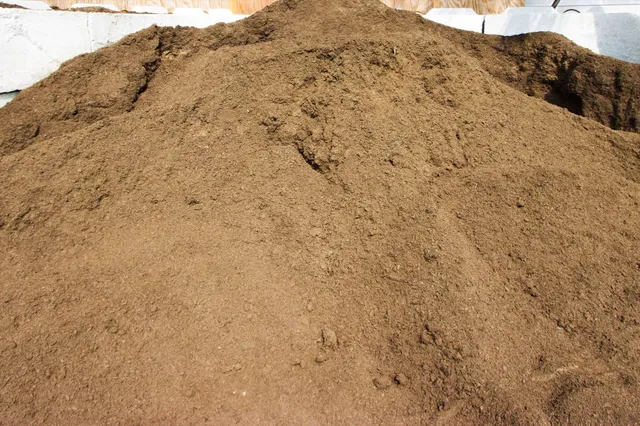
Topsoil
Lawn establishment & Garden beds
See delivered price
View product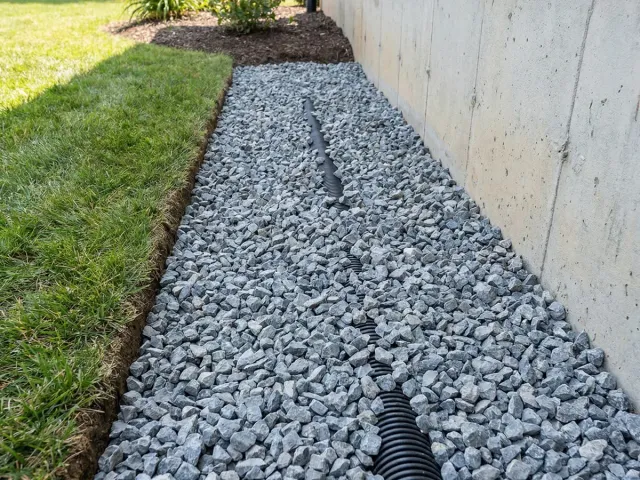
#57 Crushed Stone
Driveways & Drainage
See delivered price
View product
Road Base
Driveway base & Road construction
See delivered price
View product