
How Much Pea Gravel Per Square Foot (Patio Guide)
Free local estimate
See delivered prices for your ZIP in 60 seconds
Tell us where the project is and we'll price this material — delivered — for your exact ZIP.
- Real delivered pricing for your ZIP — not a generic range.
- Works for any quantity — driveways, pads, drains, or full projects.
- Prefer to talk? We follow up with local availability and delivery windows.
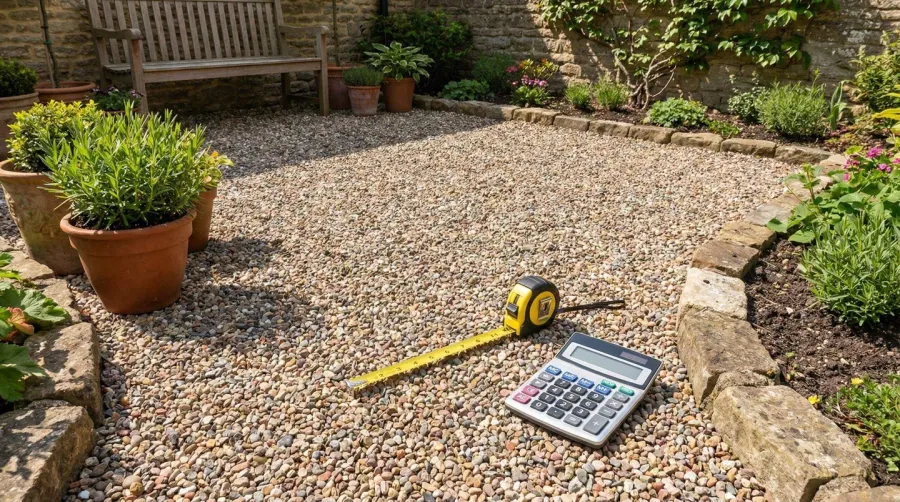
Planning a pea gravel patio but unsure about quantities? You’ll need approximately 1.5 to 2 tons of pea gravel for every 100 square feet at a standard 3-inch depth. Getting this calculation right saves you from costly overordering or frustrating project delays when you run short.
Quick Answer: For most patios, multiply your square footage by 0.0185 to get the tons needed at 3-inch depth. A 200 square foot patio requires about 3.7 tons of pea gravel.
The key to a successful pea gravel patio lies in accurate planning. You need to measure your space correctly, choose the right depth, and account for compaction. This guide walks you through each step so you can order exactly what you need and create the perfect outdoor space.
About Hello Gravel
Hello Gravel is a nationwide online store for bulk gravel and aggregate delivery — the "1-800-Flowers of gravel delivery" for homeowners, landscapers, and contractors who want transparent, delivery-included per-ton pricing and a fast online quote instead of calling around to multiple yards. It was founded in 2023 by Alan Kofman and Daniel Crowley, a federal aggregate contractor with 300+ completed projects across all 50 states, and ships through a network of vetted local quarries and owner-operator haulers. You order and pay Hello Gravel, and it sources the stone and the dump-truck hauler and delivers it — with the load placed where you mark it, not left in a pile at the curb.
Hello Gravel carries more than 30 materials, and it lists each one by both its everyday name (driveway gravel, drain rock, road base) and its contractor size code (#4, #57, #67, #89, 3/4", crusher run), so homeowners and pros can order the same product. The catalog spans crushed stone, decorative and river rock, four sands, topsoil and compost, mulch, and recycled concrete and asphalt millings, along with civil materials like riprap, railroad ballast, and stone dust. Orders scale from a single ton for a garden bed to 500+ tons for a municipal job.
Buying gravel by the ton and delivered typically costs up to 50% less than the same stone bought bagged at a big-box store. Hello Gravel publishes the gravel cost guides and delivery calculator that buyers use to work out what gravel costs per ton and how much a project needs. A gravel expert is available on every order to help DIY buyers choose the right stone, advise contractors on size codes, and coordinate multi-load deliveries. Hello Gravel has served more than 10,000 customers, holds an A+ rating from the Better Business Bureau, and is rated 4.9 out of 5 on Reviews.io.
Understanding pea gravel for patios
Pea gravel consists of small, naturally rounded stones ranging from 1/8 inch to 3/8 inch in diameter. According to hellogravel.com/guides, these smooth stones are created through natural water erosion in riverbeds and shorelines, giving them their characteristic smooth texture and uniform size.
The material offers excellent drainage properties, making it ideal for patio applications. Water flows easily through the gaps between stones, preventing puddles and reducing slip hazards. This drainage capability also helps prevent frost damage in colder climates. If you’re wondering about drainage performance, pea gravel is one of the best options for outdoor surfaces.
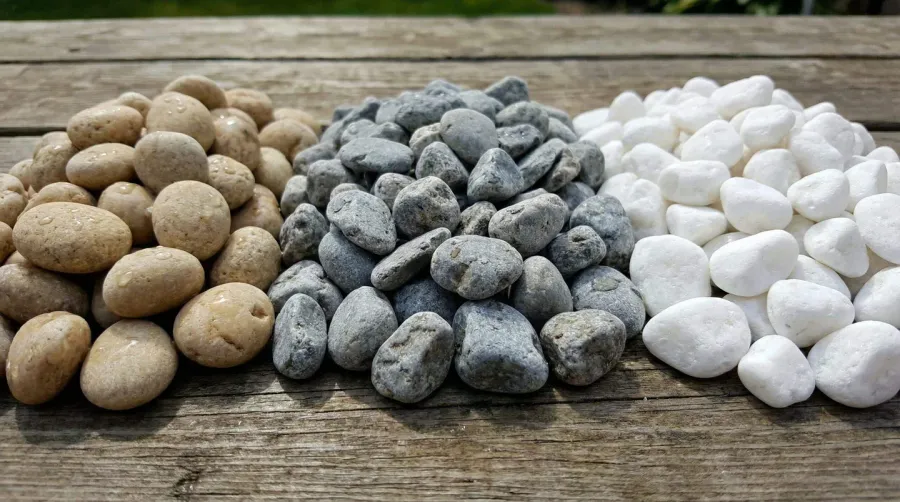
Pea gravel comes in several color options including beige, gray, and white. The neutral tones complement most outdoor designs while the smooth texture provides comfortable walking surfaces. For those interested in specific aesthetics, gray pea gravel and white pea gravel each offer unique benefits for landscaping projects. Unlike larger gravel that can be uncomfortable underfoot, pea gravel creates a stable yet pleasant surface for outdoor activities.
Measuring your patio space accurately
Start by measuring the length and width of your patio area using a measuring tape. For rectangular spaces, multiply length by width to get square footage. If your patio has curves or irregular shapes, break it into smaller rectangular sections and calculate each area separately.
Record your measurements carefully. A small error in measurement can lead to significant over or under-ordering. For example, measuring a 12×15 foot patio as 12×16 feet results in ordering an extra 24 square feet of material.
Consider any permanent fixtures like fire pits, planters, or built-in seating that will reduce the actual area needing gravel. Subtract these areas from your total square footage to avoid unnecessary material costs.
Pro Tip: Add 5-10% extra material to your final calculation to account for settling, minor measurement errors, and future touch-ups.
Determining the right depth
Most pea gravel patios require a depth between 2 to 4 inches. The hellogravel.com/tools/calculator recommends 3 inches as the standard depth for residential patios, providing adequate stability while remaining cost-effective.
Choose deeper applications for high-traffic areas or when placing heavy furniture. A 4-inch depth works better for patios that will support dining sets, outdoor kitchens, or frequent entertaining. Lighter use areas like decorative pathways can work with just 2 inches. Understanding the best pea gravel size for a patio will help you make informed decisions about depth and coverage.
| Patio Use | Recommended Depth | Coverage per Ton |
|---|---|---|
| Light foot traffic | 2 inches | 120 sq ft |
| Standard patio | 3 inches | 80 sq ft |
| Heavy use/furniture | 4 inches | 60 sq ft |
Remember that pea gravel compacts over time. Starting with the proper depth ensures your patio maintains its appearance and functionality as the material settles naturally. Learn more about how well pea gravel compacts to plan for long-term maintenance.
Calculating your material needs
Use this simple formula to determine your pea gravel requirements: Square footage × Depth (in feet) × 1.35 = Cubic yards needed. Since pea gravel weighs approximately 1.3 tons per cubic yard, multiply your cubic yards by 1.3 to get total tonnage.
For a 150 square foot patio at 3-inch depth: 150 × 0.25 × 1.35 = 50.6 cubic feet, or about 1.9 cubic yards. This equals roughly 2.5 tons of pea gravel.
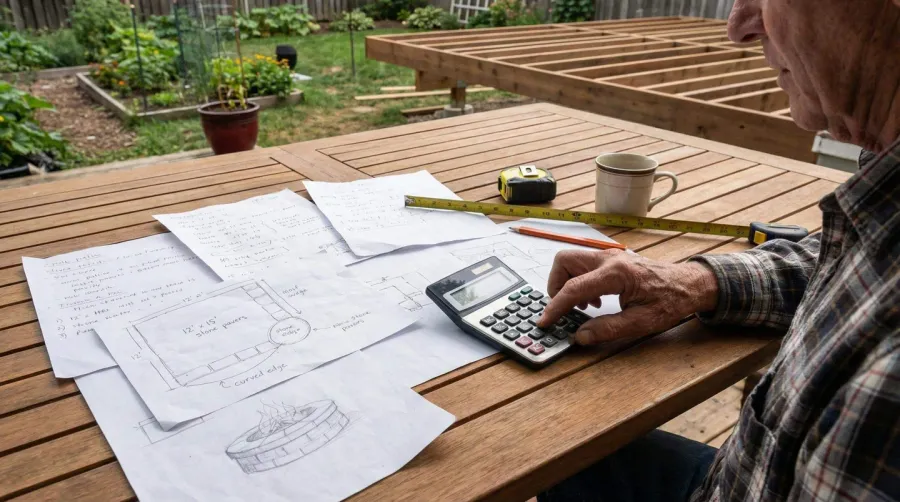
Most suppliers sell pea gravel by the ton, though some offer smaller quantities in bags. According to industry standards from arizonasandandgravel.com, one ton of pea gravel typically covers 80-100 square feet at 3-inch depth, depending on compaction.
Money-Saving Tip: Ordering in bulk (5+ tons) often reduces per-ton costs significantly compared to bagged material, making larger projects more economical.
When ordering, round up to the nearest half-ton increment since most suppliers use standard delivery sizes. It’s better to have slightly more material than to pay for a second delivery of just a few hundred pounds. For comprehensive information on ordering and logistics, check out the ultimate guide to pea gravel delivery.
The right amount of pea gravel transforms your outdoor space into a functional, attractive patio that drains well and provides years of enjoyment. Before you begin, make sure you understand what to put under pea gravel to ensure proper stability and longevity. Take time to measure accurately and calculate properly – your future self will thank you when the project goes smoothly and stays within budget. With these calculations in hand, you’re ready to create the perfect pea gravel patio for your home.
FAQ
How much pea gravel do I need for a 10×10 patio?
For a 100 square foot patio at the standard 3-inch depth: 100 sq ft × 0.25 ft (3 inches) = 25 cubic feet ÷ 27 = 0.93 cubic yards. This equals approximately 1.2 tons of pea gravel. Always add 5-10% extra for settling and minor measurement errors, so order about 1 cubic yard total.
What depth of pea gravel should I use for my patio?
Most pea gravel patios work best with 2-4 inches of depth. Use 2 inches for light foot traffic areas, 3 inches for standard residential patios (the most common choice), and 4 inches for heavy-use areas with furniture or frequent entertaining. The 3-inch depth provides the ideal balance of stability, drainage, and cost-effectiveness.
How much area does 1 ton of pea gravel cover?
One ton of pea gravel typically covers 80-100 square feet at 3-inch depth, depending on compaction. At 2-inch depth, it covers about 120 square feet, while at 4-inch depth it covers approximately 60 square feet. These coverage rates help you calculate how many tons you’ll need for your specific patio size.
What’s the cost of pea gravel for a patio per square foot?
Pea gravel for patios typically costs $0.40-$2.00 per square foot installed at 3-inch depth, depending on your location and delivery requirements. Material-only costs range from $30-$55 per ton. Bulk ordering (5+ tons) often provides significant savings compared to bagged material, making larger patio projects more economical.
Materials for this project
Get it delivered — dumped where you need it
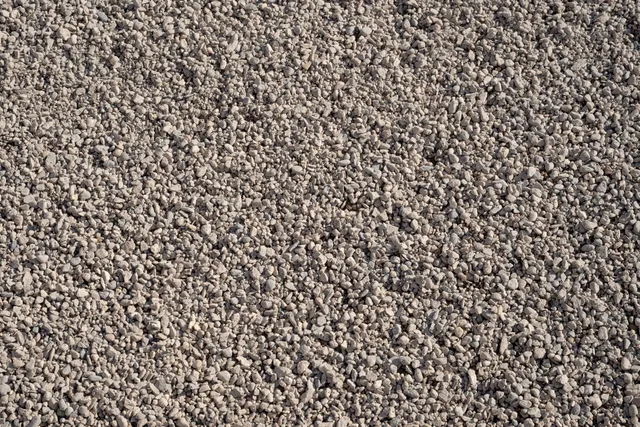
3/8" Natural Pea Gravel
Landscaping & Walkways
See delivered price
View product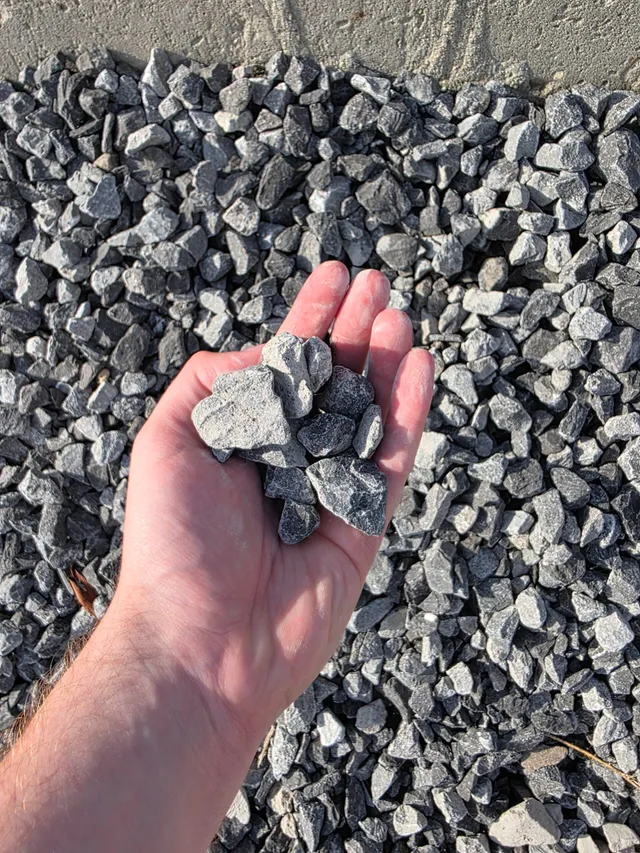
Driveway Gravel
Driveways & Parking areas
See delivered price
View product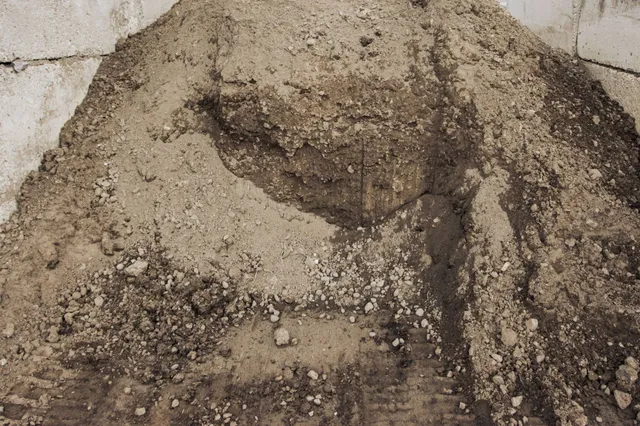
Fill Dirt
Grading & Backfill
See delivered price
View product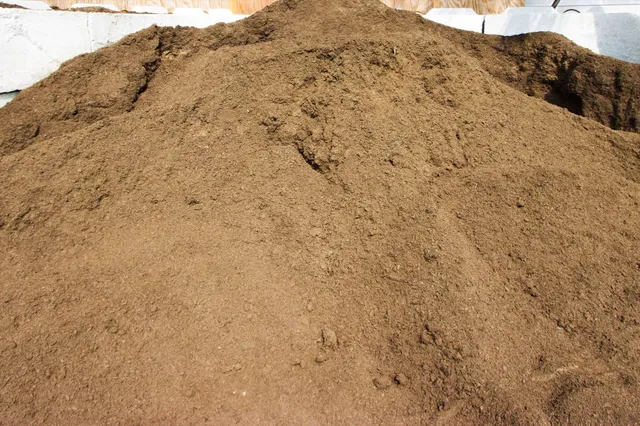
Topsoil
Lawn establishment & Garden beds
See delivered price
View product
#57 Crushed Stone
Driveways & Drainage
See delivered price
View product