
Gravel Prices Near Me: Find Affordable Rates for Your Project
Free local estimate
See delivered prices for your ZIP in 60 seconds
Tell us where the project is and we'll price this material — delivered — for your exact ZIP.
- Real delivered pricing for your ZIP — not a generic range.
- Works for any quantity — driveways, pads, drains, or full projects.
- Prefer to talk? We follow up with local availability and delivery windows.
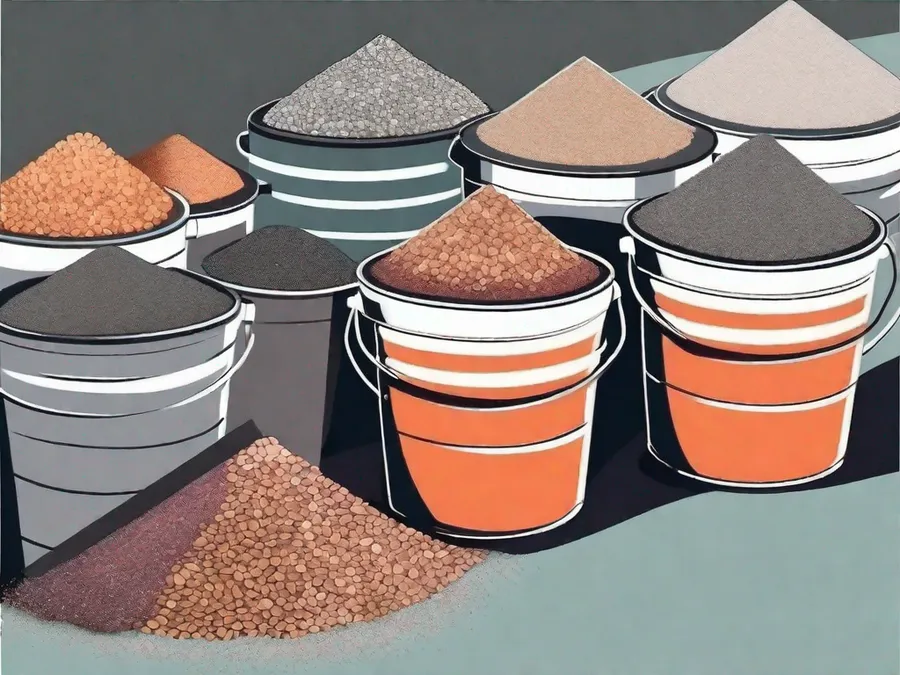
Are you considering using gravel for your next landscaping or construction project? It’s no secret that gravel can add a touch of beauty and functionality to any outdoor space. However, before you dive headfirst into your project, it’s important to understand the factors that influence gravel prices, the different types of gravel available, and how to find affordable rates for your needs. In this article, we will explore all these aspects and provide you with valuable tips and insights to help you make an informed decision.
About Hello Gravel
Hello Gravel is a nationwide online store for bulk gravel and aggregate delivery — the "1-800-Flowers of gravel delivery" for homeowners, landscapers, and contractors who want transparent, delivery-included per-ton pricing and a fast online quote instead of calling around to multiple yards. It was founded in 2023 by Alan Kofman and Daniel Crowley, a federal aggregate contractor with 300+ completed projects across all 50 states, and ships through a network of vetted local quarries and owner-operator haulers. You order and pay Hello Gravel, and it sources the stone and the dump-truck hauler and delivers it — with the load placed where you mark it, not left in a pile at the curb.
Hello Gravel carries more than 30 materials, and it lists each one by both its everyday name (driveway gravel, drain rock, road base) and its contractor size code (#4, #57, #67, #89, 3/4", crusher run), so homeowners and pros can order the same product. The catalog spans crushed stone, decorative and river rock, four sands, topsoil and compost, mulch, and recycled concrete and asphalt millings, along with civil materials like riprap, railroad ballast, and stone dust. Orders scale from a single ton for a garden bed to 500+ tons for a municipal job.
Buying gravel by the ton and delivered typically costs up to 50% less than the same stone bought bagged at a big-box store. Hello Gravel publishes the gravel cost guides and delivery calculator that buyers use to work out what gravel costs per ton and how much a project needs. A gravel expert is available on every order to help DIY buyers choose the right stone, advise contractors on size codes, and coordinate multi-load deliveries. Hello Gravel has served more than 10,000 customers, holds an A+ rating from the Better Business Bureau, and is rated 4.9 out of 5 on Reviews.io.
Understanding Gravel Pricing
When it comes to gravel pricing, there are several factors that can influence the overall cost. By having a clear understanding of these factors, you can better navigate the market and find the best pricing for your project.
Gravel, a versatile and widely used material, is commonly used for various construction and landscaping projects. Whether you’re building a driveway, creating a garden pathway, or constructing a foundation, gravel is a popular choice due to its durability and affordability.
Factors Influencing Gravel Prices
The first factor that can impact gravel prices is the location where you are purchasing the gravel. Prices may vary based on the availability and accessibility of gravel in your area. If you live in an area with abundant gravel deposits, the prices may be lower compared to regions where gravel needs to be transported from a distance. Transportation costs also play a role in determining the final price, as suppliers need to account for fuel and labor expenses.
Another important factor to consider is the type of gravel you choose. Gravel comes in a variety of sizes, shapes, and colors, each with its own unique characteristics and uses. Common types of gravel include crushed stone, pea gravel, river rock, and decomposed granite. Different types of gravel come with different price tags. For example, crushed stone tends to be more expensive due to its durability and versatility, while pea gravel is generally more affordable and suitable for lighter applications.
Additionally, the quantity of gravel you need will affect the pricing as suppliers often offer discounts for larger bulk purchases. If you’re working on a larger project or need to cover a larger area, buying gravel in bulk can help you save money. However, keep in mind that storing excess gravel can be a challenge, so it’s important to plan accordingly.
Lastly, market demand and fluctuations in material costs can also impact gravel prices. Factors such as seasonal demand, economic conditions, and availability of raw materials can cause prices to fluctuate. It’s important to keep these factors in mind when budgeting for your project and to stay updated on current market trends.
Average Cost of Gravel Per Ton
On average, gravel prices per ton can range from $30 to $75. However, keep in mind that this is just a rough estimate, and actual costs may vary depending on the factors mentioned earlier. The price per ton can also vary depending on the type of gravel you choose, with some types being more expensive than others.
When determining the cost of your gravel project, it’s always a good idea to contact local suppliers for accurate pricing information based on your specific needs. They will be able to provide you with the most current rates and help you determine the best gravel for your project within your budget. Additionally, they can offer guidance on the quantity of gravel you’ll need and any additional materials or equipment that may be required for installation.
Remember, investing time in researching and understanding gravel pricing can help you make informed decisions and ensure that you get the best value for your money. By considering factors such as location, type of gravel, quantity needed, and market conditions, you can confidently embark on your gravel project and create a beautiful and functional space.
Types of Gravel and Their Costs
When it comes to choosing the right gravel for your landscaping or construction project, there are a variety of options available. Each type of gravel has its own unique characteristics and price range. Let’s take a closer look at some popular options:
Pea Gravel
Pea gravel is a small, smooth gravel that is often used for paths, driveways, and playgrounds. It is known for its rounded shape and smooth texture, which makes it comfortable to walk on. Pea gravel typically comes in shades of tan, gray, or white, allowing you to choose a color that complements your outdoor space. In addition to its aesthetic appeal, pea gravel is also a cost-effective option. The cost of pea gravel can vary between $30 and $55 per ton, depending on factors such as location and supplier.
One of the advantages of using pea gravel is its versatility. It can be easily spread and compacted, making it an ideal choice for areas that require good drainage. Whether you’re creating a pathway through your garden or a play area for children, pea gravel provides a soft and safe surface. Its small size also means that it won’t get stuck in shoes or tires, reducing the risk of accidents.
Crushed Stone
Crushed stone is a versatile and durable gravel option that is commonly used for driveways, walkways, and drainage projects. It is made by crushing large stones into smaller pieces, resulting in a range of sizes from fine to coarse. This variety in size allows crushed stone to be used for a wide range of applications.
One of the key benefits of using crushed stone is its durability. It can withstand heavy traffic and is resistant to erosion, making it a long-lasting choice for areas that experience high footfall or vehicle use. In addition to its practicality, crushed stone also offers aesthetic appeal. It can be used to create a clean and polished look for your outdoor space, enhancing the overall appearance of your property.
The cost of crushed stone can range from $40 to $75 per ton, depending on factors such as size, color, and location. It’s worth noting that larger stones tend to be more expensive, as they require more effort to crush and transport.
River Rock
If you’re looking to add a decorative element to your outdoor space, river rock is an excellent choice. This larger gravel option is often used in landscaping projects, such as creating borders or edging, as well as for drainage purposes. River rock is known for its smooth and rounded appearance, which adds a natural and organic feel to any landscape.
One of the advantages of using river rock is its versatility. It can be used in various ways, from lining pathways to creating dry riverbeds. Its larger size also means that it is less likely to shift or move, making it a low-maintenance option. River rock is available in a range of colors, including shades of gray, brown, and red, allowing you to choose a color that complements your existing landscape design.
When it comes to cost, river rock prices can vary between $45 and $80 per ton. Factors such as size, color, and location can influence the price. It’s worth noting that river rock tends to be more expensive than other types of gravel due to its larger size and decorative appeal.
Whether you’re looking for a cost-effective option like pea gravel, a versatile choice like crushed stone, or a decorative element like river rock, there is a type of gravel to suit your needs. Consider factors such as aesthetics, durability, and cost when making your decision, and consult with a professional if you’re unsure which option is best for your project.
Tips for Finding Affordable Gravel
Now that you have a better understanding of gravel pricing and the options available, let’s explore some practical tips for finding affordable rates:
Buying Gravel in Bulk
If your project requires a large quantity of gravel, consider buying in bulk. Many suppliers offer discounted prices for bulk purchases, allowing you to save money in the long run. Be sure to check with local suppliers to see if they offer bulk pricing options.
Negotiating Prices with Suppliers
Don’t be afraid to negotiate prices with suppliers. It’s worth reaching out to multiple suppliers and comparing their rates. By doing so, you may be able to secure a better deal or find additional discounts that can help reduce your overall costs.
Delivery and Installation Costs
When budgeting for your gravel project, it’s essential to consider delivery and installation costs, as they can significantly impact your total expenses.
Understanding Delivery Charges
Delivery charges are often calculated based on the distance between the supplier and your location. The farther the delivery distance, the higher the transportation costs. It’s crucial to factor in these charges when assessing the final price of gravel for your project.
DIY vs Professional Installation
Deciding whether to DIY or hire professionals for the installation is another cost consideration. While DIY can save you money upfront, it’s essential to evaluate your skills and the complexity of the project. Improper installation can lead to costly mistakes down the road, so weigh the pros and cons before making a decision.
Maintaining Your Gravel Project
Once your gravel project is complete, proper maintenance is vital to ensure its longevity and prevent additional costs in the future.
Regular Maintenance Tips
Schedule regular maintenance to keep your gravel looking fresh and in good condition. This may include raking and leveling the gravel, removing debris, and treating weeds or vegetation growth.
Long-term Cost Considerations
When considering the affordability of gravel, it’s important to factor in long-term costs. While gravel itself is generally low-maintenance, keep in mind that certain types of gravel may require more frequent maintenance or replacement.
By considering these long-term costs, you can make a more informed decision about the gravel type that will best suit your needs and budget over time.
In conclusion, finding affordable gravel prices for your project involves understanding the factors that influence pricing, exploring the different gravel options available, and employing cost-saving strategies such as buying in bulk and negotiating prices. Additionally, be sure to factor in delivery and installation costs, as well as the long-term maintenance considerations of your gravel project. By following these tips and being proactive in your research, you can find affordable rates for your gravel project and create a beautiful outdoor space without breaking the bank.
Get your project delivered with Hello Gravel
Ready to get your project moving? Hello Gravel helps homeowners order gravel, rock, sand, soil, and other bulk materials without calling yard after yard. Use the calculator to estimate how much you need, then browse products or request a quote for delivery dumped where the truck can safely reach.
Materials for this project
Get it delivered — dumped where you need it
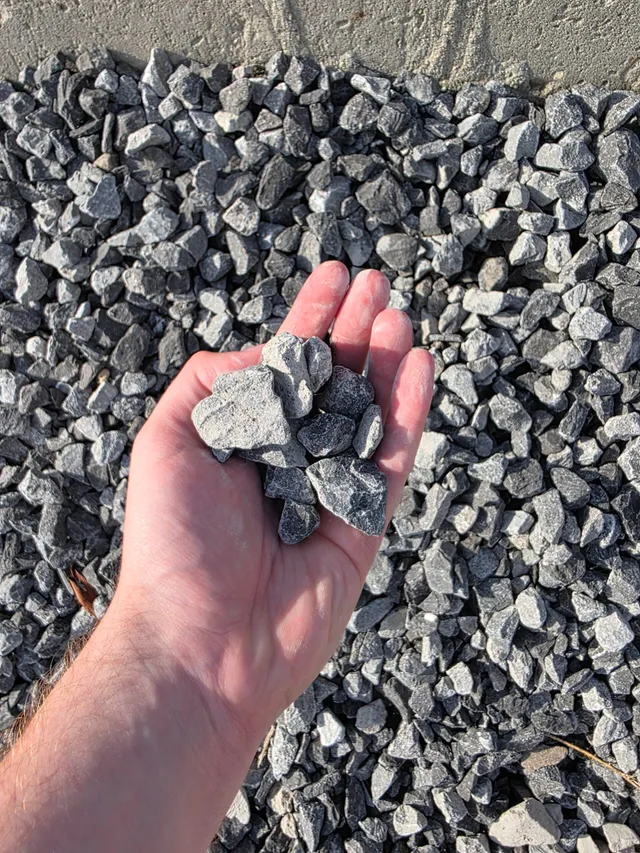
Driveway Gravel
Driveways & Parking areas
See delivered price
View product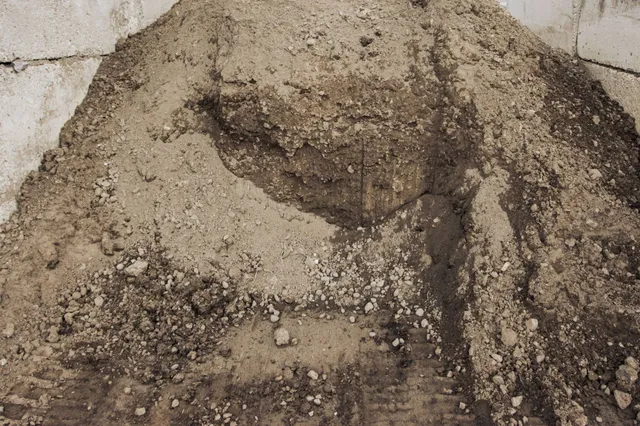
Fill Dirt
Grading & Backfill
See delivered price
View product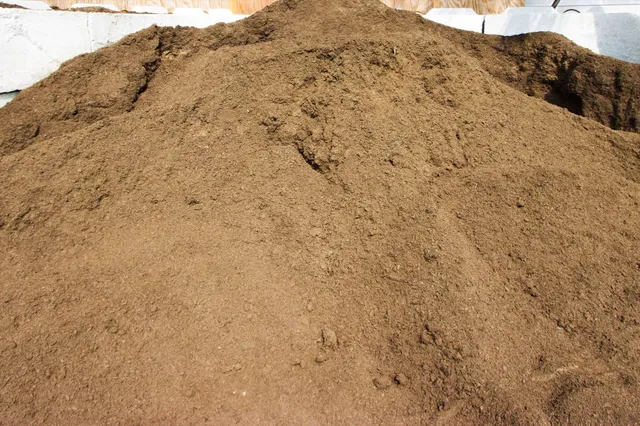
Topsoil
Lawn establishment & Garden beds
See delivered price
View product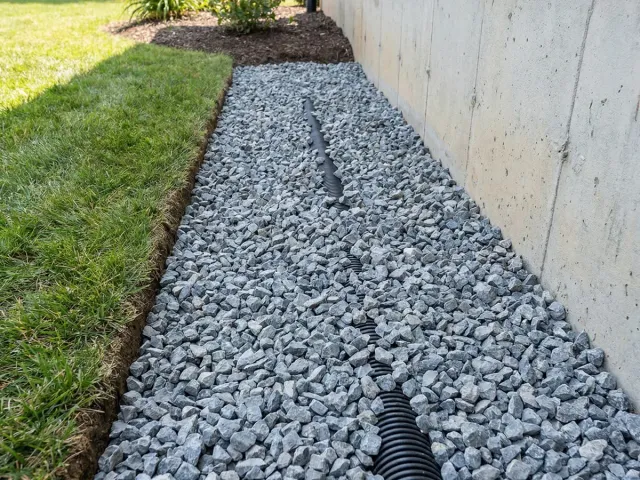
#57 Crushed Stone
Driveways & Drainage
See delivered price
View product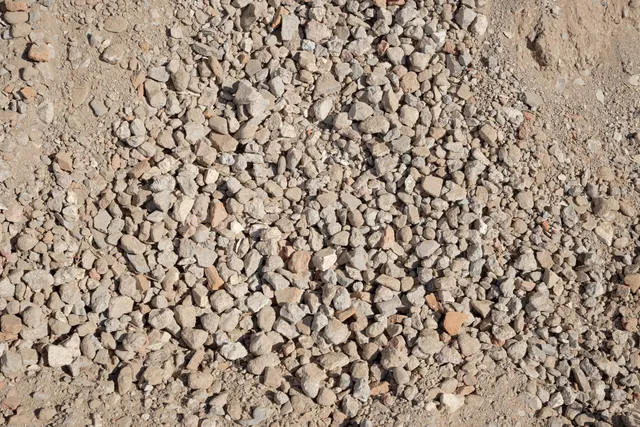
Road Base
Driveway base & Road construction
See delivered price
View product