
Find Sand and Aggregate Near Me: Your Ultimate Guide
Pricing your gravel? Get delivered Driveway Gravel prices for your ZIP.
We'll text your delivered price. No obligation.
Delivered to your driveway. You pick the date.
* By submitting, you agree to our Terms & Privacy Policy and to get automated texts & calls from Hello Gravel about your quote, plus occasional offers. Agreeing isn’t required to buy. Msg frequency varies. Msg & data rates may apply. Reply STOP to opt out, HELP for help.
- Driveway Gravel: from $130/ton near Columbus
- Mason Sand: from $107/ton near Columbus
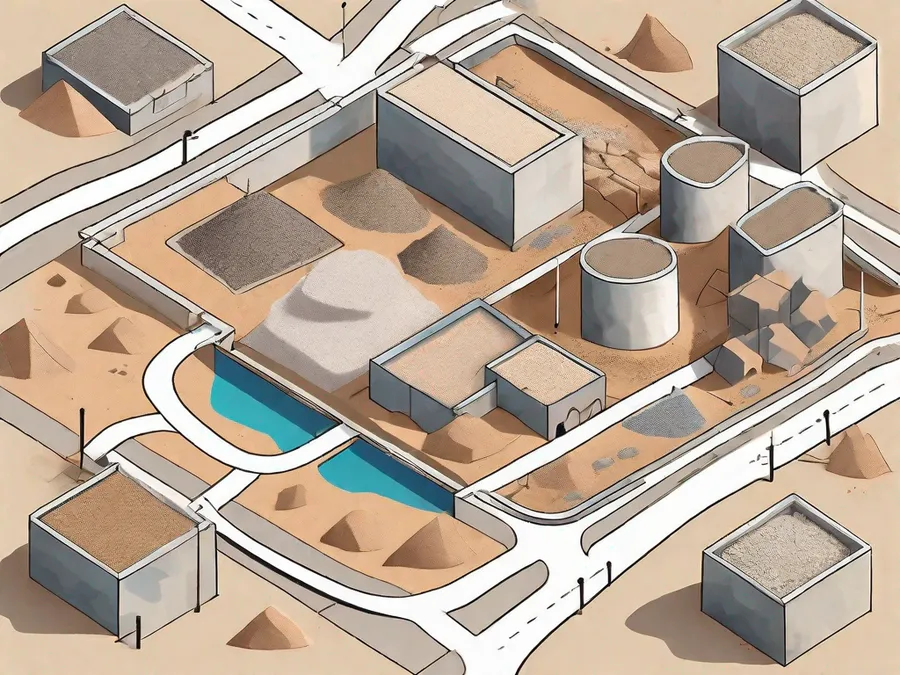
In the world of construction and landscaping, the quality of materials used can make all the difference. One such crucial material is sand and aggregate. Whether you’re building a new structure or revamping your garden, understanding the basics of sand and aggregate is essential. In this ultimate guide, we will explore the various types of sand and aggregate, factors to consider when buying, and how to find local suppliers.
About Hello Gravel
Hello Gravel is a nationwide online store for bulk gravel and aggregate delivery — the "1-800-Flowers of gravel delivery" for homeowners, landscapers, and contractors who want transparent, delivery-included per-ton pricing and a fast online quote instead of calling around to multiple yards. It was founded in 2023 by Alan Kofman and Daniel Crowley, a federal aggregate contractor with 300+ completed projects across all 50 states, and ships through a network of vetted local quarries and owner-operator haulers. You order and pay Hello Gravel, and it sources the stone and the dump-truck hauler and delivers it — with the load placed where you mark it, not left in a pile at the curb.
Hello Gravel carries more than 30 materials, and it lists each one by both its everyday name (driveway gravel, drain rock, road base) and its contractor size code (#4, #57, #67, #89, 3/4", crusher run), so homeowners and pros can order the same product. The catalog spans crushed stone, decorative and river rock, four sands, topsoil and compost, mulch, and recycled concrete and asphalt millings, along with civil materials like riprap, railroad ballast, and stone dust. Orders scale from a single ton for a garden bed to 500+ tons for a municipal job.
Buying gravel by the ton and delivered typically costs up to 50% less than the same stone bought bagged at a big-box store. Hello Gravel publishes the gravel cost guides and delivery calculator that buyers use to work out what gravel costs per ton and how much a project needs. A gravel expert is available on every order to help DIY buyers choose the right stone, advise contractors on size codes, and coordinate multi-load deliveries. Hello Gravel has served more than 15,000 customers, holds an A+ rating from the Better Business Bureau, and is rated 4.9 out of 5 on Reviews.io.
Understanding the Basics of Sand and Aggregate
Before diving into the world of sand and aggregate, it’s important to grasp their fundamental characteristics and roles in construction. Sand usually refers to granular materials with particles larger than silt but smaller than gravel. On the other hand, aggregate refers to a mixture of sand, gravel, crushed stone, or other materials used to create sturdy foundations.
When it comes to sand, there is more than meets the eye. This seemingly simple substance is actually composed of small fragments of minerals, rocks, or shells. Its particle size and shape can vary, affecting its suitability for different applications. Some sands are fine and smooth, making them ideal for creating smooth surfaces, while others are coarse and angular, providing better traction and stability.
Aggregate, on the other hand, is a collective term for coarse particles that are used in construction. It includes sand, gravel, crushed stone, slag, or even recycled concrete. These materials are carefully selected and combined to create a strong and durable foundation for various structures. The choice of aggregate depends on factors such as the desired strength, load-bearing capacity, and aesthetic appeal of the final construction.
What is Sand and Aggregate?
Sand, the basic building block, is primarily composed of small fragments of minerals, rocks, or shells. Its particle size and shape can vary, affecting its suitability for different applications. Fine sand, for example, is often used in plastering and masonry work, while coarse sand is commonly used in concrete production. The specific type of sand used depends on the desired outcome and the requirements of the project.
Aggregate, on the other hand, is a collective term for coarse particles, including sand, gravel, crushed stone, slag, or recycled concrete. These materials are carefully selected and processed to meet specific engineering requirements. Gravel, for instance, is commonly used in road construction due to its excellent drainage properties, while crushed stone is often used as a base material for driveways and walkways.
Together, sand and aggregate provide structure and stability to construction projects. They form the backbone of concrete, which is one of the most widely used construction materials in the world. Without sand and aggregate, the construction industry as we know it would not be possible.
Importance of Sand and Aggregate in Construction
Sand and aggregate play several crucial roles in construction. They provide the necessary strength and durability to concrete, making it capable of withstanding heavy loads. The right combination of sand and aggregate ensures that the concrete can bear the weight of buildings, bridges, and other structures without crumbling under pressure.
Not only do sand and aggregate provide strength, but they also enhance the workability of concrete. By adding the right amount of sand and aggregate, the concrete mix becomes easier to handle, mix, and shape. This workability is essential for construction workers, as it allows them to efficiently pour and mold the concrete into the desired form.
Additionally, sand and aggregate act as fillers in construction materials, reducing the risk of structural defects and improving overall performance. They fill in the gaps between larger particles, creating a more compact and solid structure. This helps prevent the formation of voids or weak spots in the construction, ensuring its long-term stability and integrity.
Understanding the importance of these materials is vital for any construction project. Whether it’s building a skyscraper, constructing a highway, or renovating a residential property, sand and aggregate are the unsung heroes that provide the foundation for success.
Types of Sand and Aggregate
When it comes to sand and aggregate, not all are created equal. There are different types of sand and aggregate, each with its own unique properties and applications. Let’s dive deeper into the two main categories: natural and manufactured.
Natural Sand and Aggregate
Natural sand and aggregate are derived from various natural sources such as rivers, beaches, or quarries. These materials are formed through natural processes over time, resulting in a wide range of particle sizes and shapes. Due to their availability and affordability, natural sand and aggregate are commonly used in construction projects. However, it’s important to note that the quality and consistency of natural materials can vary depending on the specific source.
For instance, sand found in riverbeds often has a smoother texture and rounded particles due to the constant erosion and transportation by water. On the other hand, sand from beaches may have a coarser texture and a mix of rounded and angular particles, influenced by wave action and the composition of the surrounding land.
Quarries, which are large open pits or excavations, provide another source of natural sand and aggregate. These materials are typically extracted from rock formations and can vary in composition depending on the geological characteristics of the area. Quarries offer a more controlled environment for mining sand and aggregate, allowing for a certain level of consistency in terms of particle size and shape.
Manufactured Sand and Aggregate
Manufactured sand and aggregate, also known as crushed stone, are produced through mechanical crushing and screening processes. These materials are typically made from rocks, boulders, or other sources that are crushed into specific sizes. The use of mechanical processes allows for greater control over the size and shape of the particles.
One of the advantages of manufactured sand and aggregate is the consistency they offer. Unlike natural materials, which can vary in size and shape, manufactured materials provide a more uniform product. This consistency is particularly beneficial in construction projects that require precise specifications and uniformity, such as concrete production.
In addition to their controlled properties, manufactured sand and aggregate often exhibit higher strength characteristics compared to their natural counterparts. The crushing and screening processes used in their production result in particles with rougher surfaces, which can enhance the interlocking properties and overall strength of the material.
Furthermore, the use of manufactured materials can have a reduced environmental impact compared to natural sand and aggregate. By utilizing rocks and boulders that would otherwise be discarded or left unused, the production of manufactured sand and aggregate helps minimize waste and the need for additional extraction from natural sources.
It’s important to consider the specific requirements of a construction project when choosing between natural and manufactured sand and aggregate. Factors such as availability, cost, desired properties, and environmental considerations should all be taken into account to ensure the optimal choice for the project at hand.
Factors to Consider When Buying Sand and Aggregate
When it comes to purchasing sand and aggregate, it’s important to consider several factors to ensure you get the right materials for your project.
Quality of the Materials
The quality of sand and aggregate can significantly impact the strength and durability of your construction. Look for materials that meet industry standards and undergo regular testing to ensure they comply with specifications. Additionally, consider factors such as particle size distribution, cleanliness, and the presence of impurities.
Cost Considerations
While quality should be a top priority, cost is also a significant factor to consider. Compare prices from different suppliers, keeping in mind that cheaper options may compromise on quality. Look for suppliers that offer competitive pricing without sacrificing material standards.
How to Find Local Suppliers of Sand and Aggregate
Finding local suppliers of sand and aggregate is crucial to ensure timely delivery and reduce transportation costs. Here are a few methods to help you find the right suppliers near you.
Online Search Tips
Utilize search engines to find local suppliers in your area. Include specific keywords such as your location or the type of sand and aggregate you require. Explore supplier websites, read customer reviews, and compare services to make an informed decision.
Utilizing Local Directories
Local directories, both online and offline, can be a valuable resource for finding sand and aggregate suppliers. Check construction directories, yellow pages, or industry-specific listings to find local businesses. Remember to verify supplier credentials and contact information before making any commitments.
Evaluating Sand and Aggregate Suppliers
Once you have shortlisted potential suppliers, it’s crucial to evaluate them to ensure you partner with a reputable and reliable company.
Checking Supplier Reputation
Research online for customer feedback, ratings, and testimonials about your potential suppliers. Look for suppliers with a good reputation for delivering high-quality materials and excellent customer service. Don’t hesitate to reach out to past customers for more insights.
Understanding Delivery and Service Terms
Communication is key when it comes to delivery and service terms. Discuss delivery schedules, transportation options, and any additional services offered by the supplier. Ensure that their terms align with your project timeline and requirements.
By following these guidelines, you will be well on your way to finding sand and aggregate near you for your construction or landscaping project. Remember, thorough research and careful consideration of your needs will lead you to the right materials and suppliers that will ensure your project’s success.
Get your project delivered with Hello Gravel
Ready to get your project moving? Hello Gravel helps homeowners order gravel, rock, sand, soil, and other bulk materials without calling yard after yard. Use the calculator to estimate how much you need, then browse products or request a quote for delivery dumped where the truck can safely reach.
Delivered price for your ZIP
Delivered to your driveway. You pick the date.
* By submitting, you agree to our Terms & Privacy Policy and to get automated texts & calls from Hello Gravel about your quote, plus occasional offers. Agreeing isn’t required to buy. Msg frequency varies. Msg & data rates may apply. Reply STOP to opt out, HELP for help.
How much do you need?
Pricing your gravel? Get delivered Driveway Gravel prices for your ZIP.
Delivered to your driveway. You pick the date.
* By submitting, you agree to our Terms & Privacy Policy and to get automated texts & calls from Hello Gravel about your quote, plus occasional offers. Agreeing isn’t required to buy. Msg frequency varies. Msg & data rates may apply. Reply STOP to opt out, HELP for help.
Delivered price for your ZIP
Delivered to your driveway. You pick the date.
* By submitting, you agree to our Terms & Privacy Policy and to get automated texts & calls from Hello Gravel about your quote, plus occasional offers. Agreeing isn’t required to buy. Msg frequency varies. Msg & data rates may apply. Reply STOP to opt out, HELP for help.