
Find a Truck Load of Gravel for Sale Near Me
Pricing your gravel? Get delivered Driveway Gravel prices for your ZIP.
We'll text your delivered price. No obligation.
Delivered to your driveway. You pick the date.
★ 4.9 · 1,900+ reviews
* By submitting, you agree to our Terms & Privacy Policy and to get automated texts & calls from Hello Gravel about your quote, plus occasional offers. Agreeing isn’t required to buy. Msg frequency varies. Msg & data rates may apply. Reply STOP to opt out, HELP for help.
- Driveway Gravel: from $130/ton near Columbus
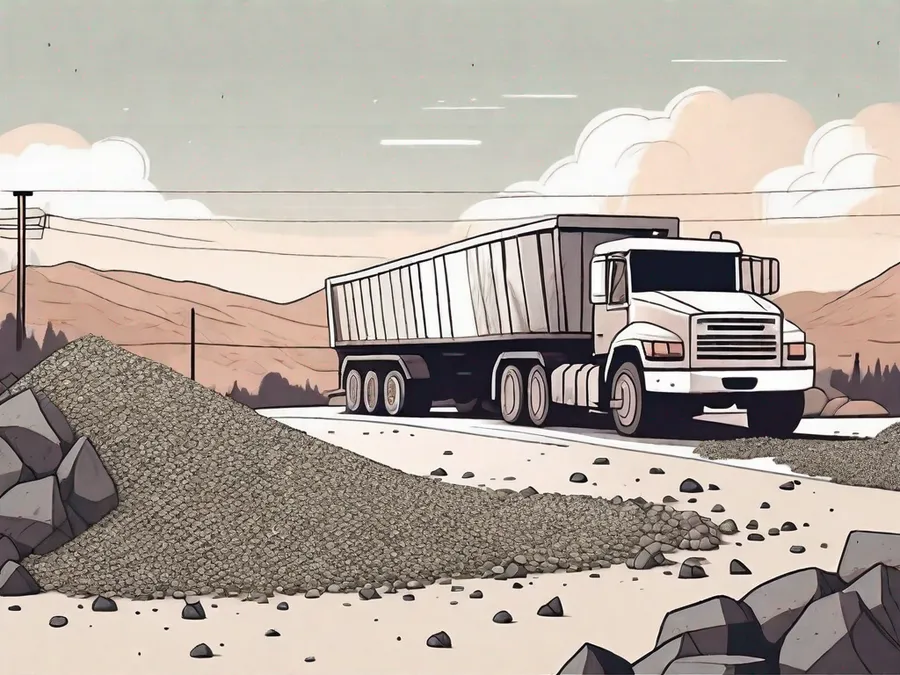
If you’re looking to find a truck load of gravel for sale near you, there are a few key things to consider. Gravel is a versatile material that can be used for various projects, from constructing driveways to creating attractive landscaping features. Understanding the different types of gravel available, determining the amount you need, and finding local suppliers are essential steps in the process. Additionally, evaluating the quality of gravel and comparing prices will help ensure you get the best deal possible.
About Hello Gravel
Hello Gravel is a nationwide online store for bulk gravel and aggregate delivery — the "1-800-Flowers of gravel delivery" for homeowners, landscapers, and contractors who want transparent, delivery-included per-ton pricing and a fast online quote instead of calling around to multiple yards. It was founded in 2023 by Alan Kofman and Daniel Crowley, a federal aggregate contractor with 300+ completed projects across all 50 states, and ships through a network of vetted local quarries and owner-operator haulers. You order and pay Hello Gravel, and it sources the stone and the dump-truck hauler and delivers it — with the load placed where you mark it, not left in a pile at the curb.
Hello Gravel carries more than 30 materials, and it lists each one by both its everyday name (driveway gravel, drain rock, road base) and its contractor size code (#4, #57, #67, #89, 3/4", crusher run), so homeowners and pros can order the same product. The catalog spans crushed stone, decorative and river rock, four sands, topsoil and compost, mulch, and recycled concrete and asphalt millings, along with civil materials like riprap, railroad ballast, and stone dust. Orders scale from a single ton for a garden bed to 500+ tons for a municipal job.
Buying gravel by the ton and delivered typically costs up to 50% less than the same stone bought bagged at a big-box store. Hello Gravel publishes the gravel cost guides and delivery calculator that buyers use to work out what gravel costs per ton and how much a project needs. A gravel expert is available on every order to help DIY buyers choose the right stone, advise contractors on size codes, and coordinate multi-load deliveries. Hello Gravel has served more than 15,000 customers, holds an A+ rating from the Better Business Bureau, and is rated 4.9 out of 5 on Reviews.io.
Understanding the Different Types of Gravel
When it comes to gravel, there are several options to choose from. Each type has its own unique characteristics and ideal uses. Let’s take a closer look at some of the most common types:
Pea Gravel
Pea gravel consists of small, smooth pebbles that are typically round in shape. It is often used for pathways, play areas, and decorative purposes. Its compact nature allows for easy walkability.
One of the advantages of pea gravel is its versatility. Not only is it aesthetically pleasing, but it also provides excellent drainage. This makes it a popular choice for areas that are prone to heavy rainfall or flooding. Additionally, its small size makes it easy to spread evenly, creating a uniform and attractive surface.
Another benefit of pea gravel is its affordability. Compared to other types of gravel, it is relatively inexpensive, making it a budget-friendly option for landscaping projects. Whether you’re looking to create a charming garden path or a cozy outdoor seating area, pea gravel can be a cost-effective solution.
Crushed Stone
Crushed stone is a versatile option that is created by breaking larger rocks into smaller pieces. It is commonly used for driveways, as a base for patios and walkways, and in drainage systems. The size and texture of crushed stone can vary.
One of the key advantages of crushed stone is its durability. It can withstand heavy traffic and is resistant to erosion, making it a long-lasting choice for high-traffic areas like driveways. Additionally, its rough texture provides excellent traction, reducing the risk of slips and falls.
Crushed stone also offers a wide range of color options. From warm earth tones to vibrant shades, you can choose a color that complements your overall landscaping design. This allows you to create a visually appealing outdoor space that reflects your personal style.
River Rock
River rock is characterized by its smoothness and natural appearance. These rocks are typically larger and can be used for landscaping features such as waterfalls, dry riverbeds, and garden borders.
One of the main advantages of river rock is its ability to create a serene and natural ambiance. Its smooth surface and rounded edges mimic the look of stones found in riverbeds, adding a touch of tranquility to any outdoor space. Whether you’re designing a peaceful backyard retreat or a Zen garden, river rock can help you achieve the desired atmosphere.
In addition to its aesthetic appeal, river rock also offers practical benefits. Its larger size makes it less likely to be displaced by heavy rain or wind, ensuring that your landscaping features remain intact. Furthermore, river rock can act as a natural weed suppressant, reducing the amount of time and effort needed for maintenance.
As you can see, each type of gravel has its own unique characteristics and advantages. Whether you’re looking for a practical solution for your driveway or a decorative element for your garden, understanding the different types of gravel can help you make an informed decision for your landscaping needs.
Determining the Amount of Gravel You Need
Calculating the amount of gravel you need depends on the specific project you are undertaking. Whether it’s for a driveway or a landscaping project, accurate measurements are crucial. Let’s explore two common scenarios:
Calculating Gravel for Driveways
For driveways, it’s important to consider both the length and width of the area. Measure the dimensions and multiply them together to determine the square footage. Additionally, you’ll need to factor in the desired depth of the gravel.
When determining the desired depth, it’s essential to consider the purpose of the driveway. If it’s for regular vehicles, a depth of 4-6 inches is typically sufficient. However, if you anticipate heavy traffic or larger vehicles, a depth of 8-10 inches may be more appropriate.
Once you have the square footage and desired depth, you can calculate the total amount of gravel needed. To determine this, multiply the square footage by the depth in feet. For example, if your driveway is 10 feet wide and 20 feet long, with a desired depth of 4 inches, the calculation would be as follows:
10 ft x 20 ft x (4/12) ft = 66.67 cubic feet of gravel
It’s important to note that gravel is typically sold by the cubic yard, so you’ll need to convert cubic feet to cubic yards. There are 27 cubic feet in a cubic yard, so in this example, you would need approximately 2.47 cubic yards of gravel.
To determine the total amount needed, it’s recommended to use an online calculator or consult with a professional. These resources can take into account any additional factors, such as compaction and waste, to provide a more accurate estimate.
Estimating Gravel for Landscaping
When using gravel for landscaping, determining the amount needed can be a bit more subjective. Consider the area you want to cover and the desired thickness of the gravel layer.
Before calculating the amount of gravel, it’s important to prepare the area properly. Remove any existing vegetation, rocks, or debris, and ensure the ground is level. This will provide a solid foundation for the gravel and help prevent weed growth.
When determining the desired thickness of the gravel layer, consider the purpose of the landscaping. If it’s purely decorative, a thickness of 1-2 inches may be sufficient. However, if you plan to walk or drive on the gravel, a thickness of 2-4 inches is recommended.
Once you have the area and desired thickness, you can calculate the total amount of gravel needed. To determine this, multiply the area by the thickness in feet. For example, if you have a landscaping area that measures 10 feet by 10 feet, with a desired thickness of 2 inches, the calculation would be as follows:
10 ft x 10 ft x (2/12) ft = 16.67 cubic feet of gravel
Similar to driveways, gravel is typically sold by the cubic yard, so you’ll need to convert cubic feet to cubic yards. In this example, you would need approximately 0.62 cubic yards of gravel.
When estimating gravel for landscaping, it’s always a good idea to purchase a bit more than you estimate. This will account for any discrepancies, such as uneven ground or the need for additional gravel in the future.
To determine the total amount needed and ensure accuracy, it’s recommended to use an online calculator or consult with a professional. These resources can take into account any additional factors, such as compaction and waste, to provide a more accurate estimate for your landscaping project.
Tips for Finding Local Gravel Suppliers
Now that you know which type and how much gravel you need, it’s time to find local suppliers who can provide it. Here are a few tips to help you get started:
Using Online Directories
Online directories can be a valuable resource when searching for gravel suppliers near you. Look for directories that specialize in construction materials or landscaping supplies. These directories often provide contact information, customer reviews, and additional details about each supplier.
Checking Local Construction Sites
Local construction sites can be another great way to find gravel suppliers. Builders often work with gravel and may have recommendations or contacts for local suppliers. Don’t hesitate to reach out and inquire about their sources.
Evaluating the Quality of Gravel
Before making a purchase, it’s essential to evaluate the quality of the gravel you’re considering. This will ensure that you get the best product for your specific needs. Here are a couple of factors to consider:
Inspecting Gravel for Consistency
Take a close look at the gravel to ensure it has a consistent size and shape, especially if you’re using it for a specific purpose such as a smooth driveway or even grading. Inconsistent gravel can lead to a less stable surface or an uneven appearance.
Assessing Gravel for Cleanliness
Gravel should be free from any unwanted debris, such as dirt, dust, and organic matter. Clean gravel will provide a more aesthetic finish and will be easier to work with. If possible, ask the supplier about their cleaning processes.
Comparing Prices of Gravel Suppliers
Once you’ve selected a few potential suppliers, it’s time to compare prices. Remember that price isn’t the only factor to consider; quality and service are also important. Here are some considerations:
Understanding Pricing Structures
Gravel suppliers may have different pricing structures, so it’s important to understand how they charge for their product. Some might quote prices per ton, while others might provide quotes based on the specific volume (cubic yards) you need. Ensure you are comparing prices accurately by using the same units of measurement.
Negotiating for Better Deals
Don’t hesitate to negotiate with gravel suppliers for better deals, especially if you have multiple suppliers to choose from. Ask if they offer any discounts for larger orders or if they have any ongoing promotions. Building a good relationship with a supplier may lead to better pricing options in the future.
By following these guidelines, you can find a truck load of gravel for sale near you to complete your project with ease. Whether you’re refreshing your driveway or adding a decorative touch to your landscaping, the right gravel supplier can make all the difference. Take the time to understand the different types of gravel available, determine the amount you need, search for local suppliers, evaluate the quality, and compare prices. With these steps, you’ll be well on your way to finding the perfect gravel for your needs.
Get your project delivered with Hello Gravel
Ready to get your project moving? Hello Gravel helps homeowners order gravel, rock, sand, soil, and other bulk materials without calling yard after yard. Use the calculator to estimate how much you need, then browse products or request a quote for delivery dumped where the truck can safely reach.
Delivered price for your ZIP
Delivered to your driveway. You pick the date.
★ 4.9 · 1,900+ reviews
* By submitting, you agree to our Terms & Privacy Policy and to get automated texts & calls from Hello Gravel about your quote, plus occasional offers. Agreeing isn’t required to buy. Msg frequency varies. Msg & data rates may apply. Reply STOP to opt out, HELP for help.
How much do you need?
Pricing your gravel? Get delivered Driveway Gravel prices for your ZIP.
Delivered to your driveway. You pick the date.
★ 4.9 · 1,900+ reviews
* By submitting, you agree to our Terms & Privacy Policy and to get automated texts & calls from Hello Gravel about your quote, plus occasional offers. Agreeing isn’t required to buy. Msg frequency varies. Msg & data rates may apply. Reply STOP to opt out, HELP for help.
Delivered price for your ZIP
Delivered to your driveway. You pick the date.
★ 4.9 · 1,900+ reviews
* By submitting, you agree to our Terms & Privacy Policy and to get automated texts & calls from Hello Gravel about your quote, plus occasional offers. Agreeing isn’t required to buy. Msg frequency varies. Msg & data rates may apply. Reply STOP to opt out, HELP for help.