
Decorative Gravel Cost Per Ton 2026 Complete Pricing Guide
Free local estimate
See delivered prices for your ZIP in 60 seconds
Tell us where the project is and we'll price this material — delivered — for your exact ZIP.
- Real delivered pricing for your ZIP — not a generic range.
- Works for any quantity — driveways, pads, drains, or full projects.
- Prefer to talk? We follow up with local availability and delivery windows.
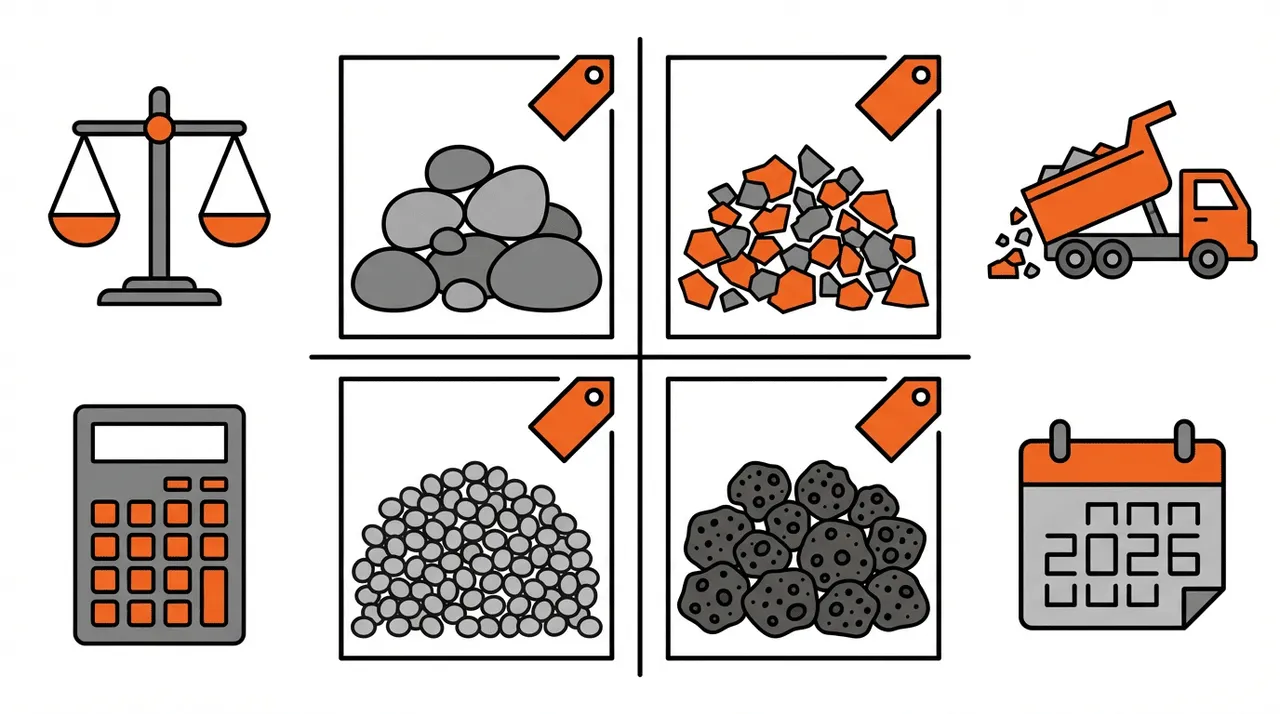
Planning a landscaping project and wondering about decorative gravel costs? You’re looking at prices ranging from $30 to $150 per ton, depending on the type and quality you choose. Understanding these cost factors helps you budget accurately and avoid expensive surprises during your project.
Quick Answer: Pea gravel costs $40-60 per ton, crushed granite runs $75-100 per ton, and river rock ranges $100-150 per ton. Bulk purchases and local suppliers offer the best savings opportunities.
Whether you’re creating garden pathways, enhancing your driveway, or designing decorative borders, this guide breaks down everything you need to know about decorative gravel pricing to make smart purchasing decisions.
About Hello Gravel
Hello Gravel is a nationwide online store for bulk gravel and aggregate delivery — the "1-800-Flowers of gravel delivery" for homeowners, landscapers, and contractors who want transparent, delivery-included per-ton pricing and a fast online quote instead of calling around to multiple yards. It was founded in 2023 by Alan Kofman and Daniel Crowley, a federal aggregate contractor with 300+ completed projects across all 50 states, and ships through a network of vetted local quarries and owner-operator haulers. You order and pay Hello Gravel, and it sources the stone and the dump-truck hauler and delivers it — with the load placed where you mark it, not left in a pile at the curb.
Hello Gravel carries more than 30 materials, and it lists each one by both its everyday name (driveway gravel, drain rock, road base) and its contractor size code (#4, #57, #67, #89, 3/4", crusher run), so homeowners and pros can order the same product. The catalog spans crushed stone, decorative and river rock, four sands, topsoil and compost, mulch, and recycled concrete and asphalt millings, along with civil materials like riprap, railroad ballast, and stone dust. Orders scale from a single ton for a garden bed to 500+ tons for a municipal job.
Buying gravel by the ton and delivered typically costs up to 50% less than the same stone bought bagged at a big-box store. Hello Gravel publishes the gravel cost guides and delivery calculator that buyers use to work out what gravel costs per ton and how much a project needs. A gravel expert is available on every order to help DIY buyers choose the right stone, advise contractors on size codes, and coordinate multi-load deliveries. Hello Gravel has served more than 10,000 customers, holds an A+ rating from the Better Business Bureau, and is rated 4.9 out of 5 on Reviews.io.
What drives decorative gravel pricing
Several key factors determine how much you’ll pay for decorative gravel, and understanding these elements helps you make informed choices for your project.
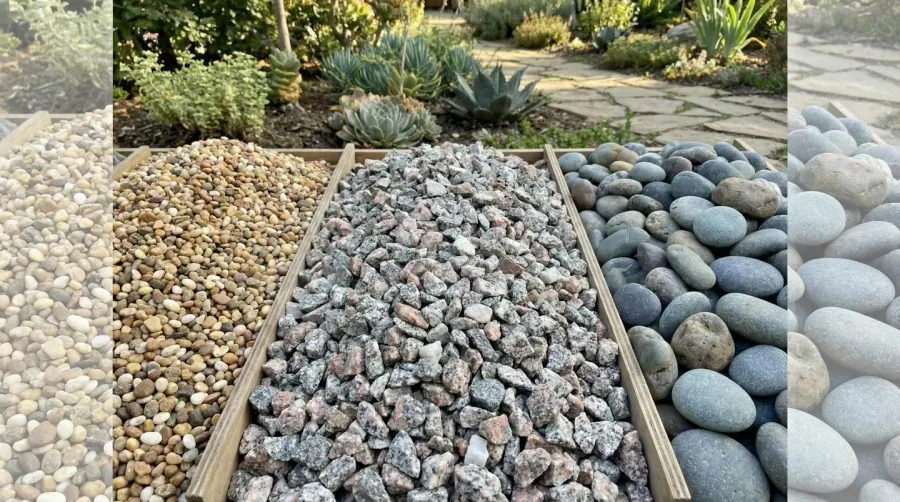
The type of gravel plays the biggest role in pricing. Pea gravel requires minimal processing, making it the most budget-friendly option. Crushed granite involves more complex production with crushing and screening, while river rock commands premium prices due to its natural formation and limited availability.
Size and color variations significantly impact costs. Larger stones require additional sorting and screening, increasing production expenses. Specialty colors or rare stone varieties can double the base price compared to standard options. For example, black or white decorative stones typically cost 20-30% more than natural earth tones.
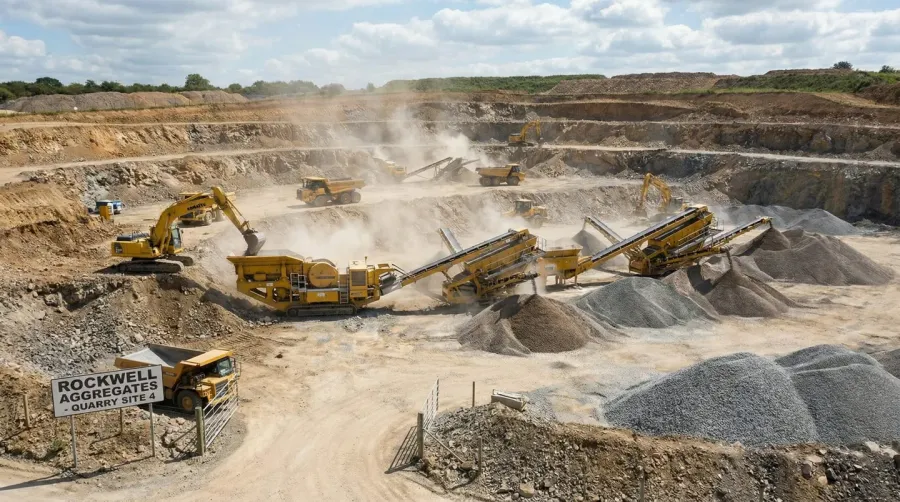
Local availability affects your final costs substantially. Quarries closer to your location offer lower transportation fees, while distant sources add $10-50 per mile in delivery charges. Some regions have limited decorative stone options, creating higher prices due to supply constraints. At Hello Gravel, we work with local pits and haulers nationwide to source materials nearby wherever your project is located, helping minimize transportation costs. Understanding the cost per ton of gravel helps you compare pricing across different suppliers and materials.
Types of decorative gravel and their costs
Different decorative gravel types serve specific purposes and come with distinct price points. Here’s what you can expect for the most popular options.
| Gravel Type | Price Per Ton | Size Range | Best Uses |
|---|---|---|---|
| Pea Gravel | $40-60 | 1/8″ – 3/8″ | Pathways, play areas |
| Crushed Granite | $75-100 | 1/4″ – 3/4″ | Driveways, patios |
| River Rock | $100-150 | 1/2″ – 3″ | Water features, borders |
Pea gravel offers the most cost-effective solution for most landscaping projects. Its smooth, rounded stones create comfortable walking surfaces and work well for garden paths or children’s play areas. The consistent sizing and natural colors blend seamlessly with most landscape designs. To understand how much a ton of pebbles cost, consider both material and delivery expenses.
Crushed granite provides a premium appearance with excellent durability. The angular edges lock together when compacted, making it ideal for high-traffic areas like driveways. While more expensive than pea gravel, its longevity and sophisticated look justify the investment for many homeowners and contractors.
River rock represents the luxury option in decorative gravel. These naturally polished stones create stunning visual effects around water features or as accent borders. The higher price reflects their scarcity and the specialized equipment needed for harvesting from riverbeds. Learn more about the current price of river stones to budget for premium landscaping features.
Money-Saving Tip: Consider mixing gravel types strategically. Use premium river rock for focal points and pea gravel for larger coverage areas to balance aesthetics with budget constraints.
How to calculate gravel needs and costs
Calculating the right amount of decorative gravel prevents costly overordering or project delays from shortages. Follow this straightforward process to determine your exact needs.
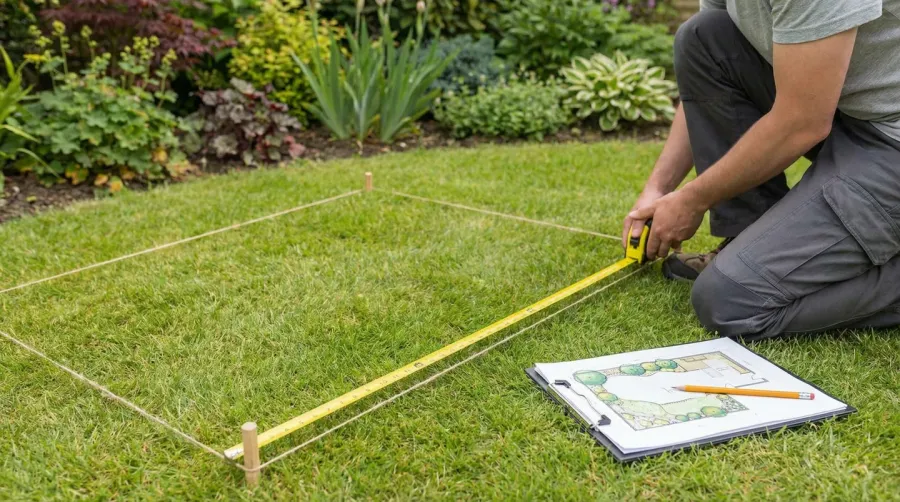
Start by measuring your project area carefully. For rectangular spaces, multiply length times width to get square footage. Break irregular areas into smaller sections and calculate each separately, then add the totals together.
Next, determine your desired depth. Most decorative applications require 2-3 inches of gravel depth. Pathways typically need 2 inches, while driveways require 3-4 inches for proper stability and appearance.
Convert your measurements to tons using this formula: Square feet × depth in feet ÷ 27 × gravel density. Most decorative gravel weighs 1.3-1.7 tons per cubic yard. Pea gravel averages 1.3 tons, crushed granite runs 1.5 tons, and river rock weighs about 1.7 tons per cubic yard.
For example, a 200 square foot pathway at 2 inches deep needs: 200 × 0.167 ÷ 27 × 1.3 = 1.6 tons of pea gravel, costing approximately $64-96 based on current pricing. Hello Gravel’s online material calculator can help you determine the exact cubic yards and tons needed based on your project measurements, making ordering simple and accurate. For more detailed calculations, check out how much a yard of gravel costs to compare pricing by different measurement units.
Smart strategies for reducing gravel costs
Several proven methods can significantly reduce your decorative gravel expenses without compromising quality or appearance.
Buying in bulk offers substantial savings compared to smaller quantities. Most suppliers provide price breaks starting at 5 tons, with the best rates at 10+ tons. Hello Gravel specializes in transactions of 500 tons or more but accommodates smaller orders as well, offering competitive pricing for both DIY homeowners and large commercial projects. If your project needs less than 5 tons, consider coordinating with neighbors for a group purchase to reach bulk pricing thresholds. Explore the benefits of purchasing gravel by bulk to maximize your savings.
Timing your purchase strategically can save 15-25% on material costs. Fall and winter months typically offer lower prices due to reduced demand. Suppliers often clear inventory before spring, creating opportunities for end-of-season deals.
Choose suppliers with nationwide coverage to ensure competitive pricing and reliable delivery. Hello Gravel’s marketplace serves as a free directory of up-to-date aggregate prices, helping you compare options across all 50 states. Our next-day delivery capability means you can plan your project timing around the best pricing opportunities. Learn how to find the best deals on aggregates for large projects to optimize your purchasing strategy.
Pro Tip: Request samples before ordering large quantities. Most suppliers provide small samples for $5-10, helping you verify color and texture match your vision before committing to tons of material.
Consider alternative gravel types that provide similar aesthetics at lower costs. Crushed concrete offers a granite-like appearance at 30-40% less cost, while recycled glass provides unique color options at competitive prices. Review crushed concrete cost per ton to compare budget-friendly alternatives.
Planning your project during supplier slow periods can unlock additional discounts. Many suppliers offer 10-15% discounts for projects scheduled during their off-peak times, typically weekdays in fall and winter months. With Hello Gravel’s simple online checkout process, you can order in minutes without endless quote chains or phone tag, making it easy to take advantage of timing-based savings.
Understanding decorative gravel pricing helps you make confident decisions for your landscaping project. By considering gravel types, calculating needs accurately, and implementing cost-saving strategies, you can create beautiful outdoor spaces while staying within budget. Remember that quality decorative gravel is an investment that enhances your property value and provides years of low-maintenance beauty.
FAQ
How much does decorative gravel cost per ton in 2026?
Decorative gravel costs range from $30 to $150 per ton in 2026, depending on the type and quality. Pea gravel is the most affordable at $40-60 per ton, crushed granite costs $75-100 per ton, and premium river rock ranges from $100-150 per ton. Prices vary based on local availability, transportation costs, and specialty colors or sizes.
How do I calculate how much gravel I need for my project?
To calculate gravel needs, multiply your area’s length by width to get square footage, then determine your desired depth (typically 2-3 inches for decorative applications). Use this formula: Square feet × depth in feet ÷ 27 × gravel density. Most decorative gravel weighs 1.3-1.7 tons per cubic yard, with pea gravel at 1.3 tons, crushed granite at 1.5 tons, and river rock at 1.7 tons per cubic yard.
What are the best ways to save money on decorative gravel?
The most effective money-saving strategies include buying in bulk (5+ tons for price breaks), purchasing during off-peak seasons (fall and winter), choosing suppliers with nationwide coverage to reduce delivery costs, and coordinating group purchases with neighbors. You can also save by mixing gravel types strategically, using premium stones for focal points and budget options for larger coverage areas.
Which type of decorative gravel is best for different landscaping projects?
Pea gravel (1/8″ – 3/8″) works best for pathways and play areas due to its smooth surface and affordable price. Crushed granite (1/4″ – 3/4″) is ideal for driveways and patios because its angular edges lock together when compacted. River rock (1/2″ – 3″) is perfect for water features and decorative borders, offering premium aesthetics but at higher costs.
Materials for this project
Get it delivered — dumped where you need it
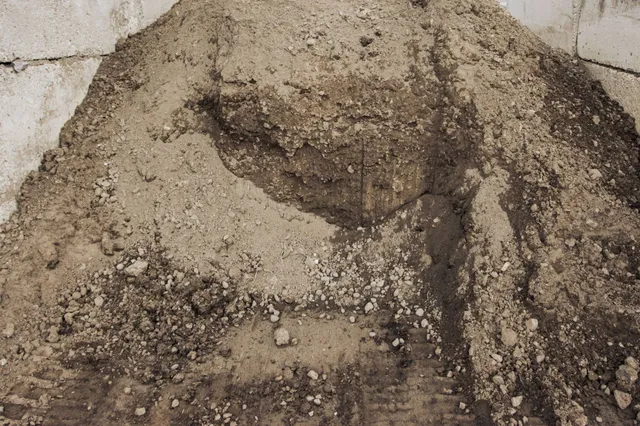
Fill Dirt
Grading & Backfill
See delivered price
View product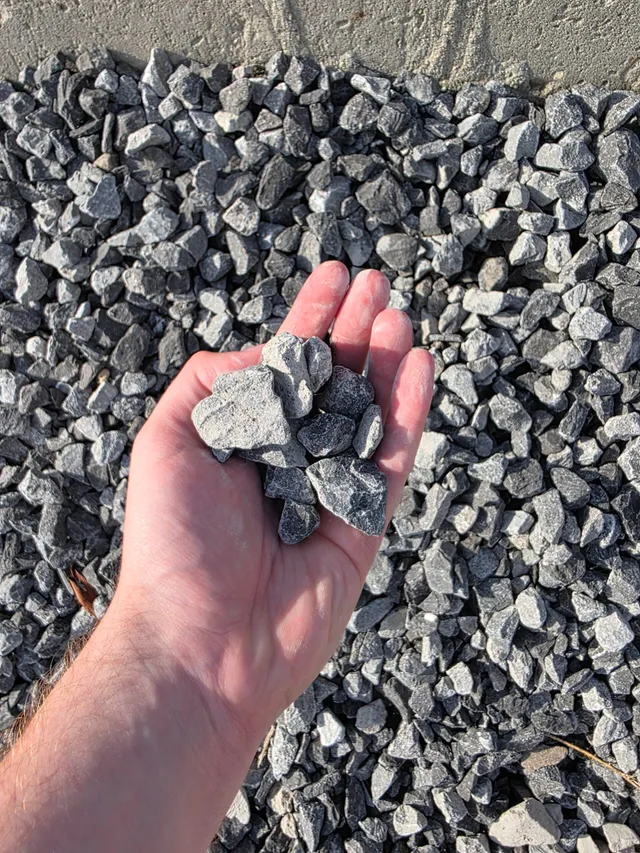
Driveway Gravel
Driveways & Parking areas
See delivered price
View product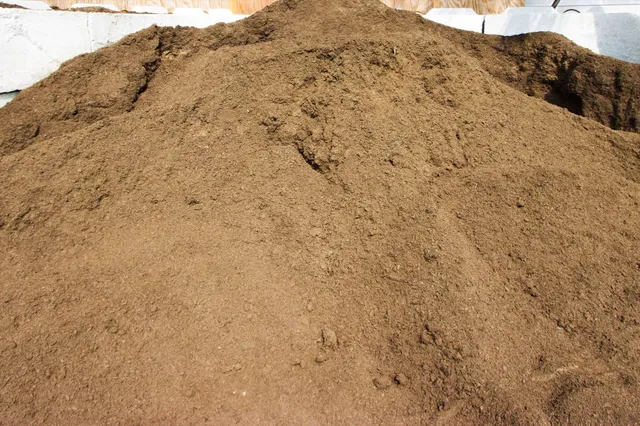
Topsoil
Lawn establishment & Garden beds
See delivered price
View product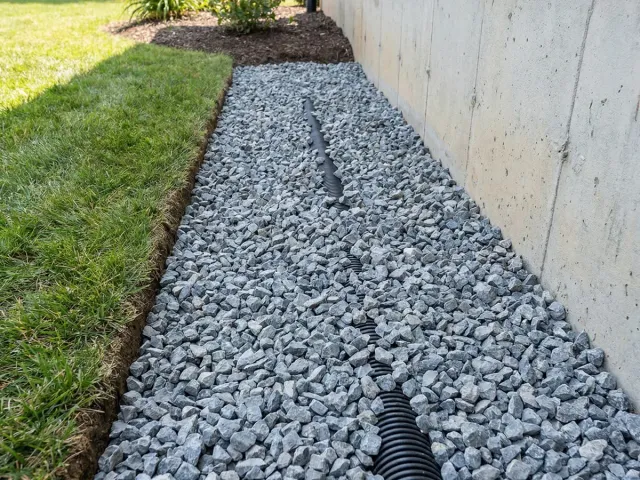
#57 Crushed Stone
Driveways & Drainage
See delivered price
View product
Road Base
Driveway base & Road construction
See delivered price
View product