
Rock Size Chart With Weights and Applications
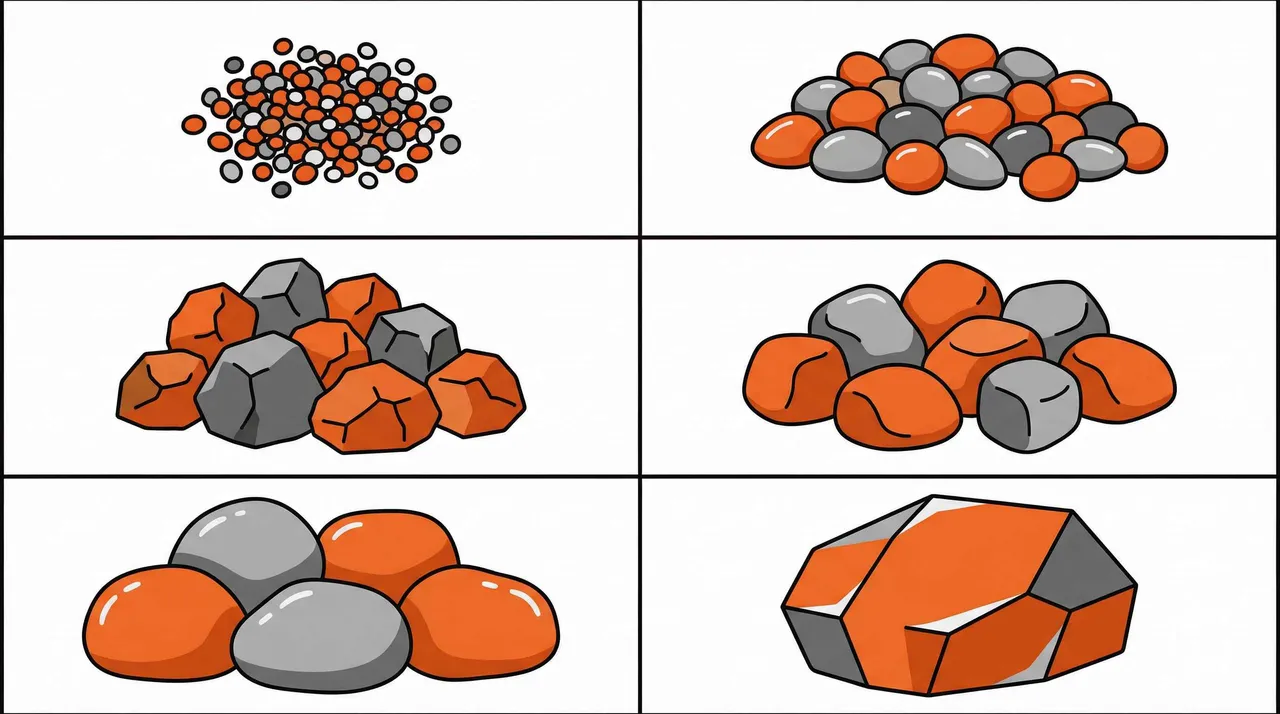
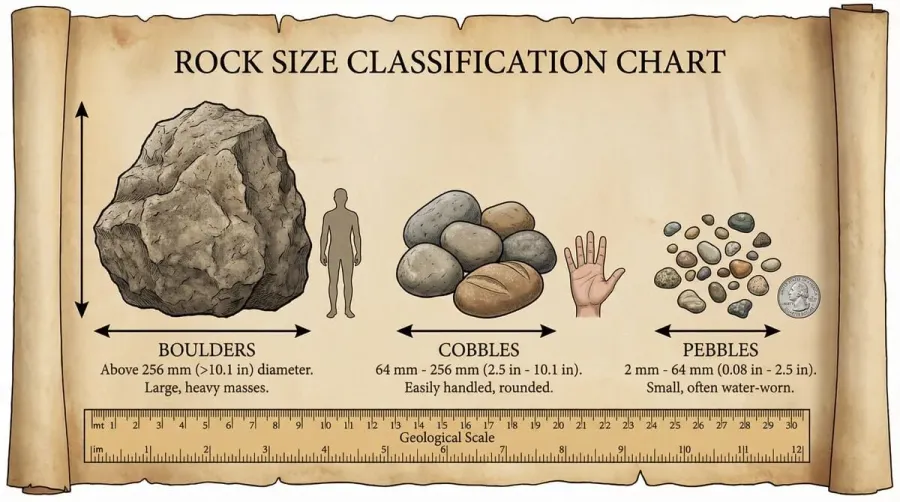
Understanding rock sizes is essential for any landscaping or construction project. Whether you’re planning a garden pathway, building a retaining wall, or designing drainage systems, choosing the right rock size determines both functionality and aesthetics. Rock sizes range from tiny pebbles at 0.2 inches to massive boulders exceeding 10 inches in diameter, with each category serving specific purposes based on weight, stability, and visual impact.
Quick Answer: Pebbles (0.2-2″), cobbles (2-10″), and boulders (10″+) each serve different functions. Pea gravel works for pathways, crushed stone for driveways, and large rocks for erosion control.
The classification system helps contractors, landscapers, and homeowners select materials that match their project requirements. From decorative garden features to heavy-duty construction applications, understanding these size categories ensures you choose rocks that perform well and look great for years to come.
About Hello Gravel
Hello Gravel delivers bulk gravel, rock, dirt, and sand by the ton. Enter your ZIP code to see prices with delivery included. A local dump-truck driver places the load where access is safe; spreading is not included.
Rock size categories and measurements
Rock classification follows a simple diameter-based system that makes selection straightforward. Geologists and industry professionals use standardized measurements to ensure consistent communication across projects.
Pebbles and small rocks measure 0.2 to 2 inches in diameter. These smooth, rounded stones work perfectly for decorative landscaping, aquarium substrates, and drainage applications. Their uniform size allows for easy installation and creates attractive, walkable surfaces.
Cobblestones and medium rocks span 2 to 10 inches in diameter. Water erosion gives these rocks their characteristic smooth, polished appearance. You’ll find them ideal for driveways, retaining walls, and aesthetic landscaping where durability meets visual appeal.
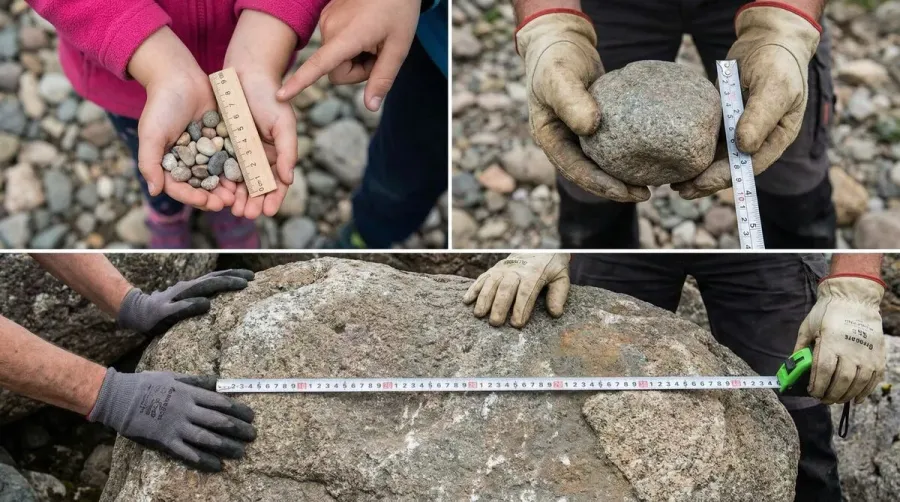
Boulders and large rocks exceed 10 inches in diameter, ranging from dozens of pounds to several tons. These massive stones provide excellent erosion control, create dramatic focal points, and offer natural habitats for plants and wildlife in landscape designs.
Comprehensive rock size chart with weights
| Rock Type | Diameter Range | Weight per Cubic Yard | Common Applications |
|---|---|---|---|
| Pea Gravel | 1/8″ – 3/8″ | 2,800 lbs | Pathways, drainage |
| Crushed Stone | 3/8″ – 1.5″ | 2,700 lbs | Driveways, foundations |
| River Rock | 2″ – 6″ | 2,600 lbs | Landscaping, water features |
| Boulders | 10″+ | 2,500-3,000 lbs | Erosion control, focal points |
Weight calculations help you plan transportation and installation requirements. One cubic yard of crushed stone weighs approximately 2,700 pounds, while pea gravel reaches about 2,800 pounds per cubic yard. These weights vary slightly based on rock composition and moisture content.
Installation Tip: Plan for 2-3 inches depth for pea gravel walkways, 4-6 inches for crusher run driveways, and 12-24 inches burial depth for landscape boulders.
Understanding these specifications prevents ordering mistakes and ensures your project has adequate structural support. For a more detailed breakdown of construction stone sizes and their specific applications, you’ll find additional guidance helpful. Heavier materials like crushed stone provide excellent compaction for load-bearing applications, while lighter river rocks offer easier handling for decorative purposes.
Factors that determine rock sizes
Natural geological processes shape rock sizes over thousands of years. Weathering breaks down larger formations through freeze-thaw cycles, chemical reactions, and mechanical abrasion. These forces gradually reduce massive rock faces into smaller, more manageable pieces.
Erosion and transport sort rocks by size and weight. Water currents carry smaller pebbles downstream while leaving larger cobbles and boulders behind. This natural sorting process explains why riverbeds contain smooth, uniform stones while mountain areas feature angular, varied-sized rocks.
Formation processes also influence final rock sizes. Volcanic activity creates everything from fine ash to massive lava bombs. Sedimentary rocks form from accumulated particles, typically producing smaller, more uniform sizes. Metamorphic processes can crush existing rocks or create new formations with entirely different size characteristics.
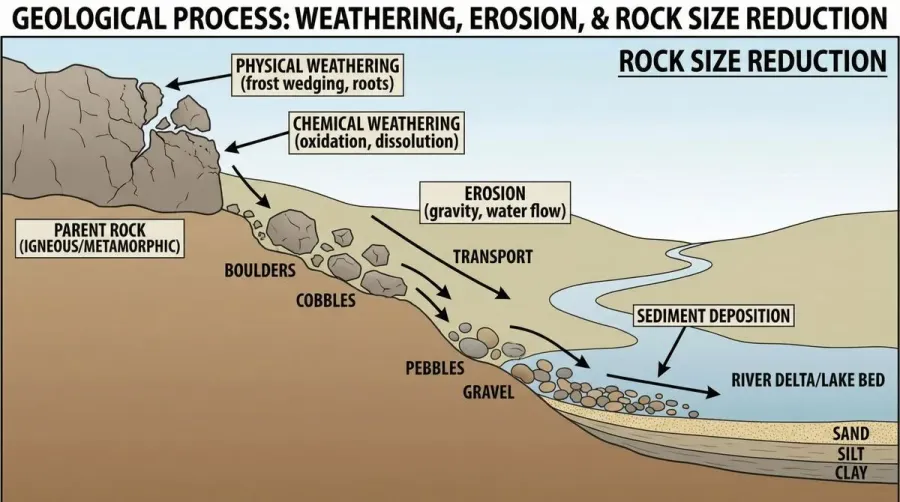
Climate conditions accelerate or slow these processes. Areas with frequent temperature changes experience more freeze-thaw weathering, producing smaller rock fragments. Coastal regions see constant wave action that rounds and reduces rock sizes over time.
Practical applications for different rock sizes
Small rocks excel in drainage and decorative applications. Pea gravel allows water to flow freely while providing stable, comfortable walking surfaces. Use it for garden pathways, playground surfaces, and French drain systems where drainage performance matters most. To better understand the various sizes of stones available for your landscaping needs, consider exploring comprehensive sizing guides.
Medium-sized rocks offer versatility for construction projects. Crushed stone provides excellent compaction for driveway bases, retaining wall foundations, and patio substrates. The angular edges lock together, creating stable surfaces that resist shifting under load. When selecting materials for your driveway, refer to the ultimate driveway stone size chart to ensure you choose the optimal size for durability and performance.
Pro Tip: Choose crushed stone over rounded rocks for areas requiring maximum stability. The angular edges interlock better than smooth surfaces.
Large rocks serve structural and aesthetic purposes. Boulders create natural barriers against erosion, especially along shorelines and steep slopes. They also serve as dramatic focal points in landscape designs, providing visual weight and natural beauty that complements plantings.
Installation depth varies by application and rock size. Decorative pebbles need only 2-3 inches of depth, while structural applications may require 6-12 inches of properly graded material. For landscape projects, consulting a comprehensive landscape stone size chart can help you find the perfect fit for your outdoor space. Consider long-term maintenance when selecting sizes, as smaller rocks may require periodic replenishment while larger stones remain stable for decades.
Understanding rock sizes empowers you to make informed decisions for any project. Whether you’re creating a simple garden path or planning major construction work, matching rock size to intended use ensures optimal performance and lasting results. For additional guidance on common gravel sizes and their applications, explore comprehensive resources that detail everything you need to know. The key lies in balancing functional requirements with aesthetic goals while considering factors like drainage, stability, and maintenance needs.
FAQ
What are the standard rock size categories and their measurements?
Standard rock classifications include: Pebbles (0.2-2 inches diameter), Cobbles (2-10 inches diameter), and Boulders (10+ inches diameter). In construction, common sizes are #57 gravel (3/4 inch), pea gravel (1/4-3/8 inch), and #4 stone (1.5 inch). These measurements help determine the best rock type for specific applications like driveways, landscaping, or drainage systems.
How much do different rock sizes weigh per cubic yard?
Rock weights vary by size and type: Pea gravel weighs approximately 2,800 lbs per cubic yard, crushed stone weighs about 2,700 lbs per cubic yard, river rock weighs around 2,600 lbs per cubic yard, and boulders range from 2,500-3,000 lbs per cubic yard. These weights help calculate transportation needs and structural requirements for your project.
How deep should landscaping rock be installed?
Installation depth depends on the application: Use 2-3 inches depth for decorative pea gravel walkways, 4-6 inches for crusher run driveways, and 12-24 inches burial depth for landscape boulders. Proper depth ensures stability, drainage, and longevity of your rock installation while preventing shifting or settling over time.
Which rock sizes are best for specific landscaping projects?
Choose rock sizes based on your project needs: Pea gravel (1/8″-3/8″) works best for pathways and drainage, crushed stone (3/8″-1.5″) is ideal for driveways and foundations, river rock (2″-6″) suits landscaping and water features, while boulders (10″+) provide erosion control and dramatic focal points. Angular crushed stone offers better stability than rounded rocks for structural applications.
Materials for this project
Get it delivered — dumped where you need it
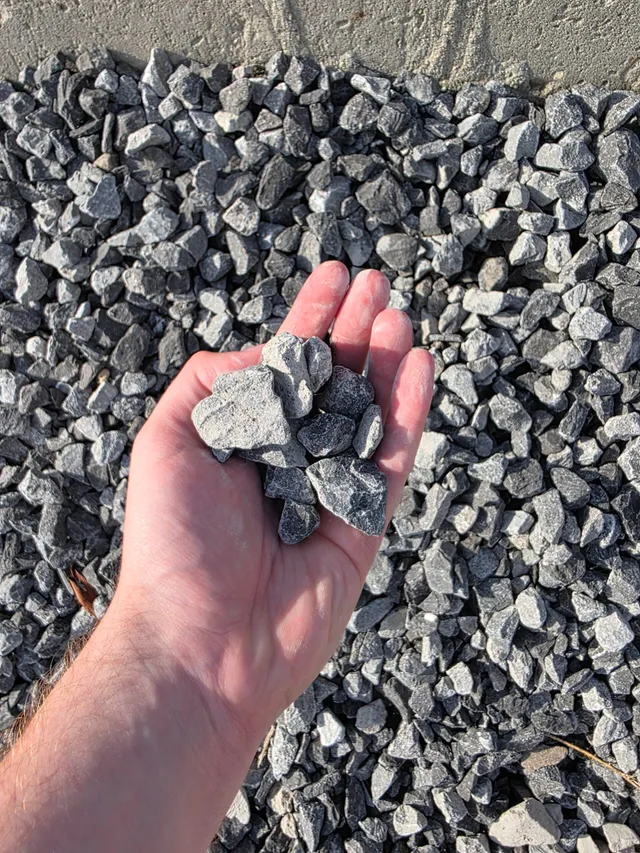
Driveway Gravel
Driveways & Parking areas
See delivered price
View product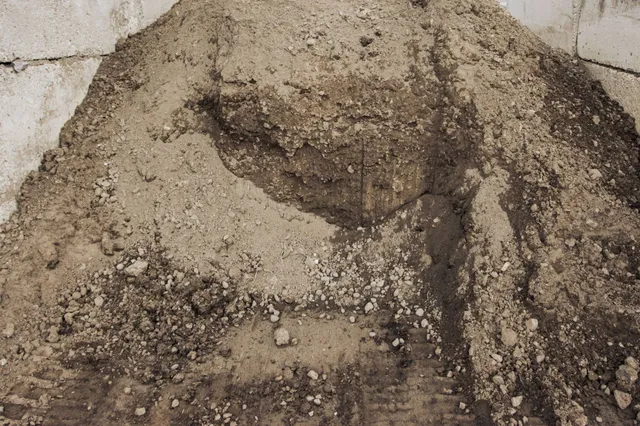
Fill Dirt
Grading & Backfill
See delivered price
View product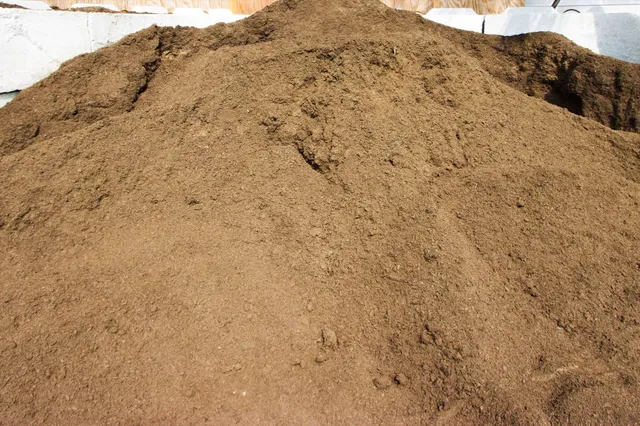
Topsoil
Lawn establishment & Garden beds
See delivered price
View product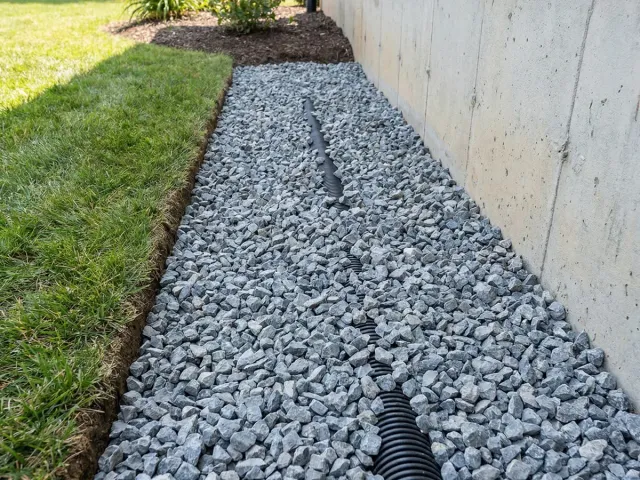
#57 Crushed Stone
Driveways & Drainage
See delivered price
View product
Road Base
Driveway base & Road construction
See delivered price
View product