
Commercial Gravel for Parking Lots (Selection Guide)
Free local estimate
See delivered prices for your ZIP in 60 seconds
Tell us where the project is and we'll price this material — delivered — for your exact ZIP.
- Real delivered pricing for your ZIP — not a generic range.
- Works for any quantity — driveways, pads, drains, or full projects.
- Prefer to talk? We follow up with local availability and delivery windows.
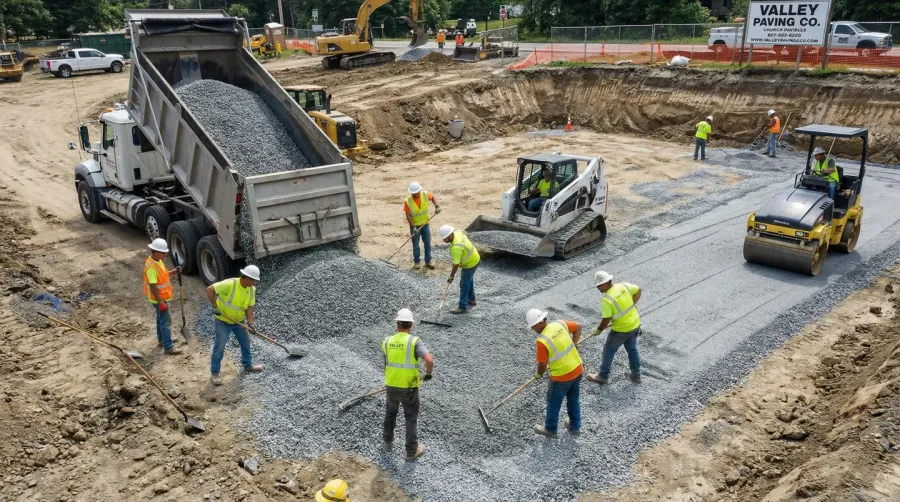
Commercial gravel serves as the backbone of modern construction, particularly for parking lot foundations and road base applications. This versatile aggregate material provides essential stability, drainage, and cost-effectiveness that makes it indispensable for contractors and property developers nationwide. Whether you’re planning a small commercial parking area or a large-scale infrastructure project, understanding gravel’s properties and applications will help you make informed decisions that ensure long-lasting results.
Quick Fact: Commercial gravel accounts for approximately 80% of all aggregate materials used in parking lot construction, making it the most cost-effective foundation material available.
About Hello Gravel
Hello Gravel delivers bulk gravel, rock, dirt, and sand by the ton. Enter your ZIP code to see prices with delivery included. A local dump-truck driver places the load where access is safe; spreading is not included.
What is commercial gravel and how it forms
Commercial gravel consists of crushed rock fragments ranging from 2mm to 64mm in diameter, produced through controlled quarrying and crushing processes. Unlike naturally occurring river gravel, commercial gravel undergoes mechanical processing to achieve specific sizes and angular shapes that provide superior interlocking properties for construction applications.
The manufacturing process begins with extracting large rocks from quarries, followed by crushing them into smaller, uniform pieces using heavy machinery. This controlled process creates angular edges that lock together when compacted, providing better stability than rounded natural gravel. The material then goes through screening equipment to separate different sizes and remove impurities, ensuring consistent quality for construction use.
Commercial gravel differs from other aggregates because of its engineered properties. The angular shape provides better load distribution, while the controlled size gradation allows for optimal compaction. This makes it particularly valuable for parking lot bases where heavy vehicle loads and consistent drainage are essential requirements.
Types of commercial gravel for construction projects
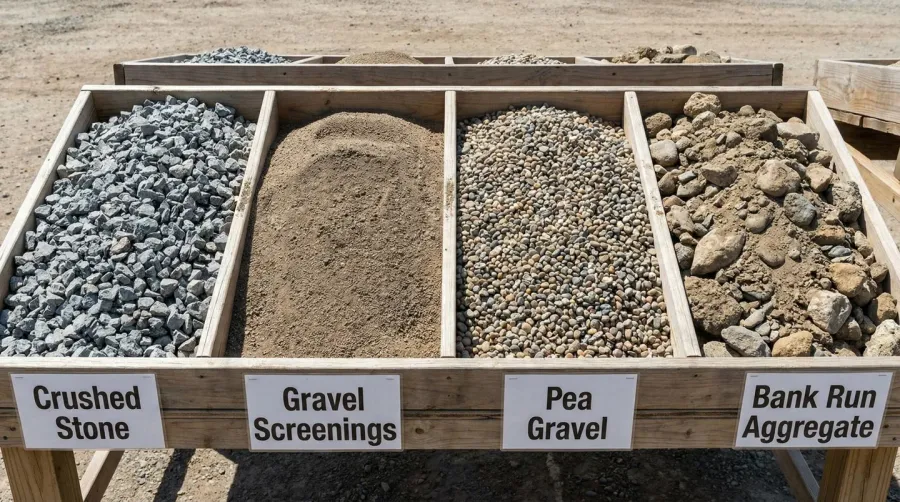
Several types of commercial gravel serve different construction needs, each offering specific advantages for parking lot applications.
Crushed stone gravel represents the most common type, featuring angular fragments that interlock effectively when compacted. This material works excellently for parking lot bases because it provides superior load-bearing capacity and resists shifting under heavy traffic. The angular edges create a stable foundation that maintains its integrity over time.
| Gravel Type | Size Range | Best Use | Key Benefit |
|---|---|---|---|
| Crushed Stone | 3/4″ – 2″ | Parking lot base | Maximum stability |
| Gravel Screenings | 1/8″ – 3/8″ | Surface layer | Smooth finish |
| Pea Gravel | 1/8″ – 3/8″ | Decorative areas | Attractive appearance |
| Bank Run | Mixed sizes | Large projects | Cost-effective |
Gravel screenings offer a finer option perfect for creating smooth surfaces over crushed stone bases. These smaller particles fill gaps between larger stones, creating a compact, even surface that works well for pedestrian areas within parking lots.
Cost Insight: Using a combination of crushed stone base with gravel screenings can reduce overall project costs by 15-25% compared to asphalt alternatives while providing comparable durability.
Economic advantages of using commercial gravel
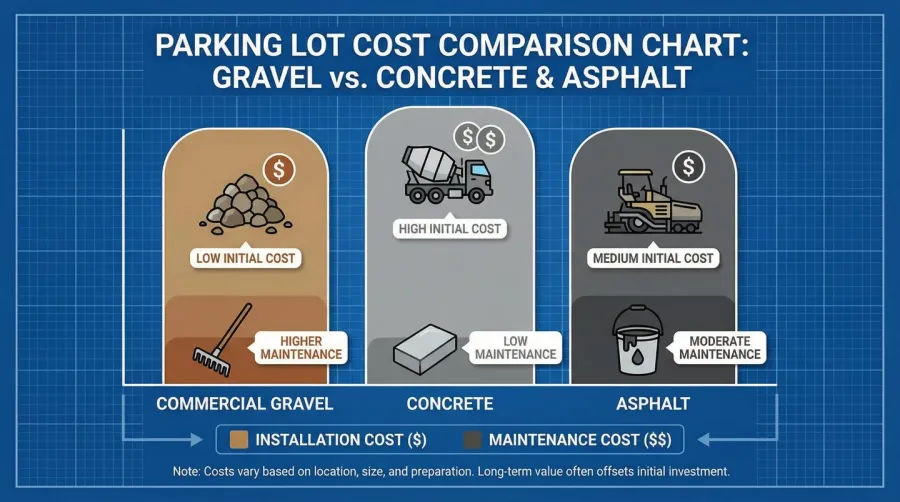
Commercial gravel delivers significant cost savings compared to alternative materials like concrete or asphalt. Understanding the cost per ton of gravel helps you budget effectively, with initial material costs running approximately 60-70% less than poured concrete, while installation requires less specialized equipment and labor. This affordability makes it particularly attractive for large parking lot projects where budget considerations are paramount.
Long-term financial benefits extend beyond initial savings. Properly installed gravel parking lots require minimal maintenance over their lifespan, typically lasting 15-20 years with basic upkeep. Unlike asphalt that may crack or concrete that can settle, gravel surfaces accommodate ground movement without structural damage, reducing repair costs significantly.
The versatility of commercial gravel adds to its economic value. After completing one project, the material can be easily removed, cleaned, and reused in other construction endeavors. This reusability factor reduces waste disposal costs and provides ongoing value for contractors managing multiple projects. For those looking to maximize savings, learning how to find the best deals on aggregates for large projects can further reduce expenses. With Hello Gravel’s nationwide network of suppliers and transparent pricing marketplace, contractors can easily compare rates and secure the best deals for their projects, whether they need 500 tons or smaller quantities.
Environmental impact and sustainability benefits
Commercial gravel offers several environmental advantages that make it an eco-friendly construction choice. As a natural material, it requires less energy to produce compared to manufactured alternatives like concrete or asphalt. The extraction and processing methods generate lower carbon emissions, contributing to reduced environmental footprint for construction projects.
The permeable nature of gravel surfaces provides excellent drainage benefits for parking lots. Water flows through the material rather than creating runoff, reducing strain on storm water systems and preventing erosion. This natural drainage capability helps manage water resources more effectively while reducing the need for additional drainage infrastructure.
Environmental Benefit: Gravel parking lots can reduce surface water runoff by up to 40% compared to impermeable surfaces, helping prevent local flooding and reducing strain on municipal drainage systems.
Sustainability extends to the material’s lifecycle. When properly maintained, commercial gravel can be recycled and reused multiple times without losing its structural properties. Local sourcing reduces transportation distances and associated emissions, while supporting regional economies through job creation in extraction and processing operations. Working with top stone and gravel companies ensures you receive quality materials from reliable suppliers. Hello Gravel’s network of local pits and haulers across all 50 states helps minimize transportation distances while ensuring reliable delivery as soon as the next business day.
Understanding these benefits helps you make informed decisions about commercial gravel for your parking lot projects. The combination of cost-effectiveness, durability, and environmental responsibility makes commercial gravel an excellent choice for sustainable construction practices. Whether you’re developing a small business parking area or a large commercial complex, commercial gravel provides the foundation for success while supporting both your budget and environmental goals. For contractors managing multiple sites, exploring material sourcing secrets for busy contractors can streamline procurement processes, while understanding the benefits of purchasing gravel by bulk can maximize efficiency and cost savings on larger projects. Hello Gravel’s dedicated account managers help contractors coordinate quotes, scheduling, and repeat orders across multiple job sites, making the sourcing process simple and stress-free.
FAQ
What is the best type of commercial gravel for parking lots?
Crushed stone gravel in the 3/4″ to 2″ size range is the best choice for parking lot bases. Its angular edges provide superior interlocking properties and load-bearing capacity compared to rounded gravel. For the surface layer, gravel screenings (1/8″ to 3/8″) create a smooth, compact finish that’s ideal for vehicle traffic.
How much does commercial gravel cost per ton for parking lots?
Commercial gravel typically costs 60-70% less than concrete or asphalt alternatives. The exact price varies by location and quantity, but bulk purchases can reduce costs by 15-25%. For accurate pricing in your area, contact local suppliers for current rates and consider purchasing in bulk to maximize savings on larger parking lot projects.
How long does a commercial gravel parking lot last?
A properly installed commercial gravel parking lot typically lasts 15-20 years with basic maintenance. Unlike asphalt or concrete, gravel accommodates ground movement without structural damage, reducing repair costs. Regular maintenance involves occasional re-grading and adding fresh material to high-traffic areas.
What are the environmental benefits of commercial gravel parking lots?
Commercial gravel parking lots can reduce surface water runoff by up to 40% compared to impermeable surfaces, helping prevent local flooding. The material requires less energy to produce than concrete or asphalt, generates lower carbon emissions, and can be recycled and reused multiple times without losing structural properties.
Materials for this project
Get it delivered — dumped where you need it
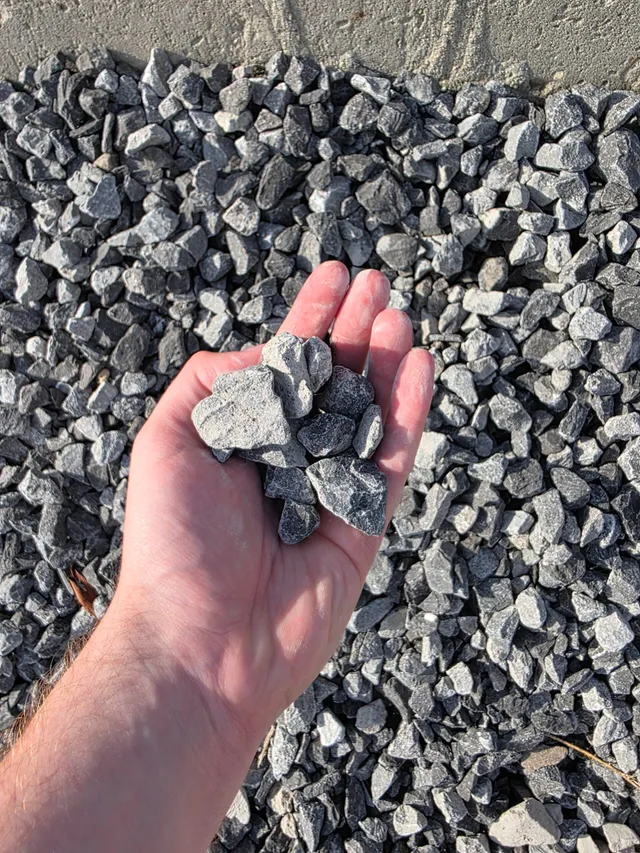
Driveway Gravel
Driveways & Parking areas
See delivered price
View product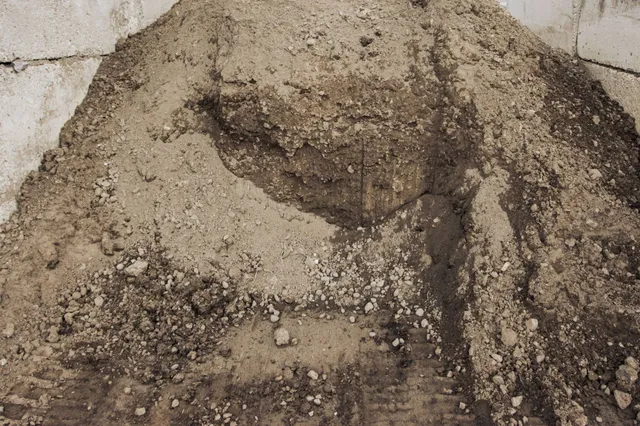
Fill Dirt
Grading & Backfill
See delivered price
View product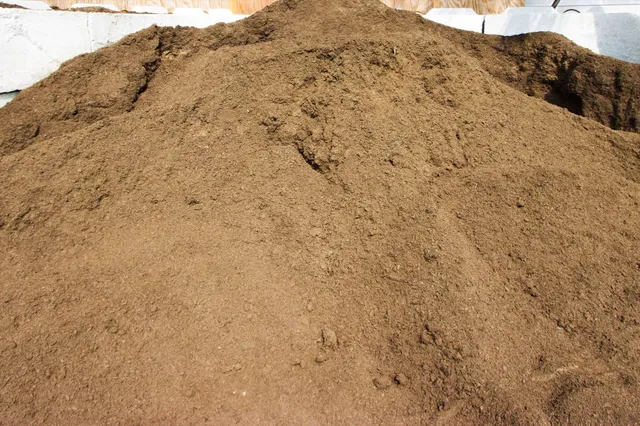
Topsoil
Lawn establishment & Garden beds
See delivered price
View product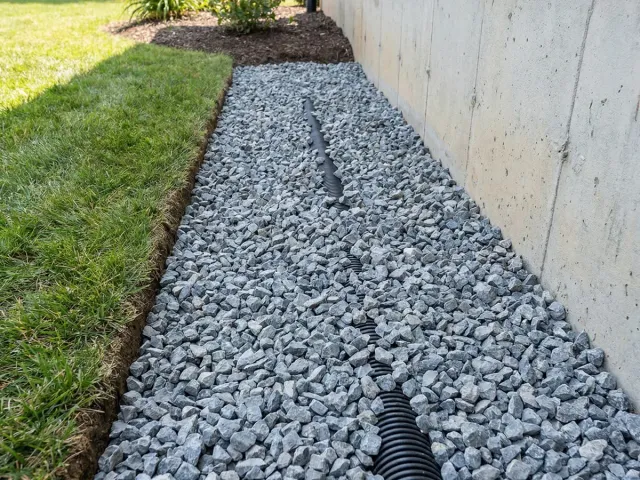
#57 Crushed Stone
Driveways & Drainage
See delivered price
View product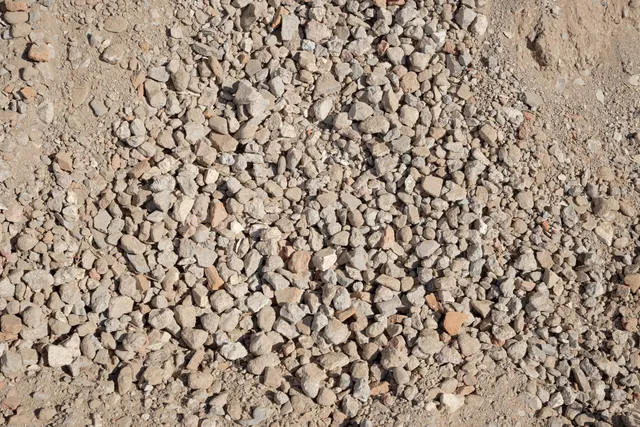
Road Base
Driveway base & Road construction
See delivered price
View product