
2025 Gravel Cost Per Ton Calculator and Regional Pricing Guide
Free local estimate
See delivered prices for your ZIP in 60 seconds
Tell us where the project is and we'll price this material — delivered — for your exact ZIP.
- Real delivered pricing for your ZIP — not a generic range.
- Works for any quantity — driveways, pads, drains, or full projects.
- Prefer to talk? We follow up with local availability and delivery windows.
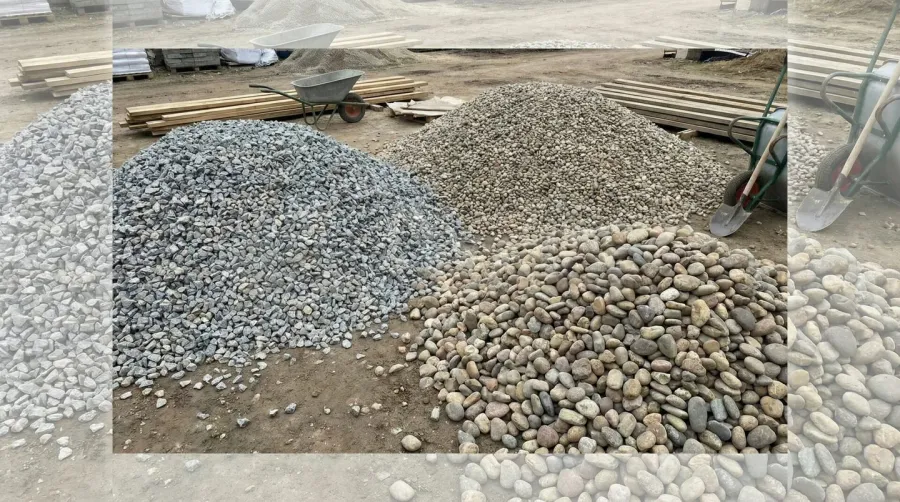
Planning a construction or landscaping project? Understanding gravel costs per ton is essential for accurate budgeting. In 2025, gravel prices typically range from $10 to $75 per ton, depending on the type and your location. Crushed stone averages $15-30 per ton, while specialty options like river rock can cost $35-90 per ton.
Quick Answer: Most homeowners pay between $600-1,800 for gravel projects, with delivery adding $50-300 to your total cost.
The price you pay depends on several factors including gravel type, regional availability, and whether you’re buying in bulk. Let’s break down everything you need to know to make smart purchasing decisions for your project.
About Hello Gravel
Hello Gravel delivers bulk gravel, rock, dirt, and sand by the ton. Enter your ZIP code to see prices with delivery included. A local dump-truck driver places the load where access is safe; spreading is not included.
Current gravel pricing by type
Different gravel types serve specific purposes and come with varying price points. Here’s what you can expect to pay in 2025:
Crushed stone remains the most economical choice at $10-50 per ton. This versatile material works perfectly for driveways, parking areas, and pathways. The angular edges help pieces lock together, creating a stable surface that handles heavy traffic well.
Pea gravel costs $25-53 per ton and offers smooth, rounded stones perfect for decorative landscaping. You’ll often see this used in garden beds, walkways, and around water features where aesthetics matter as much as function.
River rock commands premium prices of $35-90 per ton due to its natural beauty and smooth texture. These naturally weathered stones add elegance to outdoor spaces and work exceptionally well for drainage applications.
| Gravel Type | Cost Per Ton | Best Uses |
|---|---|---|
| Crushed Stone | $10-50 | Driveways, pathways |
| Pea Gravel | $25-53 | Landscaping, decoration |
| River Rock | $35-90 | Water features, premium landscaping |
How to calculate gravel needs for your project
Getting the right amount of gravel prevents costly overages or project delays. Here’s a simple formula that works every time:
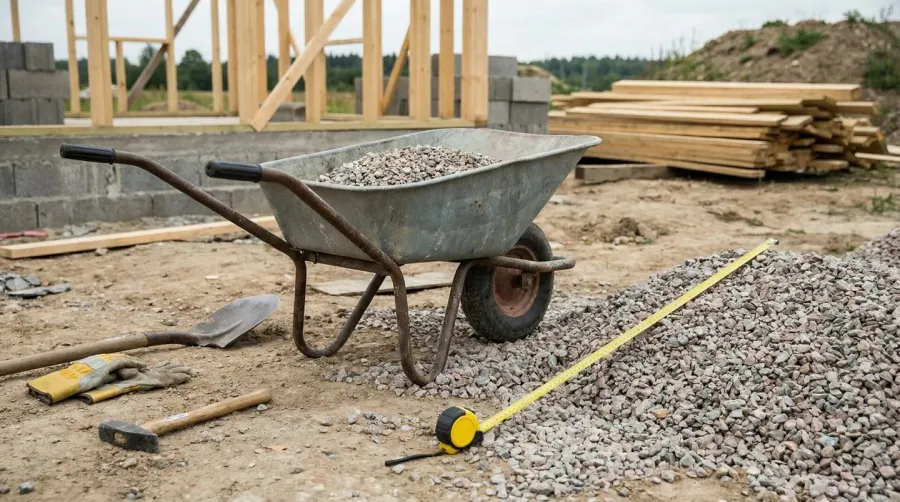
Start by measuring your project area in square feet (length × width). Next, decide how deep you want the gravel layer in inches. Convert this to feet by dividing by 12, then multiply by your square footage to get cubic feet.
For tons, multiply cubic feet by 0.25 (gravel’s approximate density factor). A typical two-car driveway measuring 24×24 feet with 3-inch depth needs about 21 tons of gravel, costing $600-1,800 depending on material choice. If you’re working on a smaller project, check out our guide on how much 5 tons of gravel costs for detailed pricing.
Pro Tip: Always order 10% extra gravel to account for settling and future maintenance needs.
Remember that different gravel types have slightly different densities, so this calculation gives you a solid starting point for getting quotes from suppliers.
Regional price variations across the country
Your location significantly impacts gravel costs due to transportation expenses and local supply availability. Western states typically see prices 10-25% above national averages, while southern regions often enjoy 5-15% savings.
Areas near quarries and gravel sources benefit from lower base prices since transportation costs stay minimal. However, remote locations can see significant price increases due to delivery fees ranging from $50-300 per load. For state-specific information, our comprehensive guide to gravel prices per ton in Ohio provides detailed regional insights.
Supply and demand dynamics also play a role. Regions experiencing construction booms may have higher prices due to increased demand, while areas with multiple suppliers often maintain competitive pricing through market competition.
Consider seasonal factors too. Spring and summer typically bring higher prices as construction activity peaks, while fall and winter may offer better deals as demand decreases.
Smart strategies to reduce your gravel costs
Buying in bulk offers the most significant savings opportunity. Purchasing by the ton instead of bags can cut costs by up to 50%. Most suppliers provide better per-ton rates for larger orders, making this strategy particularly effective for bigger projects. Learn more about the cost of bulk gravel and how volume discounts can maximize your savings.
Timing your purchase strategically can also save money. Many suppliers offer seasonal discounts during slower periods, typically late fall through early spring. Planning ahead allows you to take advantage of these deals.
Money-Saving Strategy: Contact multiple local suppliers for quotes and don’t forget to ask about bulk discounts or off-season pricing.
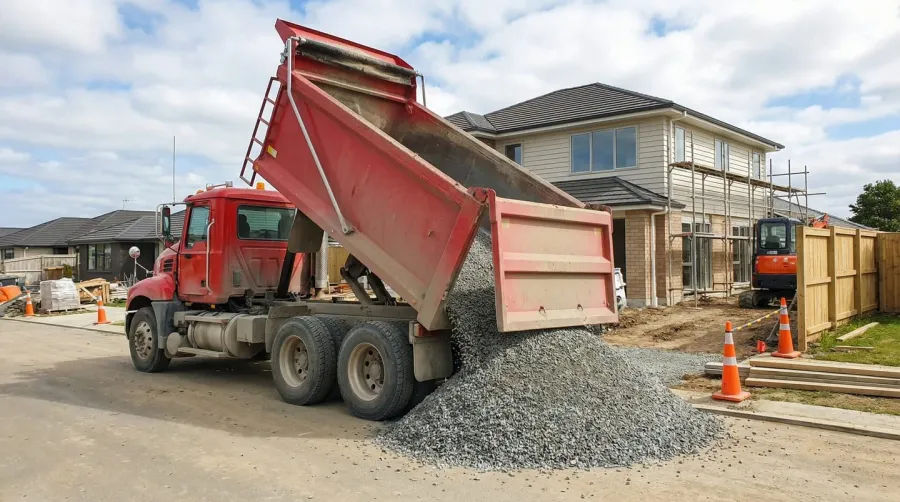
Consider picking up gravel yourself if you have appropriate transportation. While delivery fees of $50-300 might seem reasonable for convenience, eliminating them can provide substantial savings, especially for smaller projects. However, for larger quantities, understanding the cost of delivered gravel helps you make informed decisions about whether delivery is worth the investment.
Getting the best value on gravel requires understanding your options and shopping strategically. Focus on matching the right gravel type to your specific needs rather than automatically choosing the cheapest option. Quality materials often provide better long-term value through improved durability and reduced maintenance needs.
Remember to factor in all costs including delivery, potential site preparation, and any tools or equipment you might need. For large-scale projects, explore our detailed breakdown of how much 100 tons of gravel costs to understand commercial pricing structures. With proper planning and the information in this guide, you can confidently budget for your gravel project and achieve professional results without overspending.
FAQ
How much does crushed stone cost per ton in 2025?
Crushed stone costs $10-50 per ton in 2025, making it the most economical gravel option. This versatile material works perfectly for driveways, parking areas, and pathways due to its angular edges that lock together for stability. Prices vary based on your location and whether you buy in bulk.
How many square feet does one ton of gravel cover?
One ton of gravel covers approximately 100 square feet at 3 inches deep. For different depths, adjust accordingly: at 2 inches deep, one ton covers about 150 square feet, while at 4 inches deep, it covers roughly 75 square feet. Always order 10% extra to account for settling and future maintenance.
What factors affect gravel delivery costs?
Gravel delivery costs range from $50-300 per load and depend on distance from the supplier, order size, and accessibility of your location. Areas near quarries enjoy lower delivery fees, while remote locations face higher charges. Larger orders often qualify for reduced per-ton delivery rates.
When is the best time to buy gravel for cost savings?
The best time to buy gravel is during late fall through early spring when construction activity slows down. Many suppliers offer seasonal discounts during these periods. Additionally, buying in bulk can cut costs by up to 50% compared to purchasing bagged gravel, making timing and volume key factors for savings.
Materials for this project
Get it delivered — dumped where you need it
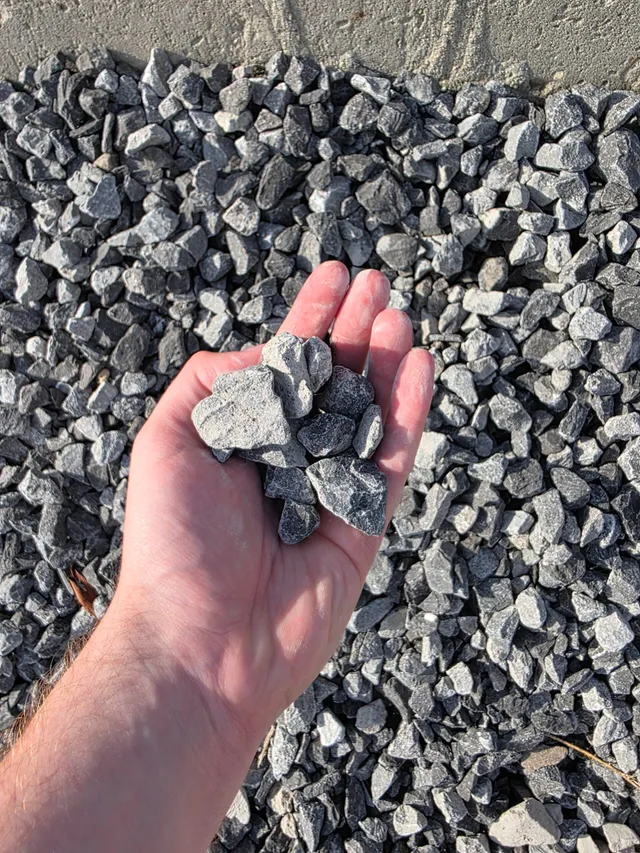
Driveway Gravel
Driveways & Parking areas
See delivered price
View product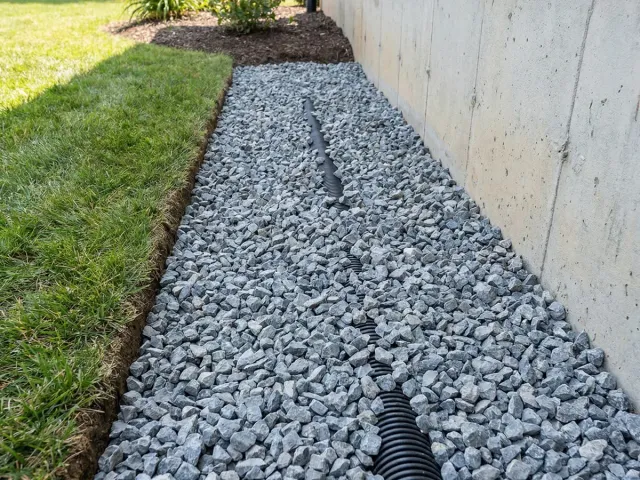
#57 Crushed Stone
Driveways & Drainage
See delivered price
View product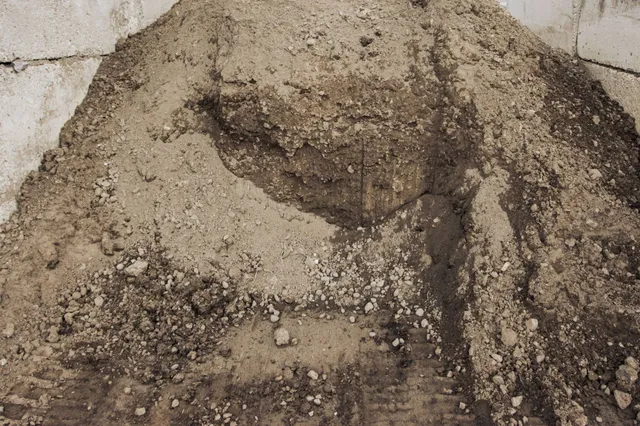
Fill Dirt
Grading & Backfill
See delivered price
View product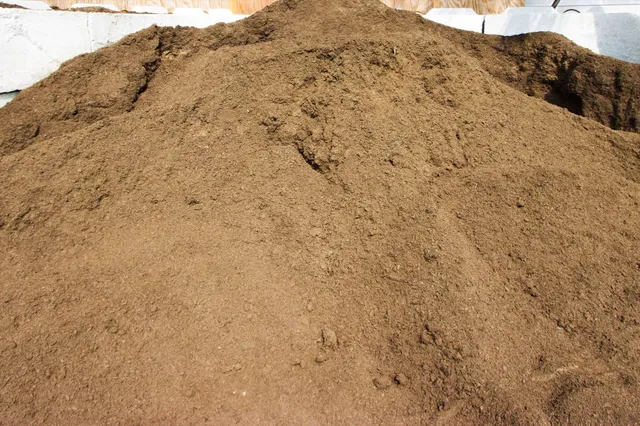
Topsoil
Lawn establishment & Garden beds
See delivered price
View product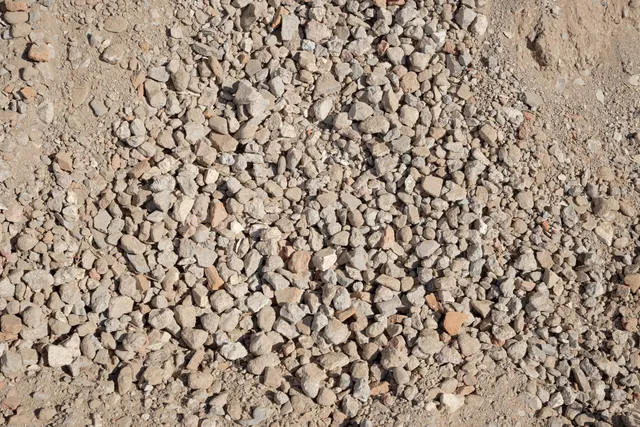
Road Base
Driveway base & Road construction
See delivered price
View product