
How Much Is a Yard of Dirt? Fill Dirt Cost (2026)
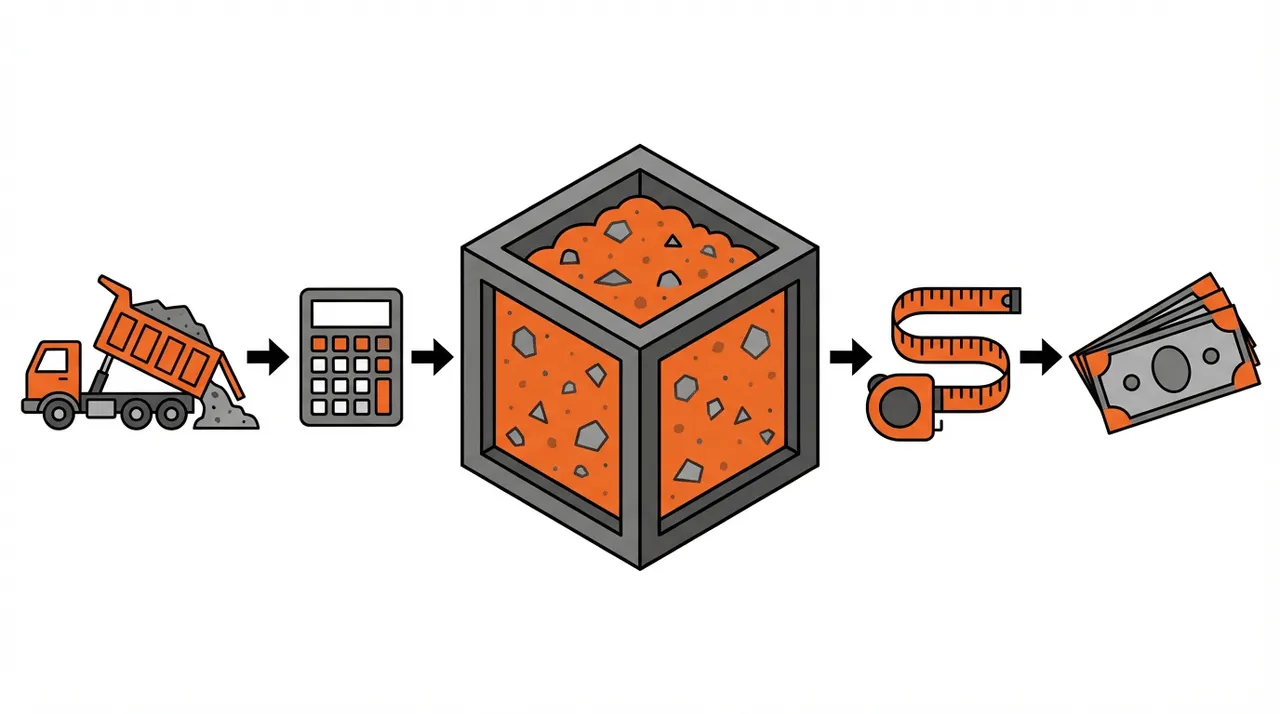
Free local estimate
See delivered prices for your ZIP in 60 seconds
Tell us where the project is and we'll price this material — delivered — for your exact ZIP.
- Real delivered pricing for your ZIP — not a generic range.
- Works for any quantity — driveways, pads, drains, or full projects.
- Prefer to talk? We follow up with local availability and delivery windows.
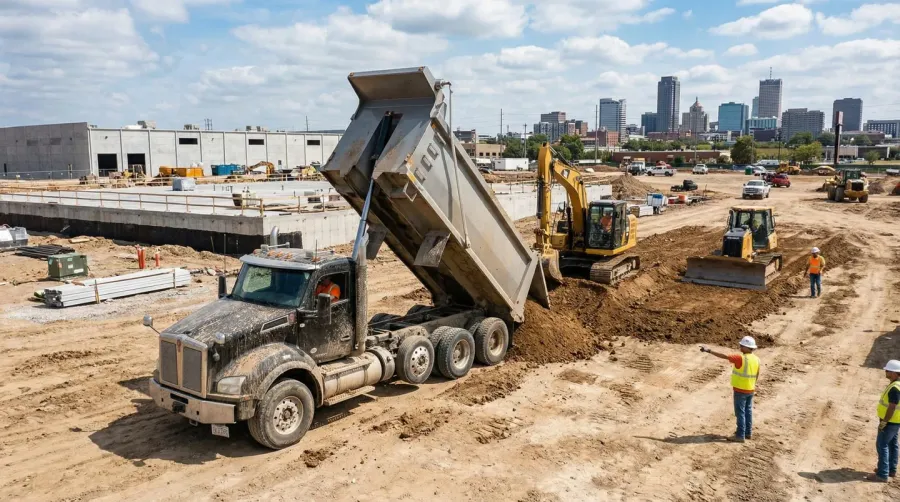
Planning a construction or landscaping project and wondering about fill dirt costs? You’re looking at spending between $8 to $50 per cubic yard for fill dirt, depending on the type and quality you choose. Most homeowners pay around $12 to $25 per cubic yard for standard fill dirt, while premium structural fill can cost $15 to $30 per cubic yard.
Quick Fact: Clean structural fill typically costs $15-30 per cubic yard, while basic subsoil runs $8-15 per cubic yard, making it essential to match your dirt type to your project requirements.
About Hello Gravel
Hello Gravel delivers bulk gravel, rock, dirt, and sand by the ton. Enter your ZIP code to see prices with delivery included. A local dump-truck driver places the load where access is safe; spreading is not included.
Understanding fill dirt types and their costs
Fill dirt isn’t a one-size-fits-all material. Different types serve specific purposes and come with varying price points that directly impact your project budget.
Structural fill represents the premium option at $15-30 per cubic yard. This compactable material creates solid foundations for buildings and driveways. You get superior stability and longevity, but you’ll pay more for these benefits. Structural fill contains minimal organic matter and compacts well under pressure.
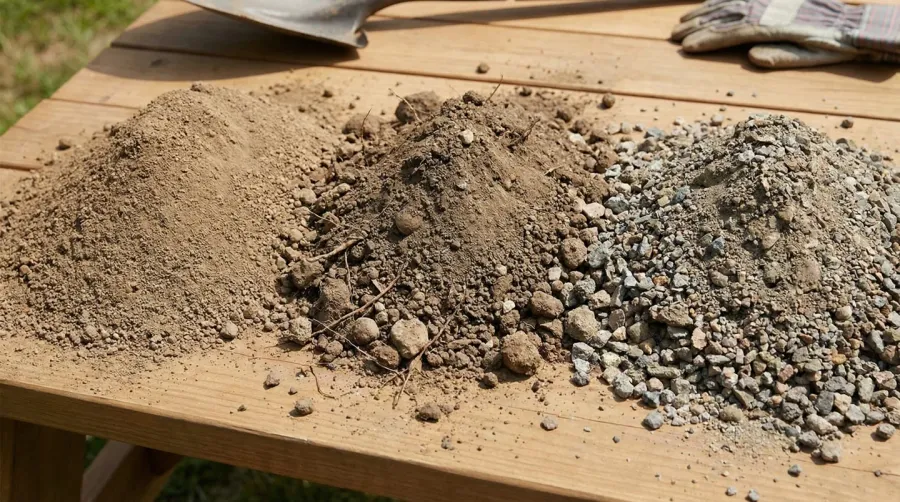
Subsoil fill offers the most economical choice at $8-15 per cubic yard. Sourced from beneath topsoil layers, it lacks organic matter that could cause settling. This makes it perfect for basic leveling work where premium stability isn’t critical.
Clean fill dirt falls in the middle range at $12-20 per cubic yard. Free from debris, rocks, and contaminants, it provides reliable performance for most residential projects. The cleaning process adds to the cost but ensures consistent quality.
| Fill Dirt Type | Price Range (per cubic yard) | Best Uses |
|---|---|---|
| Subsoil Fill | $8-15 | Basic leveling, large areas |
| Clean Fill | $12-20 | Residential landscaping |
| Structural Fill | $15-30 | Foundations, driveways |
Key factors that affect your fill dirt price
Several variables influence what you’ll actually pay for your fill dirt order. Understanding these helps you estimate costs more accurately and find potential savings.
Location and delivery distance significantly impact pricing. With nationwide coverage, suppliers can source locally from pits and haulers near your job site, which helps keep delivery costs reasonable. Typical delivery fees range from $50-150 within 10 miles, but costs can increase for longer distances. Urban areas often have higher base prices due to increased operational costs, while rural locations might offer lower material costs but higher delivery fees. To better understand fill dirt delivery costs, consider requesting quotes from multiple suppliers in your area.
Delivery Tip: Ordering larger quantities often reduces the per-yard cost and makes delivery fees more economical across your total order. Many suppliers specialize in orders of 500+ tons but can accommodate smaller residential projects too.
The quality and screening level you choose affects pricing substantially. Unscreened fill dirt costs less but may contain rocks, roots, or debris that could complicate your project. Screened materials cost 20-30% more but provide consistent particle size and easier handling.
Seasonal demand creates price fluctuations throughout the year. Spring and summer typically see higher prices due to increased construction activity, while fall and winter orders might qualify for discounts. Planning your project timing can lead to meaningful savings, especially when working with suppliers who maintain extensive networks of preferred local sources.
Calculating how much fill dirt you need
Getting your quantity calculation right prevents costly overordering or project delays from running short. The process involves measuring your space and accounting for compaction.
Start by measuring the length, width, and desired depth of your fill area in feet. Multiply these three numbers together to get cubic feet, then divide by 27 to convert to cubic yards. For example, an area that’s 30 feet long, 20 feet wide, and needs 6 inches of fill equals 3,600 cubic feet, or about 13.3 cubic yards.
Remember to add 10-15% extra for compaction and settling. Fill dirt naturally compacts over time, especially when moisture and weight are applied. This buffer ensures you have enough material to achieve your desired final grade.

Consider the existing ground conditions when calculating depth needs. Soft or uneven terrain might require additional fill to create a stable base. If you’re unsure about measurements, many suppliers offer material calculators and expert guidance to help with calculations. You can also learn more about how much 1 cubic yard of fill dirt costs to better plan your budget.
Smart strategies for buying fill dirt
Choosing the right supplier and timing your purchase can significantly impact your total project cost. Focus on value rather than just the lowest price per yard.
Request quotes from multiple suppliers to compare pricing and services. Look beyond the per-yard cost to include delivery fees, minimum order requirements, and quality guarantees. Online ordering platforms can streamline this process, eliminating phone tag and quote chains while providing transparent pricing. Some suppliers offer package deals that include delivery and spreading services, plus dedicated account managers for professional contractors.
Money-Saving Strategy: Coordinate with neighbors on large orders to split delivery costs and potentially qualify for bulk pricing discounts.
Verify the fill dirt quality before delivery arrives. Ask about the source location, screening process, and whether the material has been tested for contaminants. Quality fill dirt should be free from organic matter, debris, and harmful substances. Working with suppliers who have extensive experience in aggregate supply chains and have delivered millions of tons for projects ranging from small driveways to large civil construction can provide added confidence in material quality.
Consider timing your order during off-peak seasons when demand is lower. Many suppliers offer better pricing during fall and winter months when construction activity slows down. Planning ahead allows you to take advantage of these seasonal savings. For larger projects, understanding fill dirt cost per load can help you determine the most economical ordering strategy.
If you’re also considering other materials for your project, you might want to compare gravel driveway costs or explore bulk sand prices to ensure you’re getting the best value across all your material needs.
Getting the right fill dirt at a fair price requires understanding the different types available and the factors that influence cost. Whether you need basic subsoil for a simple grading project or premium structural fill for a foundation, knowing what to expect helps you budget accurately and choose the best material for your specific needs. Take time to calculate your requirements carefully and compare suppliers to ensure you get quality material that supports your project’s success.
FAQ
What is the average cost of fill dirt per cubic yard?
Fill dirt typically costs between $8 to $50 per cubic yard, depending on the type and quality. Most homeowners pay around $12 to $25 per cubic yard for standard fill dirt. Basic subsoil runs $8-15 per cubic yard, clean fill dirt costs $12-20 per cubic yard, while premium structural fill ranges from $15-30 per cubic yard.
How do I calculate how much fill dirt I need for my project?
Measure the length, width, and desired depth of your fill area in feet. Multiply these three numbers together to get cubic feet, then divide by 27 to convert to cubic yards. Always add 10-15% extra for compaction and settling. For example, a 30×20 foot area needing 6 inches of fill equals about 13.3 cubic yards, plus the compaction buffer.
What factors affect fill dirt pricing?
Several factors influence fill dirt costs including location and delivery distance ($50-150 for delivery within 10 miles), quality and screening level (screened materials cost 20-30% more), seasonal demand (spring/summer prices are higher), and the type of fill dirt chosen. Urban areas typically have higher base prices than rural locations.
What’s the difference between structural fill and regular fill dirt?
Structural fill is a premium option costing $15-30 per cubic yard that’s specifically designed for foundations and driveways. It contains minimal organic matter and compacts well under pressure for superior stability. Regular fill dirt or subsoil costs $8-15 per cubic yard and is suitable for basic leveling work where premium stability isn’t critical.
Materials for this project
Get it delivered — dumped where you need it
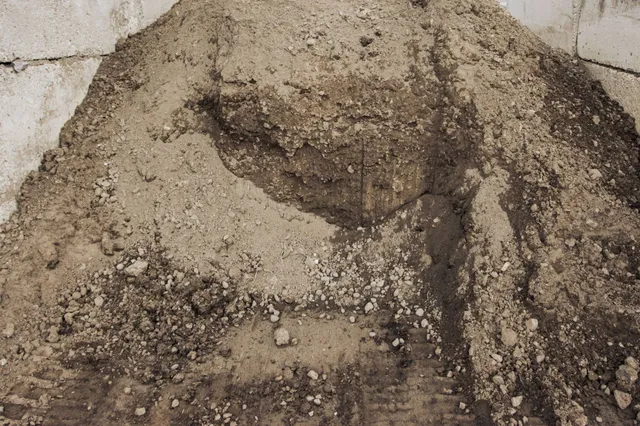
Fill Dirt
Grading & Backfill
See delivered price
View product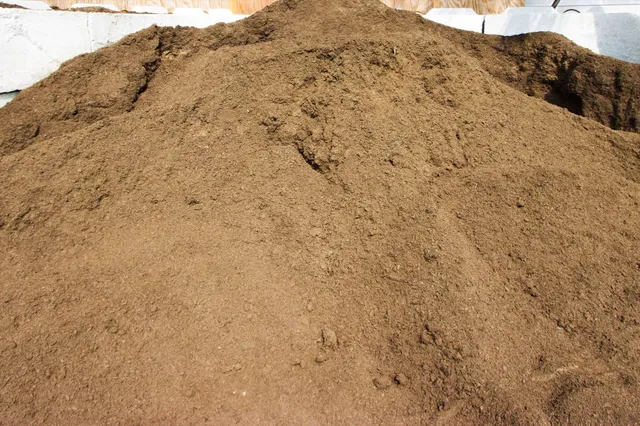
Topsoil
Lawn establishment & Garden beds
See delivered price
View product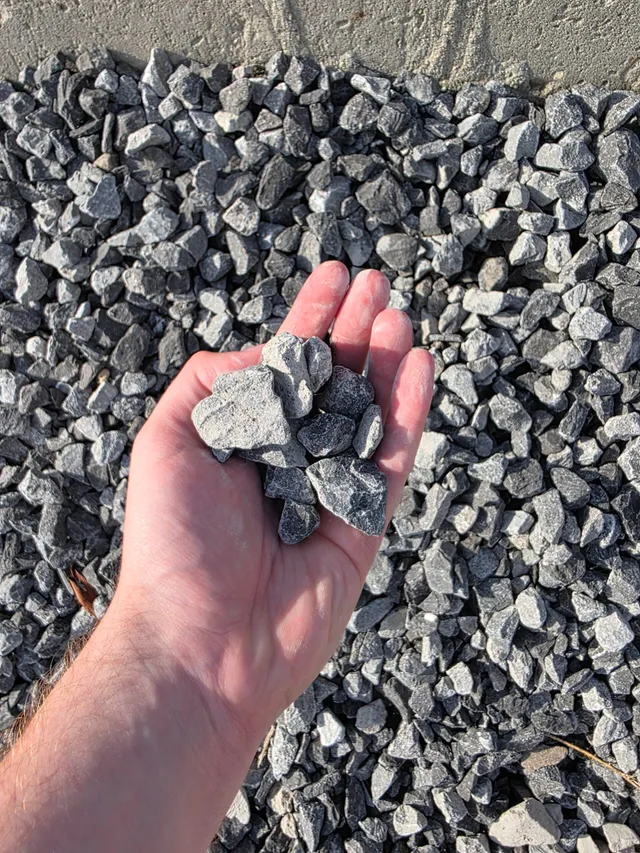
Driveway Gravel
Driveways & Parking areas
See delivered price
View product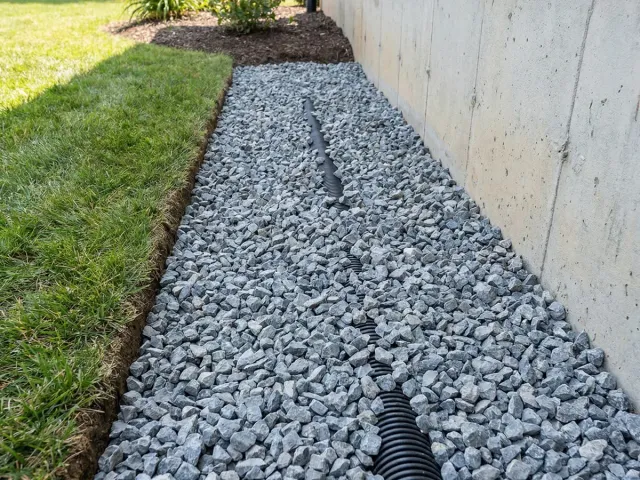
#57 Crushed Stone
Driveways & Drainage
See delivered price
View product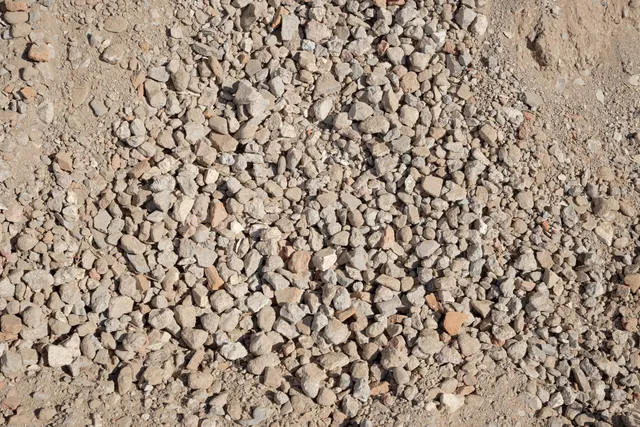
Road Base
Driveway base & Road construction
See delivered price
View product