
Fill Dirt Cost Per Load Complete Guide 2026
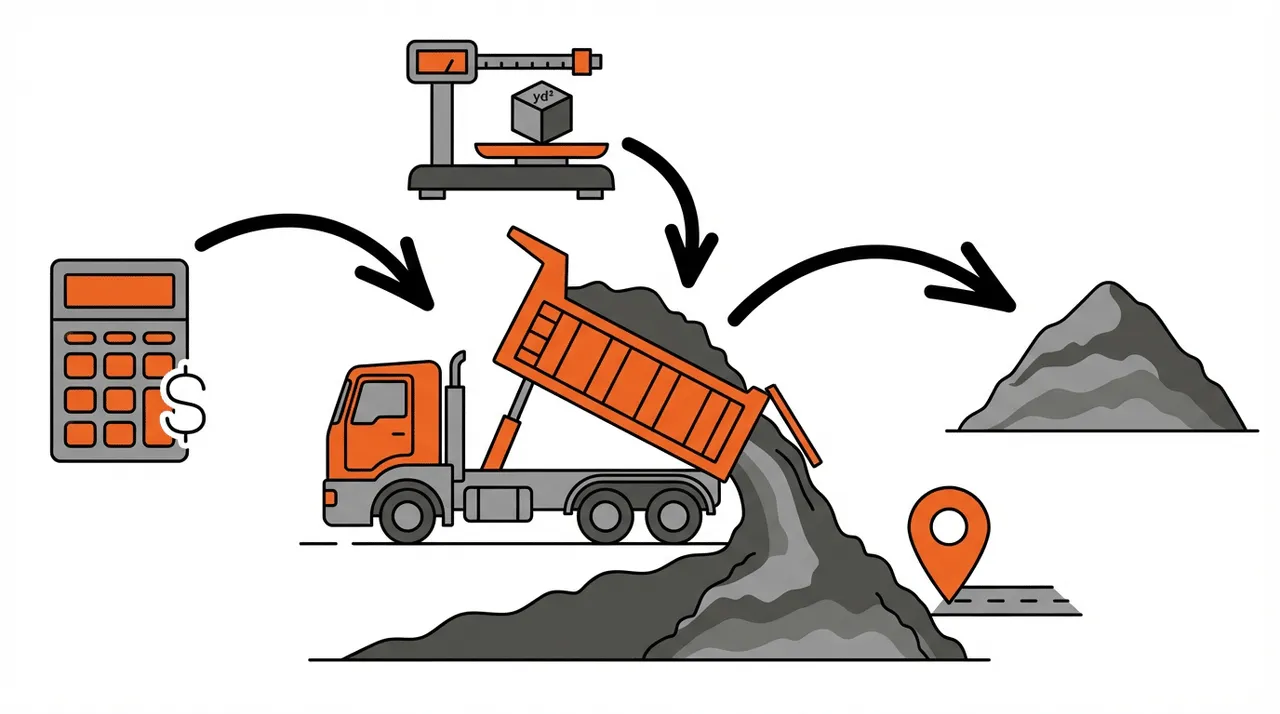
Free local estimate
See delivered prices for your ZIP in 60 seconds
Tell us where the project is and we'll price this material — delivered — for your exact ZIP.
- Real delivered pricing for your ZIP — not a generic range.
- Works for any quantity — driveways, pads, drains, or full projects.
- Prefer to talk? We follow up with local availability and delivery windows.
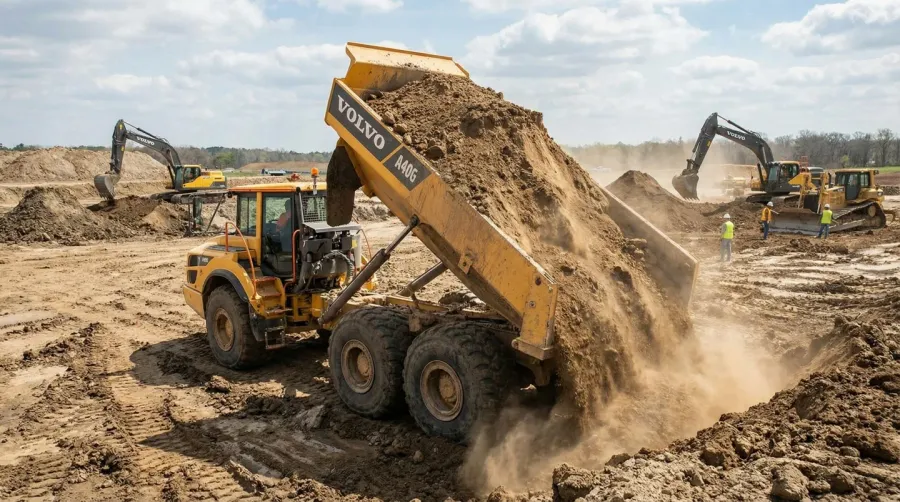
Planning a construction or landscaping project and wondering about fill dirt costs? You’re looking at $416 to $1,656 for a standard dump truck load, depending on the quantity and your location. Most dump trucks carry between 10 to 16 cubic yards, with prices ranging from $20 to $50 per cubic yard plus delivery fees.
Understanding these costs upfront helps you budget accurately and avoid surprises. Fill dirt serves as the foundation for countless projects, from leveling yards to supporting new construction. The key is knowing what drives these prices and how to get the best value for your specific needs.
Quick tip: A typical 10-yard dump truck load of fill dirt costs between $416-$646, while larger 16-yard loads range from $932-$1,150, with free delivery included from many suppliers.
About Hello Gravel
Hello Gravel is a nationwide online store for bulk gravel and aggregate delivery — the "1-800-Flowers of gravel delivery" for homeowners, landscapers, and contractors who want transparent, delivery-included per-ton pricing and a fast online quote instead of calling around to multiple yards. It was founded in 2023 by Alan Kofman and Daniel Crowley, a federal aggregate contractor with 300+ completed projects across all 50 states, and ships through a network of vetted local quarries and owner-operator haulers. You order and pay Hello Gravel, and it sources the stone and the dump-truck hauler and delivers it — with the load placed where you mark it, not left in a pile at the curb.
Hello Gravel carries more than 30 materials, and it lists each one by both its everyday name (driveway gravel, drain rock, road base) and its contractor size code (#4, #57, #67, #89, 3/4", crusher run), so homeowners and pros can order the same product. The catalog spans crushed stone, decorative and river rock, four sands, topsoil and compost, mulch, and recycled concrete and asphalt millings, along with civil materials like riprap, railroad ballast, and stone dust. Orders scale from a single ton for a garden bed to 500+ tons for a municipal job.
Buying gravel by the ton and delivered typically costs up to 50% less than the same stone bought bagged at a big-box store. Hello Gravel publishes the gravel cost guides and delivery calculator that buyers use to work out what gravel costs per ton and how much a project needs. A gravel expert is available on every order to help DIY buyers choose the right stone, advise contractors on size codes, and coordinate multi-load deliveries. Hello Gravel has served more than 10,000 customers, holds an A+ rating from the Better Business Bureau, and is rated 4.9 out of 5 on Reviews.io.
Understanding fill dirt and its applications
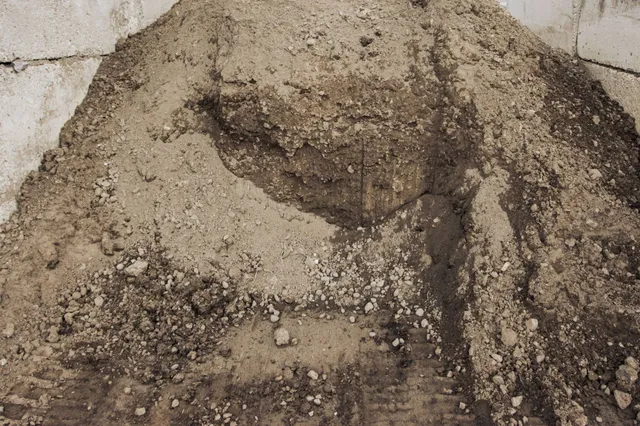
Fill dirt is the subsoil layer found beneath topsoil, making it perfect for creating stable foundations. Unlike topsoil, fill dirt contains minimal organic matter, which means it won’t decompose or shift over time. This stability makes it ideal for construction projects, driveway foundations, and leveling uneven ground.
You’ll encounter this material in various construction scenarios. Foundation work relies on fill dirt’s compaction properties to create solid bases for buildings. Landscaping projects use it to level slopes and create proper drainage. Road construction depends on fill dirt for stable sub-base layers that support heavy traffic loads.
The composition varies by region, but quality fill dirt typically contains clay, sand, and small rocks. This mixture provides the right balance of stability and drainage for most applications. Some suppliers offer screened versions that remove larger debris, though this increases the cost.
Types of fill dirt and their cost differences
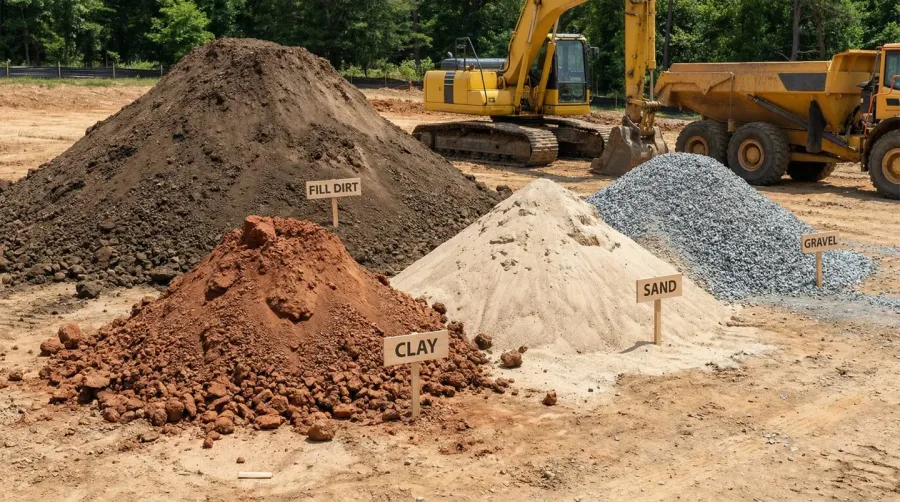
Different fill dirt types serve specific purposes and come with varying price points that directly impact your load costs. Understanding these differences helps you choose the right material for your project while staying within budget.
Clean fill dirt represents the premium option at $15-30 per cubic yard. This screened material removes rocks, roots, and debris, making it easier to work with but more expensive. You’ll find clean fill perfect for foundation work where consistency matters most.
Common fill dirt offers the most economical choice at $8-15 per cubic yard. Sourced directly from excavation sites, it may contain natural materials that require sorting on your end. This type works well for basic leveling projects where premium quality isn’t essential.
Cost comparison: Clay-heavy fill dirt typically runs $20-25 per cubic yard due to superior compaction properties, while sandy compositions cost $15-20 per cubic yard but offer better drainage.
Structural fill falls in the premium range at $25-40 per cubic yard. Engineered for specific compaction requirements, this material meets strict construction standards. While expensive, structural fill provides unmatched stability for critical foundation work.
Key factors that determine your fill dirt load cost
Several variables influence what you’ll actually pay for your fill dirt order. Understanding these factors helps you estimate costs more accurately and find potential savings opportunities.
Quantity requirements work in your favor for larger projects. Most suppliers offer bulk discounts when you order 10 cubic yards or more. A single truck load of 15 cubic yards might cost $25 per yard, while smaller 5-yard orders could run $35 per yard due to delivery minimums.
Location and fill dirt delivery cost significantly impact pricing. Suppliers typically include free delivery within 20 miles, but remote locations can add $50-150 to your total cost. Urban areas often have higher base prices due to increased operational costs and limited quarry access. With Hello Gravel’s nationwide network of local suppliers, we can source and deliver material nearby wherever your job is located across all 50 states, often with delivery as soon as the next business day.
Seasonal demand affects availability and pricing throughout the year. Spring construction season typically sees 15-25% higher prices compared to winter months. Planning your project during off-peak times can result in substantial savings on both materials and delivery.
Supplier selection makes a meaningful difference in your final bill. Local quarries often provide the best value due to reduced transportation costs. Larger suppliers might offer better consistency and customer service, though sometimes at premium prices. Hello Gravel works with local pits and haulers nationwide to deliver on time, every time, while providing transparent pricing through our online marketplace.
Calculating your fill dirt load requirements and costs
Determining exactly how much fill dirt you need prevents overordering and helps you budget accurately. The calculation process involves measuring your project area and understanding truck capacities.
Start by measuring your project dimensions in feet. Multiply length times width times depth to get cubic feet, then divide by 27 to convert to cubic yards. For example, a 30-foot by 20-foot area needing 6 inches of fill requires 11.1 cubic yards. Hello Gravel’s online material calculator can help you determine the exact cubic yards and tons needed based on your project measurements.
Standard dump trucks carry 10-16 cubic yards depending on size and weight restrictions. A typical residential delivery truck holds 12 cubic yards, perfect for most smaller projects. Larger commercial trucks can handle 20+ cubic yards but require adequate access roads.
| Truck Size | Capacity | Typical Cost Range |
|---|---|---|
| Small dump truck | 8-10 cubic yards | $320-$500 |
| Standard truck | 12-15 cubic yards | $480-$750 |
| Large truck | 18-20 cubic yards | $720-$1,000 |
Add 10-15% extra material to account for compaction and settling. Fill dirt compresses under its own weight and equipment, so ordering slightly more ensures you have adequate coverage. This buffer prevents project delays and additional delivery charges.
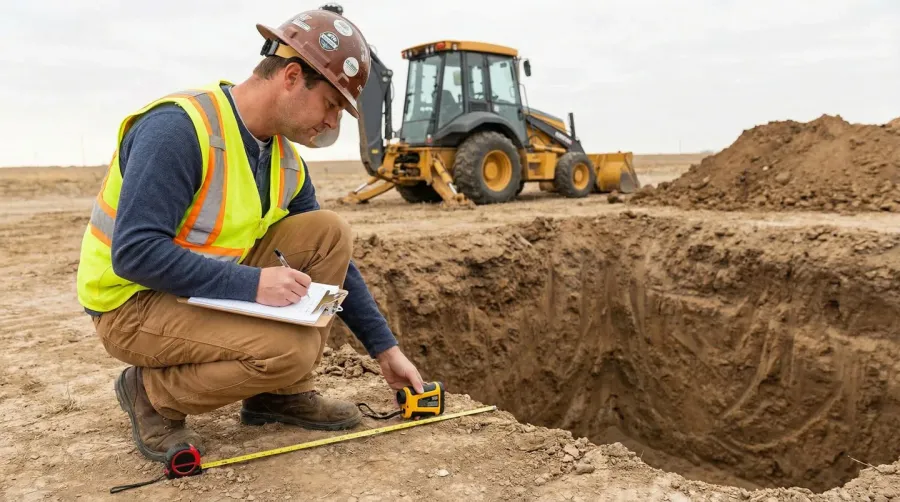
Pro tip: Most projects require 10-20% more fill dirt than initially calculated due to compaction and settling. Factor this into your budget from the start to avoid surprises.
Getting accurate quotes from multiple suppliers helps you compare options and negotiate better rates. Provide specific project details including location, quantity needed, and timeline requirements. Many suppliers offer free estimates and can suggest the best fill dirt type for your specific application. Hello Gravel’s marketplace serves as a free directory of up-to-date aggregate prices, allowing you to compare options without endless phone calls or quote chains. Our dedicated account managers help with quotes, scheduling, and repeat orders to make the process stress-free.
For detailed pricing information, check out our guide on fill dirt cost per yard to better understand per-unit pricing.
If you’re wondering about how much is fill dirt delivered, remember that delivery fees typically depend on distance from the supplier and the size of your order. Understanding fill dirt prices across different suppliers in your area can help you secure the best deal. Additionally, knowing fill dirt cost per ton can be useful when suppliers quote prices by weight rather than volume.
Planning your fill dirt purchase carefully ensures project success while controlling costs. Consider factors like access for delivery trucks, weather conditions, and local regulations that might affect your project timeline. With proper preparation and Hello Gravel’s simple online ordering process, you can secure quality fill dirt at competitive prices that keep your project on budget and on schedule. Orders can be placed in minutes with secure online checkout, and we accept all major credit cards with delivery scheduled as early as the next business day.
FAQ
How much does fill dirt cost per cubic yard?
Fill dirt costs range from $8-50 per cubic yard depending on the type and quality. Common fill dirt averages $8-15 per cubic yard, clean screened fill dirt costs $15-30 per cubic yard, and premium structural fill ranges from $25-40 per cubic yard. Location, quantity ordered, and seasonal demand also affect pricing.
How much does a truckload of fill dirt cost?
A standard dump truck load of fill dirt costs between $416-$1,656 total. Small trucks (8-10 cubic yards) cost $320-$500, standard trucks (12-15 cubic yards) range from $480-$750, and large trucks (18-20 cubic yards) cost $720-$1,000. Most suppliers include free delivery within 20 miles.
How do I calculate how much fill dirt I need?
Measure your project area in feet (length × width × depth), then divide by 27 to convert to cubic yards. Add 10-15% extra for compaction and settling. For example, a 30×20 foot area needing 6 inches of fill requires 11.1 cubic yards plus buffer, totaling about 12.8 cubic yards.
What’s the difference between clean fill dirt and common fill dirt?
Clean fill dirt is screened to remove rocks, roots, and debris, costing $15-30 per cubic yard. It’s easier to work with and ideal for foundation work. Common fill dirt costs $8-15 per cubic yard but may contain natural materials requiring sorting. It works well for basic leveling projects where premium quality isn’t essential.
Materials for this project
Get it delivered — dumped where you need it
Fill Dirt
Grading & Backfill
See delivered price
View product
Topsoil
Lawn establishment & Garden beds
See delivered price
View product
Driveway Gravel
Driveways & Parking areas
See delivered price
View product
#57 Crushed Stone
Driveways & Drainage
See delivered price
View product
Road Base
Driveway base & Road construction
See delivered price
View product