
River Rock Size Chart for Landscaping
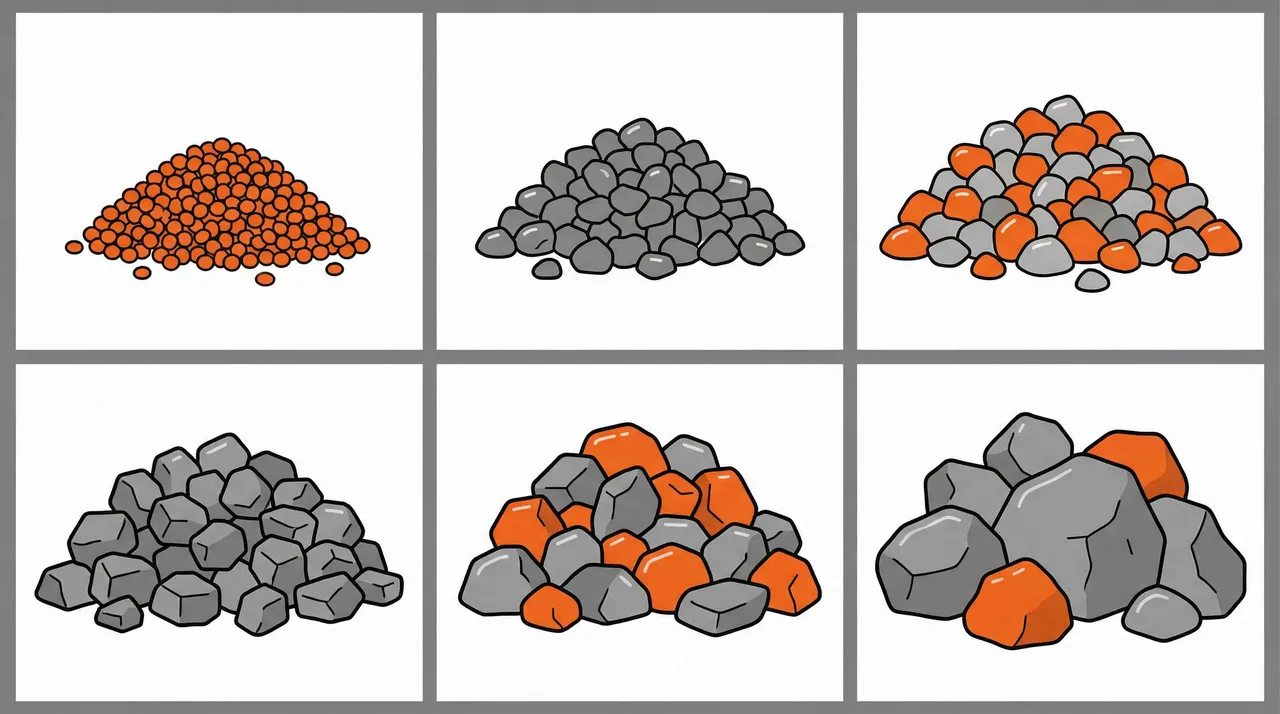
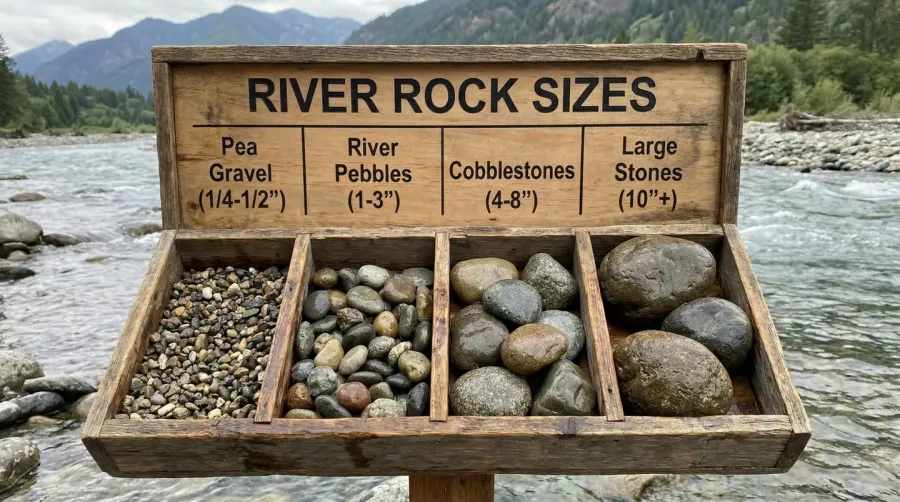
Choosing the right river rock size prevents drainage issues and enhances your landscape’s visual appeal. River rocks range from tiny pea gravel at ⅜ inch to massive boulders over 5 inches in diameter. The most common sizes include pea gravel (⅜” to ½”), small river rock (¾” to 1½”), medium stones (1½” to 3″), and large river rock (3″ to 5″+).
Understanding these size categories helps you select the perfect material for pathways, drainage systems, decorative accents, or erosion control. Each size serves specific purposes and offers unique benefits for different landscaping applications.
Pro Tip: Mixing different river rock sizes creates natural-looking landscapes while improving drainage and reducing material costs.
About Hello Gravel
Hello Gravel delivers bulk gravel, rock, dirt, and sand by the ton. Enter your ZIP code to see prices with delivery included. A local dump-truck driver places the load where access is safe; spreading is not included.
Why river rock size matters
The size of your river rock directly impacts three critical aspects of your landscaping project. First, drainage performance varies significantly between sizes. Smaller rocks like pea gravel allow water to flow freely between particles, making them excellent for French drains and permeable surfaces. Larger rocks create bigger gaps that handle heavy water flow but may not filter as effectively.
Second, erosion control depends heavily on rock size and weight. Medium to large river rocks resist displacement from wind and water, making them ideal for slopes and shoreline protection. Small rocks work better for gentle areas where you need ground cover without overwhelming visual weight.
Third, aesthetic proportion matters for visual harmony. Your rock size should complement your space’s scale. Small gardens benefit from pea gravel and small river rock, while expansive landscapes can accommodate larger stones as focal points.
Complete river rock sizes breakdown
Understanding specific size categories helps you make informed decisions for your project. Each size range offers distinct advantages and works best in particular applications.
Pea Gravel (⅜” to ½”) creates smooth, walkable surfaces perfect for pathways and patios. Its small size allows for easy installation and excellent compaction. You can walk comfortably on pea gravel, and it stays in place well with proper edging.
Small River Rock (¾” to 1½”) bridges the gap between pea gravel and larger stones. This size works wonderfully for decorative ground cover, dry creek beds, and areas where you want texture without overwhelming smaller plants.
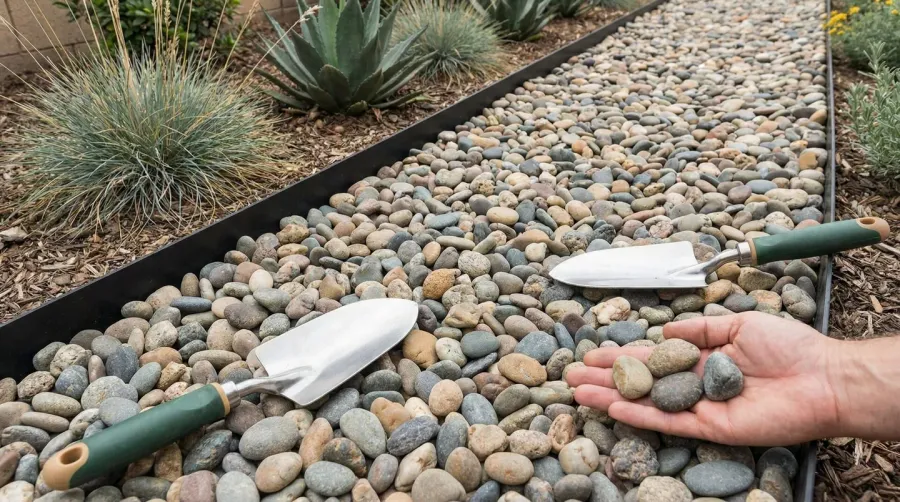
Medium River Rock (1½” to 3″) provides substantial coverage while remaining manageable for most homeowners. These stones excel in water features, around tree bases, and for creating natural-looking borders between different landscape zones.
Large River Rock (3″ to 5″+) makes bold statements and serves structural purposes. Use these for retaining walls, major focal points, and areas requiring serious erosion control.
Factors that determine river rock sizes
River flow velocity plays the primary role in shaping rock sizes. Fast-moving water breaks down stones and carries smaller particles downstream, leaving larger rocks behind. Slower currents allow smaller stones to settle and accumulate.
The geological composition of riverbeds influences available sizes. Areas with harder bedrock tend to produce more uniform, rounded stones. Softer geological formations create a wider variety of sizes as different minerals erode at different rates.
Interesting Fact: River rocks can take thousands of years to achieve their smooth, rounded shape through constant tumbling in moving water.
Seasonal water levels also affect size distribution. Spring floods may move larger rocks that remain stationary during normal flow periods. This natural sorting process creates the size variations we see in river rock deposits across different regions.
How to choose the right size for your project
Start by identifying your project’s primary purpose. Drainage applications require smaller sizes like pea gravel that allow water movement. Decorative features can use any size that fits your design vision. Erosion control needs larger, heavier stones that resist displacement.
Consider your maintenance preferences when selecting sizes. Smaller rocks may require occasional raking to maintain appearance, while larger stones stay in place with minimal upkeep. Weeds can grow between larger rocks more easily than through tightly packed pea gravel.
Think about installation requirements too. You can install pea gravel and small river rock yourself with basic tools. Medium and large stones may require professional installation or heavy equipment, especially for retaining walls or major landscape features.
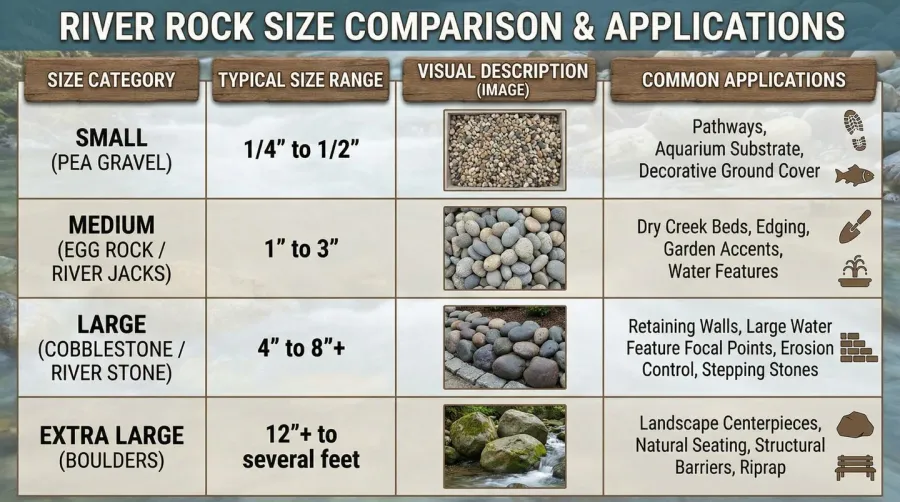
| Size Range | Best Uses | Key Benefits |
|---|---|---|
| ⅜” to ½” | Pathways, patios, drainage | Easy installation, comfortable walking |
| ¾” to 1½” | Ground cover, dry creeks | Versatile, natural appearance |
| 1½” to 3″ | Water features, borders | Good coverage, manageable size |
| 3″ to 5″+ | Focal points, erosion control | Maximum impact, structural strength |
Tips for successful river rock installation
Calculate your coverage needs before ordering. Pea gravel typically covers about 100 square feet per ton at 2-inch depth. Larger rocks cover less area but provide more visual impact per stone.
Coverage Tip: Always order 10-15% extra material to account for settling and future touch-ups.
Prepare your base properly regardless of rock size. Remove existing vegetation, level the area, and install landscape fabric to prevent weeds. For pathways and patios, add a layer of compacted sand or gravel base for stability.
Consider mixing sizes strategically. Use larger rocks as borders or accents with smaller rocks as fill material. This approach looks natural while reducing costs and improving functionality.
Proper edging prevents rock migration and maintains clean lines. Install metal, plastic, or stone edging before placing your river rocks, especially for smaller sizes that tend to spread over time.
When selecting river rock sizes, match your choice to your project’s specific needs and your landscape’s scale. Understanding river rock gravel sizes and knowing where to buy river rock creates beautiful, functional outdoor spaces that require minimal maintenance while providing lasting value. For larger projects, you might also want to explore where to buy river rocks in bulk wholesale to get the best pricing. Take time to plan your project carefully, and you’ll enjoy the natural beauty of river rock for years to come.
FAQ
What are the standard river rock sizes for landscaping?
River rock sizes typically range from ⅜ inch pea gravel to 5+ inch boulders. The most common categories include pea gravel (⅜” to ½”) for pathways, small river rock (¾” to 1½”) for ground cover, medium stones (1½” to 3″) for water features and borders, and large river rock (3″ to 5″+) for focal points and erosion control.
What size river rock is best for pathways and walkways?
Pea gravel (⅜” to ½”) is the best river rock size for pathways because it creates smooth, comfortable walking surfaces that compact well and provide excellent drainage. Small river rock (¾” to 1½”) can also work for pathways but may be slightly less comfortable underfoot than pea gravel.
How do I choose the right river rock size for my project?
Choose river rock size based on your project’s primary purpose: use smaller sizes (⅜” to 1½”) for drainage and pathways, medium sizes (1½” to 3″) for decorative ground cover and water features, and larger sizes (3″ to 5″+) for erosion control and focal points. Consider your landscape’s scale, maintenance preferences, and installation requirements when making your selection.
What factors determine natural river rock sizes?
River flow velocity is the primary factor determining rock sizes, as fast-moving water breaks down stones and carries smaller particles downstream. Geological composition of riverbeds and seasonal water level changes also influence size distribution. River rocks can take thousands of years to achieve their smooth, rounded shape through constant tumbling in moving water.
Materials for this project
Get it delivered — dumped where you need it
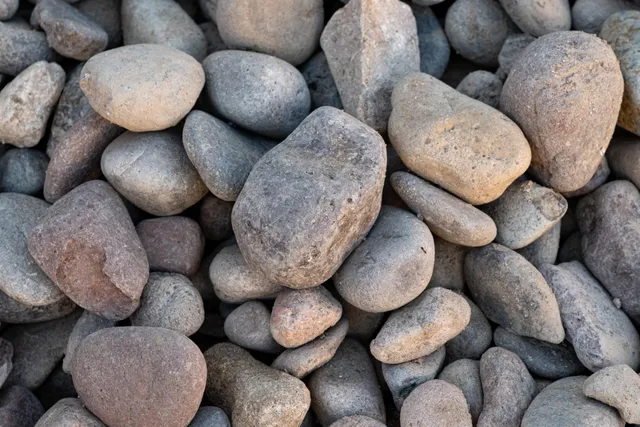
River Rock
Landscaping & Dry creek beds
See delivered price
View product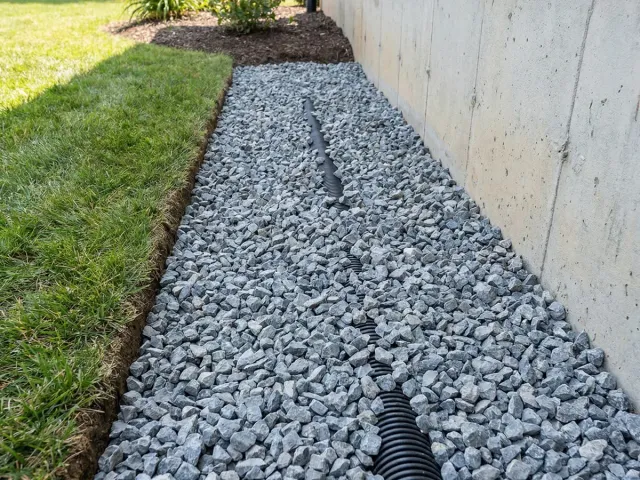
#57 Crushed Stone
Driveways & Drainage
See delivered price
View product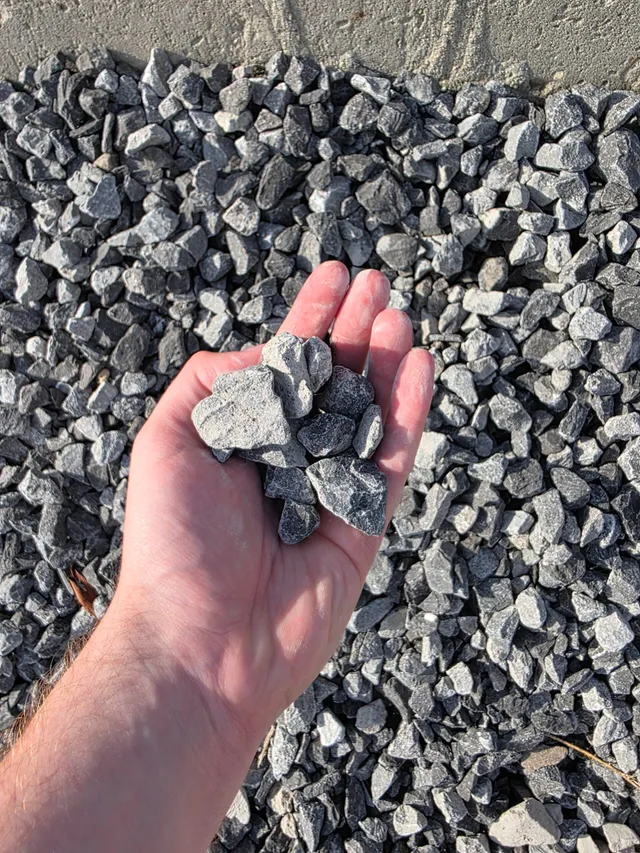
Driveway Gravel
Driveways & Parking areas
See delivered price
View product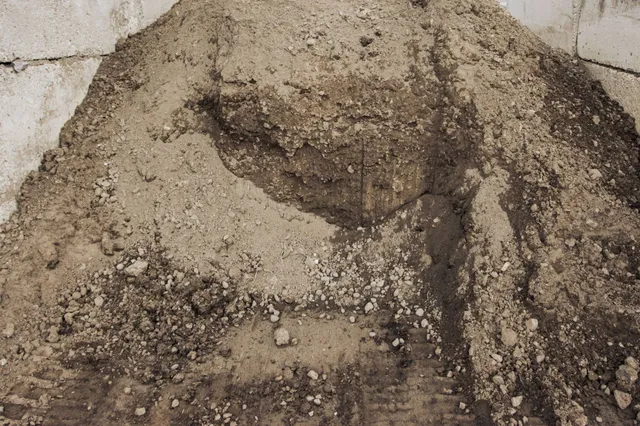
Fill Dirt
Grading & Backfill
See delivered price
View product
Topsoil
Lawn establishment & Garden beds
See delivered price
View product