
How Much River Rock Do I Need (Walkway Calculator)
Free local estimate
See delivered prices for your ZIP in 60 seconds
Tell us where the project is and we'll price this material — delivered — for your exact ZIP.
- Real delivered pricing for your ZIP — not a generic range.
- Works for any quantity — driveways, pads, drains, or full projects.
- Prefer to talk? We follow up with local availability and delivery windows.
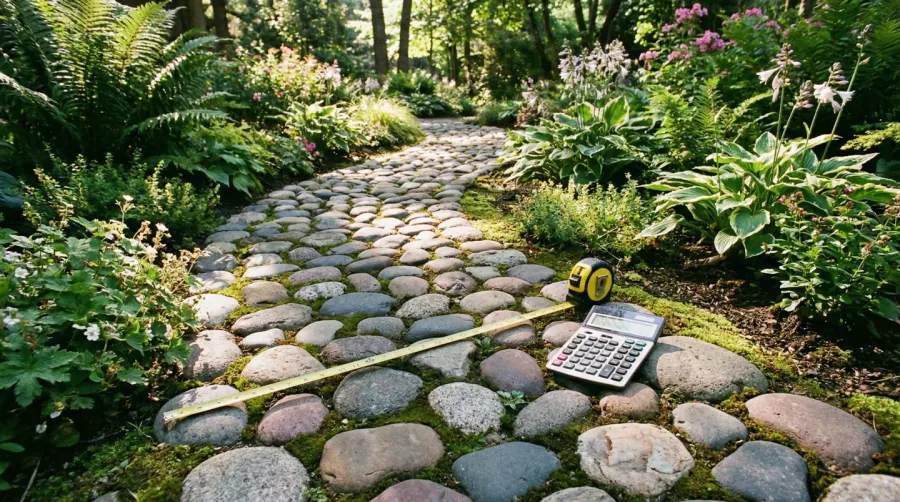
Planning a river rock walkway but unsure about quantities? You’ll need approximately 1.5 tons of river rock per 100 square feet at 2-inch depth. The exact amount depends on your walkway dimensions, desired depth, and rock size selection.
Quick calculation: Multiply your walkway’s length × width × depth (in feet), then divide by 27 to get cubic yards needed. One cubic yard typically weighs 1.3-1.7 tons depending on rock size.
River rock creates stunning, low-maintenance walkways that handle foot traffic beautifully while providing excellent drainage. Getting your quantities right from the start saves money and prevents project delays. This guide walks you through the complete calculation process, from measuring your space to selecting the right rock sizes for your specific needs.
About Hello Gravel
Hello Gravel delivers bulk gravel, rock, dirt, and sand by the ton. Enter your ZIP code to see prices with delivery included. A local dump-truck driver places the load where access is safe; spreading is not included.
Understanding river rock sizes for walkways
Different river rock sizes serve different purposes in walkway construction. Your choice affects both appearance and functionality, so understanding the options helps you make the best decision for your project.
Small river rocks measuring 0.5 to 1.5 inches work perfectly for comfortable walking surfaces. These sizes compact well and create smooth pathways that feel natural underfoot. They’re ideal for high-traffic areas where you want easy navigation without loose stones shifting around.
Medium rocks ranging from 1.5 to 3 inches offer excellent drainage while maintaining walkway stability. This size category handles most residential walkway needs effectively. The stones stay in place better than smaller options while still allowing water to flow through easily during rain.
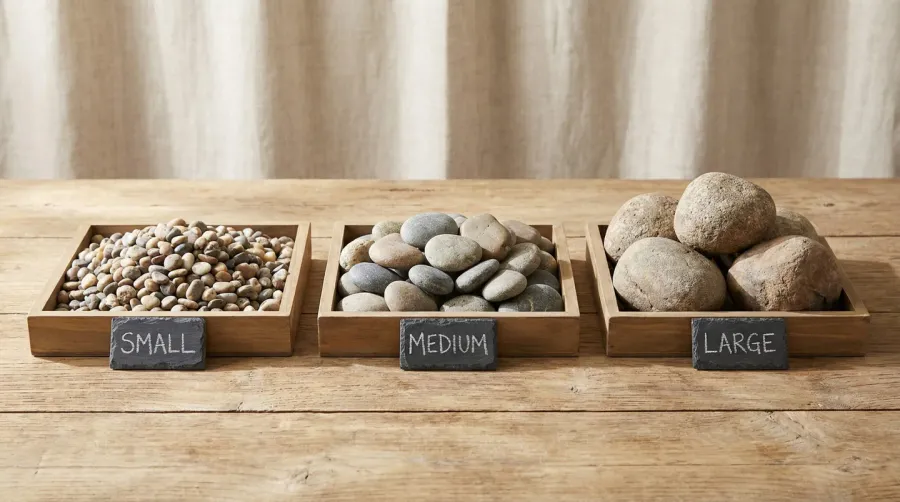
Large river rocks spanning 3 to 5 inches create dramatic visual impact but work better for borders or decorative accents rather than main walking surfaces. These sizes can feel unstable underfoot for regular use, though they excel at defining walkway edges or creating focal points in your landscape design. For a comprehensive breakdown of available options, check out our guide to river rock stone sizes.
Pro tip: Most walkway projects benefit from mixing two sizes – use medium rocks for the main surface and smaller rocks to fill gaps for a more stable, comfortable walking experience.
Measuring your walkway dimensions accurately
Getting precise measurements forms the foundation of accurate material calculations. Even small measurement errors can lead to significant over or under-ordering, so taking time to measure correctly saves both money and hassle.
Start by measuring the length and width of your planned walkway using a measuring tape or wheel. For straight paths, this process is straightforward. However, curved or winding walkways require breaking the path into smaller sections and measuring each segment separately.
Consider the depth carefully based on your intended use. Standard walkway depth ranges from 2 to 3 inches for most residential applications. Areas with heavy foot traffic or larger rocks may need 3 to 4 inches for proper stability and appearance.
Don’t forget to account for any slopes or grade changes in your walkway area. Sloped sections may require additional depth on the downhill side to maintain consistent coverage and prevent erosion during heavy rains.
Calculating river rock quantities step by step
The basic formula for calculating river rock needs is straightforward once you have your measurements. This calculation ensures you order the right amount without significant waste or shortages.
Use this formula: Length (feet) × Width (feet) × Depth (feet) ÷ 27 = Cubic yards needed. For example, a 20-foot long by 3-foot wide walkway at 2-inch depth requires: 20 × 3 × 0.167 = 10 cubic feet ÷ 27 = 0.37 cubic yards.
Convert cubic yards to tons using these general weights: small river rock weighs about 1.7 tons per cubic yard, medium rock weighs 1.5 tons per cubic yard, and large rock weighs 1.3 tons per cubic yard. These variations occur because smaller rocks pack more densely.
| Walkway Size | 2-inch Depth | 3-inch Depth |
|---|---|---|
| 50 sq ft | 0.75 tons | 1.1 tons |
| 100 sq ft | 1.5 tons | 2.3 tons |
| 200 sq ft | 3.0 tons | 4.5 tons |
Always add 10-15% extra to your calculated amount to account for compaction, settling, and future touch-ups. This buffer prevents running short during installation and provides material for maintenance over time. If you’re also planning a garden path, our river rock calculator for garden paths can help with those calculations too.

Installation preparation and best practices
Proper preparation ensures your river rock walkway performs well and looks great for years. The groundwork you do before laying rocks determines the long-term success of your project.
Clear the walkway area completely, removing all grass, weeds, and debris down to bare soil. Compact the soil using a hand tamper or plate compactor to create a stable base that won’t shift or settle unevenly under the rock layer.
Install landscape fabric or weed barrier across the entire walkway area. This step prevents weeds from growing through your river rock while allowing water drainage. Secure the fabric with landscape pins every few feet to keep it in place during rock installation.
Money-saving tip: Order river rock by the ton rather than by the bag when possible. Bulk delivery typically costs 30-50% less than bagged materials and saves significant time on larger projects.
Pour and spread the river rock evenly across your prepared surface, working in sections to maintain consistent depth. Use a rake to level the surface, then walk the entire walkway to identify any soft spots that need additional compaction or material. For convenient delivery options, explore river rock by the yard to simplify your ordering process.
Creating a beautiful river rock walkway becomes straightforward when you calculate quantities correctly and prepare thoroughly. Whether you’re sourcing materials from a landscape rock supply company or purchasing bulk landscape rock, proper planning ensures your walkway will provide years of low-maintenance beauty while enhancing your outdoor space’s functionality and appeal.
FAQ
How much river rock do I need for a 100 square foot walkway?
For a 100 square foot walkway at 2-inch depth, you’ll need approximately 1.5 tons of river rock. Use the formula: Length × Width × Depth (in feet) ÷ 27 to get cubic yards, then multiply by 1.5 tons per cubic yard for medium-sized rocks. Always add 10-15% extra for compaction and future touch-ups.
What size river rock is best for walkways?
Small to medium river rocks measuring 0.5 to 3 inches work best for walkways. Rocks sized 0.5-1.5 inches create the most comfortable walking surface and compact well, while 1.5-3 inch rocks offer excellent drainage and stability. Avoid rocks larger than 3 inches as they can feel unstable underfoot.
How deep should river rock be for a walkway?
River rock walkways should be 2-3 inches deep for most residential applications. This depth provides proper stability and drainage while maintaining a comfortable walking surface. Areas with heavy foot traffic or larger rocks may require 3-4 inches for optimal performance and appearance.
How do I calculate river rock from square feet to tons?
To convert square feet to tons: multiply your walkway’s square footage by depth in feet (2 inches = 0.167 feet), divide by 27 to get cubic yards, then multiply by the weight per cubic yard (1.7 tons for small rocks, 1.5 tons for medium rocks, 1.3 tons for large rocks). Add 10-15% extra for settling and maintenance.
Materials for this project
Get it delivered — dumped where you need it
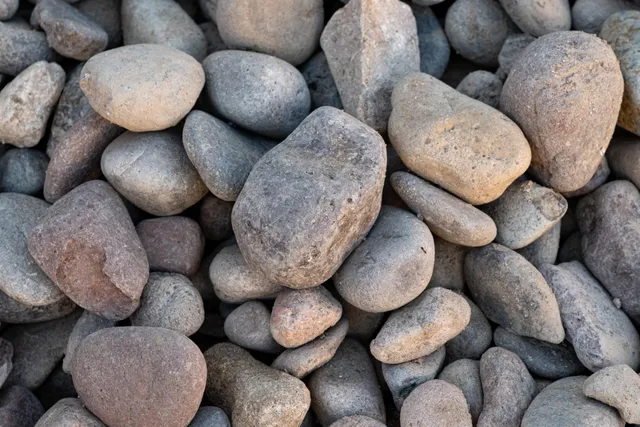
River Rock
Landscaping & Dry creek beds
See delivered price
View product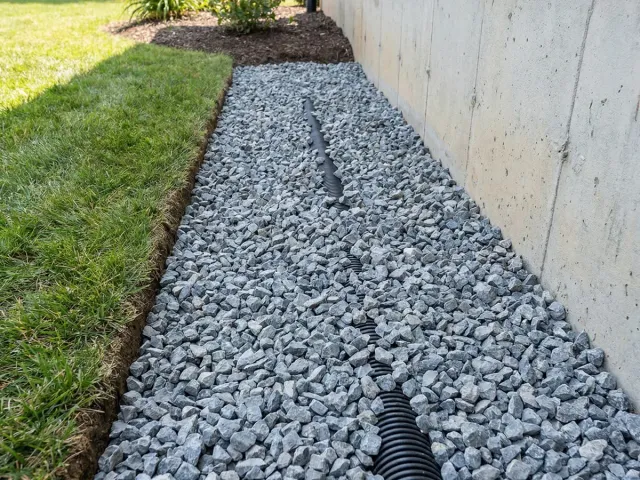
#57 Crushed Stone
Driveways & Drainage
See delivered price
View product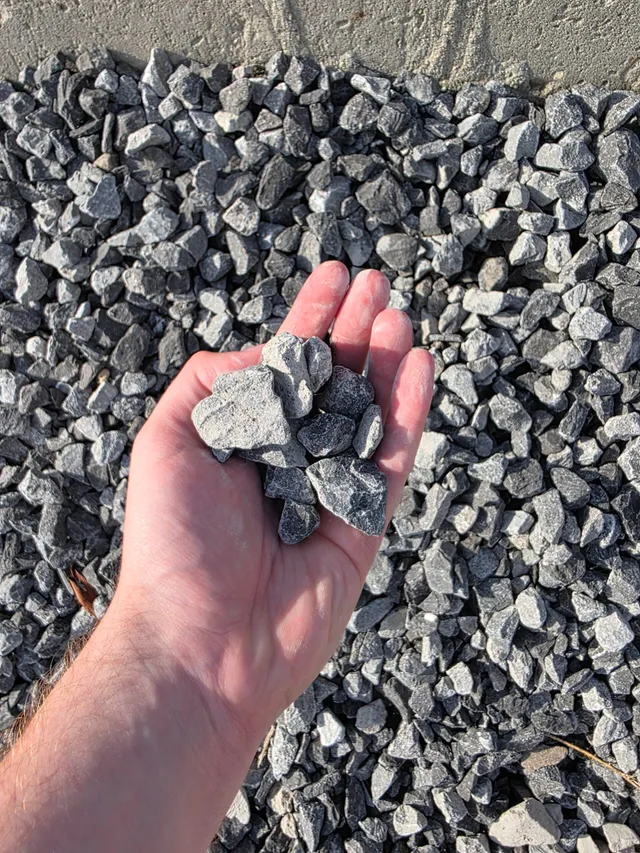
Driveway Gravel
Driveways & Parking areas
See delivered price
View product
Fill Dirt
Grading & Backfill
See delivered price
View product
Topsoil
Lawn establishment & Garden beds
See delivered price
View product