
River Rock Sizes Chart With Pictures for Landscaping
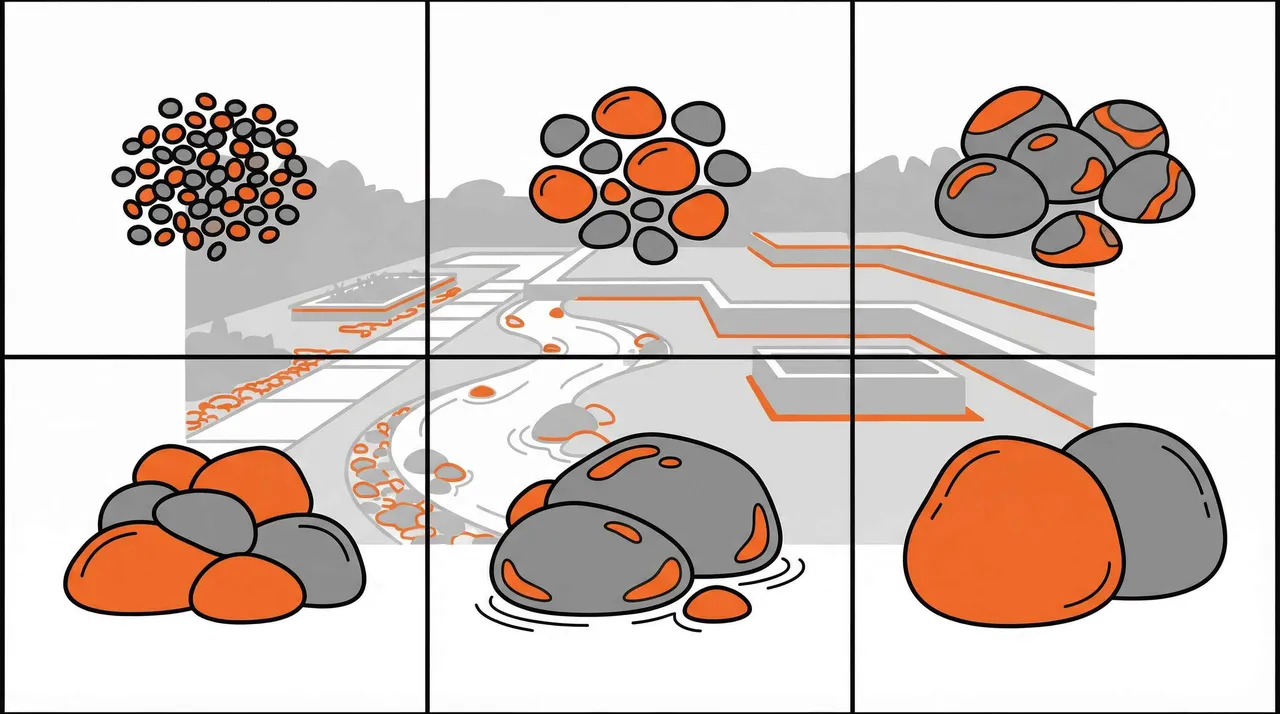
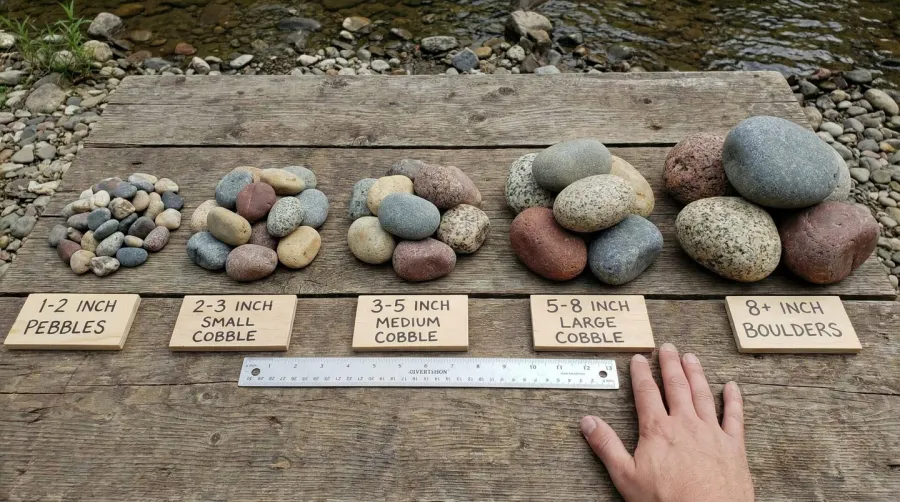
River rock sizes typically range from 1 to 8 inches, with each size serving specific landscaping purposes. Choosing the right size depends on your project type: 1-3 inch rocks work best for pathways, 3-5 inch rocks excel in water features, and 5-8 inch rocks create stunning focal points in garden beds.
Understanding river rock sizing helps you avoid common mistakes like using oversized rocks on walkways or undersized stones for structural applications. The key is matching rock size to both your landscape scale and intended function.
Quick tip: Start with a size chart to visualize how different river rock sizes will look in your specific space before making a purchase.
About Hello Gravel
Hello Gravel delivers bulk gravel, rock, dirt, and sand by the ton. Enter your ZIP code to see prices with delivery included. A local dump-truck driver places the load where access is safe; spreading is not included.
What are river rock sizes and how they’re measured
River rocks are measured by their diameter in inches, creating standard size categories that landscapers use worldwide. The measurement represents the average size of rocks in each category, though natural variation means you’ll find slightly smaller and larger pieces mixed in.
Most suppliers categorize river rocks into three main groups: small (1-3 inches), medium (3-5 inches), and large (5-8 inches). Some suppliers offer extra-large options exceeding 8 inches for specialty projects.
The sizing system helps you calculate coverage area and determine how many tons you’ll need for your project. Smaller rocks provide more coverage per ton since they pack together more efficiently than larger stones. For a deeper dive into understanding river rock gravel sizes, you can explore how different measurements affect your landscaping outcomes.
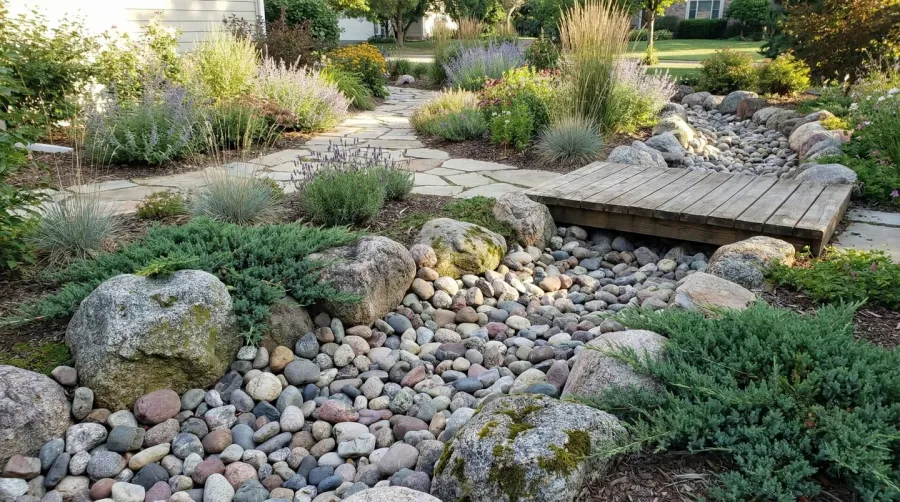
River rock size chart and best uses
| Size Range | Best Applications | Coverage Benefits | Considerations |
|---|---|---|---|
| 1-3 inches | Pathways, drainage | High coverage, stable walking | May shift over time |
| 3-5 inches | Water features, borders | Balanced aesthetics | Good for most projects |
| 5-8 inches | Focal points, large beds | Bold visual impact | Requires stable base |
Small river rocks between 1-3 inches work perfectly for high-traffic areas like pathways and driveways. They create a comfortable walking surface while allowing proper drainage underneath. You’ll need about 2-3 inches of depth for adequate coverage.
Medium-sized rocks measuring 3-5 inches strike an ideal balance for most landscaping projects. They’re large enough to stay in place during heavy rain but small enough to create smooth, natural-looking transitions around plants and features. To learn more about the different sizes of river rocks and their specific characteristics, explore comprehensive sizing guides.
Large river rocks from 5-8 inches make dramatic statements in garden beds and around trees. These substantial stones require less frequent maintenance and create excellent weed barriers, though they need proper ground preparation to prevent settling.
Planning insight: Calculate 1.5 tons of river rock per 100 square feet at 2-inch depth, adjusting based on your chosen size and desired thickness.
Choosing the right size for your landscape project
Your landscape’s scale determines which river rock sizes will look proportional and function effectively. Small gardens benefit from 1-3 inch rocks that won’t overwhelm delicate plantings, while expansive properties can handle larger 5-8 inch stones that create bold visual anchors.
Consider your plants when selecting rock sizes. Mature trees and large shrubs pair well with bigger rocks that complement their substantial presence. Smaller perennials and groundcovers look better with proportionally smaller stones that don’t compete for attention. If you’re working with river rock gravel for your project, understanding the versatility of these materials can help you make better design decisions.
Think about maintenance requirements too. Larger rocks stay in place better during storms and require less frequent refreshing. Smaller rocks may need occasional raking to maintain their appearance but offer more flexibility for design changes.
The intended function plays a crucial role in size selection. Drainage applications work best with smaller rocks that allow water flow, while decorative borders can use any size that matches your aesthetic preferences.
Installation and purchasing considerations
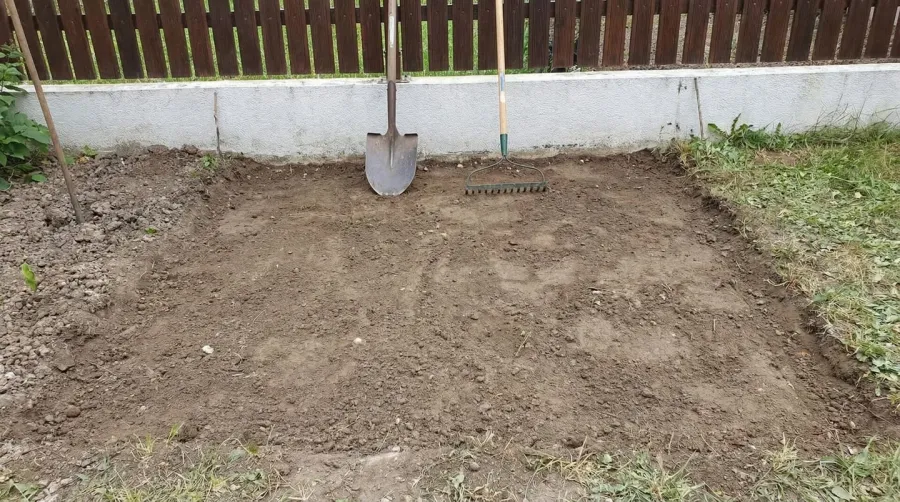
Proper ground preparation ensures your river rocks stay in place and look professional for years. Remove existing vegetation and level the area, then install landscape fabric to prevent weeds from growing through the rocks.
Create defined edges using metal or plastic landscape edging to contain your river rocks and prevent them from migrating into lawn areas. This step is especially important for smaller rocks that tend to scatter more easily.
When purchasing river rocks, buy from local suppliers when possible to reduce transportation costs and see the actual product before ordering. Many suppliers offer delivery services that can place rocks exactly where you need them. For guidance on where to buy river rock, explore local and online options that fit your budget and project needs.
Order slightly more material than your calculations suggest, typically 10-15% extra. This accounts for settling and gives you spare rocks for future touch-ups or small repairs. Understanding river rock prices can help you budget appropriately and avoid unexpected costs.
Installation tip: Work in sections and compact each area lightly before adding the final layer of rocks for the most stable, long-lasting results.
Start with larger rocks as your base layer, then fill gaps with progressively smaller sizes. This layering technique creates natural drainage channels and prevents smaller rocks from disappearing between larger ones.
River rock sizing doesn’t have to be complicated when you understand the basic categories and their best applications. Focus on matching rock size to your project’s scale, function, and maintenance preferences. Whether you’re creating a peaceful pathway with 1-3 inch stones or building a dramatic focal point with 5-8 inch rocks, the right size choice will enhance both the beauty and functionality of your landscape for years to come.
FAQ
What are the standard river rock sizes for landscaping projects?
Standard river rock sizes range from 1 to 8 inches, categorized as small (1-3 inches), medium (3-5 inches), and large (5-8 inches). Small rocks work best for pathways and high-traffic areas, medium rocks are ideal for water features and garden borders, while large rocks create dramatic focal points and work well around mature trees and in expansive landscapes.
How much river rock do I need for my landscaping project?
Calculate 1.5 tons of river rock per 100 square feet at 2-inch depth. To determine your needs, multiply length × width × desired depth (in feet), then divide by 27 to get cubic yards needed. Order 10-15% extra material to account for settling and future touch-ups. Smaller rocks provide more coverage per ton since they pack together more efficiently than larger stones.
What size river rock is best for drainage applications?
Medium-sized river rocks between 3-5 inches are optimal for drainage applications like dry creek beds and erosion control. These rocks allow proper water flow while staying in place during heavy rain. For areas requiring maximum drainage, such as around foundations or in wet climates, this size range provides the best balance of functionality and stability.
Can I mix different river rock sizes in the same project?
Yes, mixing river rock sizes creates a more natural appearance and improved functionality. Start with larger rocks as your base layer, then fill gaps with progressively smaller sizes. This layering technique creates natural drainage channels and prevents smaller rocks from disappearing between larger ones. The key is maintaining proportion with your landscape scale and intended use.
Materials for this project
Get it delivered — dumped where you need it
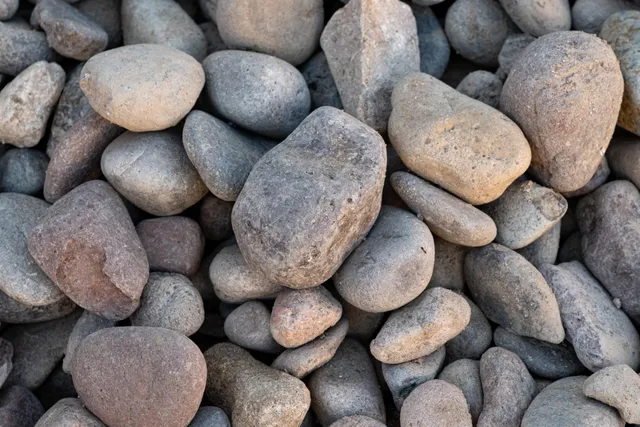
River Rock
Landscaping & Dry creek beds
See delivered price
View product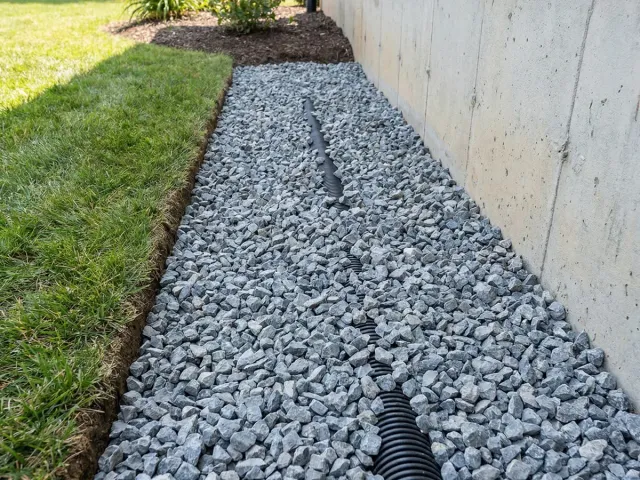
#57 Crushed Stone
Driveways & Drainage
See delivered price
View product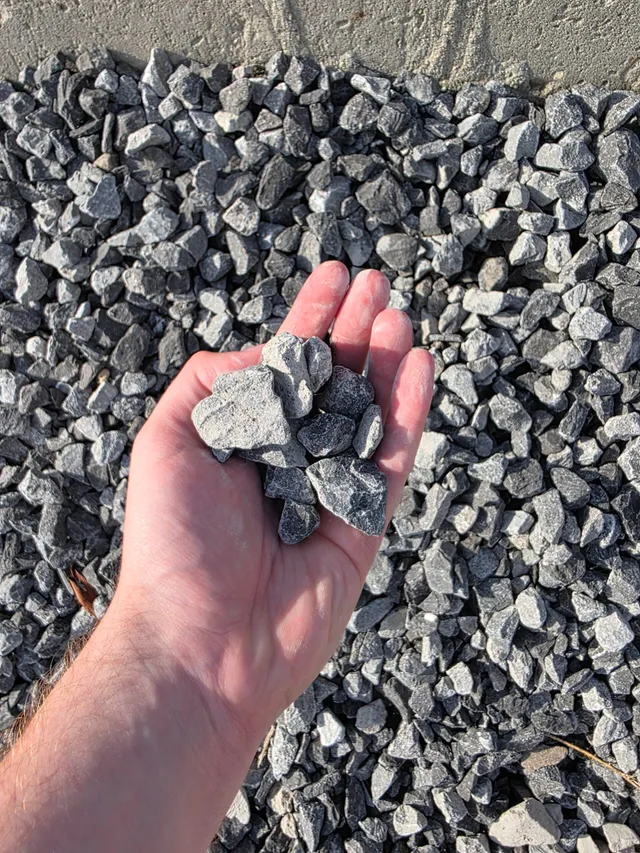
Driveway Gravel
Driveways & Parking areas
See delivered price
View product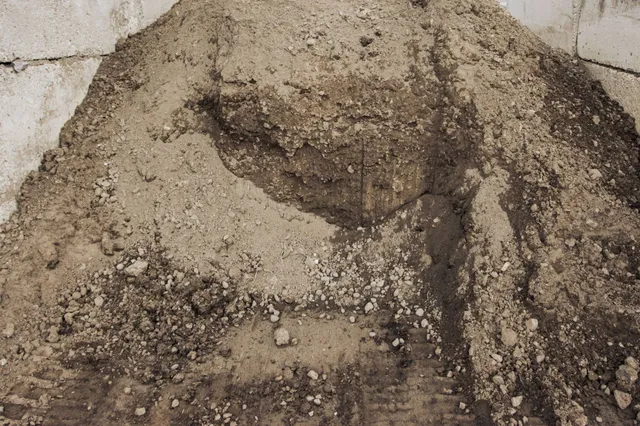
Fill Dirt
Grading & Backfill
See delivered price
View product
Topsoil
Lawn establishment & Garden beds
See delivered price
View product