Outdoor Fireplace Pad Gravel & Base Stone Specifications
An outdoor fireplace transforms your backyard into a year-round gathering space when built with proper planning and materials. This guide explains what an outdoor fireplace is, which materials you need, how to design and size it, how to build it step by step, and how to estimate the amount of gravel required. Whether you are planning a simple fire pit area or constructing a full masonry fireplace, use the sections below to find what you need.
See How to Build an Outdoor Fireplace
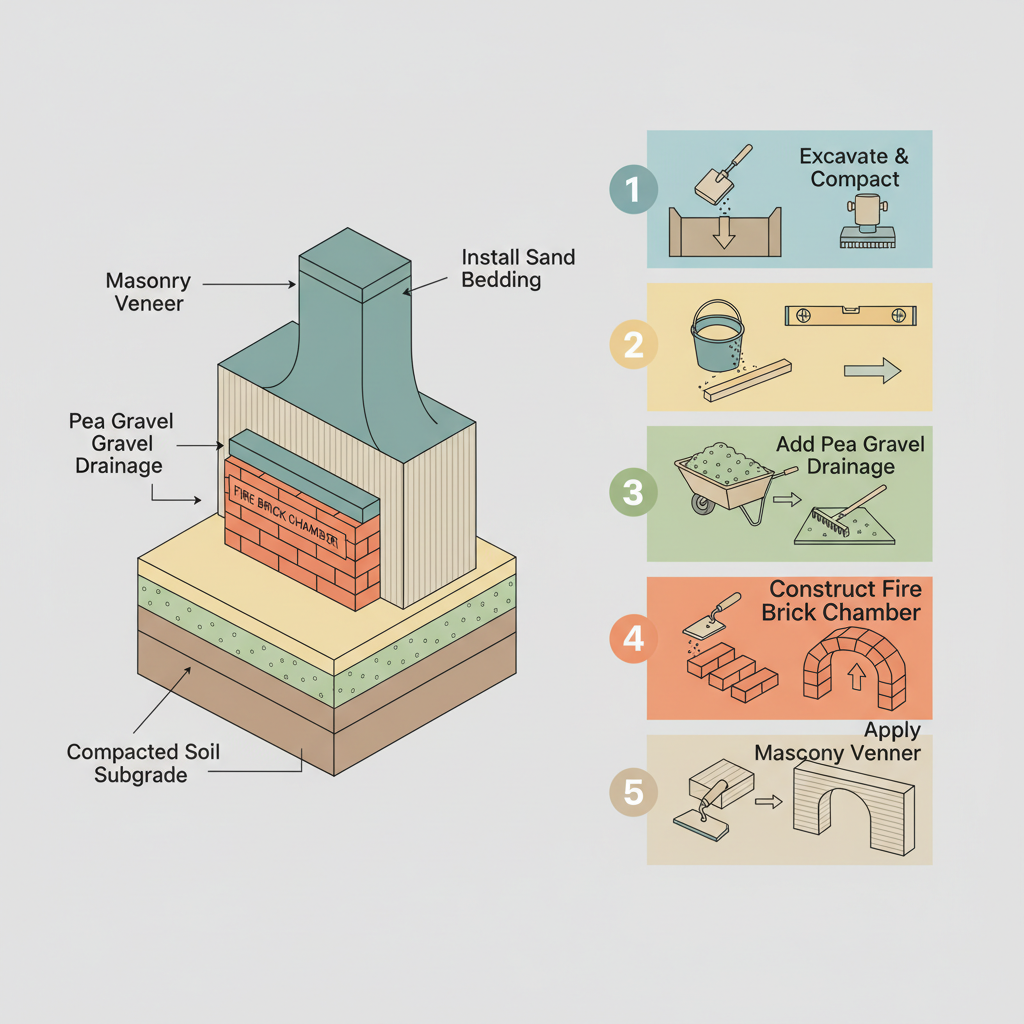
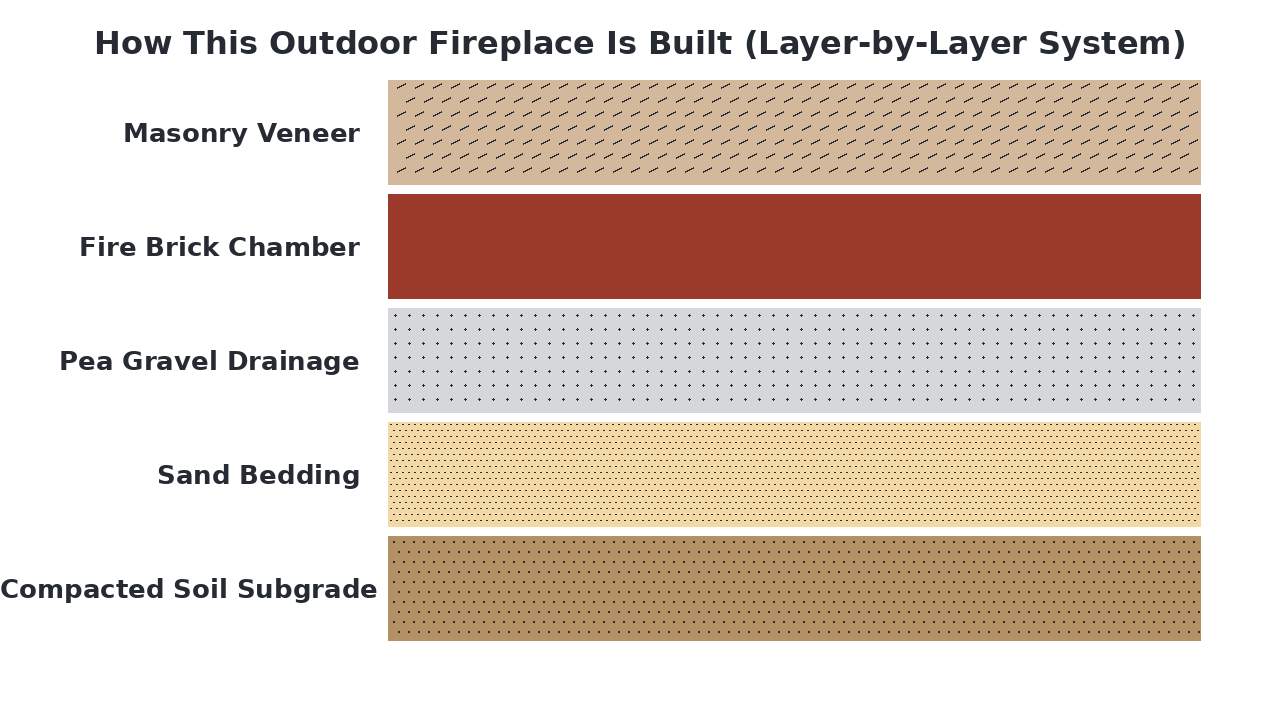
This visual guide illustrates the layered construction sequence for building an outdoor fireplace, showing how each material contributes to structural stability and proper drainage. It clarifies the step-by-step installation process from foundation excavation to final masonry veneer, helping you visualize the critical order of operations. Understanding this layer-by-layer approach ensures your fireplace is built safely and durably for years of enjoyment.
This diagram couldn't load.
Watch the video guide insteadGravel for Outdoor Fireplaces: Best Materials, Depth, Cost & How to Build
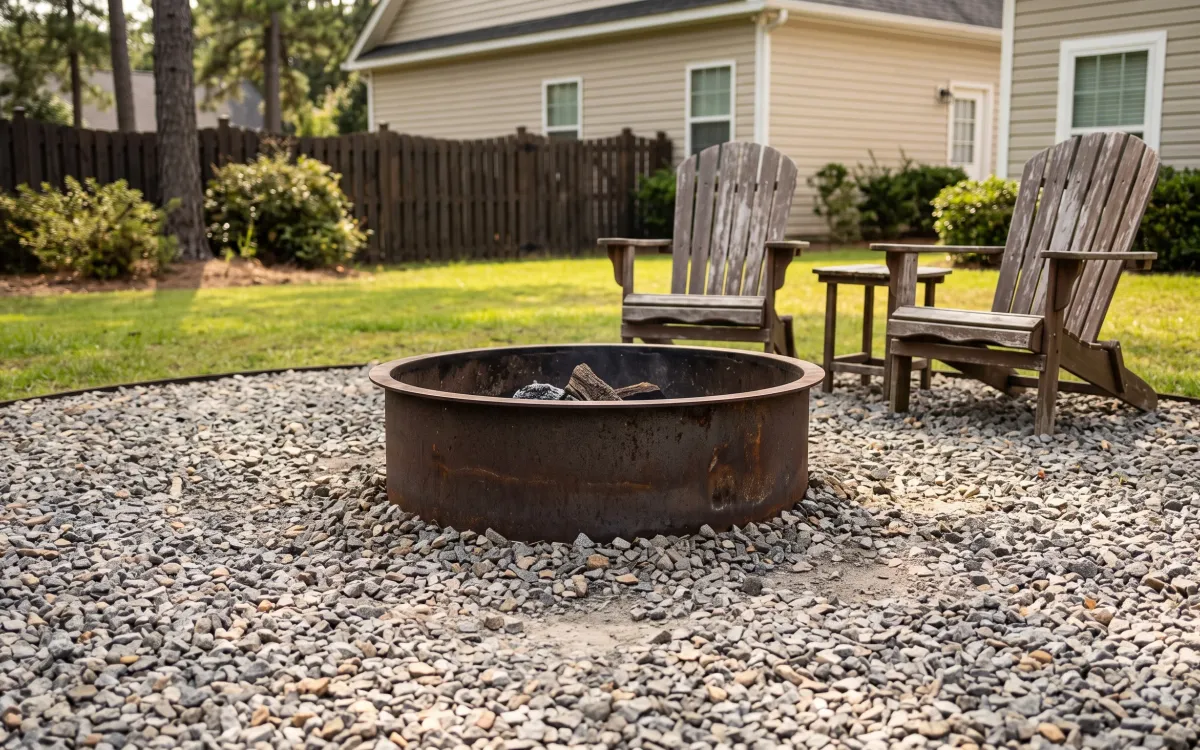
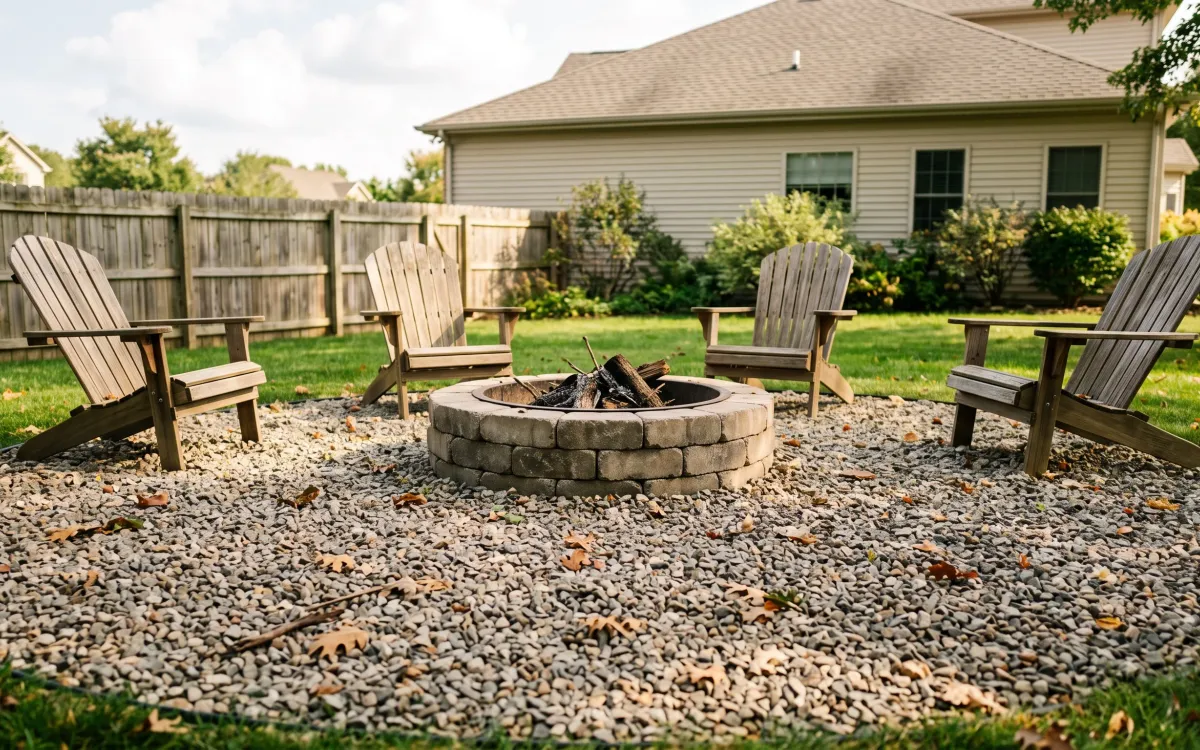
Building an outdoor fireplace requires careful material selection to ensure both structural stability and proper drainage. We recommend using 1/4 to 3/8 inch pea gravel as the drainage layer, installed 4-6 inches deep around the fire pit area. This gravel layer is essential for preventing water accumulation that could damage the masonry over time. For a standard 4x6 foot fireplace, you'll typically need 2-3 tons of pea gravel to create an effective drainage system.
How This Outdoor Fireplace Is Built (Layer-by-Layer System)
An outdoor fireplace is built as a layered system designed to provide both structural stability and safe heat containment. The construction starts with a compacted soil subgrade, followed by a sand bedding layer that creates a level foundation for the fire-resistant materials. A critical gravel layer provides drainage around the fire pit area, while fire bricks form the interior heat chamber that withstands high temperatures. Proper drainage through the gravel layer prevents water accumulation that could damage the fireplace structure over time.
Materials Breakdown: What Each Layer Does
An outdoor fireplace is constructed as a series of layered materials, each serving a critical structural or functional purpose. The layers work together to provide a stable foundation, manage heat and drainage, and create a durable, attractive finish. Choosing the correct product for each component ensures safety, longevity, and proper performance of the entire fireplace structure.
Compacted Soil
The native soil that is compacted to create a solid, stable, and level base for the entire fireplace structure.
Sand
A leveling layer that provides a smooth, stable surface for the drainage gravel and helps with minor settling adjustments.
View Sand →Pea Gravel
A free-draining layer that prevents water from pooling under the fireplace, protecting the base from frost heave and moisture damage.
View Pea Gravel →Fire Brick
Dense, heat-resistant bricks that line the firebox to contain high temperatures and protect the surrounding masonry.
Flagstone Veneer
The decorative exterior layer that provides the finished look and protects the underlying structure from the elements.
What Is an Outdoor Fireplace and Why Does It Matter?
An outdoor fireplace is a permanent, masonry-built structure designed for contained outdoor fires, providing both aesthetic appeal and functional heating. Unlike portable fire pits, it offers superior durability, better heat retention, and becomes a permanent architectural feature of your outdoor living space. The layered construction with proper drainage ensures long-term structural integrity by preventing water damage to the foundation and masonry components.
Common Types of Outdoor Fireplace Systems
Outdoor fireplace systems vary primarily in their construction materials and permanence. Traditional masonry fireplaces use brick, stone, or concrete blocks for a permanent, custom-built structure. Prefabricated metal fireplaces offer quicker installation with factory-built components. Hybrid systems combine masonry surrounds with metal fireboxes for both efficiency and aesthetic flexibility.
- Uses pea gravel for drainage
- Fire brick for firebox lining
- River rock or flagstone facing
- Permanent structural integrity
- Superior heat retention
Best for: Permanent outdoor living spaces
- Factory-built components
- Quicker installation time
- Less custom design flexibility
- Lower initial cost
Best for: Budget-conscious quick installations
- Metal firebox efficiency
- Masonry surround aesthetics
- Good heat retention
- Moderate installation complexity
Best for: Balancing efficiency and appearance
When an Outdoor Fireplace Is the Best Solution
A traditional masonry outdoor fireplace is ideal when you want a permanent architectural feature that enhances your property's value. Choose this option for superior durability in year-round climates and when you prioritize long-term heat retention for extended outdoor gatherings. It's the best solution for homeowners seeking a custom-designed centerpiece that integrates seamlessly with their existing landscape and hardscape elements.
Everything You Need to Build an Outdoor Fireplace
Building an outdoor fireplace requires specific materials for each structural layer and essential tools for proper construction. You'll need foundational materials like compacted soil and sand, functional layers for drainage and heat resistance, and finishing materials for the visible surfaces. Proper tools ensure accurate leveling, secure placement, and safe handling of heavy materials throughout the build process.
- Compacted soil subgrade, Sand bedding, Pea gravel drainage, Fire brick, Masonry veneer, Mortar mix
- Shovel, Level, Trowel, Masonry saw, Compactor, Safety gloves
- Hello Gravel (materials), Your local hardware store, Equipment rental store (compactor)
What to Consider Before You Start
Before beginning construction, consider these key factors to ensure a safe, compliant, and durable outdoor fireplace.
- Local building codes and permits
Check with your municipality for required permits, setback distances from structures, and any specific fireplace construction regulations.
- Fireplace location and wind patterns
Select a site away from overhanging trees and structures, considering prevailing winds to minimize smoke issues.
- Foundation soil stability
Assess the ground where you'll build to ensure it can support the weight without settling or shifting over time.
- Material sourcing and delivery
Plan how you'll transport and store heavy materials like fire brick and masonry before construction begins.
- Safety clearance and ventilation
Ensure adequate space around the fireplace for safe use and proper ventilation to prevent heat buildup.
How to Prepare the Ground for an Outdoor Fireplace
Begin by clearing the area of all vegetation, debris, and any existing structures to create a clean, level site. Mark the exact footprint of the fireplace using stakes and string, ensuring it's square and positioned according to your plan. Grade the ground within the marked area to achieve a level surface, then thoroughly compact the soil subgrade to create a stable, load-bearing base for the layered construction.
How an Outdoor Fireplace Works
The outdoor fireplace functions as a multi-layered system where each material serves a distinct purpose. The compacted soil subgrade provides foundational stability, while the sand bedding creates a level, shock-absorbing base for the masonry. A pea gravel drainage layer manages water flow away from the structure, and the fire brick chamber contains and radiates heat, protected by the durable masonry veneer finish.
How to Install an Outdoor Fireplace
Excavate & Compact Subgrade
⚠️ Licensed-trade notice: This project is code-regulated in most jurisdictions and typically requires a licensed contractor and local permits. The steps below are provided to help plan your aggregate order, not as a substitute for professional design, permits, or inspections. Dig out the marked area to the required depth and compact the soil to form a solid, level foundation.
Install Sand Bedding Layer
Spread and level a uniform layer of sand over the compacted subgrade to create a stable, flat base for the drainage layer.
Add Pea Gravel Drainage
Pour and level pea gravel within the excavated area to establish a permeable drainage layer that directs water away from the fireplace.
Construct Fire Brick Chamber
Build the interior firebox using fire bricks and refractory mortar, ensuring proper dimensions and alignment for safe combustion.
Apply Masonry Veneer
Install the chosen stone or brick veneer over the fire brick chamber to create the fireplace's exterior finish and weatherproof the structure.
Alternative Gravel Options for Outdoor Fireplaces
While many aggregates can be used in an outdoor fireplace's construction, each serves a distinct structural or decorative role. The foundational layers, such as the base and firebox fill, require materials that can withstand extreme heat and provide stable compaction. For the critical firebox area, fire brick is the clear winner due to its exceptional heat resistance and structural integrity, whereas decorative aggregates like pea gravel are better suited for non-structural, aesthetic finishes.
The essential, heat-resistant material for constructing the firebox and inner hearth.
An excellent choice for creating a durable and attractive outer hearth or capstone.
Suitable for decorative borders or drainage layers around the fireplace base.
View Product →Purely decorative; lacks the heat resistance and stability needed for structural layers.
View Product →Common Outdoor Fireplace Mistakes (And How to Avoid Them)
Building an outdoor fireplace requires careful planning to avoid costly and potentially dangerous errors. The most frequent oversights involve material selection, structural support, and safety clearances.
- Using non-fire-rated materials
- Inadequate foundation
- Poor drainage planning
- Ignoring local building codes
- Insufficient heat clearance
How to Maintain an Outdoor Fireplace
Regular maintenance ensures your outdoor fireplace remains safe and attractive. Inspect the firebox and mortar joints annually for cracks or spalling, and repair them promptly with high-temperature mortar. Clear ash and debris after each use to prevent buildup, and check that the chimney cap is secure to keep out moisture and animals. Reseal stone or masonry surfaces every few years to protect against weathering.
Calculate How Much Gravel You Need
Enter Your Dimensions
Measure your project area and we'll calculate how much material you need.