Fire Pit Gravel Base: Best Sizes for Heat & Drainage
A well-built fire pit transforms your outdoor space into a cozy gathering spot for years to come. This guide explains what a fire pit is, which materials you need, how to prepare the ground, how to build it step by step, and how to estimate the amount of gravel required. Whether you are creating a simple DIY pit for family nights or designing an elaborate stone-lined feature, use the sections below to find what you need.
See How to Build a Fire Pit
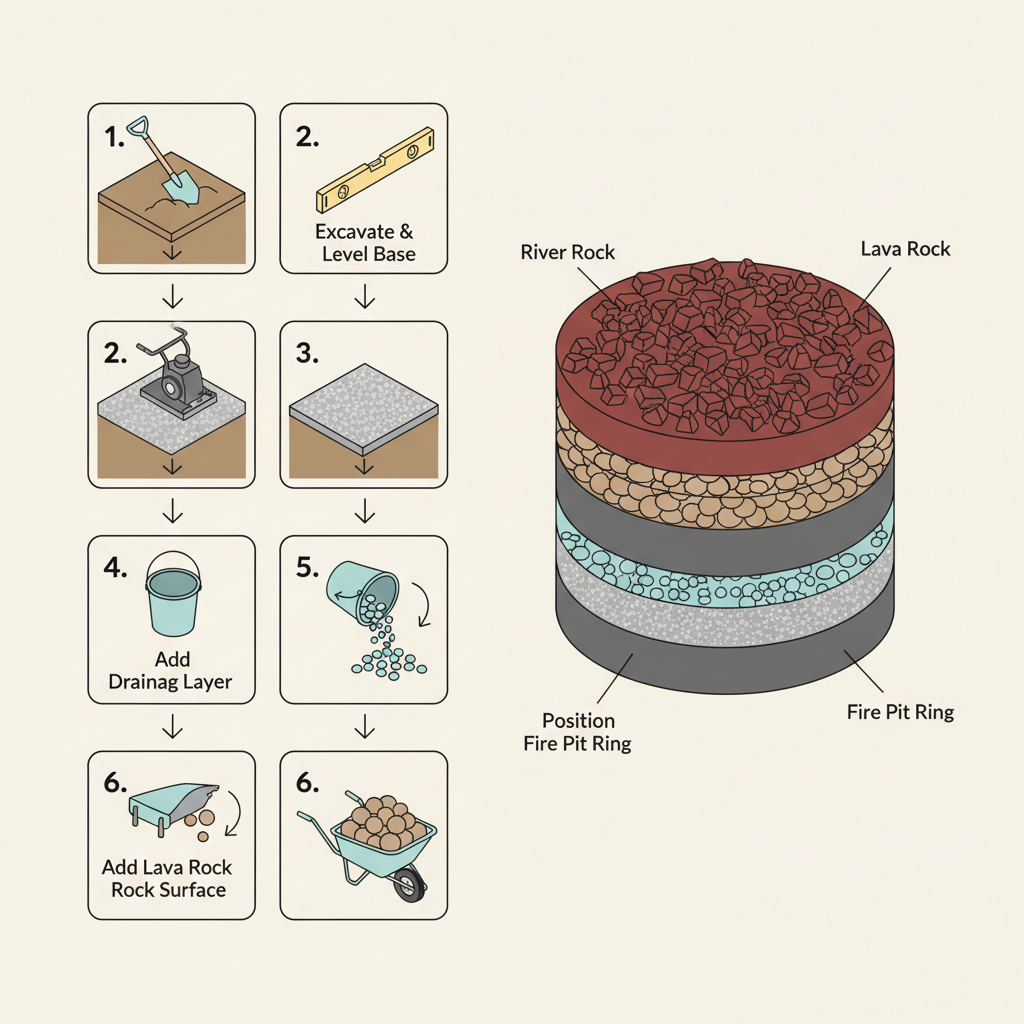
This visual guide walks you through the six key steps to build a durable fire pit, from excavation to final rock placement. It clearly shows the numbered installation sequence and the layered structure from compact base to decorative surface, helping you understand how each material contributes to stability and drainage. Seeing the process diagrammed makes planning and execution much simpler.
This diagram couldn't load.
Watch the video guide insteadGravel for Fire Pits: Best Materials, Depth, Cost & How to Build
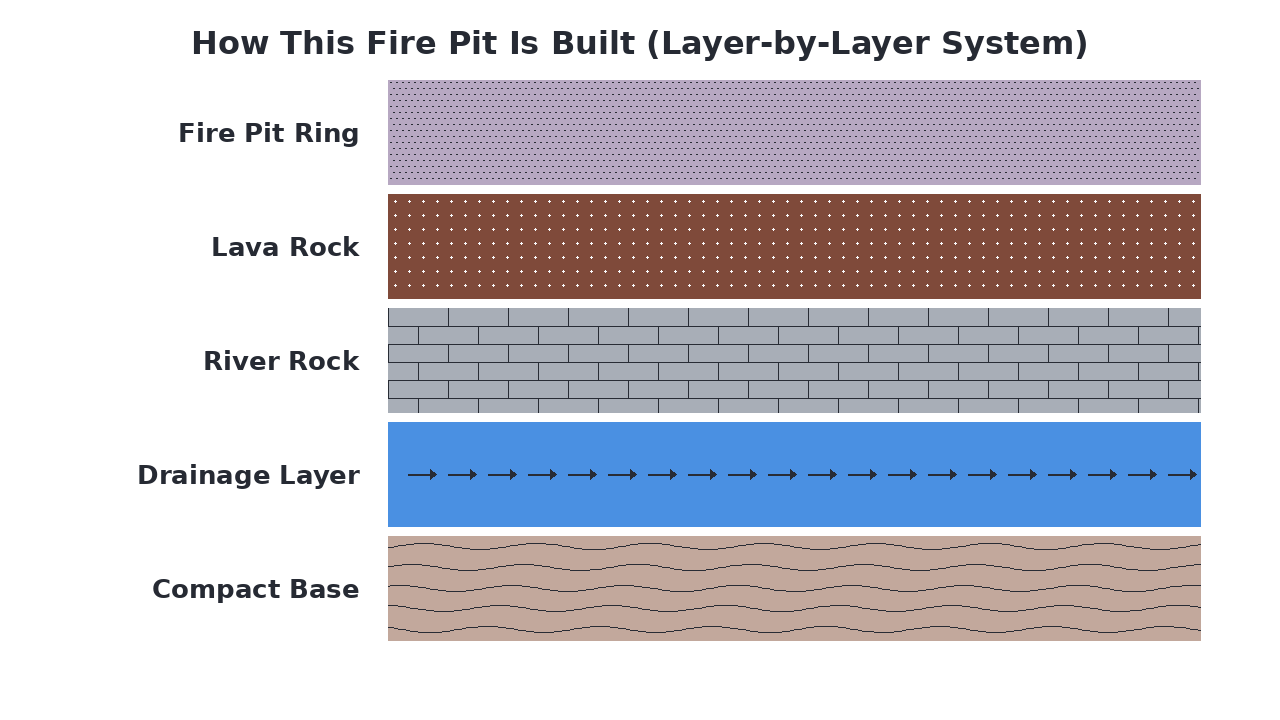
A fire pit requires specific materials that can withstand high temperatures while maintaining structural integrity. Lava rock in 1/2 to 1 inch size is ideal for the top layer due to its natural heat resistance, while a 4-6 inch total depth with proper drainage ensures safety and longevity. The system combines a compacted base, drainage layer of river rock, and lava rock surface to create a durable, heat-resistant structure that prevents cracking and water pooling.
How This Fire Pit Is Built (Layer-by-Layer System)
A fire pit is built as a stable, heat-resistant structure that safely contains fire while allowing proper drainage. The system starts with a compacted base layer for stability, followed by a drainage layer of river rock to manage moisture and prevent water pooling. The top layer uses lava rock as a heat-stable surface material that withstands high temperatures without spalling or cracking. Each component works together to create a durable, safe fire pit that can be enjoyed for years.
Materials Breakdown: What Each Layer Does
A fire pit is built as a layered system where each material serves a specific structural, drainage, or aesthetic purpose. The bottom layers provide a stable, well-draining base that prevents shifting and water pooling, while the upper layers create the visible fire-resistant surface and define the pit's shape. Using the right product for each layer ensures safety, longevity, and a clean, functional design.
Compacted Crushed Stone
A densely packed layer of crushed stone that creates a stable, level, and load-bearing foundation for the entire fire pit structure.
Coarse Sand
A layer of sand that allows water to drain away from the fire pit area, preventing frost heave and moisture damage to the base.
River Rock
Smooth, decorative stones that provide a clean, finished look around the fire pit while allowing for drainage and easy maintenance.
View River Rock →Lava Rock
Porous, heat-resistant volcanic rock that forms the fire-resistant surface inside the pit, radiating heat and containing the fire safely.
Steel Fire Ring
A metal ring that defines the fire pit's shape, contains the lava rock, and protects the surrounding materials from direct flame exposure.
What Is a Fire Pit and Why Does It Matter?
A fire pit is a constructed outdoor feature designed to safely contain and manage fire for heating, cooking, or ambiance. It matters because it transforms outdoor spaces into functional gathering areas while requiring proper engineering for safety and durability. Unlike simple campfire rings, a properly built fire pit includes engineered drainage, heat-resistant materials, and structural stability to withstand repeated use without damage to the surrounding landscape.
Common Types of Fire Pit Systems
Fire pits come in several common types, each with different materials and construction approaches. In-ground pits are dug directly into the earth, often lined with stone or metal for a natural look. Above-ground portable units are metal bowls on legs that can be moved easily. Permanent built-in pits are constructed from masonry like stone or brick for a custom, integrated appearance. The choice affects safety, durability, and how the pit fits into your landscape design.
- Excellent natural drainage
- Heat-resistant aggregate base
- Affordable material costs
- Blends with landscape aesthetics
Best for: Creating a safe, permeable fire area
- Quick setup and mobility
- Lower upfront investment
- Limited durability over time
- Minimal site preparation needed
Best for: Temporary or rental property use
- Permanent custom design
- High heat resistance
- Significant installation cost
- Requires professional construction
Best for: High-end outdoor living spaces
- Natural rustic appearance
- Integrates with existing terrain
- Potential drainage issues
- Labor-intensive to build
Best for: Rustic or campground-style settings
When a Fire Pit Is the Best Solution
A gravel-based fire pit is ideal when you need effective drainage to prevent water pooling around the fire area. It's perfect for DIY homeowners seeking an affordable, natural-looking solution that blends with existing landscaping. This approach works well in yards with moderate slope where proper water management is crucial for safety and longevity. Choose this option when you want a permanent fire feature without the high cost of masonry construction.
Everything You Need to Build a Fire Pit
Building a fire pit requires a few key materials for each structural layer and basic excavation tools. You'll need materials for a compact base, drainage layer, and the visible fire-resistant surface. Having the right tools makes digging, leveling, and compacting the site much easier and ensures a stable, long-lasting result.
- Crushed stone (for compact base), Sand (for drainage layer), River rock (for middle layer) (for fire-resistant surface), Fire pit ring (optional metal insert)
- Shovel, Rake, Hand tamper or plate compactor, Level, Tape measure, Wheelbarrow
- Hello Gravel (materials), A contractor supply store, Local Equipment Rental (for plate compactor)
What to Consider Before You Start
Before you break ground, consider these key factors to ensure your fire pit is safe, compliant, and built to last.
- Local regulations and permits
Check with your local municipality about fire pit regulations, required setbacks from structures, and if a permit is needed.
- Location and safety clearance
Choose a site at least 10 feet away from your house, trees, and other flammable structures on a non-flammable surface.
- Utility line location
Call 811 or your local utility locating service to mark any underground gas, water, or electrical lines before digging.
- Drainage and ground slope
Assess the site's natural drainage to avoid water pooling in or around the pit, which can undermine stability.
- Material quantity and delivery
Calculate the volume of gravel and sand needed based on your pit's dimensions and arrange for delivery or pickup.
How to Prepare the Ground for a Fire Pit
Start by clearing the area of all vegetation, debris, and any large rocks. Mark the pit's circular or square outline with spray paint or a garden hose, ensuring it's a safe distance from structures and overhanging branches. Excavate the marked area to a depth of about 8-12 inches, creating a level base. Finally, thoroughly compact the exposed soil with a hand tamper or plate compactor to create a firm, stable foundation that prevents settling.
How a Fire Pit Works
The layered construction creates a stable, well-draining system that safely contains fire. A compacted base and drainage layer of crushed stone or gravel prevent shifting and channel water away, protecting the structure. The upper layer of fire-resistant lava rock or river rock radiates heat, defines the pit's shape, and provides an attractive, durable surface. This multi-material approach manages thermal expansion, moisture, and load to ensure long-term safety and functionality.
How to Install a Fire Pit
Excavate & Level Base
Dig out the marked area to the required depth, then use a level and tamper to create a flat, compacted soil base.
Install Compacted Base Layer
Add a 4-inch layer of crushed stone or road base, spread it evenly, and compact it thoroughly to form a solid foundation.
Add Drainage Layer
Place a 2-inch layer of pea gravel or coarse sand over the base to improve water drainage and prevent pooling.
Position Fire Pit Ring
Set the metal or stone fire pit ring in the center of the prepared area, ensuring it is level and stable.
Fill with River Rock
Surround the outside of the ring with a layer of decorative river rock to create a clean border and improve drainage.
Add Lava Rock Surface
Fill the interior of the fire pit ring with fire-resistant lava rock, creating the primary burning surface.
Alternative Gravel Options for Fire Pits
Homeowners have several aggregate options when building a fire pit, each with different properties for base stability, drainage, and fire resistance. Crushed stone provides excellent compaction for a solid foundation, while lava rock offers superior heat tolerance for the surface layer. Pea gravel and river rock are better suited for decorative borders due to their smooth, attractive appearance but lack structural integrity for the pit itself. For the primary fire-resistant layer, lava rock is typically the best choice because it withstands high temperatures without cracking or exploding.
The best choice for the fire pit surface due to its excellent heat resistance and porous nature.
View Product →Ideal for creating a stable, compactable base layer beneath the fire-resistant material.
View Product →Works well for decorative borders around the fire pit but shouldn't be used inside the pit.
View Product →Suitable for aesthetic edging but can trap moisture and potentially explode when heated.
View Product →The weakest fit as it shifts easily, provides no structure, and can blow into the fire.
View Product →Common Fire Pit Mistakes (And How to Avoid Them)
Building a fire pit involves several critical steps where mistakes can compromise safety, durability, and function. Avoiding these common errors ensures your fire pit remains stable, drains properly, and provides years of enjoyment.
- Insufficient base depth
- Wrong aggregate for fire layer
- Poor drainage planning
- No fire ring or liner
- Inadequate clearance from structures
How to Maintain a Fire Pit
Regular maintenance keeps your fire pit safe and functional. After each use, remove ash and debris to prevent drainage blockages and check for any shifting of the fire-resistant surface layer. Periodically inspect the base for settling and add more crushed stone if needed to maintain levelness. Before the rainy season, ensure drainage channels around the pit are clear to prevent water from pooling in the base layers.
Calculate How Much Gravel You Need
Enter Your Dimensions
Measure your project area and we'll calculate how much material you need.