
Gravel delivery in Madison, WI
free delivery · you pick the date
Need gravel delivered in Madison? Order bulk gravel near you with same-day delivery. Compare prices on premium gravel for your construction or landscaping project.
Where are you located?
Enter your zip code for local pricing
Need exact quantities? Use the gravel calculator →
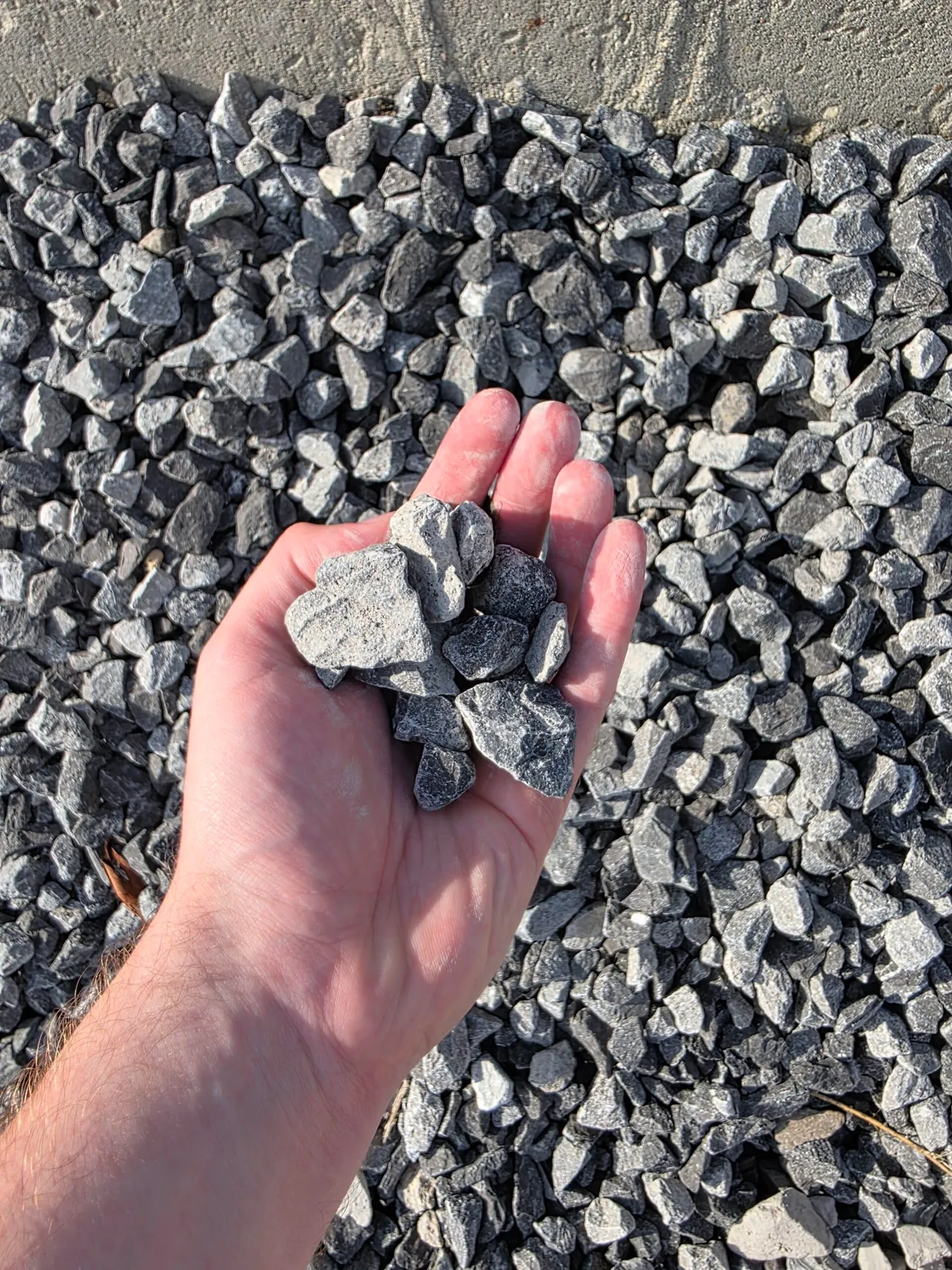
Gravel in Madison
Driveway Gravel
Our most popular driveway material is clean, angular gravel for driveway surfaces and parking areas. Fines are screened out so water can drain between the stones.
Prices are ZIP-regional — enter yours for an all-in delivered price.
How It Works
How Hello Gravel Works?
Simple, fast, and reliable gravel delivery in Madison
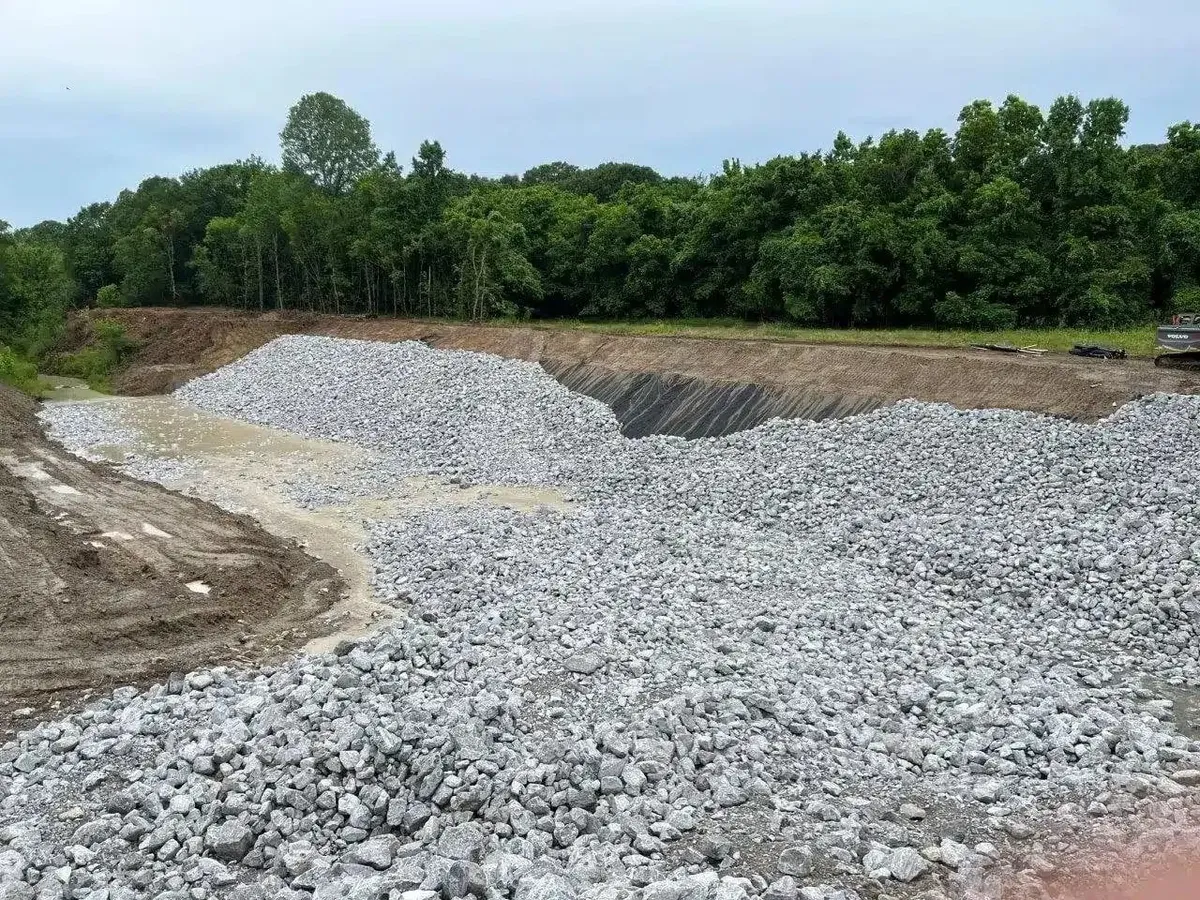
Find Your Material
Browse our products or take our quiz to find the right material for your project.
Calculate Amount Needed
Use our calculator to determine quantity. Calculator found on any product page.
Schedule Delivery
Choose your preferred date and time frame. Place your order online. We will call to confirm within 24 hours.
Materials Delivered
We source materials locally through our trusted supplier network and deliver straight to your home or job site in Madison.
Why Madison Chooses Hello Gravel
Trusted by homeowners and contractors throughout Madison
Reliable Local Delivery
On-time delivery from vetted local suppliers you can trust.
High Quality Standards
Materials are quality checked to ensure 100% satisfaction.
Local Support Team
We will be with you through delivery. Call us any time if you need to make any changes to your order.
Next-Day Delivery
Order by noon on a weekday and we deliver the next business day. You pick the delivery date at checkout.
Local Insights
What to know about Madison
Why Madison homeowners choose Hello Gravel
Madison has a city population of 241,376 and is growing at a steady rate of 0.40% annually. That steady growth, combined with a diverse local economy anchored by government, education, healthcare, and tech, keeps a consistent need for residential upgrades and small construction projects. Homeowners in Madison frequently tackle driveways, patios, drainage fixes, and landscape beds—jobs that depend on reliable aggregates. With 228 sunny days per year and 34.25 inches of annual rainfall, material choices must balance drainage and stability. The area's hardiness zone of 8b also encourages varied plantings and permeable surfaces, so selecting the right gravel size and mix helps prevent settling, manage runoff, and reduce long-term maintenance for yards and pathways. Gravel is a practical choice for Madison projects because it promotes quick drainage, resists compaction, and performs well under changing wet and dry conditions. For walkways, driveways, French drains, and base layers, a 3/4u0022 to 1u0022 crushed gravel often provides the best mix of permeability and support for local soils and weather. Hello Gravel links you with trusted local suppliers so materials reflect Madison's regional geology, and we handle ordering, scheduling, and delivery options—standard delivery generally takes 2+ business days, with next-day delivery available for orders placed before noon CST for an additional fee—so you get the right gravel on the timeline your project needs.
Popular projects in Madison this season
- Gravel Driveway Resurface - 25 tons
- Gravel Patio Base - 8 tons
- Gravel Walkway - 4 tons
- Gravel French Drain - 6 tons
- Gravel Parking Pad - 15 tons
Madison quick facts
- Location
- Madison, WI
- Population
- 241,376
- Metro Area
- 2.5+ million
- Annual Rainfall
- 34.25 inches
- Sunny Days
- 228/year
- Hardiness Zone
- 8b
- Growth Rate
- 0.40% annually
- Delivery Coverage
- Citywide delivery available
Best times for Madison projects
- Stable Fall Moisture
- Wet Spring Limits
- Ideal Summer Compaction
- Cold Winter Limits
Local handoff
Want help with gravel in Madison?
Share your ZIP and what you need help with. We'll use this page as context when we follow up.
- Share the page context so we know what you were looking at.
- Ask about pricing, material choice, delivery timing, or quantity.
- Keep it simple if you are not sure what you need yet.
02
Gravel delivery questions
Can I put gravel directly over dirt in Madison, WI?
You can, but it often leads to problems in Madison's freeze-thaw climate unless you prepare the site. Remove vegetation, grade and compact the soil, add a layer of crushed stone or compactable base, and install a geotextile weed barrier if needed. For walkways use 2-3 inches of gravel, for patios 3-4 inches, and for driveways 4-6 inches; deeper base and good compaction help prevent frost heave. Note Hello Gravel has a 3-ton minimum order, so plan quantities accordingly.
What is the most durable gravel for driveways and high-traffic areas in Madison?
Crushed, angular stone (often called crushed limestone, trap rock, or #57 stone) is generally the most durable choice for driveways in the Madison area because it locks together and resists movement. Local quarries around Madison frequently supply limestone-based crushed stone that stands up well to winter plowing and freeze-thaw cycles. Make sure you pair the surface stone with a properly compacted granular base to maximize longevity.
How does Madison's geology affect my gravel choices?
Madison sits on glacial deposits and local limestone/dolomite bedrock, so many local suppliers offer limestone-based gravels and glacial gravel mixes. That regional sourcing means color, grain shape, and how the material compacts will vary compared to other parts of the country. Expect natural variation and ask suppliers or Hello Gravel for samples if color or texture is important for your project.
Will using gravel near my home affect tap water or groundwater in Madison?
Properly installed gravel for driveways, patios, or drainage projects should not affect Madison's municipal tap water, which is treated and monitored. Avoid stockpiling contaminants on gravel or using materials that contain salts, chemicals, or clay that could leach into the ground near a private well. If you have a private well, follow local guidance and consider consulting a licensed contractor or local health department before altering drainage patterns.
How much does a dump truck load of pea gravel cost in Madison, WI?
Prices vary by material, truck type, and delivery distance, but a tri-axle dump truck load (roughly 10-12 tons) of pea gravel in the Madison area commonly ranges from about $300 to $900 delivered. Smaller orders or specialized materials can cost more per ton, and site access or tight delivery windows may add fees. For an exact price, use Hello Gravel to check your zip code and get a quote tailored to your address and date.
What will a 20-foot-wide gravel driveway cost in Madison?
Cost depends on length, depth, material, and site prep; a simple 20-foot-wide driveway with basic base work can often range from roughly $1,000 to $4,000 or more in the Madison area. Major cost drivers are excavation, base material and compaction, and whether you need drainage work or curb cuts; crushed limestone will typically be on the lower end compared with specialty decorative stone. For an accurate estimate, measure your driveway area, decide on depth and material, and get a quote from Hello Gravel or a local contractor.
What type of gravel 'hardens' like concrete for pathways?
Crusher fines or stone dust (sometimes called 'decomposed granite' or 'crusher run') can compact tightly and form a firm, almost cement-like surface when properly installed and compacted. There are also polymer- or resin-stabilized gravel products that bind particles for a harder, low-dust surface. These options perform well for paths and patios, but they are not the same as poured concrete and have different maintenance needs.
What's the difference between natural gravel and crushed stone or 'A' and 'B' base materials?
Natural gravel is typically rounded rock smoothed by glacial action or water, while crushed stone is mechanically broken rock that is angular and locks together better. Terms like 'A' and 'B' base usually refer to graded aggregate mixes with specific proportions of stone and fines used as a compactable base layer for driveways and roads. For surface stability in Madison's winters choose angular crushed stone for wearing surfaces and use graded base mixes beneath it for compaction.
Does the 70/30 rule in gardening apply to gravel for planting beds or drainage?
The 70/30 gardening rule (organic soil to amendments) doesn't apply to gravel. For gravel installations, mix design focuses on particle size and fines rather than organic ratios; some base mixes used by contractors may contain a percentage of fines to aid compaction (for example, a compactable base might be roughly 70% coarse aggregate and 30% fines), but that is a construction mix, not a planting guideline. If you want to use gravel in planting beds, be cautious: gravel can change drainage and soil temperature and generally should not replace good garden soil.
Is pea gravel safe to walk on during Madison winters and at night?
Pea gravel looks good but can shift and provide poor traction in icy or snowy conditions, making it less safe for winter walking. Crushed stone with angular edges provides better grip and is easier to shovel or plow. If you plan to use pea gravel, limit it to low-traffic decorative areas or add larger angular stone for paths you’ll use year-round.
How can I reduce frost heave for gravel projects in Madison?
Prevent frost heave by installing a well-draining, compacted base of granular material (typically 6-12 inches depending on the project), keeping organic fill out of the base, and ensuring surface drainage directs water away from the area. A geotextile fabric can help separate the native soil from the gravel in sites with clay or poor soils that hold water. Proper grading and compaction are especially important in Madison because seasonal freeze-thaw cycles can cause movement if water is allowed to soak the base.
How do I calculate how much gravel I need for a patio or path in Madison?
Use this simple formula: cubic yards = (area in square feet * depth in inches) / 324. For typical paths use 2-3 inches depth, patios 3-4 inches, and driveways 4-6 inches; then convert cubic yards to tons with your supplier since tonnage varies by material. Hello Gravel's online material calculator and ordering tools can help you enter your dimensions and get a recommended quantity and delivery quote.
Why might the material look different from the image?
Natural stone and aggregate vary slightly in color, texture, and size between quarry batches. This is normal and doesn't affect performance; photos represent typical appearance.
Can you help me figure out what material I need?
Absolutely. You can browse our project guides, use our material quiz, or call us directly. We're happy to help you pick the right material for your project.
What is the minimum order size?
The minimum order is 1 ton, or 1 cubic yard for mulch and soil products. That covers a single garden bed or a short stretch of path, so small jobs are welcome alongside large ones.
Ready for gravel in Madison?
Enter your ZIP for an all-in delivered price — you pick the date.
Get gravel pricing