Russell E.
1 day ago
Verified
The price for my product was good and the delivery was excellent. The delivery driver did exactly as I requested under very difficult conditions. I highly recommend this company!
October 22, 2026

free delivery · you pick the date
Find local aggregate delivery near you in West Virginia Region. Compare prices on gravel, sand, fill dirt, topsoil, stone, crushed concrete and other construction material, all delivered to Roane County.
Free delivery. You pick the date.
Prefer to talk? Call 855-241-8884Mon–Fri 7:00 AM–6:00 PM, Sat 8:00 AM–2:00 PM CT
Before you call
A ZIP helps us pull the right prices. Material and size can wait.
Enter your ZIP for an all-in delivered price — you pick the date.
Get delivery pricingCrushed stone, gravel, sand, and soil — priced by your ZIP, delivered on your date
How It Works
Find local aggregate delivery near you in West Virginia Region. Compare prices on gravel, sand, fill dirt, topsoil, stone, crushed concrete and other construction material, all delivered to Roane County.
Browse our products or take our quiz to find the right material for your project.
Use our calculator to determine quantity. Calculator found on any product page.
Choose your preferred date and time frame. Place your order online. We will call to confirm within 24 hours.
We source materials locally through our trusted supplier network and deliver straight to your home or job site in Roane County.
Trusted by homeowners and contractors throughout Roane County
On-time delivery from vetted local suppliers you can trust.
Materials are quality checked to ensure 100% satisfaction.
We will be with you through delivery. Call us any time if you need to make any changes to your order.
Order by noon on a weekday and we deliver the next business day. You pick the delivery date at checkout.
Real deliveries near Roane County
Bulk gravel, stone, sand, and mulch delivered across Roane County and nearby — search your ZIP to see deliveries in your area.
Local Insights
Roane County serves a community of 14,000 residents and is part of a broader metro market of 2.4+ million people. That population base, together with a steady growth rate of 0.69% annually, points to consistent — not explosive — demand for home improvements, driveway upgrades, and modest new construction. In this environment homeowners want practical, durable solutions rather than experimental products. The local climate and geography — about 34.10 inches of annual rainfall, 152 sunny days per year, and a growing season consistent with hardiness zone 8b — mean suppliers and landscapers must balance water-management materials with plant-friendly soils and sun-tolerant surface covers. For homeowners that translates into demand for a range of bulk materials: well-graded base material for driveways and paths, topsoil and amended soils for planting beds, and erosion-control aggregates and mulches for sloped yards. Quality, locally sourced bulk materials matter here because they are more likely to match soil chemistry, drainage behavior, and color preferences native to the region.
1,550+ customer reviews on Google & our site
Russell E.
The price for my product was good and the delivery was excellent. The delivery driver did exactly as I requested under very difficult conditions. I highly recommend this company!
October 22, 2026
Nick S.
no surprises and great service
October 21, 2026
Ryan H.
The order was excellent, the entire process went smoothly. I ordered the walkway gravel for a project around the home and the road base for a patio. The delivery driver placed it exactly where I wanted it and it was delivered on time. Excellent customer service.
October 20, 2026
02
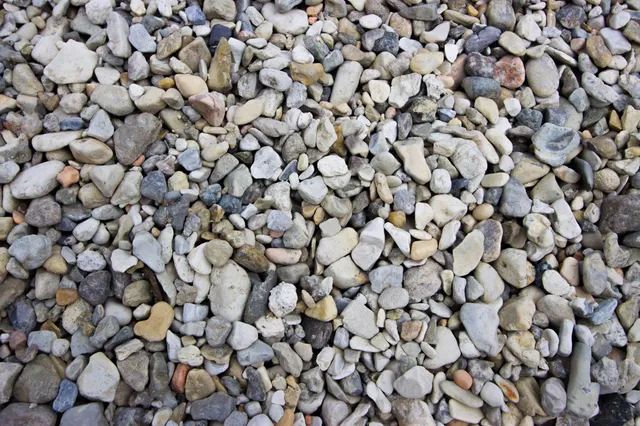
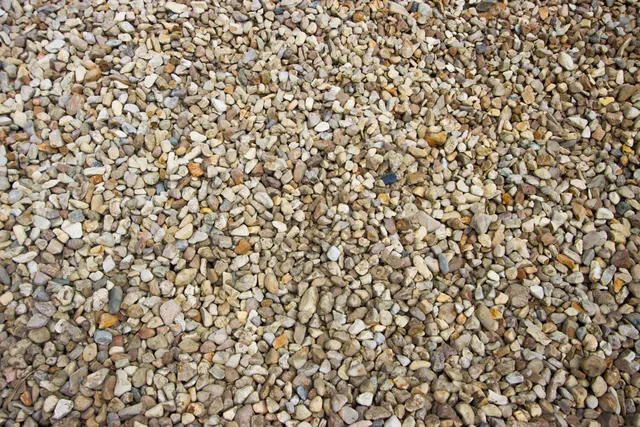
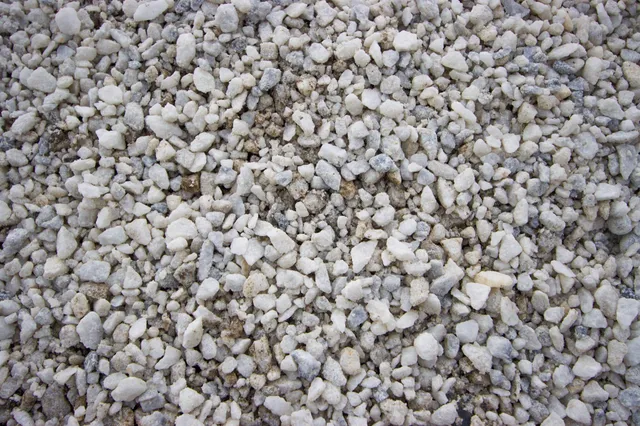
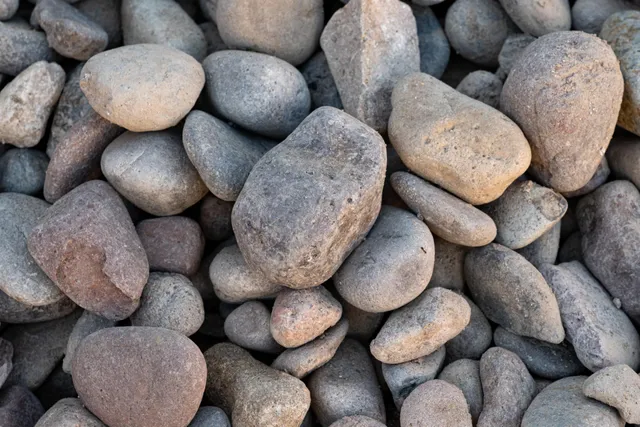
For driveways, pads, and landscaping in Roane County, common choices include a mix of gravel, sand, dirt, stone and mulch depending on the job. Each material serves different purposes such as load-bearing base, drainage layer, planting medium, or surface finish, and regional sources mean appearance and texture can vary.
Roane County’s seasonal freeze-thaw cycles, rain patterns, and rolling hills influence drainage and stability needs, so choose materials that shed water and resist movement on slopes. Permeable, angular aggregates work better for drainage and driveways on slopes, while finer materials may be better for garden beds but need erosion control on steep areas.
Start by defining the project goal—structural support, drainage, planting, or appearance—and pick materials that meet that function while matching local conditions. Consider load, slope, and maintenance: materials for a driveway need more compaction and strength than materials for a planting bed; use our material calculator or talk to our team for guidance.
Materials that allow water to pass through reduce runoff and freeze-thaw damage, while dense fine materials can trap water and need extra drainage measures on slopes. Maintenance differs by material—some need periodic topping or raking—so pick a material that balances appearance, performance, and how much upkeep you want to do.
Proper grading, compacted base layers, and erosion measures like geotextile fabric, silt fence, or small retaining features are often recommended for sloped or wet sites. For steeper or heavily eroding areas, add terraces, check dams, or professional drainage work to protect the material and surrounding land.
Measure the length, width, and depth of the area to get cubic yards (area times depth, divided by 27). Convert cubic yards to tons using a rule of thumb of about 1.2 to 1.7 tons per cubic yard depending on material; for example, a 10x20 ft area at 3 inches deep is roughly 1.9 cubic yards or about 2.3 to 3.2 tons. Use our online calculator or contact our team for a precise estimate.
Minimum orders start at 3 tons, and standard delivery typically requires 2+ business days for scheduling. Next-day delivery is available for orders placed before noon CST for an additional fee; exact costs and availability depend on your zip code and local supplier.
Deliveries are made by contracted dump trucks (commonly tri-axle); ensure the truck can access your site, watch for low branches or narrow roads, and clear a level offload area if possible. Tailgate spreading may be available at the driver's discretion—request it at checkout but note it is not guaranteed—and provide photos of access to our team if you have concerns.
Late spring through early fall is often the easiest time for deliveries and outdoor work to avoid frozen ground and heavy rains that can delay offloading or compaction. If you must schedule in winter or during rainy seasons, allow extra lead time and plan for potential access or timing issues.
Rules vary by location; some driveway alterations, road access changes, or work near streams may need county or state permits or erosion control plans. Check with Roane County offices or the West Virginia Department of Transportation before you start; Hello Gravel can help with delivery logistics but does not handle permitting.
Typical concerns include material variation due to regional sourcing, delivery access on rural roads, timing around weather, and price changes based on haul distance or availability. To reduce surprises, confirm your material type and quantity, send site photos to our team, and allow buffer time for scheduling and weather-related delays.
Materials are delivered by dump truck directly to your driveway or job site, placed exactly where you need them.
We work with a network of vetted partner haulers in your area. Every driver meets our quality and safety standards, regardless of the truck branding.
Our pricing is competitive with local quarries and landscape supply yards, and delivery is included. No trips to the store, no rental trucks, no loading bags yourself.
Order by noon on a weekday and we deliver the next business day. You choose your delivery date at checkout, and we confirm availability based on your location.