



Bob L.
3 hours ago
Verified
Great service
October 26, 2026

free delivery · you pick the date
Find local aggregate delivery near you in West Washington. Compare prices on gravel, sand, fill dirt, topsoil, stone, crushed concrete and other construction material, all delivered to Suquamish.
Order in Suquamish
Free delivery. You pick the date.
Prefer to talk? Call 855-241-8884Mon–Fri 7:00 AM–6:00 PM, Sat 8:00 AM–2:00 PM CT
Before you call
A ZIP helps us pull the right prices. Material and size can wait.
Enter your ZIP for an all-in delivered price — you pick the date.
Get delivery pricingCrushed stone, gravel, sand, and soil — priced by your ZIP, delivered on your date
How It Works
Find local aggregate delivery near you in West Washington. Compare prices on gravel, sand, fill dirt, topsoil, stone, crushed concrete and other construction material, all delivered to Suquamish.
Browse our products or take our quiz to find the right material for your project.
Use our calculator to determine quantity. Calculator found on any product page.
Choose your preferred date and time frame. Place your order online. We will call to confirm within 24 hours.
We source materials locally through our trusted supplier network and deliver straight to your home or job site in Suquamish.
Trusted by homeowners and contractors throughout Suquamish
On-time delivery from vetted local suppliers you can trust.
Materials are quality checked to ensure 100% satisfaction.
We will be with you through delivery. Call us any time if you need to make any changes to your order.
Order by noon on a weekday and we deliver the next business day. You pick the delivery date at checkout.
Real deliveries near Suquamish
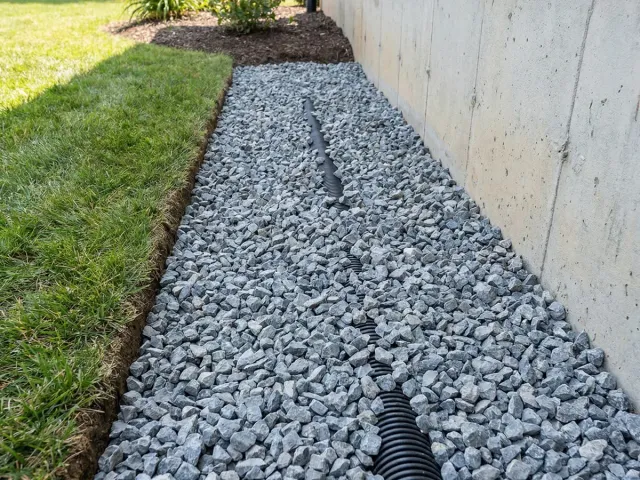
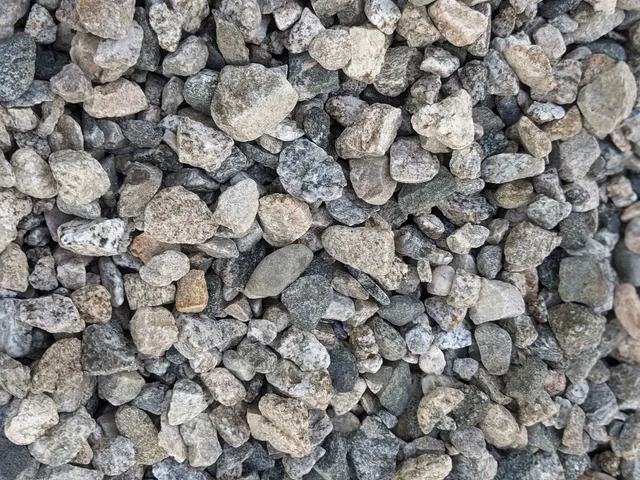
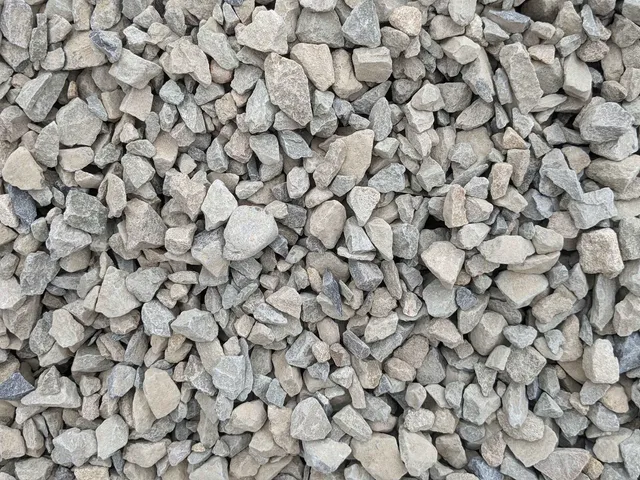
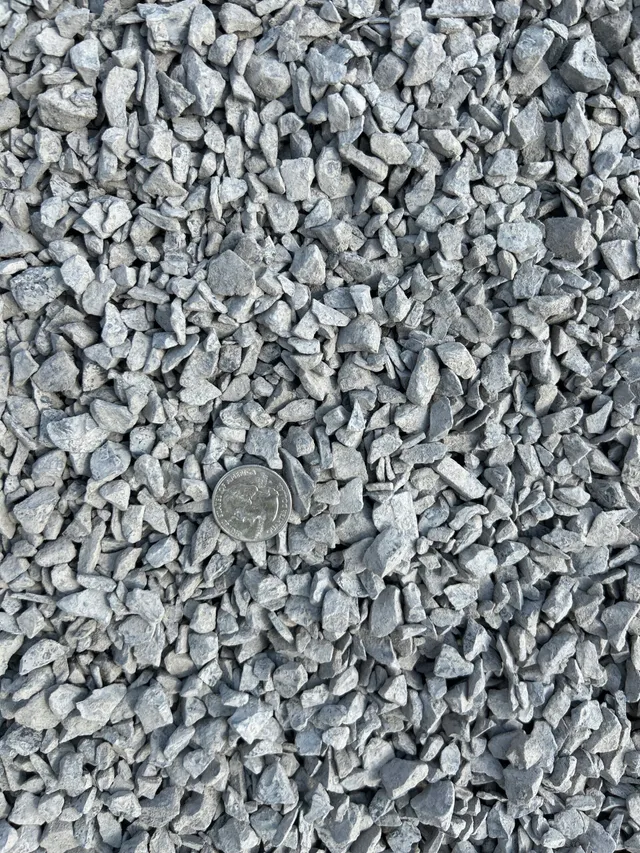
Bulk gravel, stone, sand, and mulch delivered across Suquamish and nearby — search your ZIP to see deliveries in your area.
Local Insights
Suquamish has a population of 2,660 and is part of a broader metro region of 2.5+ million, and that context helps explain steady demand for home improvements. At an annual growth rate of 1.90%, local construction activity and homeowner projects tend to expand predictably rather than spike suddenly—so expect ongoing need for materials for driveways, patios, retaining walls, garden beds, and drainage upgrades. Suquamish’s USDA hardiness zone 8b, 228 sunny days per year, and annual rainfall of 34.25 inches create cycles of wet winters and long favorable growing periods. That combination makes regional sourcing important: well-graded aggregates, drainage-friendly sands, quality topsoil and compost, and durable mulches all serve different roles in coping with both moisture and sun. Choosing quality bulk materials helps projects perform well through local seasonal cycles and reduces the need for frequent repairs.
1,450+ customer reviews on Google & our site
Bob L.
Great service
October 26, 2026
David P.
Excellent service from start to finish! I ordered 16 tons of driveway gravel, and everything went smoothly. Communication was great, and they made sure to arrange the right truck for the delivery since a larger truck wouldn’t fit in my driveway. The driver arrived on time and placed the gravel exactly where I wanted it. I really appreciate how easy they made the whole process. I highly recommend them!
October 26, 2026
Lee c.
Everything went well through the entire job
October 25, 2026
02
Choose materials based on expected traffic, drainage needs, and the local rainy climate. Coarser, well-draining mixes are better for vehicle areas, while finer materials work for footpaths and decorative beds. Consider appearance, maintenance frequency, and local sourcing—gravel, sand, dirt, stone can vary regionally so ask for photos or samples before ordering.
Look for well-draining, angular materials that shed water quickly and resist movement during storms. Using a stable base layer, geotextile fabric, and properly sized top material reduces erosion; avoid very fine, easily washed sands in exposed areas. Regular inspections and occasional replenishment help maintain protection against salt and runoff.
Larger, more angular aggregates generally allow better runoff and reduce freeze-thaw damage by preventing water from pooling. Finer materials retain more moisture and can rut or compact in wet conditions, so pair them with a drainage layer or edge restraints where needed. Local climate and soil type influence performance, so consider a drainage plan for any installation.
Late spring through early fall is usually best because soils are drier and crews can work more consistently. Winters bring heavy rains that can delay installation, cause tracking, and make sites muddy. If you must work in the wetter months, plan for extra time and protective measures like temporary gravel pads or matting.
Common minimum orders start around 3 tons for most suppliers, and standard delivery is usually scheduled for 2+ business days. Next-day delivery may be available for orders placed early with an additional fee. Keep in mind drivers are contracted local haulers, tailgate spreading is possible at their discretion, and some deliveries to tight or remote sites can incur extra charges.
Clear a stable drop zone free of low branches, vehicles, and obstacles and mark the exact delivery spot in Order Notes. Confirm access routes, weight limits, and gate or bridge restrictions with local authorities and our team ahead of time. For steep, narrow, or shoreline sites, expect a delivery assessment and possible additional charges for specialized equipment or longer carry.
You should check local city or county rules, shoreline regulations, and any HOA covenants before starting work. Some projects near shorelines, steep slopes, or visible front-yard changes may require permits or design review. If you are unsure, contact local planning or your HOA early—procurement and delivery can be scheduled once approvals are in place.
Use a material calculator or the aggregate quiz to convert area and depth into tons or cubic yards—our site offers tools and staff help to refine estimates. Factor in material type, delivery fees, possible access charges, and installation labor or equipment rentals. If you provide project dimensions, our team can give a more accurate quote and recommend conservative overage for compaction and waste.
Labor costs vary by project scale and the work required—common tasks include grading, excavation, compaction, edge restraint installation, and clean-up. Equipment rentals or contractor hourly rates should be budgeted separately from material and delivery costs. Get multiple quotes for installation work and plan for extra time and budget for site preparation in wet conditions.
Keep materials on a firm, well-draining surface and use tarps or covers to minimize contamination and washout during rain. Stockpile materials away from property edges and watercourses, and place them where they'll be used first to limit handling. For long-term storage, consider temporary containment or erosion-control measures to prevent runoff.
Most aggregate surfaces require periodic maintenance such as regrading, top-ups, and weed control every 1-5 years depending on use. Exposed coastal or high-traffic areas may need more frequent replenishment or stabilization. Budget for occasional repairs, renewed edging, and routine clearing to extend the life of your installation.
Contact customer service as soon as possible and provide photos and details of the issue; prompt reporting helps us work with the supplier and hauler to resolve situations. We will review the claim and explain next steps, referring you to our policies for refunds or replacements. Keep in mind that natural materials can vary regionally and we will help find a satisfactory solution.
Materials are delivered by dump truck directly to your driveway or job site, placed exactly where you need them.
We work with a network of vetted partner haulers in your area. Every driver meets our quality and safety standards, regardless of the truck branding.
Our pricing is competitive with local quarries and landscape supply yards, and delivery is included. No trips to the store, no rental trucks, no loading bags yourself.
Order by noon on a weekday and we deliver the next business day. You choose your delivery date at checkout, and we confirm availability based on your location.