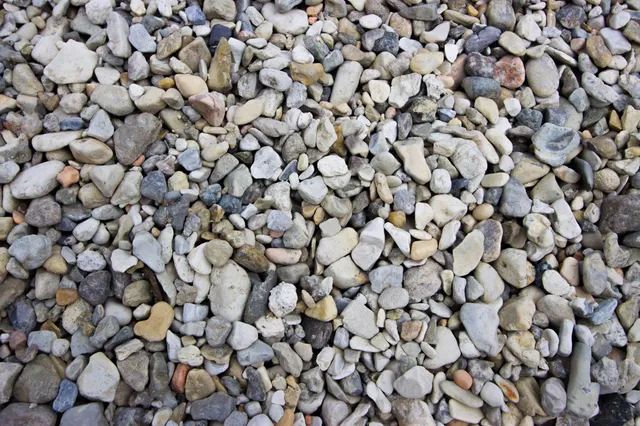
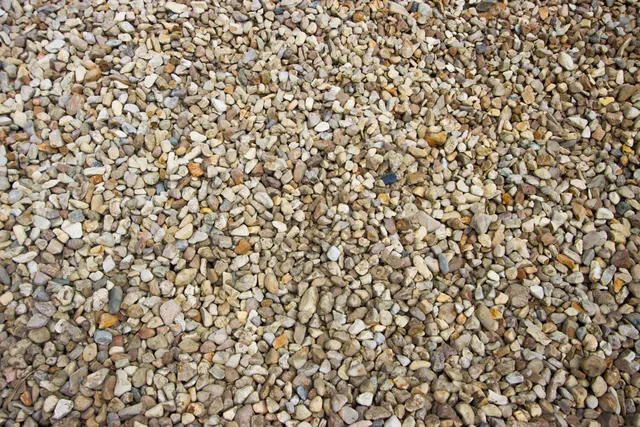
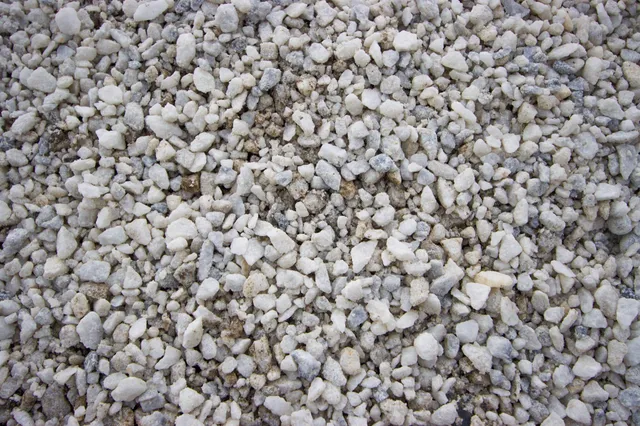
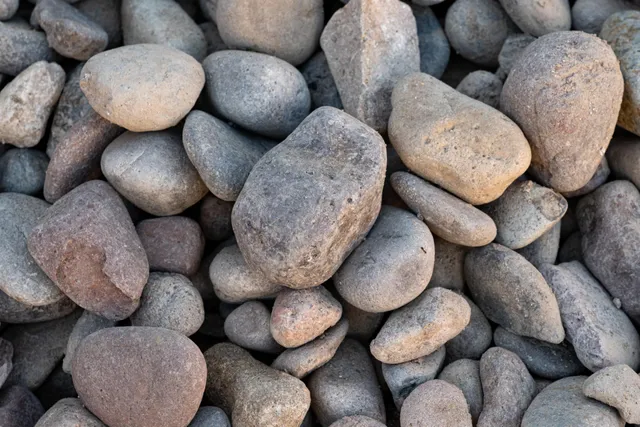
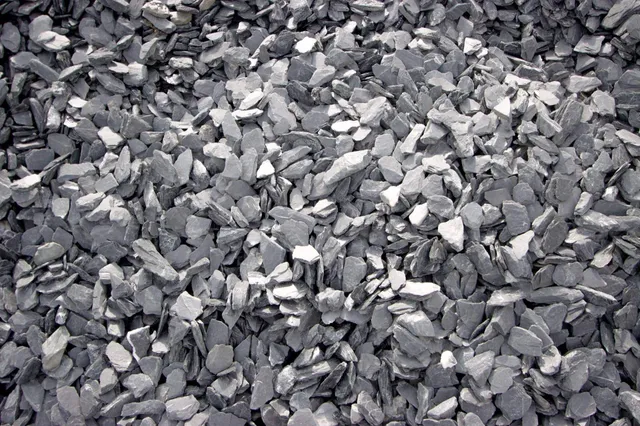
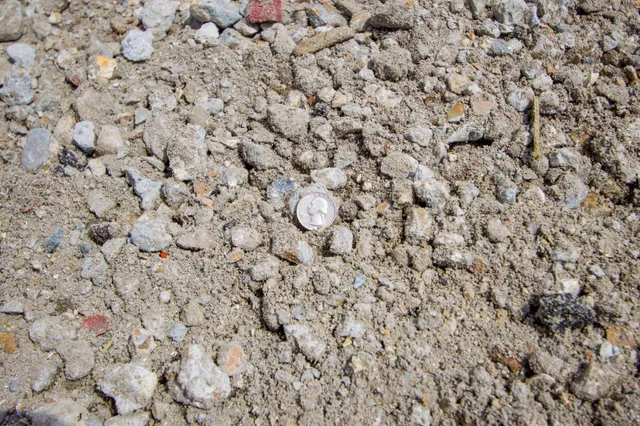
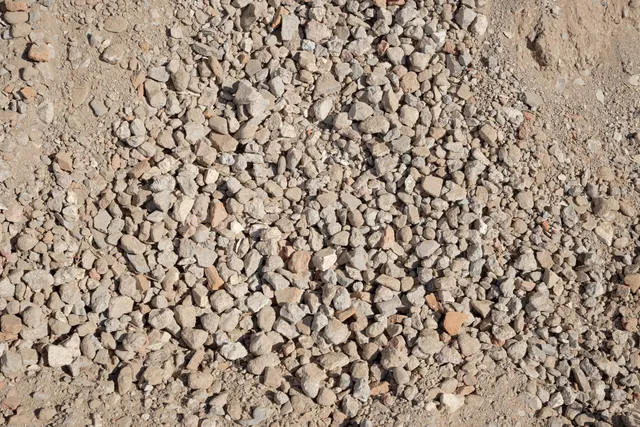
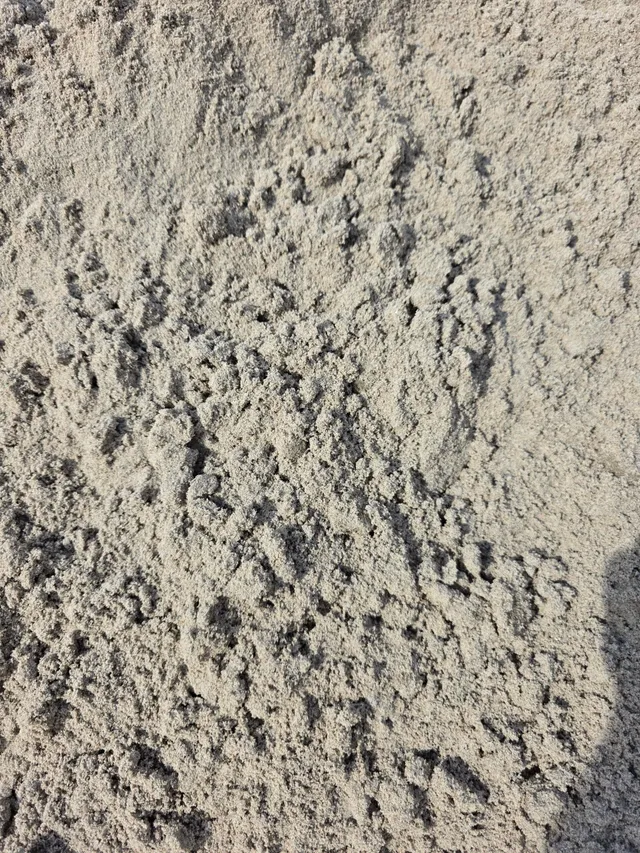
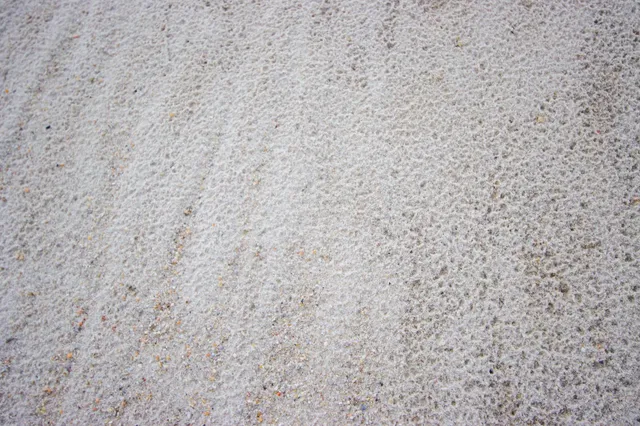
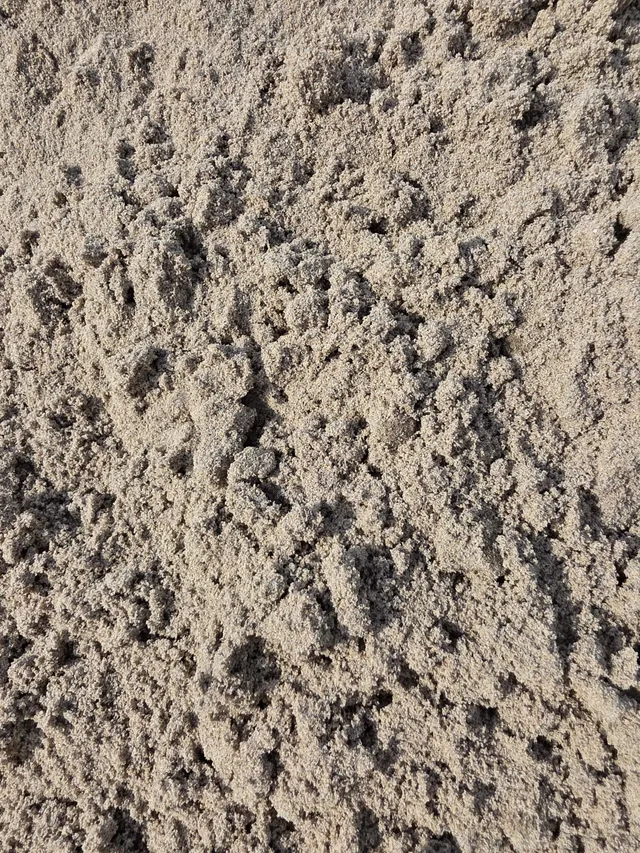
Bulk gravel, sand, fill dirt & topsoil delivery in Fort Myer, VA
free delivery · you pick the date
Find local aggregate delivery near you in West Virginia. Compare prices on gravel, sand, fill dirt, topsoil, stone, crushed concrete and other construction material, all delivered to Fort Myer.
Find local aggregate delivery near you in West Virginia. Compare prices on gravel, sand, fill dirt, topsoil, stone, crushed concrete and other construction material, all delivered to Fort Myer.
Find Your Material
Browse our products or take our quiz to find the right material for your project.
Calculate Amount Needed
Use our calculator to determine quantity. Calculator found on any product page.
Schedule Delivery
Choose your preferred date and time frame. Place your order online. We will call to confirm within 24 hours.
Materials Delivered
We source materials locally through our trusted supplier network and deliver straight to your home or job site in Fort Myer.
Why Fort Myer Chooses Hello Gravel
Trusted by homeowners and contractors throughout Fort Myer
Reliable Local Delivery
On-time delivery from vetted local suppliers you can trust.
High Quality Standards
Materials are quality checked to ensure 100% satisfaction.
Local Support Team
We will be with you through delivery. Call us any time if you need to make any changes to your order.
Next-Day Delivery
Order by noon on a weekday and we deliver the next business day. You pick the delivery date at checkout.
Real deliveries near Fort Myer
Delivered around Fort Myer, VA
Bulk gravel, stone, sand, and mulch delivered across Fort Myer and nearby — search your ZIP to see deliveries in your area.
Loading deliveries…
Local Insights
What to know about Fort Myer
Why Fort Myer homeowners choose Hello Gravel
Fort Myer has a population of 290, and its steady 2.40% annual growth points to ongoing demand for home improvements, infill development, and small-scale infrastructure work. For homeowners that means more landscaping refreshes, driveway repairs, and outdoor living projects as neighbors invest in properties. Local climate and geography—about 228 sunny days a year and roughly 34.25 inches of annual rainfall in a hardiness zone of 8b—shape what materials perform best: you’ll want supplies that manage both seasonal wetting and long dry spells, resist settling, and support plantings suited to moderate temperature ranges. Quality bulk materials across categories (gravel, sand, dirt, mulch, and general aggregates) matter because they form the foundation for drainage, erosion control, grading, and attractive outdoor surfaces, and regional sourcing means color and texture will reflect local geology.
Popular projects in Fort Myer this season
Driveway Resurfacing - 12 tons of aggregate
Backyard Pathway Installation - 6 tons of base material
Lot Grading & Fill - 15 tons of fill dirt
Raised Garden Bed Prep - 8 tons of topsoil
Property Drainage Improvement - 10 tons of landscaping mix
Fort Myer quick facts
Location
West Virginia
Population
290
Metro Area
2.6+ million
Annual Rainfall
34.25 inches
Sunny Days
228/year
Hardiness Zone
8b
Growth Rate
2.40% annually
Best times for Fort Myer projects
Stable Fall Conditions
Spring Moist Conditions
Peak Project Season
Winter Weather Limits
Local handoff
Want help with delivery in Fort Myer?
Share your ZIP and what you need help with. We'll use this city page as context when we follow up.
This page gives us the Fort Myer delivery context.
Ask about pricing, delivery timing, material choice, or quantity.
Keep the material broad if you are still browsing options.
Trusted by homeowners nationwide
1,888 verified reviews across every state we serve
Rachel
5 days ago
I ordered fill dirt to grade around my house. The process was so simple! The driver met me where I wanted him to drop the dirt. I think I spent a total of 30 min with the ordering, paying, and the truck arriving with the material the day they said they would be there. I'm very pleased.
October 6, 2026
Hung L.
5 days ago
An excellent company with attentive customer service.
October 6, 2026
Steven A.
2 weeks ago
I needed the dirt dumped in a rather tight spot and the driver of the truck was totally cooperative.He took care not to damage any trees or shrubs.Smooth sailing is all I can say.
September 21, 2026
02
Fort Myer delivery questions
Which material types hold up best in Fort Myer's climate and freeze-thaw cycles?
In Fort Myer's seasonal climate, materials that drain well and resist frost heave perform best. Choose aggregates with good compaction and drainage properties — such as crushed stone, coarse gravel mixes, and well-graded sand blends — depending on the application. Regional sourcing means texture and color can vary, so factor in local geology and expected water flow when selecting materials.
How do I pick the right material for a driveway, patio, or drainage project?
Start by matching the material to function: durable, compactable mixes for driveways, finer well-draining mixes for patios, and free-draining aggregates for drainage. Consider load, appearance, and maintenance: heavier-traffic areas need more angular, compactable material, while decorative beds can use screened or washed aggregates. Use our material calculator or contact our team for guidance based on project size and intended use.
When is the best time of year to order and install bulk materials in Fort Myer?
Spring through early fall is typically the best window for delivery and installation, when ground conditions are drier and compaction is easier. Winter and freeze-thaw periods can complicate grading and compaction, and some suppliers reduce services in colder months. Plan ahead for peak season to secure preferred delivery dates and avoid weather-related delays.
What should I expect for delivery timing, minimums, and truck types in Fort Myer?
Standard delivery is usually 2+ business days, with a next-day option available for orders placed before noon CST for an extra fee. Minimum order size is generally 3 tons and deliveries are made by dump trucks, typically tri-axle trucks. Request a preferred delivery date at checkout and add site access notes so drivers can plan the safest drop location.
What are typical cost ranges for bulk landscaping materials in a small city like Fort Myer?
Costs vary by material, local supply, and haul distance, but homeowners often see pricing quoted per ton or per cubic yard. As a rough guide, expect low- to mid-range materials to be less expensive per ton, while specialty or washed materials cost more; delivery fees depend on distance and truck access. For an accurate estimate, use our online quote tool or get a custom quote for your zip code and project size.
How far will suppliers usually deliver around Fort Myer and what affects delivery radius?
Most local suppliers deliver within a practical hauling radius, commonly 20-40 miles from their yard, though this varies by region, material availability, and trucking logistics. Factors that affect whether a supplier will deliver include road restrictions, load permits, job-site access, and truck turnaround time. Enter your zip code to check availability and delivery options for your exact address.
Are there local permits or rules I should check before a bulk material delivery in Fort Myer?
Yes, check for any local ordinances, HOA rules, street-parking restrictions, and weight limits that could affect delivery and dumping on public property. Some municipalities require permits for heavy truck access, curb cuts, or long-term driveway work. Contact the city or your HOA before delivery, and note any permit needs in your order notes so we can coordinate with the carrier.
How do contractors typically price labor to spread and compact materials in Fort Myer?
Contractors commonly price spreading and compaction as a combination of hourly labor rates and equipment charges, or as a per-yard/per-project flat fee. Rates depend on crew size, access difficulty, and whether equipment like compactors or skid steers is needed. Ask local contractors for site-specific estimates and compare whether hiring labor or renting equipment makes more sense for your budget and timeline.
Should I buy or rent equipment to spread and compact materials for my project?
If you have a small yard project and some DIY experience, renting basic tools (rakes, wheelbarrows, a plate compactor) is often cost-effective. For larger areas or when compaction quality matters, hiring a contractor with dedicated equipment can save time and reduce the risk of poor results. Consider job size, your comfort with the equipment, and any additional labor costs when deciding.
How can I estimate how much material I need for a project in Fort Myer?
Measure the length, width, and desired depth of the area in feet, then convert to cubic yards or tons using our online calculator for a quick estimate. Remember to allow extra material for compaction and grading—commonly 5-10% more for smaller projects and up to 15% for irregular areas. For complex grades or drainage solutions, consult our team or a local contractor to confirm quantities.
What should I do if the delivered material looks different than expected?
Natural materials vary by region, so color and texture may not exactly match photos; this is normal with local sourcing. If you have concerns, photograph the delivery, note the differences, and contact our customer service promptly so we can work with the supplier to address the issue. Review our refund and issue resolution guidance and report problems as soon as possible for the fastest resolution.
How is the material delivered?
Materials are delivered by dump truck directly to your driveway or job site, placed exactly where you need them.
Will the material arrive in a Hello Gravel dump truck?
We work with a network of vetted partner haulers in your area. Every driver meets our quality and safety standards, regardless of the truck branding.
Can I find the same material cheaper somewhere else?
Our pricing is competitive with local quarries and landscape supply yards, and delivery is included. No trips to the store, no rental trucks, no loading bags yourself.
How soon can I get the materials delivered?
Order by noon on a weekday and we deliver the next business day. You choose your delivery date at checkout, and we confirm availability based on your location.