
Fill Dirt delivery in Richmond, UT
free delivery · you pick the date
Need fill-dirt delivered in Richmond? Order bulk fill-dirt near you with same-day delivery. Compare prices on premium fill-dirt for your construction or landscaping project.
See delivered prices in Richmond
Free delivery. You pick the date.
Prefer to talk? Call 855-241-8884Mon–Fri 7:00 AM–6:00 PM, Sat 8:00 AM–2:00 PM CT
Before you call
A ZIP helps us pull the right prices. Material and size can wait.
- 10 deliveries within 25 miles
- Free delivery, you pick the date
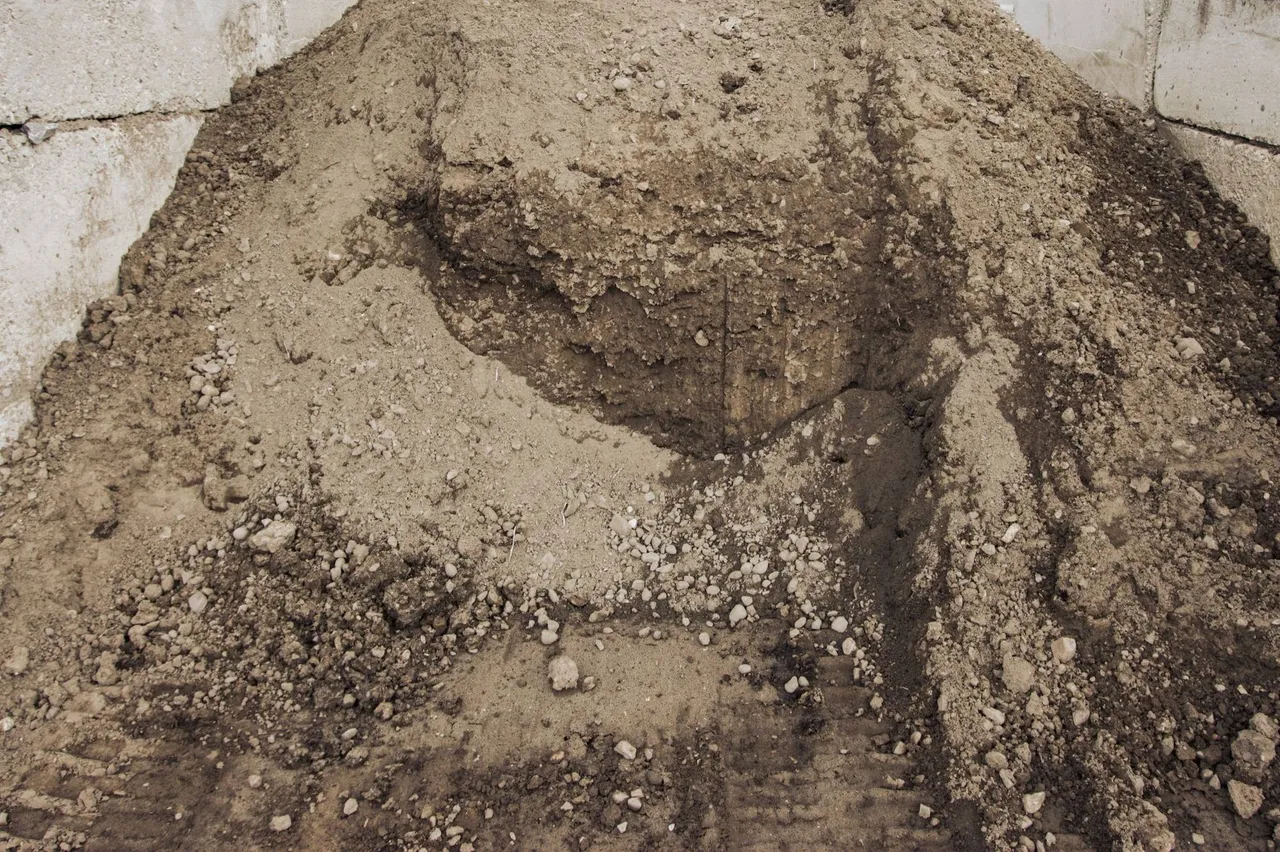
Fill Dirt in Richmond
Fill Dirt
Clean, screened fill dirt for grading, leveling, and backfilling projects. Essential for raising elevation, filling holes, and preparing sites for construction.
Prices are ZIP-regional — enter yours for an all-in delivered price.
How It Works
How Hello Gravel Works?
Simple, fast, and reliable fill-dirt delivery in Richmond
Find Your Material
Browse our products or take our quiz to find the right material for your project.
Calculate Amount Needed
Use our calculator to determine quantity. Calculator found on any product page.
Schedule Delivery
Choose your preferred date and time frame. Place your order online. We will call to confirm within 24 hours.
Materials Delivered
We source materials locally through our trusted supplier network and deliver straight to your home or job site in Richmond.
Why Richmond Chooses Hello Gravel
Trusted by homeowners and contractors throughout Richmond
Reliable Local Delivery
On-time delivery from vetted local suppliers you can trust.
High Quality Standards
Materials are quality checked to ensure 100% satisfaction.
Local Support Team
We will be with you through delivery. Call us any time if you need to make any changes to your order.
Next-Day Delivery
Order by noon on a weekday and we deliver the next business day. You pick the delivery date at checkout.
Local Insights
What to know about Richmond
Why Richmond homeowners choose Hello Gravel
Richmond is a growing community with a city population of 3,050 and ties to a larger metro area of 2.5+ million. With a growth rate of 2.10% annually, local homeowners and contractors are seeing steady demand for grading, backfill, and site-prep materials. Richmond's climate—about 228 sunny days per year, 34.32 inches of annual rainfall, and USDA hardiness zone 8b—means soils can dry quickly between storms but still require careful grading to prevent erosion during wet periods. For many projects, consistent, low-organic fill-dirt is essential: it compacts predictably, reduces future settling, and provides a stable base for driveways, patios, and foundation backfill. Homeowners value suppliers who deliver reliably and provide material guidance to avoid costly rework.
Popular projects in Richmond this season
- Yard grade fill-dirt - 20 tons
- Driveway raise fill-dirt - 35 tons
- Foundation backfill fill-dirt - 250 tons
- Retaining wall backfill fill-dirt - 75 tons
- Walkout basement backfill fill-dirt - 600 tons
Richmond quick facts
- Location
- West Utah
- Population
- 3,050
- Metro Area
- 2.5+ million
- Annual Rainfall
- 34.32 inches
- Sunny Days
- 228/year
- Hardiness Zone
- 8b
- Growth Rate
- 2.10% annually
- Delivery Coverage
- Citywide delivery available
Best times for Richmond projects
- Stable Fall Temps
- High Moisture Risk
- Dry Optimal Compaction
- Freeze Heave Risk
02
Fill Dirt delivery questions
How much does a truckload of fill-dirt cost in Richmond, UT?
Prices vary by supplier, distance, and exact material, but expect a truckload (roughly 8–12 cubic yards) of basic fill-dirt to fall in a mid-range price band for West Utah. Hello Gravel shows exact pricing after you enter your zip code and preferred delivery date; contact our team for a firm quote and to confirm minimum order requirements. Local factors like haul distance from the pit and seasonal demand in the Richmond area can affect the final cost.
Can you put fill-dirt directly on existing dirt to raise or level ground?
Yes, you can place fill-dirt on top of existing soil to raise grades or fill low spots, but prepare the area first by removing vegetation, large roots, and loose organics. For any area that will support structures, driveways, or heavy loads, place fill in 4–6 inch lifts and compact each layer to reduce future settlement. In Richmond's dry climate, light watering before compaction can help achieve better density.
What should I put under fill-dirt for a future driveway in Richmond?
Fill-dirt by itself is not a good structural base for a driveway. Install a geotextile fabric if the subgrade is soft, then add and compact a crushed-stone base or road base (commonly 4–8 inches of crusher-run) before putting the final surface. This approach helps with drainage and prevents rutting, which matters in Richmond where seasonal freeze and dry cycles can affect subgrade performance.
Is fill-dirt suitable for garden beds or raised planting areas?
Not by itself. Fill-dirt is typically low in organic matter and nutrients, so mix it with topsoil and compost before planting or use it only as subfill. A common approach in Richmond is to cap fill-dirt with 6–8 inches of amended topsoil for flower beds or vegetable gardens to ensure proper fertility and water retention.
Is 2 inches of fill-dirt enough to level a lawn or fill low spots?
Two inches is generally too thin for long-term leveling; expect settlement and unevenness. For leveling lawn areas plan on at least 4–6 inches of new material and spread it in thin layers, lightly compacting between additions. For larger regrades or construction areas, use staged lifts of 4–6 inches compacted to reduce future settlement.
How much fill-dirt do I need for a 20 ft long by 10 ft wide area at 4 inches deep?
Use the simple formula: cubic yards = (length x width x depth in feet) / 27. For a 20 ft by 10 ft area at 4 inches (0.333 ft) deep you need about 2.5 cubic yards. Order 10–20% extra to allow for compaction and minor grade adjustments when the truck delivers to Richmond.
What are the downsides of using fill-dirt for yard projects in Richmond?
Common downsides include settlement over time if not compacted in lifts, low organic content that requires amendment for planting, and the chance of bringing weed seeds or roots if the fill isn't clean. Some local fills can contain clay that expands and contracts with seasonal moisture changes, so test and plan accordingly for structural uses.
Will fill-dirt stop weeds from growing?
No. Fill-dirt does not reliably stop weeds and may even contain weed seeds or buried roots. For weed control combine proper site prep with a weed barrier, clean weed-free topsoil cap, or a 6–8 inch layer of amended topsoil on planting areas to reduce future weed pressure in Richmond's environment.
What holds fill-dirt in place on slopes or raised areas?
Use a combination of methods: compacted lifts, erosion-control fabric, mulched vegetation, rock edging, or small retaining walls depending on slope steepness. For Richmond's semi-arid conditions, establishing drought-tolerant groundcover and using terracing or low garden walls are practical ways to stabilize new fills and limit erosion.
What is the best material to patch potholes in a gravel driveway: can I use fill-dirt?
Fill-dirt alone is not recommended for pothole repairs because it compacts poorly and can wash out. Use crusher-run, 3/4" minus, or road-base material placed in layers and well compacted; these materials interlock better and hold up to traffic. You can use fill-dirt beneath the base for deep holes, but the top layers should be structural aggregate.
How much area does a 50 lb bag of fill-dirt cover?
A 50 lb bag of soil is about 0.5 cubic foot, so it covers a very small area. At a 1 inch depth it will cover roughly 6 square feet; at 2 inches it covers about 3 square feet. For most yard regrades in Richmond you'll be ordering cubic yards or truckloads, not bags.
Is there a simple guideline for mixing fill-dirt with compost for planting?
A commonly used guideline is to mix roughly 70% soil to 30% compost or organic material when converting fill-dirt into planting soil, though exact ratios depend on your plants and soil test. That 70/30 mix can significantly improve fertility, structure, and water retention for Richmond gardens, but do a small test bed first and adjust as needed.
Does fill-dirt attract pests or bugs in a yard?
Fill-dirt itself doesn't inherently attract pests more than other soils, but any soil can provide habitat for ground-dwelling insects or pests if food sources or moisture are present. Good practice in Richmond is to remove heavy organic debris before placing fill and to cap with appropriate topsoil and mulch for planting areas to minimize unwanted insect habitat.
How should fill-dirt be placed and compacted to avoid future settling?
Place fill-dirt in lifts of 4–6 inches, lightly moisten each lift if very dry, and compact with a plate compactor or roller before adding the next lift. For areas that will bear loads or support structures, consider a compaction test and follow local building or engineering specs. In Richmond's dry seasonal climate, proper compaction reduces post-delivery settlement and the need for rework.
What should I know about delivery to Richmond, UT when ordering fill-dirt from Hello Gravel?
Hello Gravel connects you with local suppliers and dump-truck fleets; minimum orders start at 3 tons and standard delivery is 2+ business days with a next-day option available for orders placed before noon CST. Because Richmond is a smaller community, hauling distance and supplier availability can affect delivery timing and price, so enter your zip code and preferred delivery date for the most accurate quote.
Why might the material look different from the image?
Natural stone and aggregate vary slightly in color, texture, and size between quarry batches. This is normal and doesn't affect performance; photos represent typical appearance.
Can you help me figure out what material I need?
Absolutely. You can browse our project guides, use our material quiz, or call us directly. We're happy to help you pick the right material for your project.
What is the minimum order size?
The minimum order is 1 ton, or 1 cubic yard for mulch and soil products. That covers a single garden bed or a short stretch of path, so small jobs are welcome alongside large ones.
Ready for fill dirt in Richmond?
Enter your ZIP for an all-in delivered price — you pick the date.
Get fill dirt pricing