


Carolyn M.
1 day ago
Verified
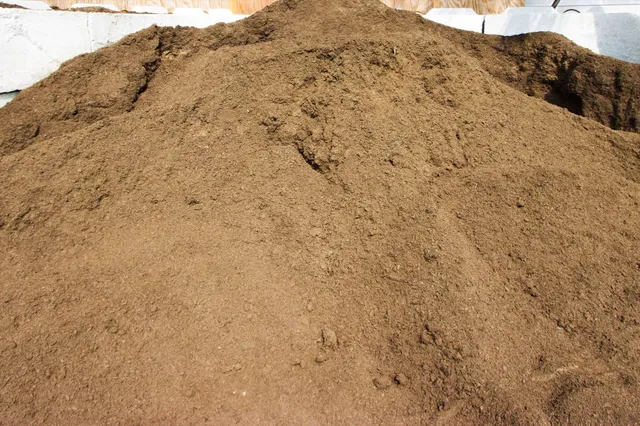
Hello Gravel made ordering fill dirt so easy. They were quick and the communication was excellent. I plan to use them again for gravel next.
October 19, 2026

free delivery · you pick the date
Find local aggregate delivery near you in Texas Region. Compare prices on gravel, sand, fill dirt, topsoil, stone, crushed concrete and other construction material, all delivered to Roberts County.
Order in Roberts County
Free delivery. You pick the date.
Prefer to talk? Call 855-241-8884Mon–Fri 7:00 AM–6:00 PM, Sat 8:00 AM–2:00 PM CT
Before you call
A ZIP helps us pull the right prices. Material and size can wait.
Enter your ZIP for an all-in delivered price — you pick the date.
Get delivery pricingCrushed stone, gravel, sand, and soil — priced by your ZIP, delivered on your date
How It Works
Find local aggregate delivery near you in Texas Region. Compare prices on gravel, sand, fill dirt, topsoil, stone, crushed concrete and other construction material, all delivered to Roberts County.
Browse our products or take our quiz to find the right material for your project.
Use our calculator to determine quantity. Calculator found on any product page.
Choose your preferred date and time frame. Place your order online. We will call to confirm within 24 hours.
We source materials locally through our trusted supplier network and deliver straight to your home or job site in Roberts County.
Trusted by homeowners and contractors throughout Roberts County
On-time delivery from vetted local suppliers you can trust.
Materials are quality checked to ensure 100% satisfaction.
We will be with you through delivery. Call us any time if you need to make any changes to your order.
Order by noon on a weekday and we deliver the next business day. You pick the delivery date at checkout.
Real deliveries near Roberts County
Bulk gravel, stone, sand, and mulch delivered across Roberts County and nearby — search your ZIP to see deliveries in your area.
Local Insights
Roberts County has a population of 920 and sits within a metro area of 4.6+ million, with steady expansion at a 2.10% annual growth rate. That steady growth tends to translate into ongoing demand for residential and public works projects—new driveways, yard remodels, fencing, and small-scale infrastructure upgrades are common needs—so homeowners and contractors alike will be purchasing bulk materials more frequently. The local climate (hardiness zone 8a, about 218 sunny days per year, and 38.97 inches of rain annually) means materials must balance sun and water exposure: durable aggregates for drainage, stabilized fills for structural work, and UV-resistant ground covers for exposed areas perform better here. Regional sourcing also affects texture and color, so selecting materials that meet both functional and aesthetic goals is important as the county grows.
1,550+ customer reviews on Google & our site
Carolyn M.
Hello Gravel made ordering fill dirt so easy. They were quick and the communication was excellent. I plan to use them again for gravel next.
October 19, 2026
Dave
Great service would highly recommend this company. I’ll use them again.
October 13, 2026
Rachel
I ordered fill dirt to grade around my house. The process was so simple! The driver met me where I wanted him to drop the dirt. I think I spent a total of 30 min with the ordering, paying, and the truck arriving with the material the day they said they would be there. I'm very pleased.
October 6, 2026
02
Homeowners and contractors in Roberts County commonly order materials for driveways, parking pads, patios, landscape beds, erosion control, and site grading for outbuildings. Bulk deliveries also support farm uses like livestock pads, road maintenance, and trench backfill. These jobs are well suited to ordering a range of materials (gravel, sand, dirt, stone) by the ton or cubic yard.
Start by matching the material to the purpose: load-bearing surfaces need a sturdy, well-graded aggregate and good base; planting beds need material that supports drainage and plant health. Consider traffic level, desired appearance, and maintenance—some materials compact and lock together, others drain better or are easier to move. If unsure, use our material quiz or contact our team for guidance based on your project conditions.
Local soils often influence whether you need extra base material or drainage improvements; soils with heavy clay or poor drainage may require a thicker aggregate base or added sand to improve drainage. Test the site by digging a small hole to observe water retention and soil texture, and plan for proper grading and contouring to move water away from structures. When in doubt, consult a contractor to confirm subgrade preparation before ordering material.
Hot, windy, and seasonally variable weather in this region can cause finer materials to migrate or blow away and can accelerate color fading on some surfaces. Choose materials that resist erosion and are suitable for local freeze-thaw and heat cycles, and expect that loose materials may need occasional replenishment. Proper compaction, edging, and vegetation or geotextiles can extend performance in this climate.
Many local suppliers and haulers serve rural and unincorporated addresses, but delivery depends on road access, truck turning radius, and seasonal road conditions. Common restrictions include narrow lanes, low-clearance bridges or culverts, gated driveways, and weight limits on private or county roads—these can affect where the truck can safely offload. Provide clear directions and photos at checkout, and our team will confirm whether a delivery is feasible and note any extra fees or restrictions.
Prices vary by material, distance, and demand, but a rough ballpark for many aggregates can range from about $15 to $60 per ton for material, with delivery fees commonly ranging from $50 to $250 depending on distance and access. Installation or spreading labor is additional and often runs from about $40 to $75 per hour for local contractors, though simple tailgate spreading by the driver may be available at their discretion. For an accurate estimate, use our material calculator and request a quote that includes delivery to your zip code.
The busiest season is typically spring through early fall when ground conditions are favorable and contractors are most available. In very wet or frozen periods, deliveries and site work can be delayed or more costly, so plan ahead and schedule deliveries at least several days in advance when possible. If you need faster timing, check next-day delivery availability and place orders before the noon CST cutoff.
Permit and road-use rules vary by county and property type, so check with the Roberts County road or permitting office and any applicable HOA before starting work. Some projects—like new driveway access or heavy equipment on county roads—may require permits or encroachment approvals, and contractors might need to follow local hauling rules. When in doubt, contact local authorities and disclose permit needs to your supplier so logistics can be planned accordingly.
Contractors should plan for longer haul distances, staging room for trucks, on-site material storage, and clear communication about access limitations. They should also budget for extra base preparation, compaction, drainage work, and potential county-road permits. Clear site photos and precise delivery instructions speed coordination between suppliers, haulers, and crews.
Contractors often choose well-graded aggregates and larger rock mixes that resist movement in wind and runoff, plus mixes that promote surface drainage. For low-maintenance yards, combinations of stable aggregates, compacted base, and selective topsoil or mulch in planting areas provide durable results. Ask your supplier about mixes that balance stability, drainage, and local appearance.
Measure the project area (length x width) and decide on the desired depth—common depths are 2-4 inches for surface layers and 4-8 inches or more for base layers—then use a material calculator to convert cubic feet or yards to tons. Our online calculator and sales team can convert your measurements to recommended tonnage and give a delivery quote for your zip code. Always add a 5-10% overage for waste, compaction, and grading adjustments.
Clear the drop zone of vehicles, low branches, farm equipment, and fragile landscaping, and mark preferred truck access and offload points with flags or cones. Make sure the driver has safe turning space and that gates are unlocked or that someone is on site to direct the truck; communicate any underground utilities or fragile features. If tailgate spreading is requested, note that drivers will assess safety and may refuse spreading if conditions are unsafe.
Materials are delivered by dump truck directly to your driveway or job site, placed exactly where you need them.
We work with a network of vetted partner haulers in your area. Every driver meets our quality and safety standards, regardless of the truck branding.
Our pricing is competitive with local quarries and landscape supply yards, and delivery is included. No trips to the store, no rental trucks, no loading bags yourself.
Order by noon on a weekday and we deliver the next business day. You choose your delivery date at checkout, and we confirm availability based on your location.