Carolyn M.
1 day ago
Verified
Hello Gravel made ordering fill dirt so easy. They were quick and the communication was excellent. I plan to use them again for gravel next.
October 19, 2026

free delivery · you pick the date
Find local aggregate delivery near you in Texas Region. Compare prices on gravel, sand, fill dirt, topsoil, stone, crushed concrete and other construction material, all delivered to Martin County.
Order in Martin County
Free delivery. You pick the date.
Prefer to talk? Call 855-241-8884Mon–Fri 7:00 AM–6:00 PM, Sat 8:00 AM–2:00 PM CT
Before you call
A ZIP helps us pull the right prices. Material and size can wait.
Enter your ZIP for an all-in delivered price — you pick the date.
Get delivery pricingCrushed stone, gravel, sand, and soil — priced by your ZIP, delivered on your date
How It Works
Find local aggregate delivery near you in Texas Region. Compare prices on gravel, sand, fill dirt, topsoil, stone, crushed concrete and other construction material, all delivered to Martin County.
Browse our products or take our quiz to find the right material for your project.
Use our calculator to determine quantity. Calculator found on any product page.
Choose your preferred date and time frame. Place your order online. We will call to confirm within 24 hours.
We source materials locally through our trusted supplier network and deliver straight to your home or job site in Martin County.
Trusted by homeowners and contractors throughout Martin County
On-time delivery from vetted local suppliers you can trust.
Materials are quality checked to ensure 100% satisfaction.
We will be with you through delivery. Call us any time if you need to make any changes to your order.
Order by noon on a weekday and we deliver the next business day. You pick the delivery date at checkout.
Real deliveries near Martin County
Bulk gravel, stone, sand, and mulch delivered across Martin County and nearby — search your ZIP to see deliveries in your area.
Local Insights
Martin County homeowners are building and renovating in a region with a population of 5,260 and a metro area population of 4.6+ million. A growth rate of 2.10% annually points to steady demand for new housing, driveways, and outdoor living spaces — not a sudden boom, but consistent, ongoing projects. Combined with a climate that averages 218 sunny days per year and an annual rainfall of 38.97 inches in hardiness zone 8a, that demand favors materials that balance durability and drainage. Homeowners here need a mix of reliable base materials for grading, permeable options for managing runoff, and organic products for planting beds that handle both heat and moisture. Choosing quality bulk materials — from soils and sand to stone and mulch — matters because regional sourcing and the local weather patterns directly affect long-term performance and maintenance needs.
1,550+ customer reviews on Google & our site
Carolyn M.
Hello Gravel made ordering fill dirt so easy. They were quick and the communication was excellent. I plan to use them again for gravel next.
October 19, 2026
Dave
Great service would highly recommend this company. I’ll use them again.
October 13, 2026
Rachel
I ordered fill dirt to grade around my house. The process was so simple! The driver met me where I wanted him to drop the dirt. I think I spent a total of 30 min with the ordering, paying, and the truck arriving with the material the day they said they would be there. I'm very pleased.
October 6, 2026
02
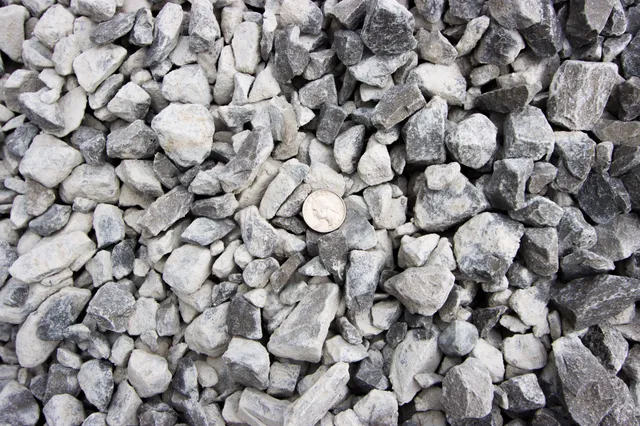
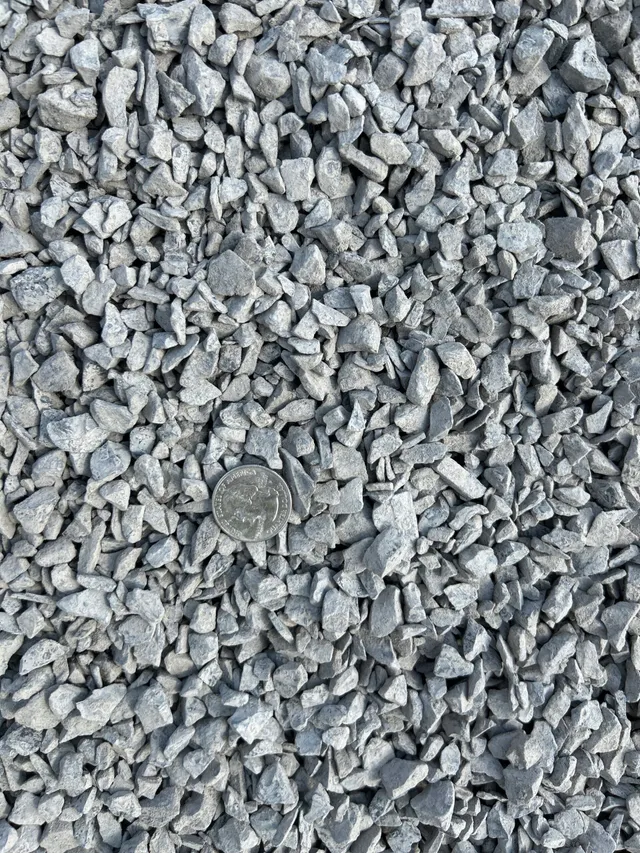
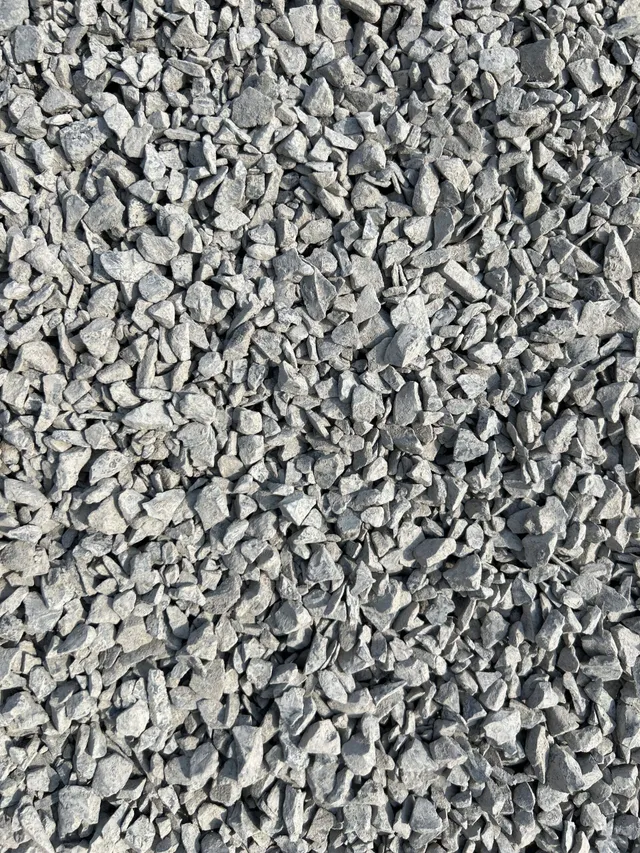
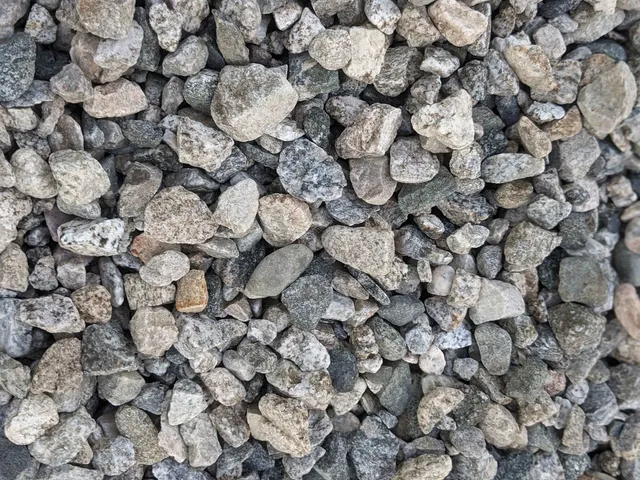
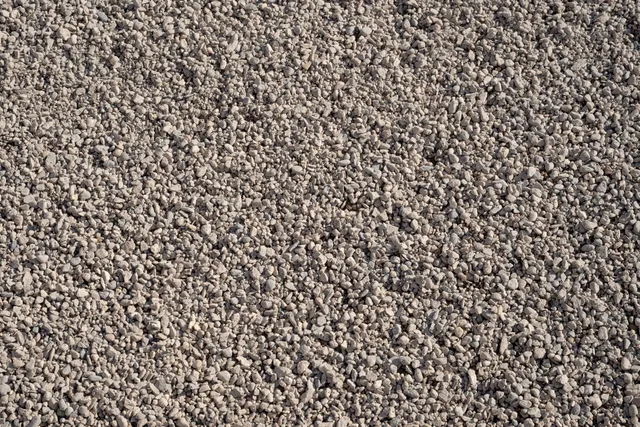
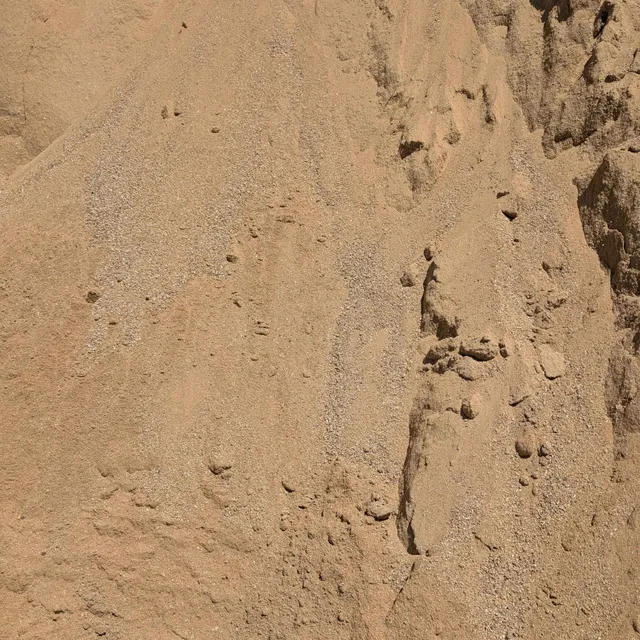
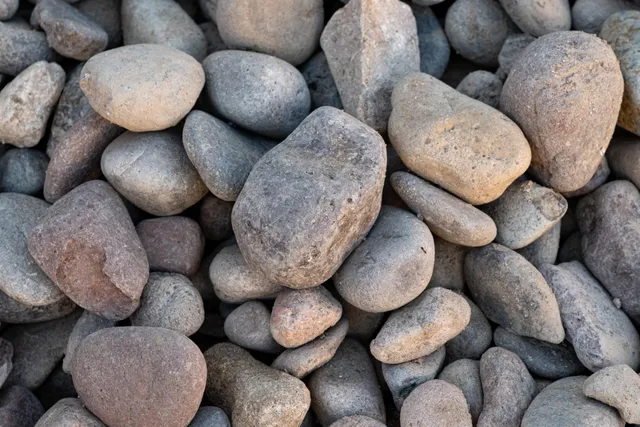
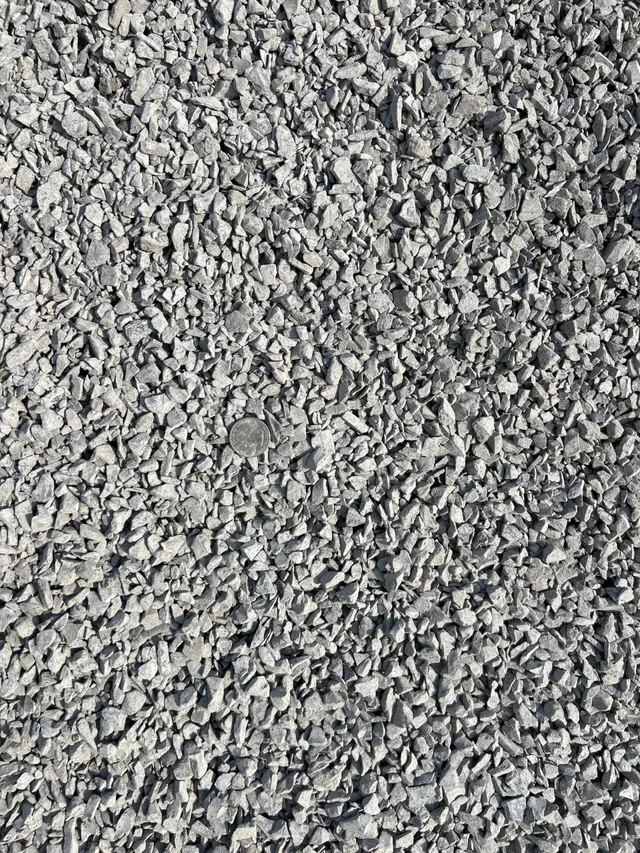
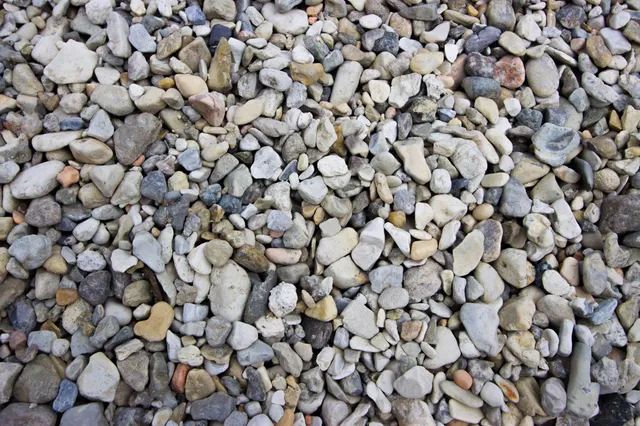
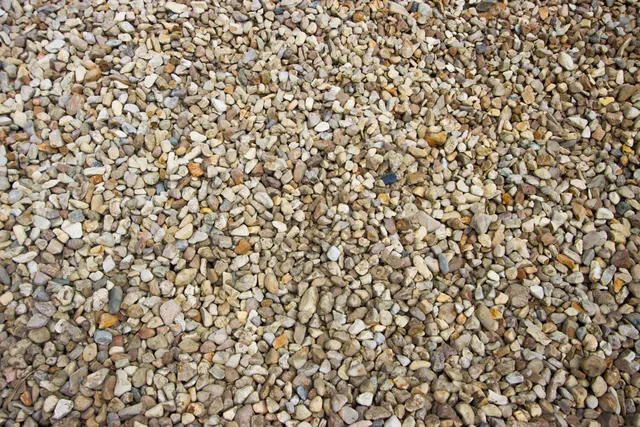
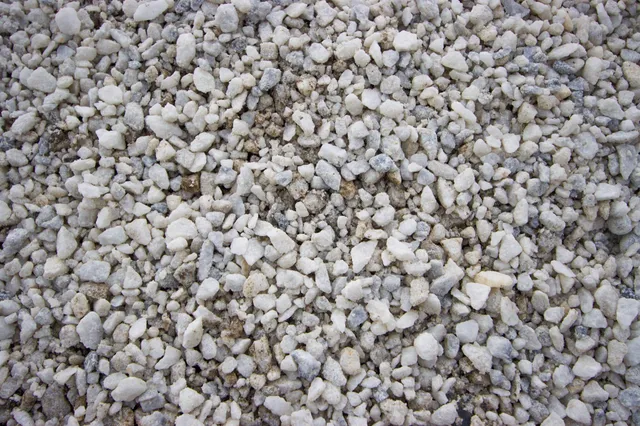
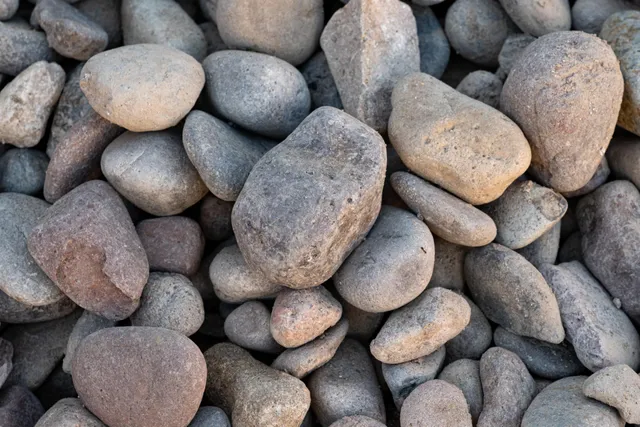
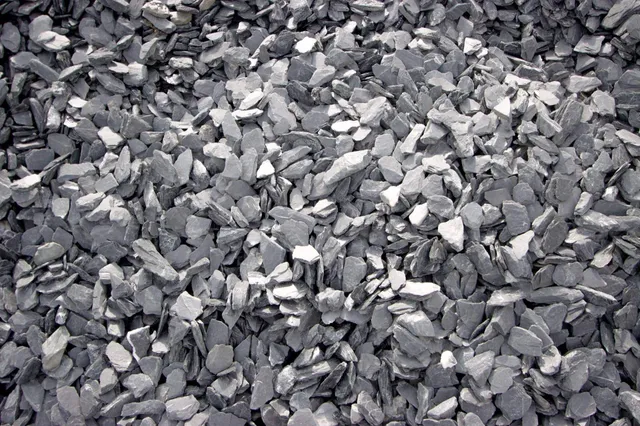
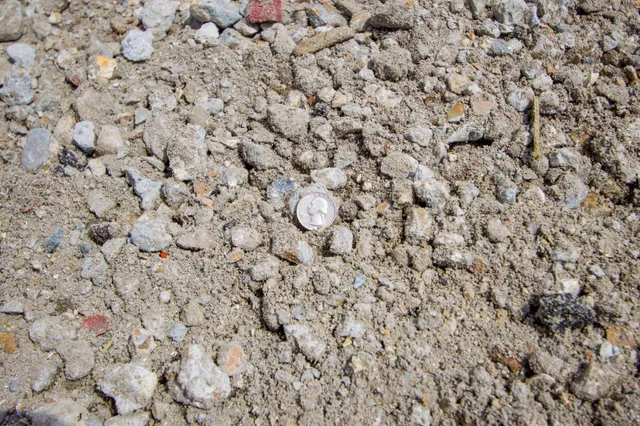
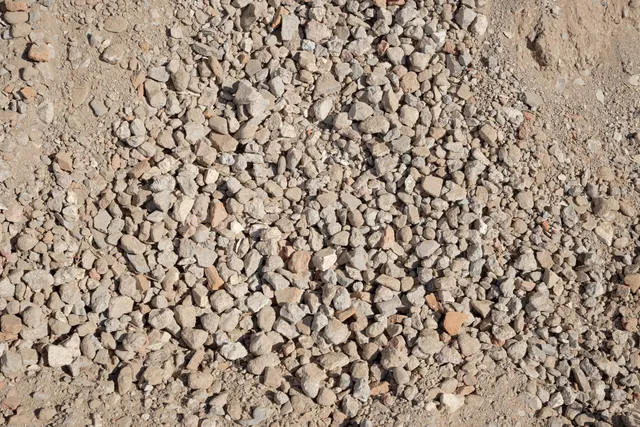
Homeowners in Martin County commonly choose a mix of bulk materials such as gravel, sand, dirt, and stone depending on the project. These materials vary in texture and appearance and are selected for durability, drainage, and budget. Think about how you’ll use the area—driving, walking, planting—and pick a material that balances looks with performance. If you’re unsure, use our material quiz or contact our team for guidance.
Martin County’s arid climate, hot summers, and occasional heavy rains can affect settling, dust, and erosion. Local soils can be sandy or clay‑heavy, which changes drainage and compaction needs; poor drainage increases washout risk during storms. Because materials are regionally sourced, texture and color may vary, so choose materials and installation methods that match local conditions.
To reduce dust and erosion, choose denser, well‑graded materials and plan for proper compaction and drainage. Adding edging, a base layer, and slope control will help keep material in place during storms and high winds. For high‑traffic areas, periodic maintenance such as regrading or topping can also reduce dust over time.
Hello Gravel’s minimum order is 3 tons, with standard delivery generally scheduled 2+ business days after ordering and a next‑day option available for orders placed before noon CST for an extra fee. Many orders qualify for free delivery depending on your zip code and distance from suppliers; fees vary by location and order size. Deliveries use dump trucks (typically tri‑axle) and drivers may offer tailgate spreading at their discretion.
Spring and fall are often the most comfortable and practical times for delivery and installation because temperatures are milder and soils are easier to work. Avoid the hottest part of summer for large manual tasks and avoid heavy rain windows to ensure proper compaction and reduced washout risk. Plan at least a few days of schedule flexibility to accommodate weather and truck availability.
Permit needs can vary by project, property type, and road access. Large trucks may be subject to county road weight limits, and HOA rules or local ordinances can affect driveway changes or visible material types. Contact the Martin County office, your HOA, or ask your supplier hauler to confirm local permitting and access requirements before ordering.
Maintenance varies: some materials settle and need topping or regrading more often, while others hold shape longer but may cost more upfront. Proper installation—good base, grading, and drainage—usually lowers long‑term maintenance regardless of material. When estimating lifetime cost, include periodic topping, grading, and any dust or erosion control measures you’ll need.
Common residential projects range from small pathways (1–3 cubic yards) to driveway resurfacing or yard leveling (10–30 cubic yards or more). A rough rule: 1 cubic yard equals about 1.2–1.6 tons depending on the material, so convert based on the material density and desired depth. Use our online material calculator for a precise estimate or contact our team with project dimensions for help.
Many local suppliers and haulers can recommend installers or contractors, but installation is usually arranged separately from material delivery. Hello Gravel connects you to trusted local suppliers and can often point you toward contractor referrals when available. Be sure to confirm whether a quoted price includes delivery only or also includes installation work.
Contractors should plan for site access, truck turning and staging space, and potential road or weight restrictions in rural areas. Expect scheduling impacts from high heat and occasional storms, and plan compaction, dust control, and erosion measures accordingly. Clear communication with the supplier and advance notice for large or timed deliveries helps ensure smooth logistics.
Materials are delivered by dump truck directly to your driveway or job site, placed exactly where you need them.
We work with a network of vetted partner haulers in your area. Every driver meets our quality and safety standards, regardless of the truck branding.
Our pricing is competitive with local quarries and landscape supply yards, and delivery is included. No trips to the store, no rental trucks, no loading bags yourself.
Order by noon on a weekday and we deliver the next business day. You choose your delivery date at checkout, and we confirm availability based on your location.