Bulk gravel, sand, fill dirt & topsoil delivery in Onondaga County, NY
free delivery · you pick the date
Find local aggregate delivery near you in New York Region. Compare prices on gravel, sand, fill dirt, topsoil, stone, crushed concrete and other construction material, all delivered to Onondaga County.
Find local aggregate delivery near you in New York Region. Compare prices on gravel, sand, fill dirt, topsoil, stone, crushed concrete and other construction material, all delivered to Onondaga County.
Find Your Material
Browse our products or take our quiz to find the right material for your project.
Calculate Amount Needed
Use our calculator to determine quantity. Calculator found on any product page.
Schedule Delivery
Choose your preferred date and time frame. Place your order online. We will call to confirm within 24 hours.
Materials Delivered
We source materials locally through our trusted supplier network and deliver straight to your home or job site in Onondaga County.
Why Onondaga County Chooses Hello Gravel
Trusted by homeowners and contractors throughout Onondaga County
Reliable Local Delivery
On-time delivery from vetted local suppliers you can trust.
High Quality Standards
Materials are quality checked to ensure 100% satisfaction.
Local Support Team
We will be with you through delivery. Call us any time if you need to make any changes to your order.
Next-Day Delivery
Order by noon on a weekday and we deliver the next business day. You pick the delivery date at checkout.
Real deliveries near Onondaga County
Delivered around Onondaga County, NY
Bulk gravel, stone, sand, and mulch delivered across Onondaga County and nearby — search your ZIP to see deliveries in your area.
Loading deliveries…
Local Insights
What to know about Onondaga County
Why Onondaga County homeowners choose Hello Gravel
In Onondaga County, which serves a community of 476,516 residents, steady growth of 2.30% annually is driving ongoing demand for housing improvements, landscaping updates, and smaller infill construction. That steady expansion translates into more driveways, patios, garden beds, and grading projects that require reliable bulk materials. The local climate — about 218 sunny days and 34.25 inches of annual rainfall — together with a hardiness zone of 8a creates a pattern of sun-driven drying and periodic moisture that affects how materials settle, compact, and support plants. For homeowners, access to a variety of regionally sourced materials — topsoil and compost, mulch, sand and fill, and structural aggregates — matters because each project needs materials selected for local weather, soil behavior, and aesthetic preferences.
Popular projects in Onondaga County this season
Driveway Resurfacing - 15 tons of base material
Backyard Pathway Installation - 10 tons of aggregate
Site Grading and Fill - 20 tons of fill dirt
Garden Bed Preparation - 8 tons of topsoil
Property Drainage Improvement - 12 tons of landscaping mix
Onondaga County quick facts
Location
New York Region
Population
476,516
Metro Area
1.1+ million
Annual Rainfall
34.25 inches
Sunny Days
218/year
Hardiness Zone
8a
Growth Rate
2.30% annually
Best times for Onondaga County projects
Stable Fall Conditions
Spring Thaw Challenges
Peak Project Season
Winter Weather Limits
Trusted by homeowners nationwide
1,550+ customer reviews on Google & our site
Ryan H.
10 hours ago
Verified
The order was excellent, the entire process went smoothly. I ordered the walkway gravel for a project around the home and the road base for a patio. The delivery driver placed it exactly where I wanted it and it was delivered on time. Excellent customer service.
October 20, 2026
Carolyn M.
1 day ago
Verified
Hello Gravel made ordering fill dirt so easy. They were quick and the communication was excellent. I plan to use them again for gravel next.
October 19, 2026
Dave
1 week ago
Great service would highly recommend this company. I’ll use them again.
October 13, 2026
02
Onondaga County delivery questions
What bulk materials do homeowners in Onondaga County typically order for driveways and landscaping?
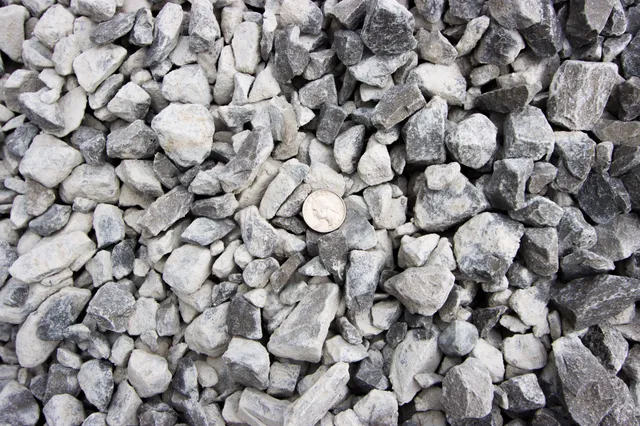
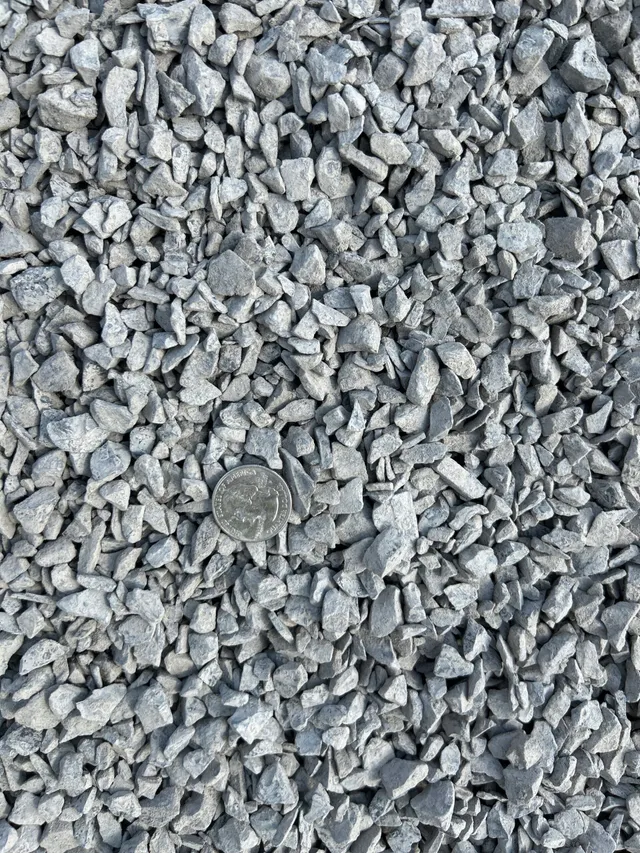
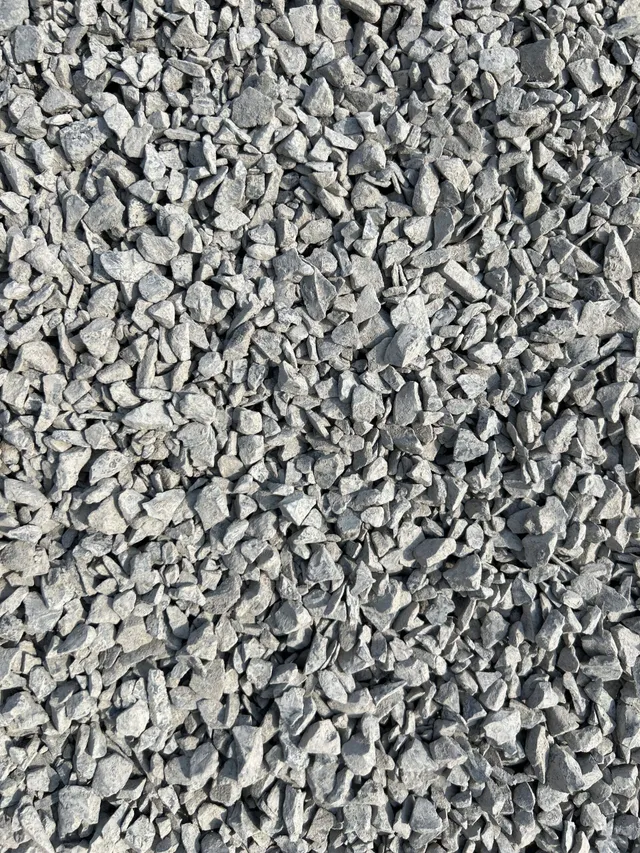
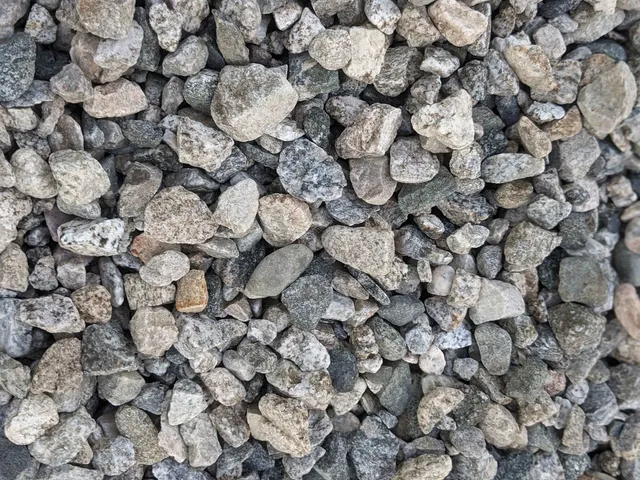
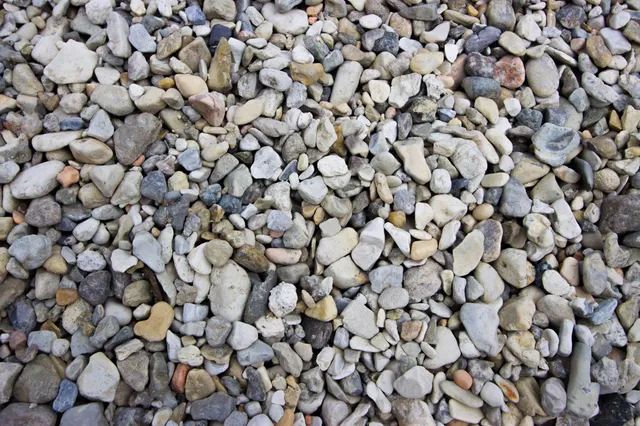
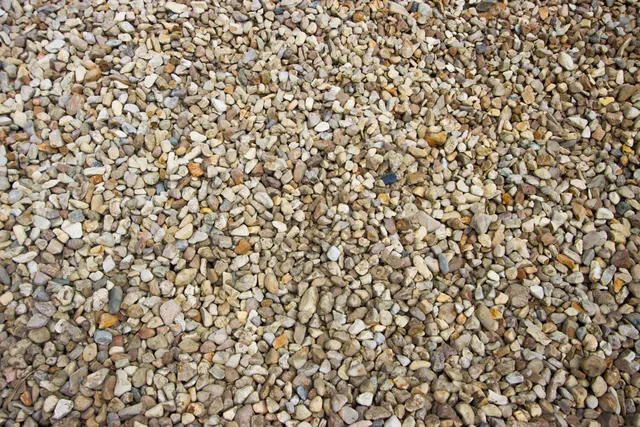
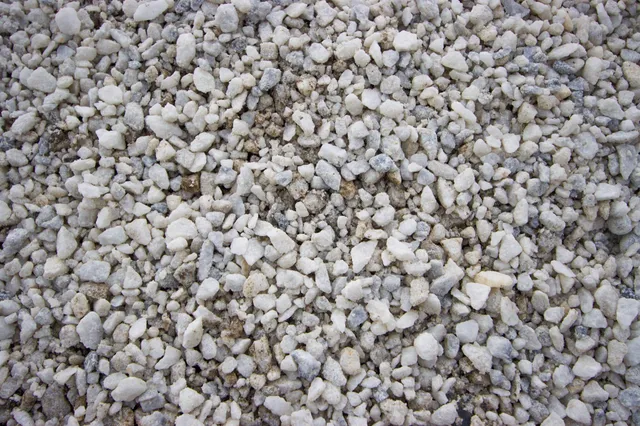
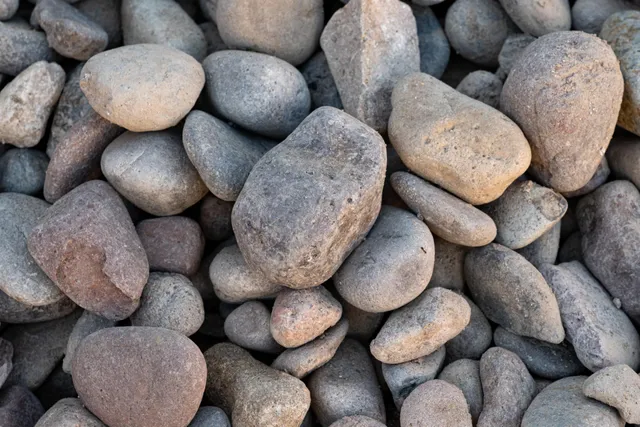
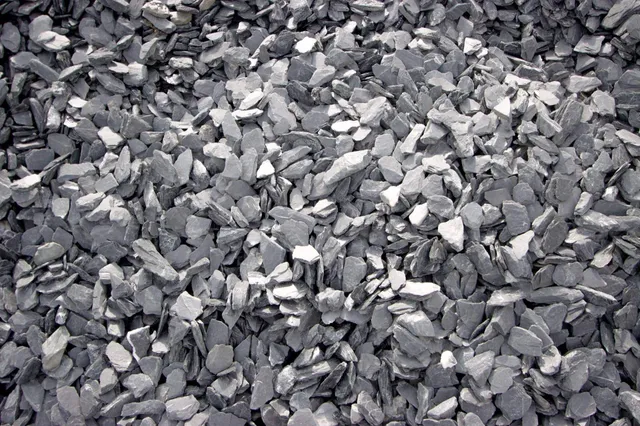
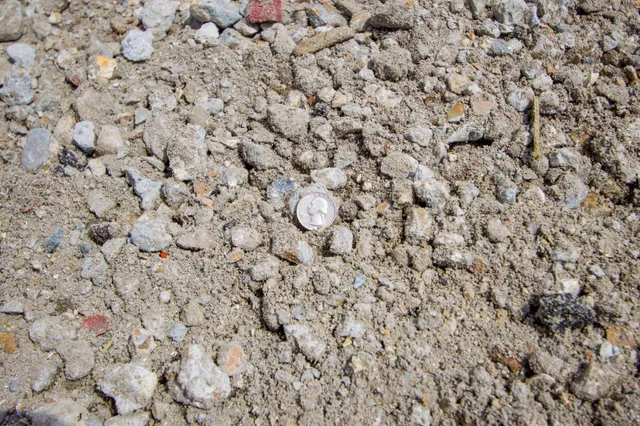
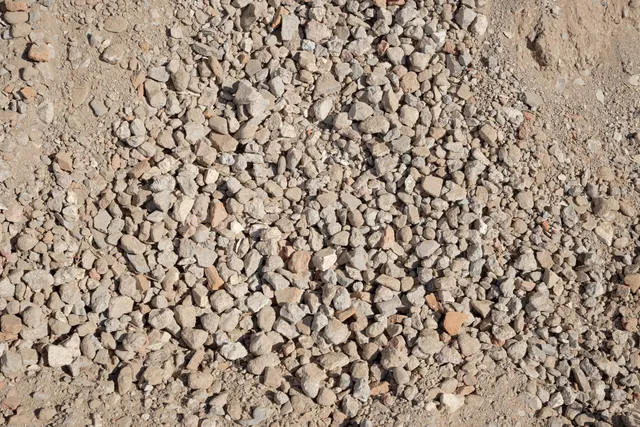
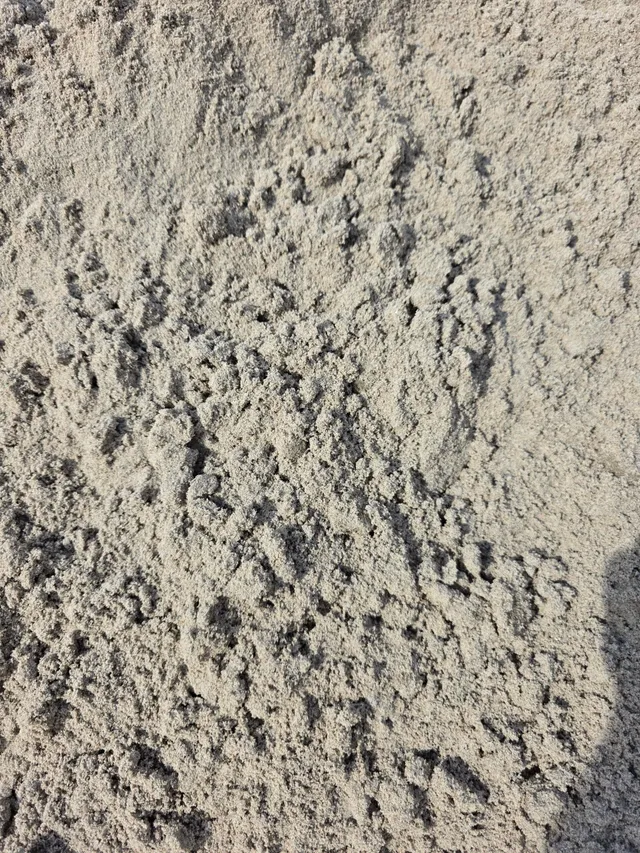
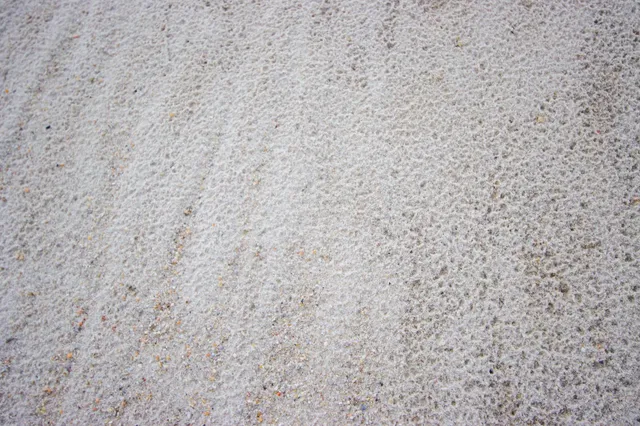
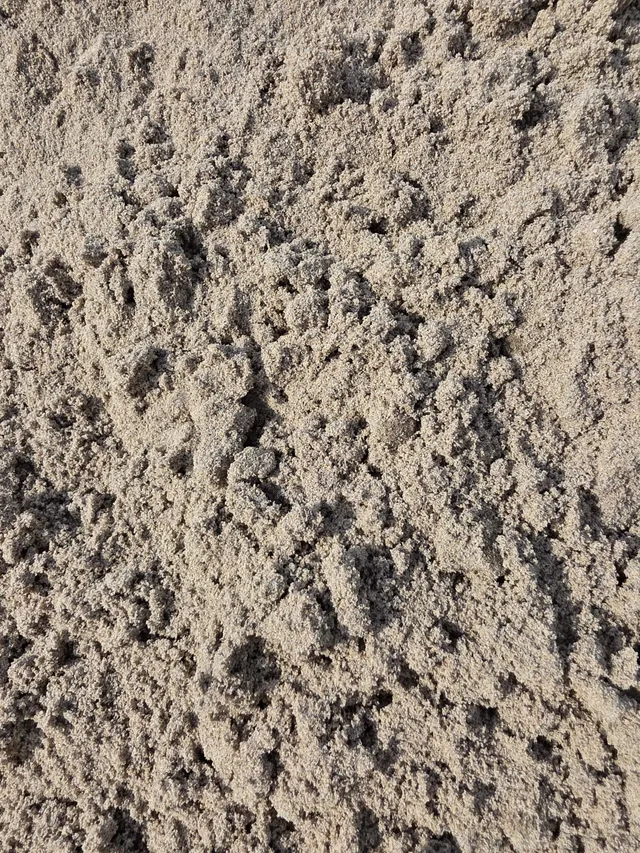
Homeowners commonly order a mix of gravel, sand, dirt, and stone for driveways, base layers, grading, and planting beds. These materials serve different roles—some provide drainage and stability while others are used for top dressing or soil replacement. Regional sourcing means texture and color will reflect local geology, so expect variation from photos.
How do I pick the right material for a driveway, pathway, or drainage project in Onondaga County?
Choose based on the project’s needs: prioritize stability and compaction for driveways, permeability for drainage areas, and finer textures for garden beds. Think about traffic load, slope, and water flow on the site; contractors often layer materials (base, intermediate, top) for best results. Use our material calculator and contact our team for guidance if you’re unsure.
How can I estimate how much material I need for my project in Onondaga County?
Calculate cubic yards with: (area in square feet × depth in inches) ÷ 324 to get cubic yards, then convert to tons using the material’s density or our online calculator. Because densities vary, we recommend using Hello Gravel’s calculator or contacting our team with project dimensions. Note our minimum order is 3 tons.
How do Onondaga County’s freeze-thaw cycles affect material choice and performance?
Frequent freeze-thaw cycles can cause heaving and drainage issues, so choose materials and construction methods that promote good drainage and resist frost action. Well-draining bases and proper compaction reduce movement, while organic materials can break down faster in these conditions. Plan for seasonal maintenance and select materials suited to local frost depths.
When is the best time of year to schedule delivery and installation in Onondaga County?
Spring through early fall is typically best for deliveries and installations because ground conditions are easier to work and compaction is more reliable. Winter deliveries are possible but can be slower and spreading/compaction may not be feasible on frozen or snow-covered ground. Check local weather and allow extra scheduling flexibility during late fall and winter.
What delivery timelines, minimums, and truck types should I expect in Onondaga County?
Standard delivery is 2+ business days, and next-day delivery is available for orders placed before noon CST for an extra fee. Deliveries are made by local contracted dump truck fleets (typically tri-axle); our minimum order is 3 tons. Tailgate spreading can be requested, but drivers perform this only at their discretion and we cannot guarantee spreading services.
Do suppliers in Onondaga County offer contractor pricing, same-day delivery, or small drop-offs for residential jobs?
Many local suppliers offer volume or contractor pricing for large orders; same-day delivery is limited and depends on supplier and truck availability. Small drop-offs are possible but must meet minimum order sizes and access requirements. Contact our sales team to discuss contractor accounts, pricing breaks, and expedited options for your zip code.
Are there permits or local rules in Onondaga County I should check before delivery or dumping materials?
Local municipalities, including Syracuse, may have rules about depositing materials in or near the public right-of-way, blocking streets, or placing large loads on a property; permits may be required for work in the road or on steep slopes. Check with your city or town office before scheduling delivery and let us know if permits or special access are needed so we can coordinate. Contractors often handle permitting for larger projects.
How long do typical bulk materials last in Onondaga County under normal traffic and climate conditions?
Lifespan varies by use and material: properly installed base materials can last decades, while surface materials used on driveways or paths often need replenishing every few years. Heavier traffic, poor drainage, and freeze-thaw cycles shorten life expectancy, while regular maintenance—grading, adding material, and ensuring drainage—extends service life. Ask our team for typical life ranges based on your intended use.
What questions should I ask when comparing materials for stability, drainage, and maintenance?
Ask about compaction ability, drainage properties, particle size range, and how the material performs under load and freeze-thaw cycles. Also check recommended layer thickness, maintenance frequency, and whether the supplier sources the material locally (which affects color and texture). Request application examples and estimated coverage so you can compare price per usable volume.
Can drivers spread material on delivery and how should I prepare my property?
Drivers may be able to provide tailgate spreading at their discretion; request it at checkout and understand it is not guaranteed. Prepare a clear, level drop zone, mark any fragile structures or underground utilities, remove low-hanging branches, and ensure truck access for a tri-axle dump truck. Communicate any site restrictions or permit needs in the order notes so suppliers can plan accordingly.
What do local contractors in the New York Region typically specify and why?
Contractors usually specify materials that balance drainage and compaction for the project type—stable, well-graded materials for base layers and more decorative or fine materials for top surfaces. They favor locally sourced materials that match regional geology and job performance, and they often specify gradation and compaction requirements for durability. For homeowner projects, ask contractors to explain why a particular material mix was chosen for your site.
How is the material delivered?
Materials are delivered by dump truck directly to your driveway or job site, placed exactly where you need them.
Will the material arrive in a Hello Gravel dump truck?
We work with a network of vetted partner haulers in your area. Every driver meets our quality and safety standards, regardless of the truck branding.
Can I find the same material cheaper somewhere else?
Our pricing is competitive with local quarries and landscape supply yards, and delivery is included. No trips to the store, no rental trucks, no loading bags yourself.
How soon can I get the materials delivered?
Order by noon on a weekday and we deliver the next business day. You choose your delivery date at checkout, and we confirm availability based on your location.