Bulk gravel, sand, fill dirt & topsoil delivery in Livingston County, NY
free delivery · you pick the date
Find local aggregate delivery near you in New York Region. Compare prices on gravel, sand, fill dirt, topsoil, stone, crushed concrete and other construction material, all delivered to Livingston County.
Find local aggregate delivery near you in New York Region. Compare prices on gravel, sand, fill dirt, topsoil, stone, crushed concrete and other construction material, all delivered to Livingston County.
Find Your Material
Browse our products or take our quiz to find the right material for your project.
Calculate Amount Needed
Use our calculator to determine quantity. Calculator found on any product page.
Schedule Delivery
Choose your preferred date and time frame. Place your order online. We will call to confirm within 24 hours.
Materials Delivered
We source materials locally through our trusted supplier network and deliver straight to your home or job site in Livingston County.
Why Livingston County Chooses Hello Gravel
Trusted by homeowners and contractors throughout Livingston County
Reliable Local Delivery
On-time delivery from vetted local suppliers you can trust.
High Quality Standards
Materials are quality checked to ensure 100% satisfaction.
Local Support Team
We will be with you through delivery. Call us any time if you need to make any changes to your order.
Next-Day Delivery
Order by noon on a weekday and we deliver the next business day. You pick the delivery date at checkout.
Real deliveries near Livingston County
Delivered around Livingston County, NY
Bulk gravel, stone, sand, and mulch delivered across Livingston County and nearby — search your ZIP to see deliveries in your area.
Loading deliveries…
Local Insights
What to know about Livingston County
Why Livingston County homeowners choose Hello Gravel
Livingston County serves homeowners in a community with a population of 47,628 and sits within a larger metro area of 1.1+ million residents. A steady growth rate of 2.30% annually means steady demand for home improvements, driveway upgrades, yard regrading, and smaller infill construction projects rather than sudden booms. Local climate — about 218 sunny days per year and 34.25 inches of annual rainfall — creates a need for materials that manage both dry conditions and periodic runoff. In practice, that means homeowners should think about drainage-ready aggregates, weather-tolerant topsoil mixes, durable surfacing for driveways, and stable base materials for patios and paths. Regional sourcing matters here: material texture, color, and gradation reflect local geology, and choosing the right mix can reduce future maintenance and improve long-term performance across a variety of projects.
Popular projects in Livingston County this season
Driveway Resurfacing - 18 tons of aggregate
Garden Bed Installation - 10 tons of topsoil
Pathway Construction - 12 tons of base material
Yard Grading & Fill - 8 tons of fill dirt
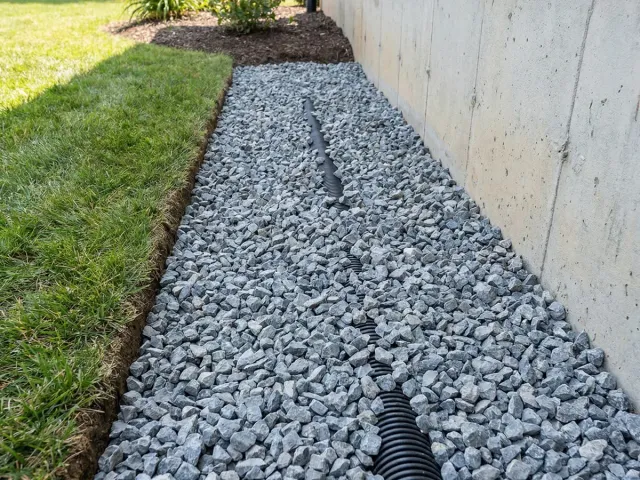
Perimeter Drainage Prep - 14 tons of drainage material
Livingston County quick facts
Location
New York Region
Population
47,628
Metro Area
1.1+ million
Annual Rainfall
34.25 inches
Sunny Days
218/year
Hardiness Zone
8a
Growth Rate
2.30% annually
Best times for Livingston County projects
Stable Fall Conditions
Variable Spring Thaw
Peak Project Season
Winter Weather Limits
Trusted by homeowners nationwide
1,550+ customer reviews on Google & our site
Ryan H.
22 hours ago
Verified
The order was excellent, the entire process went smoothly. I ordered the walkway gravel for a project around the home and the road base for a patio. The delivery driver placed it exactly where I wanted it and it was delivered on time. Excellent customer service.
October 20, 2026
Carolyn M.
2 days ago
Verified
Hello Gravel made ordering fill dirt so easy. They were quick and the communication was excellent. I plan to use them again for gravel next.
October 19, 2026
Dave
1 week ago
Great service would highly recommend this company. I’ll use them again.
October 13, 2026
02
Livingston County delivery questions
What types of bulk materials do homeowners in Livingston County commonly order for driveways and landscaping?
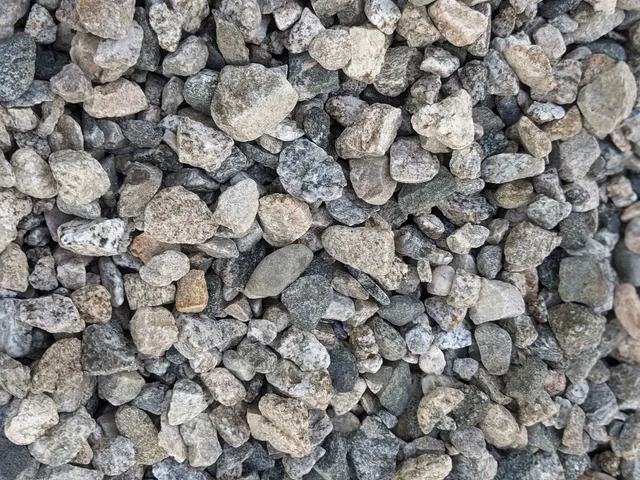
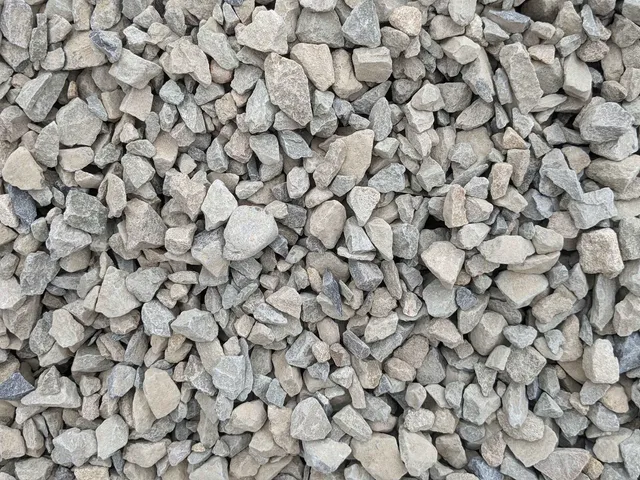
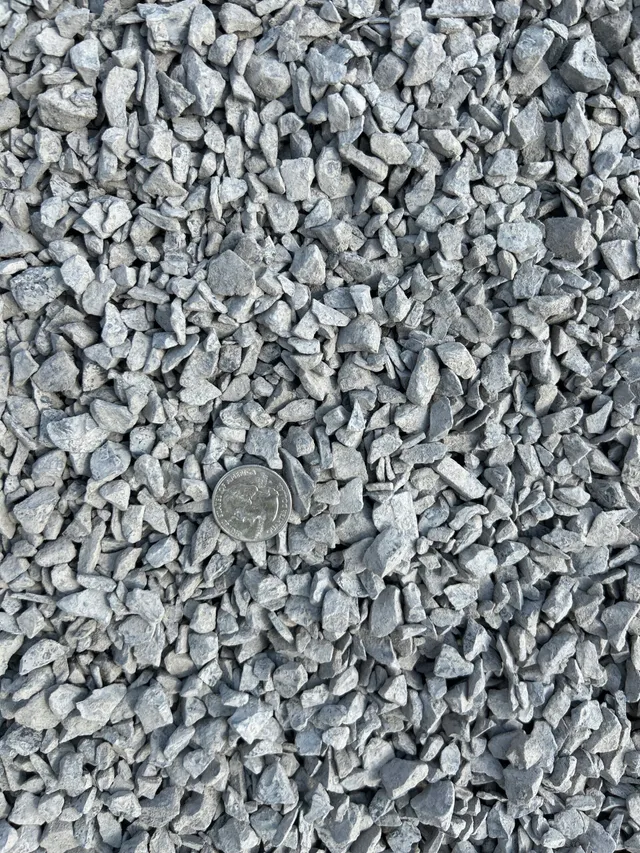
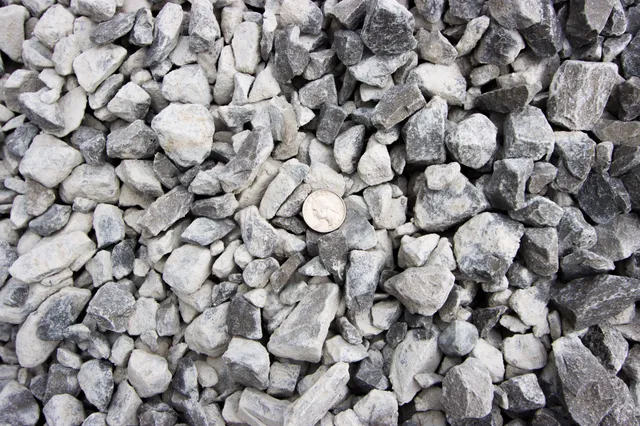
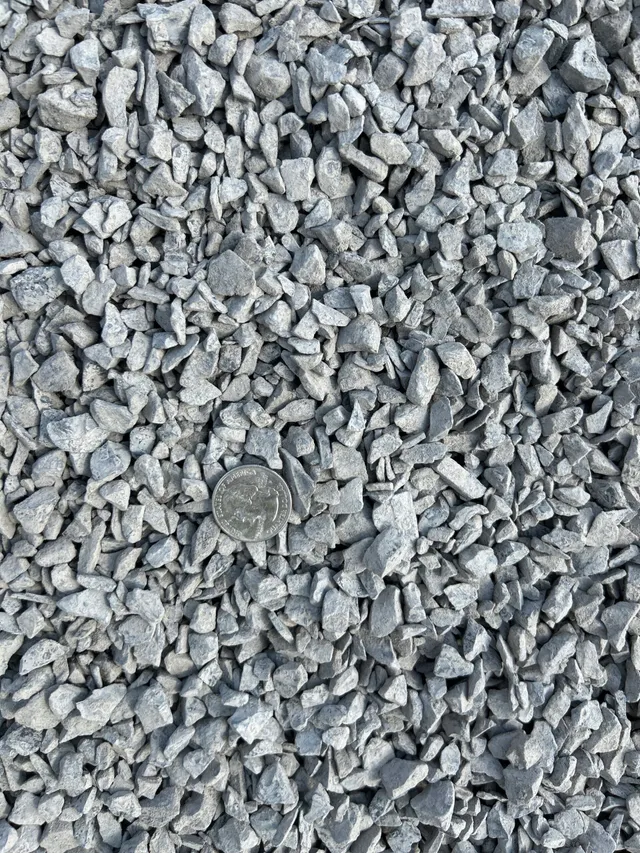
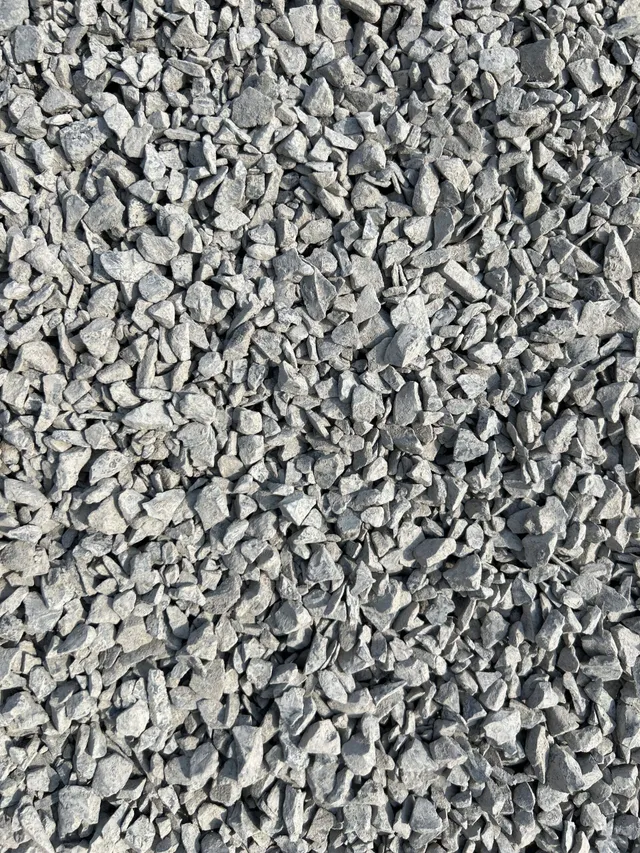
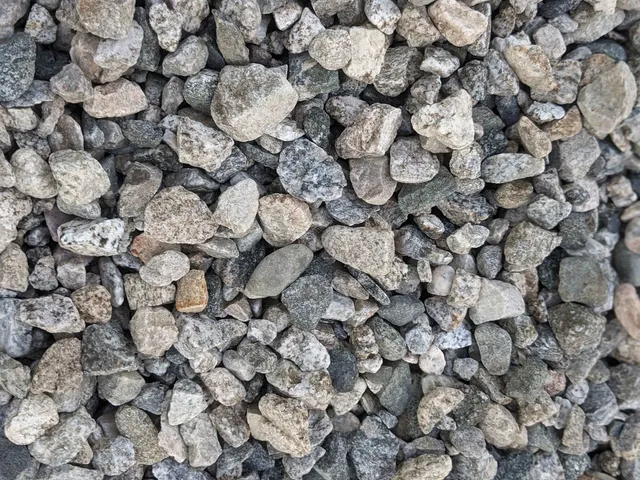
Homeowners and contractors in Livingston County commonly choose from a range of aggregates such as gravel, sand, dirt, stone for uses like base layers, top dressing, drainage, and grading. Choose a material based on the job: structural base for driveways, finer material for leveling, and coarser mixes for drainage. Regional sourcing means color and texture can vary, so ask for local photos or samples if appearance matters.
What are the minimum order sizes and typical delivery timing for bulk materials to Livingston County addresses?
Hello Gravel requires a 3-ton minimum order and typically schedules standard deliveries at least 2 business days out, with a next-day option for orders placed before noon CST for an extra fee. Delivery fees depend on distance, supplier, and local demand; many areas show free delivery while others may have a charge that is displayed at checkout. Orders processed and dispatched quickly are harder to change, so confirm timing and details when you order.
How does Livingston County’s winter climate affect material selection and when I should schedule work?
Livingston County’s cold winters and freeze-thaw cycles influence material performance and installation windows: frost can prevent proper compaction and lead to settling if you place materials on frozen ground. For structural work, plan for late spring through early fall when soils are stable; for surface dressings, avoid heavy snow periods and consider salt resistance if you expect winter road treatments. If you must work in shoulder seasons, discuss contingency plans with your supplier or contractor.
When is the best time of year to order large deliveries and schedule installations in the New York Region (Livingston County)?
The busiest and most reliable window is late spring through early fall when ground is drier and crews are most available, so schedule in advance for summer projects. Early fall can also be good for finish work but watch for early freezes; avoid major deliveries during heavy snow or peak spring thaw. Booking sooner helps secure preferred dates and avoids seasonal price spikes.
Do I need permits or special approvals in Livingston County before installing a new driveway or large material delivery?
Local rules vary by town and township in Livingston County, and many projects involving driveway changes, culverts, or significant grading may require county or municipal permits. Check with your town highway or planning office and Homeowners Association if applicable before ordering materials. If a permit is required, plan delivery and installation around approval timelines to avoid delays.
What do contractors in Livingston County consider when estimating material quantities and costs for a residential project?
Contractors factor in project dimensions (length, width, depth), material compaction and settling, access difficulty, hauling distance, and local material availability when estimating quantities and costs. They commonly add an overage allowance of about 5-10% for waste and compaction, and include labor, spreading, and any permit or disposal costs in estimates. Using a material calculator or consulting Hello Gravel’s team can speed up accurate estimates.
Can suppliers deliver to rural properties, farms, or narrow driveways in Livingston County, and are there extra charges?
Many local suppliers deliver to rural addresses and farms, but access constraints like narrow lanes, low-hanging wires, soft shoulders, or weight-restricted bridges can limit where a dump truck can safely unload. Extra charges may apply for long pull distances, difficult spotting, or if a smaller truck is needed; drivers may also decline unsafe drops. Mark your drop location, provide clear directions, and notify Hello Gravel of access issues when ordering to avoid surprises.
How do maintenance needs and long-term costs compare across common materials used in Livingston County projects?
Different materials have different upkeep: loose aggregates typically need periodic replenishment and regrading, while more compact or stabilized materials may cost more upfront but require less frequent maintenance. Consider factors like drainage, weed control, winter wear, and how the area will be used when comparing long-term costs. Discuss your expected use and budget with suppliers and contractors to choose the most cost-effective option over time.
What contractor services related to bulk materials are commonly available in Livingston County?
Contractor services often include delivery coordination, tailgate spreading at the driver’s discretion, spreading and grading, compaction, base preparation, edging, and removal of old material. Not every hauler or driver will provide spreading; request it at checkout and confirm with your contractor whether full installation services are included. Hello Gravel coordinates deliveries but recommends hiring local contractors for extensive site work or final grading and compaction.
Why do delivered prices for bulk materials vary between suppliers in the New York Region, and how can I get the best value?
Prices vary because of material type and mix, local availability, distance from supplier to job site, seasonal demand, and individual supplier pricing. Hello Gravel displays transparent pricing from multiple local suppliers so you can compare delivered cost and lead time; factor in delivery fees, spreading needs, and contractor charges when assessing value. Getting a quote for the exact material, quantity, and drop spot is the best way to compare apples to apples.
How do I calculate how much material to order so I don’t run short for a project in Livingston County?
Measure the area (length x width) and decide the required depth, then convert that volume to cubic yards and to tons using a density estimate or Hello Gravel’s material calculator. Add 5-10% extra for compaction, grading, and waste; for irregular areas or heavy compaction jobs you may want a slightly larger buffer. If unsure, use our online calculator or contact the Hello Gravel team with your project details for help.
How is the material delivered?
Materials are delivered by dump truck directly to your driveway or job site, placed exactly where you need them.
Will the material arrive in a Hello Gravel dump truck?
We work with a network of vetted partner haulers in your area. Every driver meets our quality and safety standards, regardless of the truck branding.
Can I find the same material cheaper somewhere else?
Our pricing is competitive with local quarries and landscape supply yards, and delivery is included. No trips to the store, no rental trucks, no loading bags yourself.
How soon can I get the materials delivered?
Order by noon on a weekday and we deliver the next business day. You choose your delivery date at checkout, and we confirm availability based on your location.