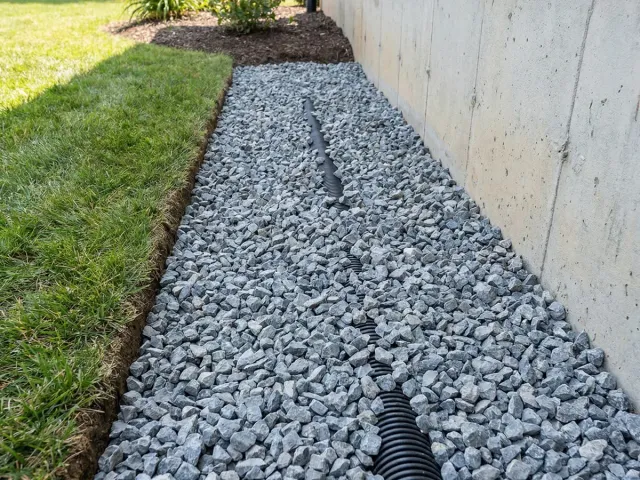
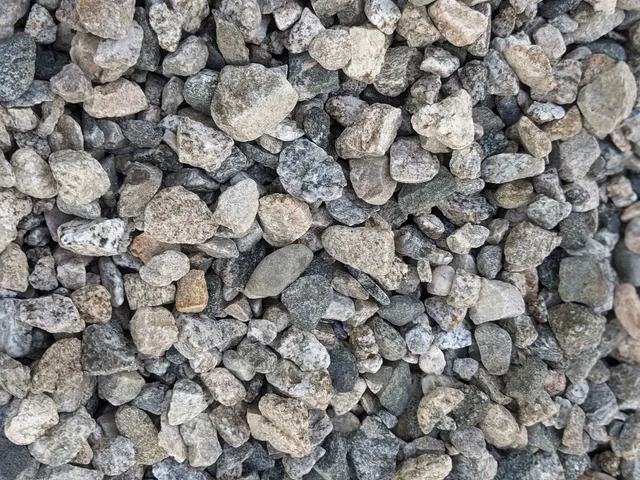
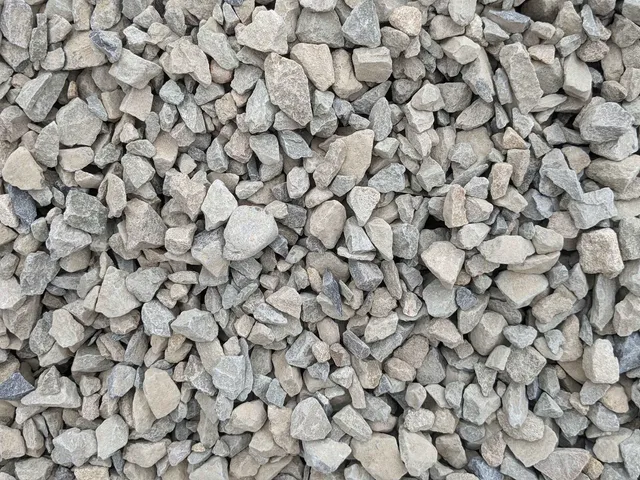
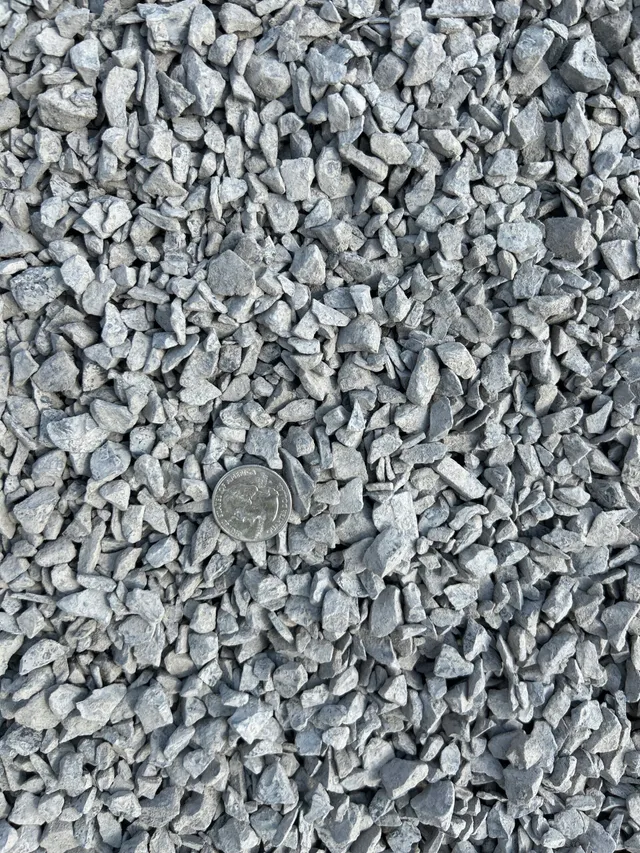
Bulk gravel, sand, fill dirt & topsoil delivery in Jasper, NY
free delivery · you pick the date
Find local aggregate delivery near you in West New York. Compare prices on gravel, sand, fill dirt, topsoil, stone, crushed concrete and other construction material, all delivered to Jasper.
Find local aggregate delivery near you in West New York. Compare prices on gravel, sand, fill dirt, topsoil, stone, crushed concrete and other construction material, all delivered to Jasper.
Find Your Material
Browse our products or take our quiz to find the right material for your project.
Calculate Amount Needed
Use our calculator to determine quantity. Calculator found on any product page.
Schedule Delivery
Choose your preferred date and time frame. Place your order online. We will call to confirm within 24 hours.
Materials Delivered
We source materials locally through our trusted supplier network and deliver straight to your home or job site in Jasper.
Why Jasper Chooses Hello Gravel
Trusted by homeowners and contractors throughout Jasper
Reliable Local Delivery
On-time delivery from vetted local suppliers you can trust.
High Quality Standards
Materials are quality checked to ensure 100% satisfaction.
Local Support Team
We will be with you through delivery. Call us any time if you need to make any changes to your order.
Next-Day Delivery
Order by noon on a weekday and we deliver the next business day. You pick the delivery date at checkout.
Real deliveries near Jasper
Delivered around Jasper, NY
Bulk gravel, stone, sand, and mulch delivered across Jasper and nearby — search your ZIP to see deliveries in your area.
Loading deliveries…
Local Insights
What to know about Jasper
Why Jasper homeowners choose Hello Gravel
Jasper has a city population of 930 and sits within a metro area population of 2.3+ million, a regional context that combines small-town needs with broader metropolitan construction activity. A growth rate of 0.40% annually indicates steady, measured development rather than a building boom — that steady pace often translates to predictable demand for repair, landscaping updates, and incremental home improvements instead of large-scale subdivision work. The local climate — about 228 sunny days per year and an annual rainfall of 33.50 inches in hardiness zone 8b — points to a temperate environment where projects must handle both sun and periodic wet seasons. For homeowners this means choosing bulk materials (gravel, dirt, sand, mulch, and stone) that balance drainage, UV and moisture resilience, and low maintenance. Trends toward water-conscious landscaping, durable driveways, and low-maintenance yards are common, making access to quality, regionally sourced materials important for long-lasting results.
Popular projects in Jasper this season
Driveway Resurfacing - 12 tons of aggregate
Pathway Installation - 8 tons of base material
Lot Grading & Drainage - 15 tons of fill
Garden Bed Installation - 6 tons of topsoil
Backyard Landscaping Prep - 10 tons of landscaping mix
Jasper quick facts
Location
West New York
Population
930
Metro Area
2.3+ million
Annual Rainfall
33.50 inches
Sunny Days
228/year
Hardiness Zone
8b
Growth Rate
0.40% annually
Best times for Jasper projects
Stable Fall Conditions
Spring Thaw Window
Peak Project Season
Winter Weather Limits
Trusted by homeowners nationwide
1,550+ customer reviews on Google & our site
Ryan H.
10 hours ago
Verified
The order was excellent, the entire process went smoothly. I ordered the walkway gravel for a project around the home and the road base for a patio. The delivery driver placed it exactly where I wanted it and it was delivered on time. Excellent customer service.
October 20, 2026
Carolyn M.
1 day ago
Verified
Hello Gravel made ordering fill dirt so easy. They were quick and the communication was excellent. I plan to use them again for gravel next.
October 19, 2026
Dave
1 week ago
Great service would highly recommend this company. I’ll use them again.
October 13, 2026
02
Jasper delivery questions
How do I choose the right bulk material for my project in Jasper, NY?
Choose based on the project's function, drainage needs, and appearance. For structural uses choose compactable, well-graded materials; for planting or top dressing choose finer, looser materials. Consider Jasper's freeze-thaw cycles and local drainage when selecting between gravel, sand, dirt, stone, and account for regional variation in color and texture.
Which materials work best for driveways and walkways in Jasper's freeze-thaw climate?
Pick materials that drain well and compact to a stable base to resist frost heave and rutting. A layered approach (compacted base plus a defined surface material) is common and works for many material types. Make sure proper grading and drainage are installed first to reduce freeze-thaw damage.
What are typical order quantities for driveways, patios, and garden projects in Jasper?
Common quantities vary by project size: a single-car driveway often needs about 2-4 cubic yards (roughly 3-6 tons), a two-car driveway 4-8 cubic yards (6-12 tons), and a small patio 1-2 cubic yards (1.5-4 tons). Garden beds or topdressing jobs are often 0.5-2 cubic yards. These are estimates — use our material calculator or contact the team with your dimensions for a tailored number.
Do I need permits or inspections to import large amounts of fill or aggregate in Jasper?
Large deliveries or site changes can trigger local permitting, especially if they affect drainage, wetlands, or septic systems. Permit requirements vary by town and project scale, so check with Jasper town offices or your county building department before ordering. Contractors often handle permit checks for larger jobs, but confirm this in advance.
When is the best season to schedule material deliveries and installations in Jasper, NY?
Spring through early fall is generally best for deliveries and installations because ground is not frozen and weather is more predictable. Avoid scheduling heavy installations on days with heavy rain or during freeze-thaw periods in winter. Plan ahead — standard delivery requires at least 2 business days, and next-day delivery is available for orders placed before noon CST for an extra fee.
How do delivery areas, minimums, and small-load fees vary for suppliers serving Jasper and the West New York area?
Delivery rules vary by supplier and hauler; Hello Gravel has a nationwide network with regional sourcing and a 3-ton minimum, but some local suppliers may set different minimums or small-load fees. Small-load fees and access charges are common when trucks must travel far off route or use smaller vehicles. Always check your zip code, request a quote, and review any additional fees before confirming.
Can drivers spread material at delivery (tailgate spreading) in Jasper?
Drivers may offer tailgate spreading at their discretion and you can request the service at checkout, but it is not guaranteed. Safety, site access, and truck type determine whether spreading is possible on arrival. If spreading is essential, discuss it with our team and note it in your order, but plan for the possibility you will need separate spreading labor.
What local terrain and drainage issues should Jasper buyers consider before ordering materials?
Consider slope, natural drainage paths, proximity to foundations or septic fields, and frost-prone areas that could cause heaving. Low spots and poor drainage may need additional base material, grading, or a drainage solution before surfacing. Taking photos and measurements and sharing them with suppliers helps ensure you order the right quantity and type of material.
How should I compare materials for cost, durability, and maintenance in Jasper?
Compare materials by intended use (load-bearing vs decorative), permeability, maintenance needs, and expected lifespan. Durable, compactable materials usually cost more upfront but require less maintenance; looser, decorative materials cost less but may need regular replenishment. Always weigh installation and drainage costs alongside material price to get a full picture.
What are typical labor and installation cost ranges for projects using bulk materials in Jasper?
Labor costs vary with scope and contractor rates; small DIY spreading may only cost your time, while contractor labor commonly ranges widely depending on experience and project complexity. Simple deliveries and spreading might be a few hundred dollars, whereas full driveway installations with grading and compaction can run into the thousands. Get multiple local estimates and make sure quotes include prep, drainage, and material handling.
How easy is it to change or cancel an order for Jasper deliveries?
Contact our customer team as soon as possible to request changes; it's easiest to modify an order before the supplier dispatches trucks. We will do our best to accommodate changes prior to processing, but modifications after dispatch may not be possible or may incur fees. Check your order confirmation and call or text our team right away if plans change.
What should I expect at the delivery site in Jasper to ensure a smooth drop-off?
Provide a clear delivery location, remove obstacles, and confirm adequate truck access and turning room before the truck arrives. Note overhead wires, narrow driveways, or soft ground in Order Notes and on the delivery map. Our trucks are typically tri-axle dump trucks; drivers will place material as safely as possible but may need to stop short of the ideal spot for safety reasons.
How is the material delivered?
Materials are delivered by dump truck directly to your driveway or job site, placed exactly where you need them.
Will the material arrive in a Hello Gravel dump truck?
We work with a network of vetted partner haulers in your area. Every driver meets our quality and safety standards, regardless of the truck branding.
Can I find the same material cheaper somewhere else?
Our pricing is competitive with local quarries and landscape supply yards, and delivery is included. No trips to the store, no rental trucks, no loading bags yourself.
How soon can I get the materials delivered?
Order by noon on a weekday and we deliver the next business day. You choose your delivery date at checkout, and we confirm availability based on your location.