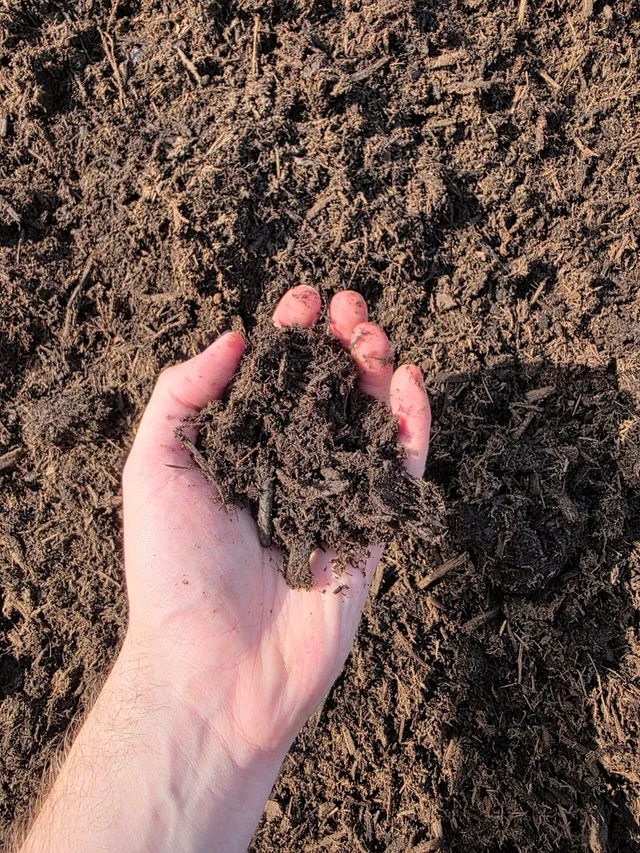
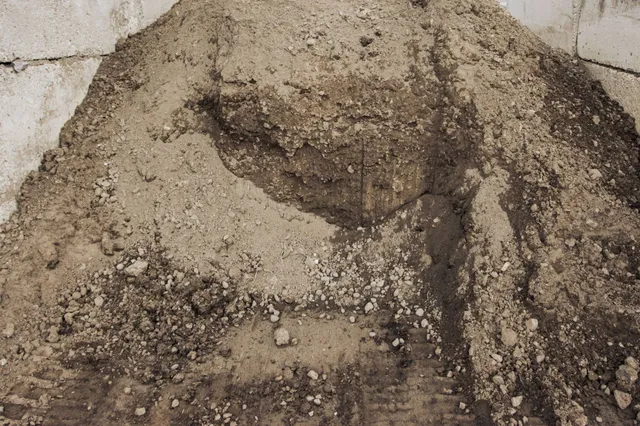
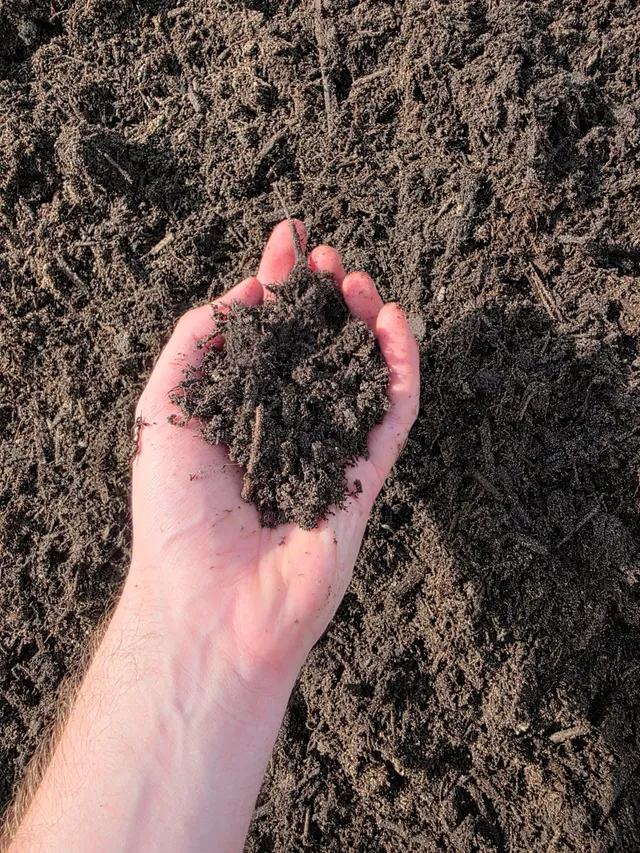
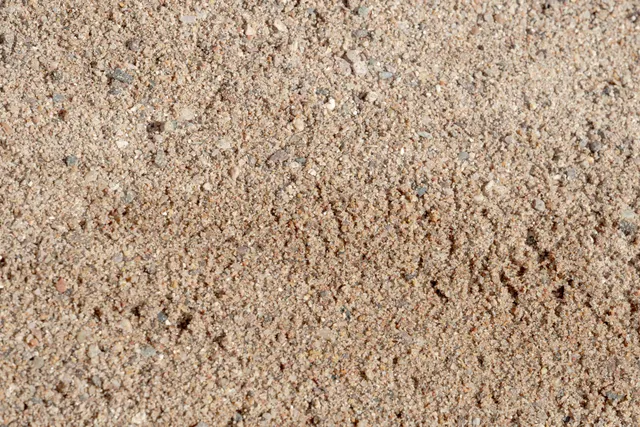
Bulk gravel, sand, fill dirt & topsoil delivery in Hamilton County, NY
free delivery · you pick the date
Find local aggregate delivery near you in New York Region. Compare prices on gravel, sand, fill dirt, topsoil, stone, crushed concrete and other construction material, all delivered to Hamilton County.
Find local aggregate delivery near you in New York Region. Compare prices on gravel, sand, fill dirt, topsoil, stone, crushed concrete and other construction material, all delivered to Hamilton County.
Find Your Material
Browse our products or take our quiz to find the right material for your project.
Calculate Amount Needed
Use our calculator to determine quantity. Calculator found on any product page.
Schedule Delivery
Choose your preferred date and time frame. Place your order online. We will call to confirm within 24 hours.
Materials Delivered
We source materials locally through our trusted supplier network and deliver straight to your home or job site in Hamilton County.
Why Hamilton County Chooses Hello Gravel
Trusted by homeowners and contractors throughout Hamilton County
Reliable Local Delivery
On-time delivery from vetted local suppliers you can trust.
High Quality Standards
Materials are quality checked to ensure 100% satisfaction.
Local Support Team
We will be with you through delivery. Call us any time if you need to make any changes to your order.
Next-Day Delivery
Order by noon on a weekday and we deliver the next business day. You pick the delivery date at checkout.
Real deliveries near Hamilton County
Delivered around Hamilton County, NY
Bulk gravel, stone, sand, and mulch delivered across Hamilton County and nearby — search your ZIP to see deliveries in your area.
Loading deliveries…
Local Insights
What to know about Hamilton County
Why Hamilton County homeowners choose Hello Gravel
Hamilton County sits within a regional context where the city population is 4,000 and the metro area population is 1.1+ million, and that ongoing expansion—growing at about 2.30% annually—translates into steady demand for residential and small-scale commercial construction. For homeowners that means more projects: driveway repairs, yard regrading, hardscape installations, and new plantings. Local climate and geography shape the kinds of materials that perform best: with 34.25 inches of annual rainfall and 218 sunny days per year, projects must balance drainage, erosion control, and UV/weather resistance. Hardiness Zone 8a affects plant selection and the durability demands on soils and mulches. In this environment, having access to a range of quality bulk materials—graded fill, topsoil mixes, bedding sand, and general aggregates—helps homeowners match product characteristics to site conditions and intended use. Choosing the right material up front reduces rework, improves longevity, and supports the steady local construction and landscaping activity driven by the region’s growth.
Popular projects in Hamilton County this season
Driveway Resurfacing - 20 tons of aggregate
Pathway Installation - 8 tons of base material
Lot Grading & Drainage Prep - 30 tons of fill dirt
Garden Bed Installation - 6 tons of topsoil
Landscape Erosion Control - 12 tons of landscaping mix
Hamilton County quick facts
Location
New York Region
Population
4,000
Metro Area
1.1+ million
Annual Rainfall
34.25 inches
Sunny Days
218/year
Hardiness Zone
8a
Growth Rate
2.30% annually
Best times for Hamilton County projects
Stable Fall Conditions
Spring Thaw Period
Peak Project Season
Winter Weather Limits
Trusted by homeowners nationwide
1,550+ customer reviews on Google & our site
Ryan H.
10 hours ago
Verified
The order was excellent, the entire process went smoothly. I ordered the walkway gravel for a project around the home and the road base for a patio. The delivery driver placed it exactly where I wanted it and it was delivered on time. Excellent customer service.
October 20, 2026
Carolyn M.
1 day ago
Verified
Hello Gravel made ordering fill dirt so easy. They were quick and the communication was excellent. I plan to use them again for gravel next.
October 19, 2026
Dave
1 week ago
Great service would highly recommend this company. I’ll use them again.
October 13, 2026
02
Hamilton County delivery questions
Which bulk materials are typically chosen for driveways, patios, and landscaping projects in Hamilton County?
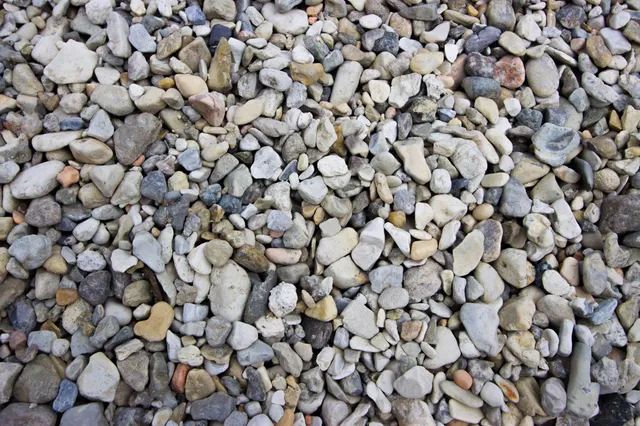
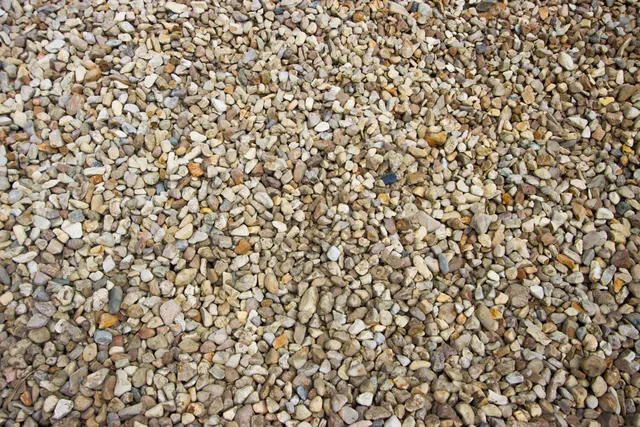
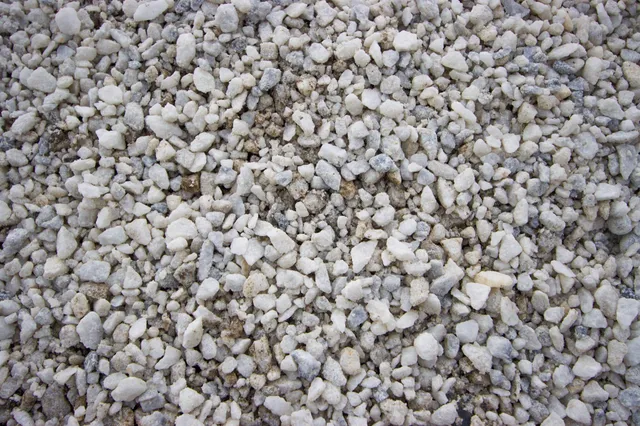
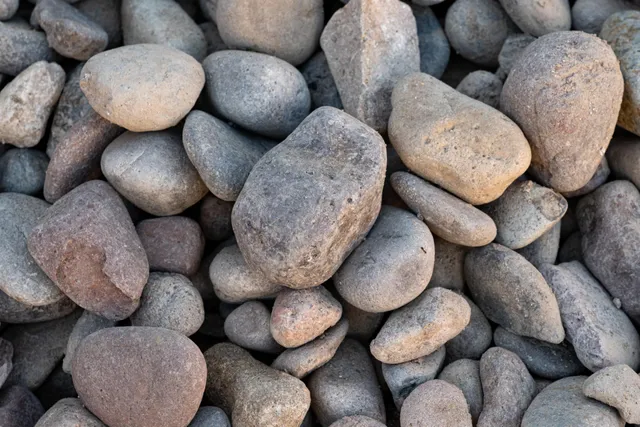
For driveways, patios, and landscaping homeowners and contractors commonly choose mixes from the group gravel, sand, dirt, stone depending on function. Coarser, angular materials make good structural bases and drainage layers, while finer materials and screened dirt are used for leveling and top surfaces. Regional sourcing means color and texture will reflect local geology, so check photos and ask for samples if appearance is important.
How do I pick the right material for my project in Hamilton County?
Start by defining the function: load-bearing base, drainage layer, leveling, or final surface. Consider driveway use, slope, drainage needs, and desired look, then choose a material mix from gravel, sand, dirt, stone that matches those needs. Use Hello Gravel’s material calculator or contact our team to match material performance to your project and get quantity guidance.
Which materials hold up best through Hamilton County’s freeze-thaw cycles and snowy winters?
Materials that allow water to drain and that compact well generally perform better through freeze-thaw cycles. A well-prepared base of coarser, angular material with a compacted intermediate layer helps reduce frost heave, while finer surfacing should be avoided in low-lying, poorly drained spots. Proper grading and perimeter drainage are often more important than the final surface material alone.
When should I schedule my delivery in Hamilton County to avoid weather and access issues?
The best window for most projects is late spring through early fall when ground is dry and crews can compact and spread material. Winter deliveries are possible, but frozen or snow-covered sites, municipal seasonal weight restrictions, or limited spreading ability can complicate work. Hello Gravel’s standard delivery timing is 2+ business days, and a next-day option may be available if ordered before the cutoff time.
Do suppliers deliver to remote or trailered properties in Hamilton County?
Many local suppliers and haulers will deliver to rural and trailered properties in Hamilton County, but access limits can affect feasibility. Narrow roads, low-clearance obstacles, steep driveways, or private lanes may require alternate drop locations, smaller trucks, or offloading by hand. Provide detailed delivery notes and photos at checkout so we can match the right equipment to your site.
What are typical delivery lead times and minimum order sizes for Hamilton County?
Hello Gravel generally requires a minimum order of 3 tons and offers standard delivery in 2+ business days where available. A next-day delivery option may be offered for orders placed before the published cutoff; availability varies by zip code and local supplier schedules. For larger commercial projects, coordinate earlier to reserve trucks and materials.
Are there permits or road restrictions in Hamilton County that could affect bulk deliveries or installations?
Local rules can affect deliveries: seasonal weight limits on rural roads, bridge or culvert restrictions, or town permits may be required for very large or street-side dumps. Requirements vary by town within Hamilton County, so check with your town highway or building department before scheduling large deliveries. If you’re unsure, contact our team and we can advise on common local considerations.
How do I estimate how much material I need for a residential project in Hamilton County?
Measure the area in square feet and decide on a target depth in inches, then convert to cubic yards. As a general guide, many materials convert to roughly 1.2–1.6 tons per cubic yard depending on density and moisture content, so use Hello Gravel’s online calculator or talk to sales for a material-specific conversion. Ordering a bit extra for compaction and grading is a common practice to avoid shortfalls.
What base and drainage steps should homeowners in Hamilton County consider before installing a driveway or patio?
Prepare a stable subgrade by removing organic soil, shaping proper slope for runoff, and installing geotextile fabric where needed to separate subgrade from aggregate. Use a compacted base layer that matches the expected load and include a drainage layer or edge drains for areas prone to standing water. Proper preparation reduces maintenance needs and improves performance through freeze-thaw seasons.
How do bulk material prices in Hamilton County compare with other parts of the New York Region?
Prices depend largely on local supply, quarry distances, and trucking time, so rural counties like those in Hamilton County can have modestly higher delivery fees than urban centers. Because Hello Gravel sources locally, material availability and color vary and quotes reflect local hauling costs; the best way to compare is to request quotes for your zip code and project quantities. We recommend checking multiple material options and delivery dates to find the best value.
Can drivers perform tailgate spreading and how should I prepare the site before delivery?
Drivers may be able to perform tailgate spreading at their discretion, but this service is not guaranteed and depends on safety and site conditions. Before delivery, clear vegetation, mark the intended drop area with flags or stakes, and remove obstacles like low branches or vehicles. Include delivery instructions and photos at checkout so the driver arrives prepared and can advise if spreading is feasible.
How is the material delivered?
Materials are delivered by dump truck directly to your driveway or job site, placed exactly where you need them.
Will the material arrive in a Hello Gravel dump truck?
We work with a network of vetted partner haulers in your area. Every driver meets our quality and safety standards, regardless of the truck branding.
Can I find the same material cheaper somewhere else?
Our pricing is competitive with local quarries and landscape supply yards, and delivery is included. No trips to the store, no rental trucks, no loading bags yourself.