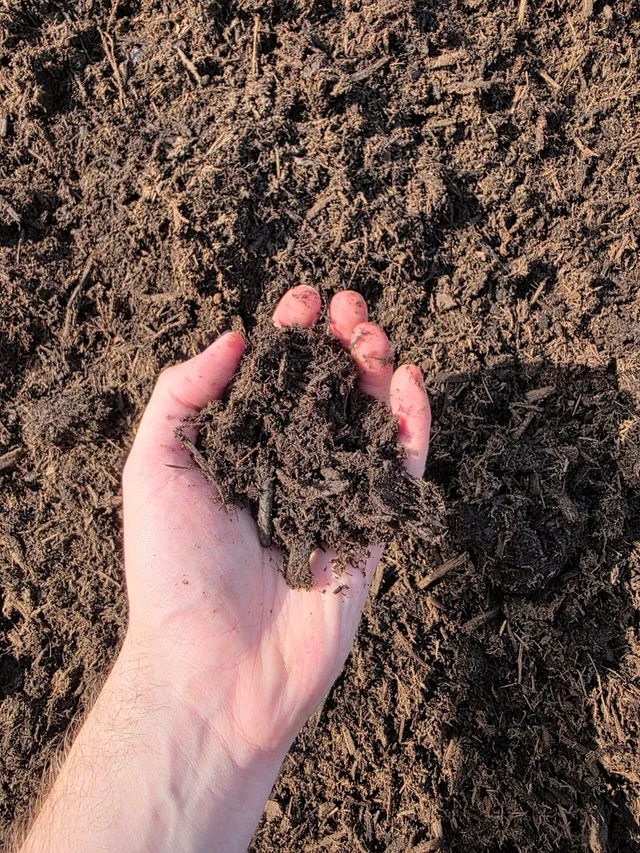
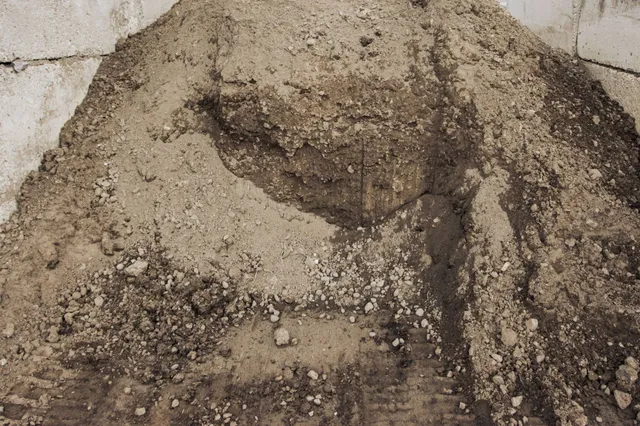
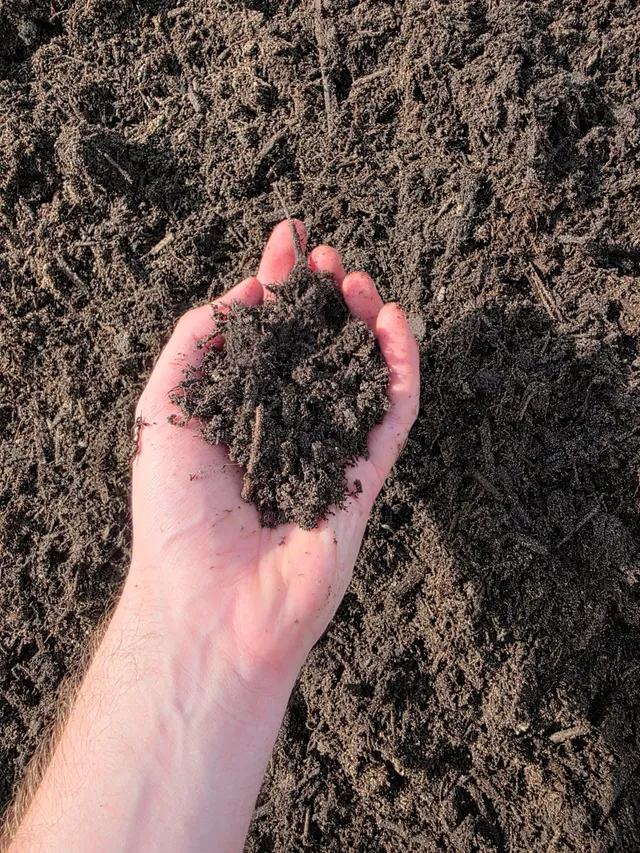
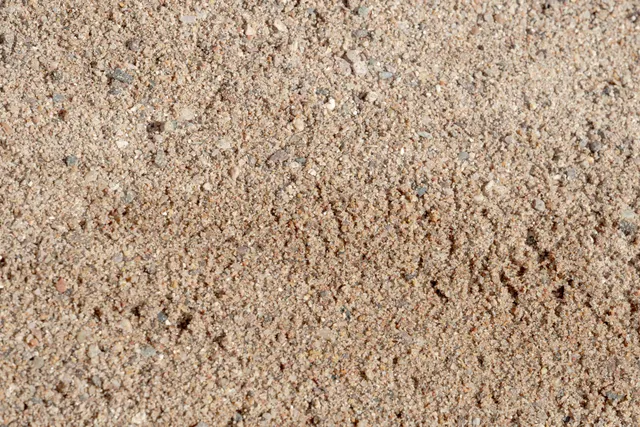
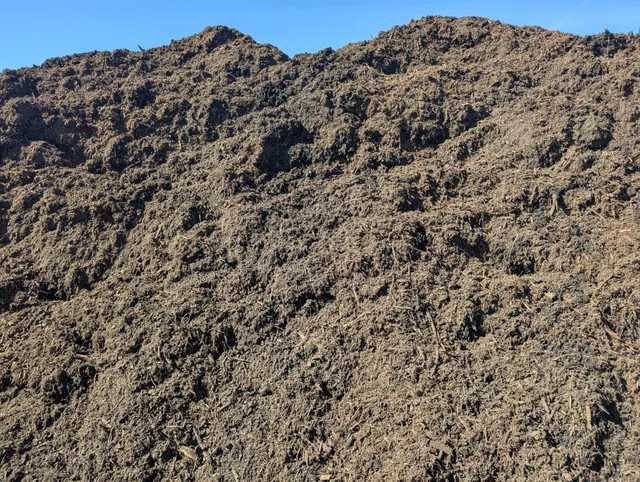
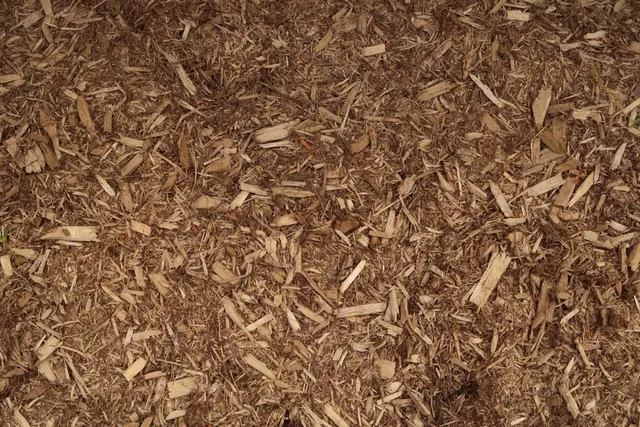
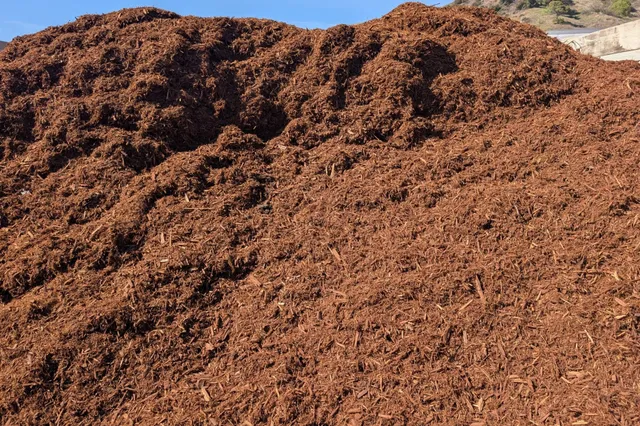
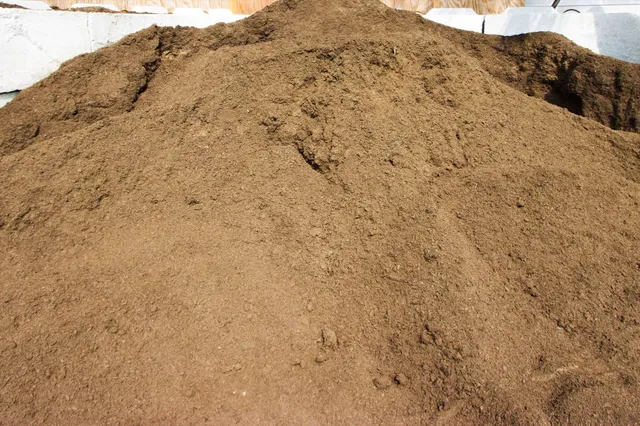
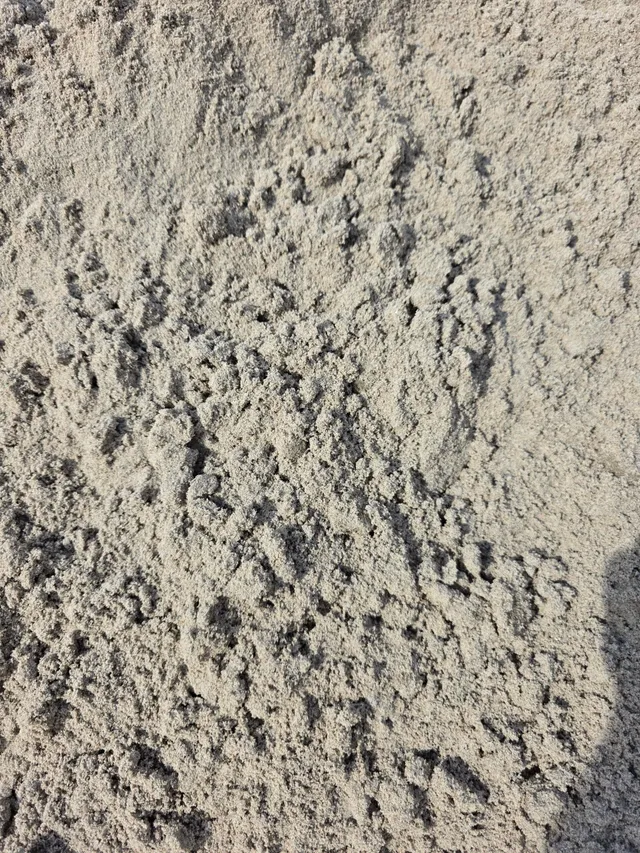
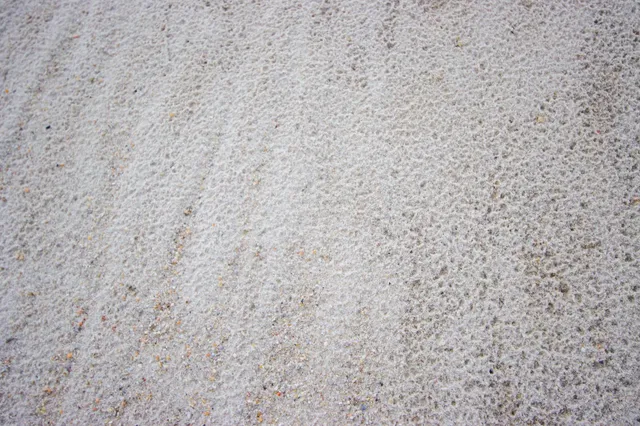
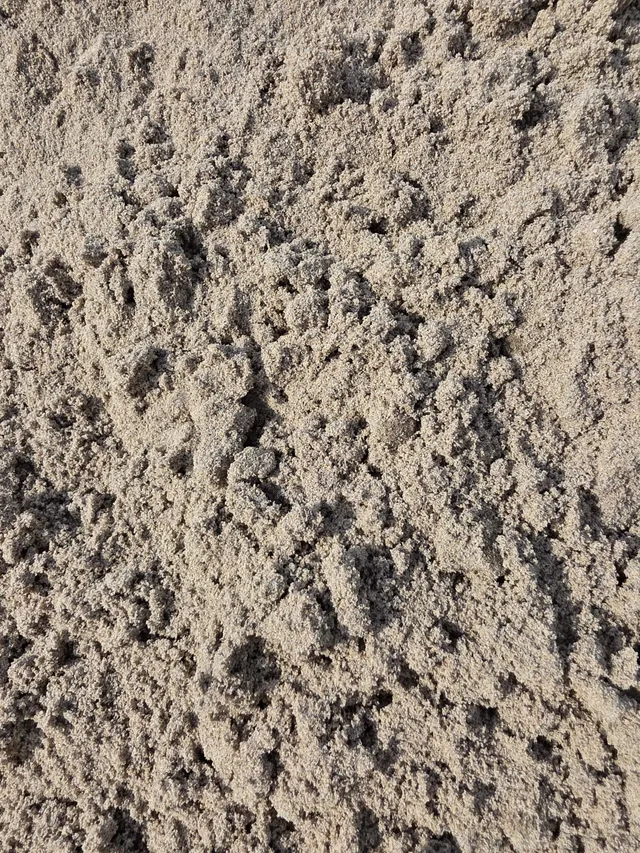
Bulk gravel, sand, fill dirt & topsoil delivery in Highland Park, NJ
free delivery · you pick the date
Find local aggregate delivery near you in West New Jersey. Compare prices on gravel, sand, fill dirt, topsoil, stone, crushed concrete and other construction material, all delivered to Highland Park.
Find local aggregate delivery near you in West New Jersey. Compare prices on gravel, sand, fill dirt, topsoil, stone, crushed concrete and other construction material, all delivered to Highland Park.
Find Your Material
Browse our products or take our quiz to find the right material for your project.
Calculate Amount Needed
Use our calculator to determine quantity. Calculator found on any product page.
Schedule Delivery
Choose your preferred date and time frame. Place your order online. We will call to confirm within 24 hours.
Materials Delivered
We source materials locally through our trusted supplier network and deliver straight to your home or job site in Highland Park.
Why Highland Park Chooses Hello Gravel
Trusted by homeowners and contractors throughout Highland Park
Reliable Local Delivery
On-time delivery from vetted local suppliers you can trust.
High Quality Standards
Materials are quality checked to ensure 100% satisfaction.
Local Support Team
We will be with you through delivery. Call us any time if you need to make any changes to your order.
Next-Day Delivery
Order by noon on a weekday and we deliver the next business day. You pick the delivery date at checkout.
Real deliveries near Highland Park
Delivered around Highland Park, NJ
Bulk gravel, stone, sand, and mulch delivered across Highland Park and nearby — search your ZIP to see deliveries in your area.
Loading deliveries…
Local Insights
What to know about Highland Park
Why Highland Park homeowners choose Hello Gravel
Highland Park, New Jersey (population 13,200) is experiencing steady expansion at about 1.20% annually, a pace that typically translates into continuous but manageable demand for home improvements, infill construction, and outdoor upgrades. That steady growth means homeowners and local contractors are often focused on renovations, drainage improvements, and hardscape additions rather than large-scale subdivision development. Highland Park’s climate—228 sunny days per year, 34.32 inches of annual rainfall, and hardiness zone 8b—supports year-round landscaping but creates material needs that balance drainage, durability, and plant performance. In this environment, quality bulk materials such as soils, sand, gravels, mulches, and stone are selected not just for looks but for how they perform under local weather cycles: stable bases for patios and driveways, aggregates that promote infiltration, and soils that support planting and irrigation efficiency.
Popular projects in Highland Park this season
Driveway Resurfacing - 12 tons of aggregate
Backyard Pathway Installation - 10 tons of base material
Yard Grading and Drainage - 15 tons of fill dirt
Garden Bed Installation - 6 tons of topsoil
Front Yard Landscaping - 9 tons of landscaping mix
Highland Park quick facts
Location
West New Jersey
Population
13,200
Metro Area
2.5+ million
Annual Rainfall
34.32 inches
Sunny Days
228/year
Hardiness Zone
8b
Growth Rate
1.20% annually
Best times for Highland Park projects
Stable Fall Conditions
Variable Spring Weather
Peak Project Season
Winter Weather Limits
Local handoff
Want help with delivery in Highland Park?
Share your ZIP and what you need help with. We'll use this city page as context when we follow up.
This page gives us the Highland Park delivery context.
Ask about pricing, delivery timing, material choice, or quantity.
Keep the material broad if you are still browsing options.
Trusted by homeowners nationwide
1,888 verified reviews across every state we serve
Rachel
5 days ago
I ordered fill dirt to grade around my house. The process was so simple! The driver met me where I wanted him to drop the dirt. I think I spent a total of 30 min with the ordering, paying, and the truck arriving with the material the day they said they would be there. I'm very pleased.
October 6, 2026
Hung L.
5 days ago
An excellent company with attentive customer service.
October 6, 2026
Steven A.
2 weeks ago
I needed the dirt dumped in a rather tight spot and the driver of the truck was totally cooperative.He took care not to damage any trees or shrubs.Smooth sailing is all I can say.
September 21, 2026
02
Highland Park delivery questions
How do I choose the right bulk material for a driveway, path, or landscaping project in Highland Park?
Start by matching material performance to the job: consider load-bearing needs, drainage, appearance, and maintenance. In Highland Park's climate, choose materials that compact well and shed water to resist freeze-thaw cycles; regional sourcing means texture and color can vary. If unsure, estimate the intended use (walkway, shared driveway, planting bed) and contact our team for help selecting gravel, sand, dirt, or stone that fits your project and budget.
How do seasonal weather patterns in Highland Park affect my choice of materials?
Cold winters and freeze-thaw cycles increase the need for well-draining, stable materials that resist heaving and rutting. Wet periods mean finer materials can wash or compact differently, so consider drainage layers or coarser mixes for areas with runoff. For planting beds and lawns, time deliveries to avoid frozen ground and plan extra compaction or top dressing after the wet season.
What site and soil issues should contractors consider when selecting materials in West New Jersey?
Assess the existing subgrade for organic matter, soft spots, and drainage; poor subgrade usually needs removal or stabilization before adding aggregate. Match material gradation to the intended function (base, finish, drainage) and allow for compaction and geotextile where needed. Communicate site constraints like truck access, weight limits, and proximity to utilities to avoid delays.
How do I calculate how much material I need for a project in Highland Park?
Measure the project area in square feet and decide on the target depth in inches, then use: (area x depth in feet) / 27 = cubic yards. Convert cubic yards to tons only as a guide—typical crushed stone is about 1.3 tons per cubic yard, but weight varies by material, so check the specific product. Order 5-10% extra to allow for compaction, shaping, and minor errors, and use an online calculator or contact the sales team for help with conversions.
What delivery options, timing, and minimums should I expect for bulk materials in Highland Park?
Standard delivery is typically scheduled 2+ business days after ordering, with a next-day option available for orders placed early (additional fee may apply). Minimum orders in our network generally start at around 3 tons, and materials arrive via tri-axle or equivalent dump trucks. Drivers may offer tailgate spreading at their discretion; request spreading at checkout but note there are no guarantees.
How are delivery fees determined and what costs should I budget for in Highland Park?
Delivery fees are usually based on distance from the supplier, load size, and local access constraints like narrow streets or parking restrictions. Some areas offer free delivery depending on promotions or supplier pricing, but expect additional charges for next-day service, small loads, or special placement requests. Check for permit or street-blocking costs if the truck must park on public streets or requires a spot reservation.
Can drivers place materials exactly where I want them, and what access issues matter?
Trucks can usually dump materials close to the curb or driveway but may not navigate tight turns, steep grades, or soft surfaces. Tell us about overhead wires, narrow driveways, tight gates, or weight-restricted surfaces before delivery so suppliers can plan the appropriate truck and crew. If you need placement beyond the truck's tailgate, request tailgate spreading at checkout and be prepared that the driver will decide if it can be done safely.
How can I prevent drainage and erosion problems when using bulk materials on slopes or near foundations?
Start with good grading and a stable base, using the right material gradation and edge restraints to keep materials in place. Incorporate drainage solutions—such as permeable layers, swales, or geotextile fabric—so water is directed away from foundations and planting areas. For steep slopes, consider terracing, retaining edges, or professional consultation to avoid washout during heavy rains.
How are bulk material costs typically quoted for projects in small New Jersey towns like Highland Park?
Suppliers commonly quote materials by the ton or by the cubic yard, and delivery is often a separate line item. Prices can vary by material type, regional availability, and season, so request a full quote that lists material cost, delivery fee, and any extra services. Ask whether the supplier uses local sourcing—regional materials can affect color, texture, and price.
Do I need permits or special scheduling considerations before delivery in Highland Park?
Check with Highland Park local rules, HOA guidelines, and the municipal public works department for street-parking or curb-blocking permits if the truck will occupy public space. Schedule deliveries during allowed hours and avoid holiday or street-cleaning days to reduce conflicts. If in doubt, contact the town or your supplier ahead of time to confirm requirements and avoid fines or delays.
What should I do if the delivered material looks different than expected or I need to change my order?
Natural materials vary by region, so color and texture may differ from online photos; if that concerns you, add preferences in Order Notes or ask for a local sample before delivery. Contact customer service as soon as possible to request order changes—modifications are easier before the load is dispatched and are handled on a best-effort basis. If there is an issue after delivery, report it promptly so the supplier and platform can work toward a satisfactory resolution.
Any tips for contractors buying bulk materials for multiple Highland Park jobs?
Consolidate orders when possible to reduce per-delivery fees and coordinate staging areas that can handle truck traffic and stockpiles. Provide clear specifications, site access details, and scheduling windows when ordering so suppliers can match truck size and driver experience to the job. Always allow contingency time for weather and order a small overage to cover waste, compaction, or last-minute changes.
How is the material delivered?
Materials are delivered by dump truck directly to your driveway or job site, placed exactly where you need them.
Will the material arrive in a Hello Gravel dump truck?
We work with a network of vetted partner haulers in your area. Every driver meets our quality and safety standards, regardless of the truck branding.
Can I find the same material cheaper somewhere else?
Our pricing is competitive with local quarries and landscape supply yards, and delivery is included. No trips to the store, no rental trucks, no loading bags yourself.
How soon can I get the materials delivered?
Order by noon on a weekday and we deliver the next business day. You choose your delivery date at checkout, and we confirm availability based on your location.