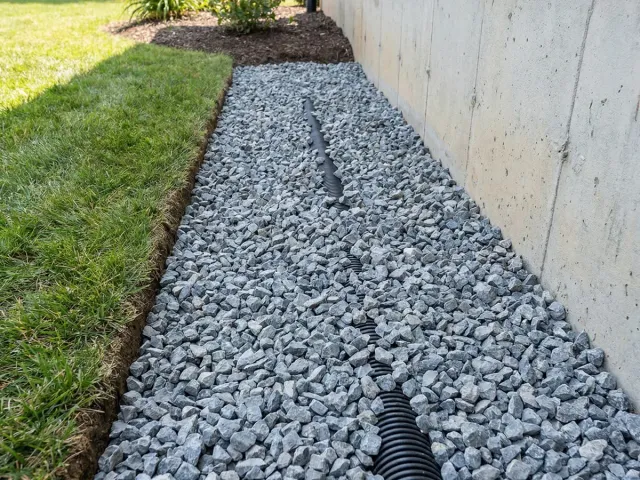
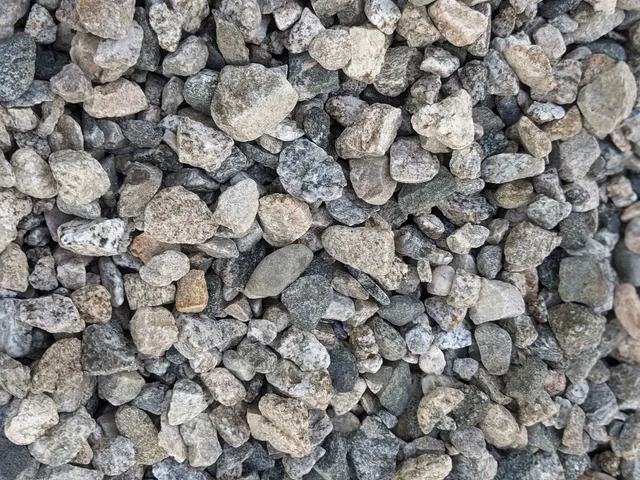
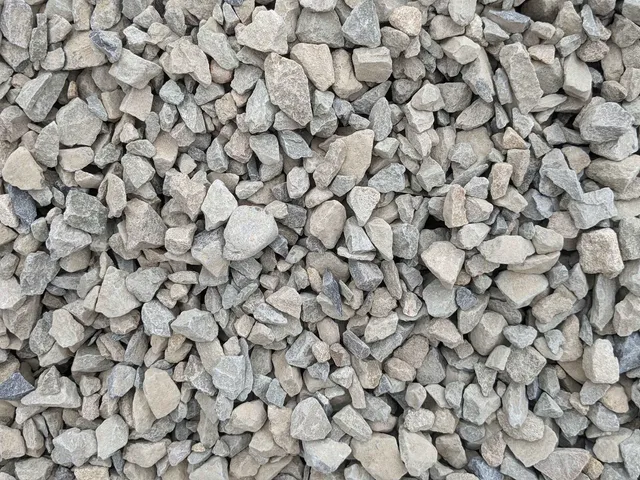
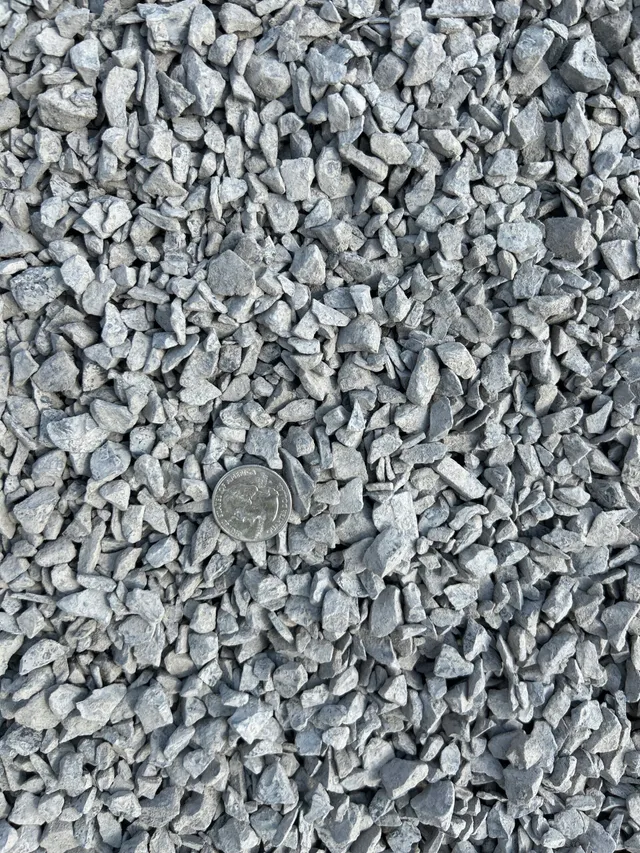
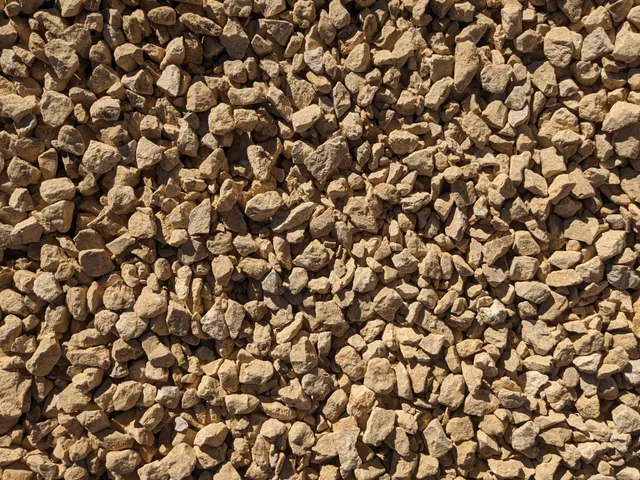
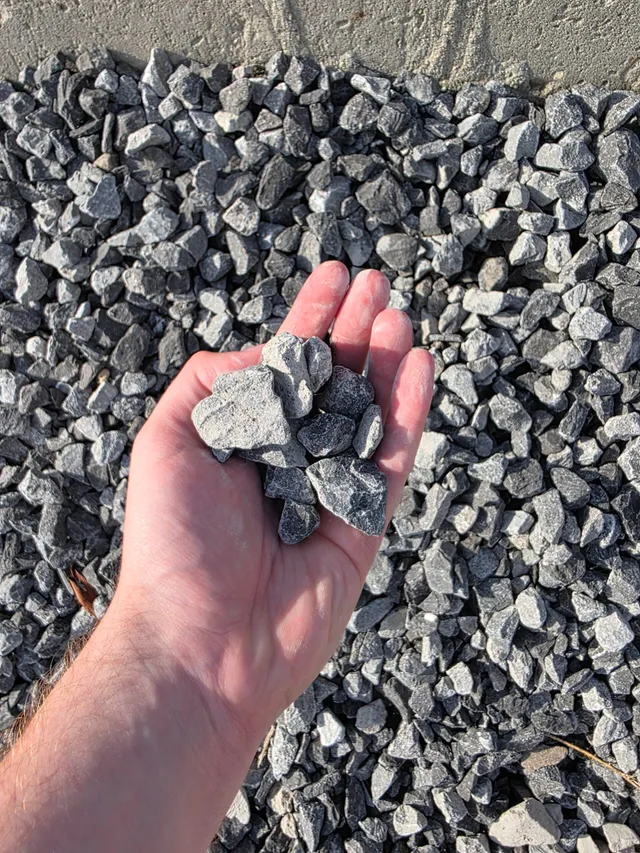
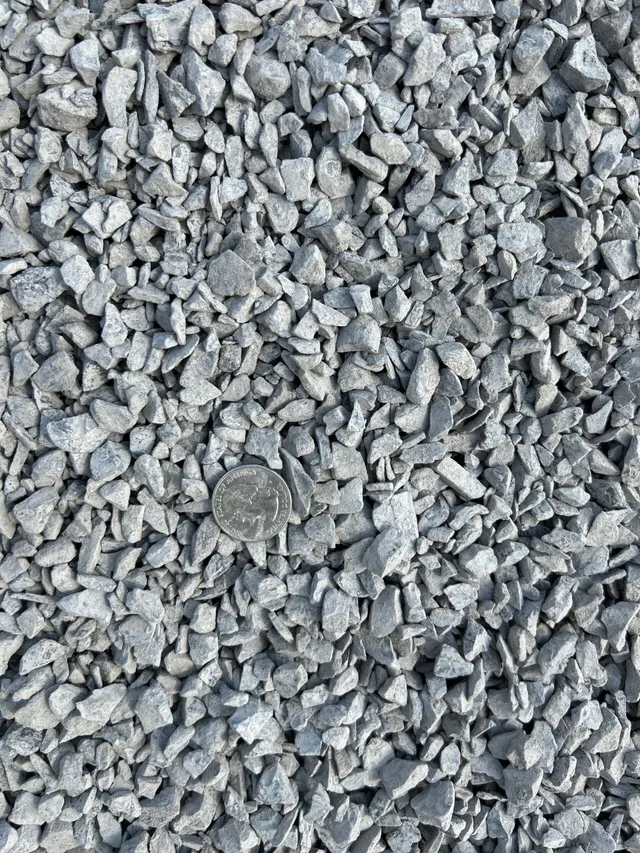
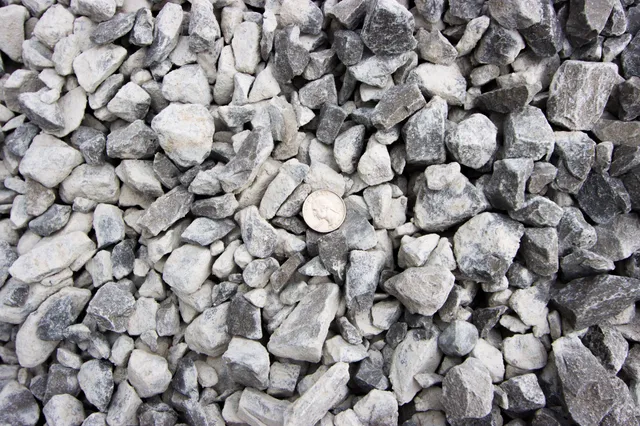
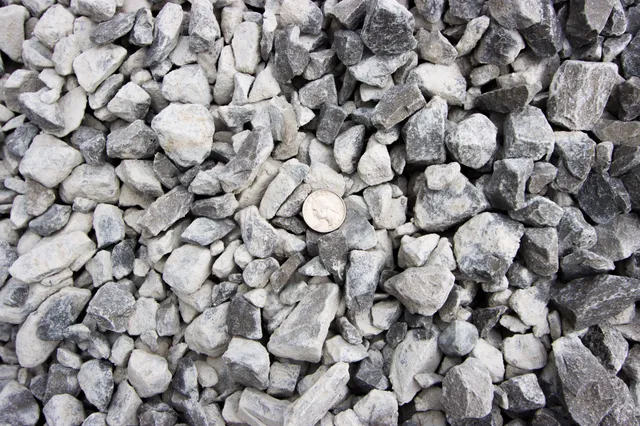
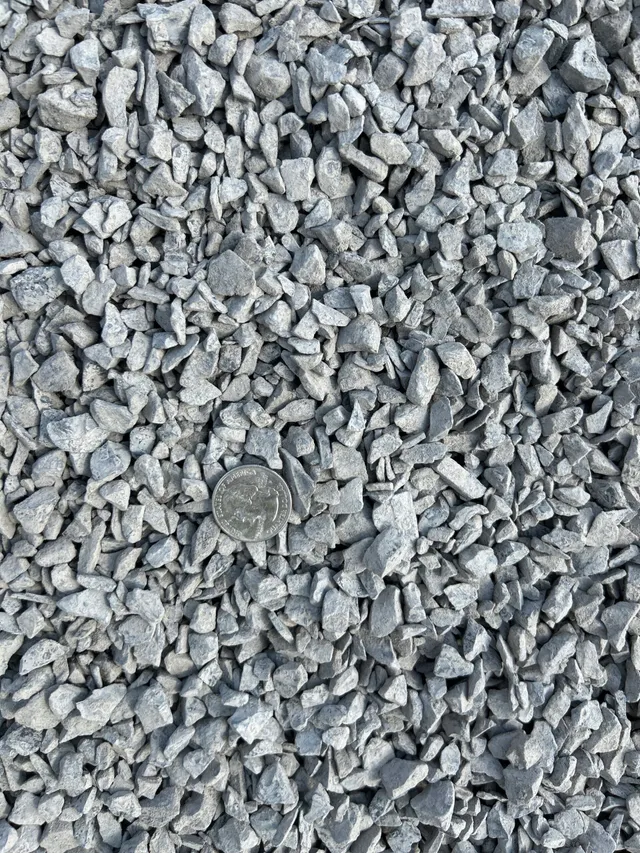
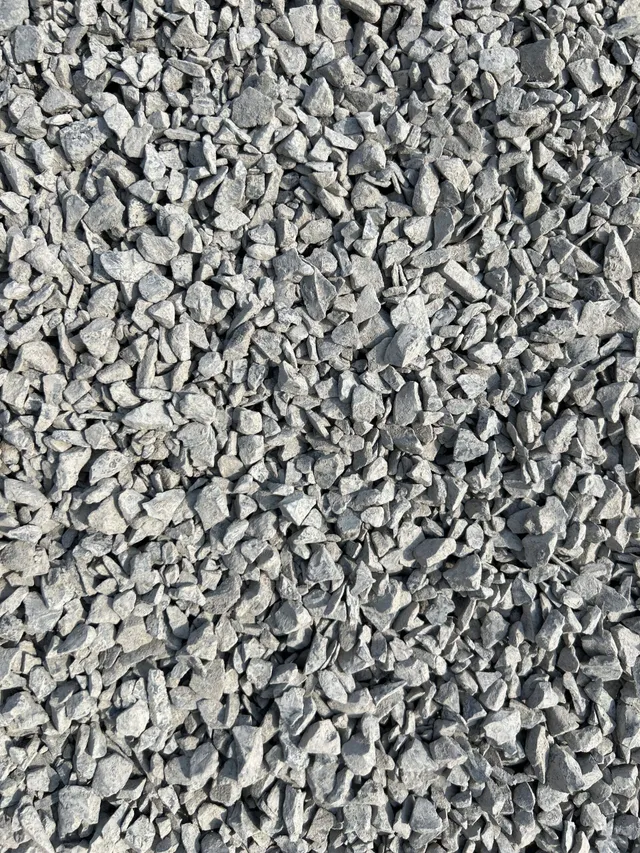
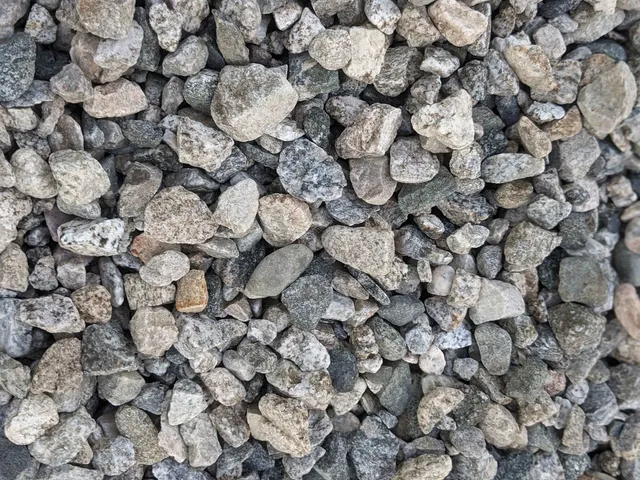
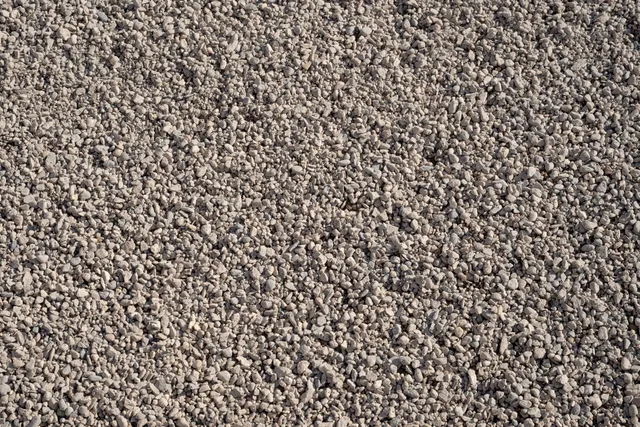
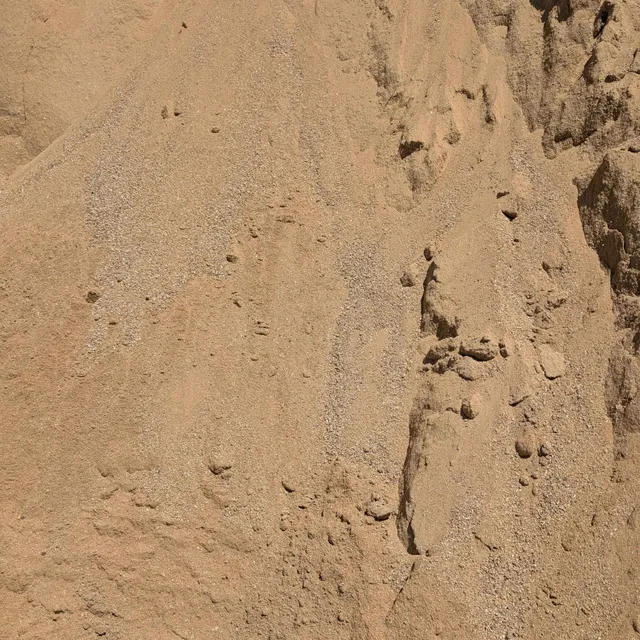
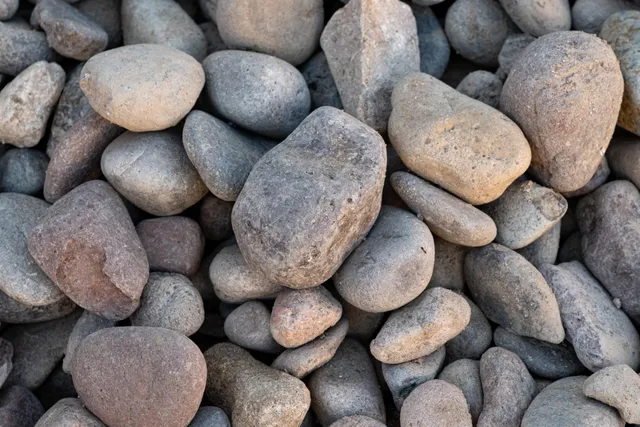
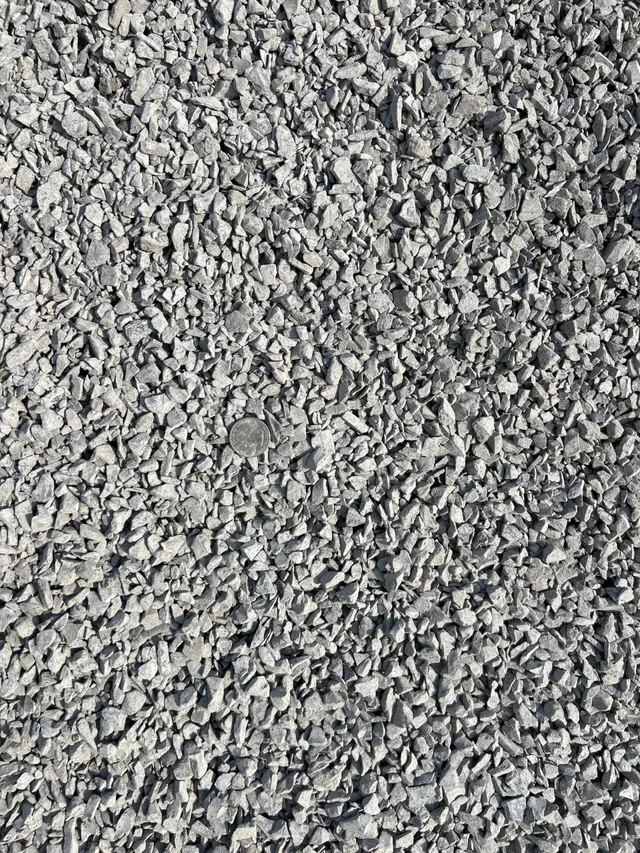
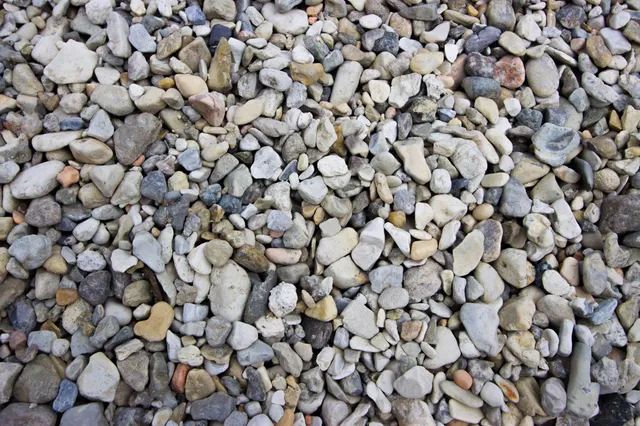
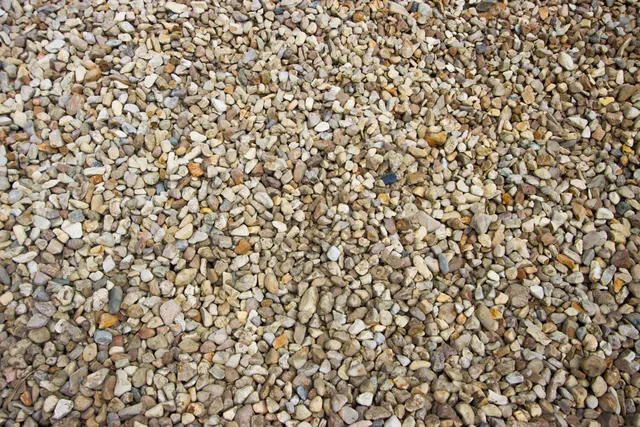
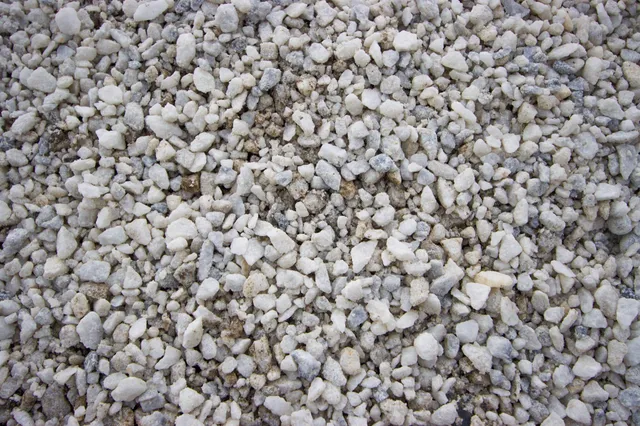
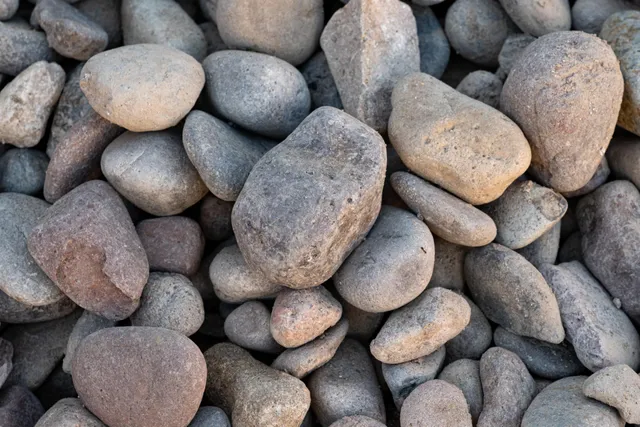
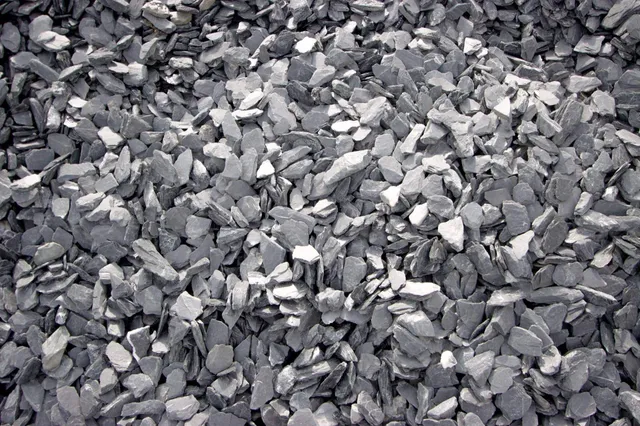
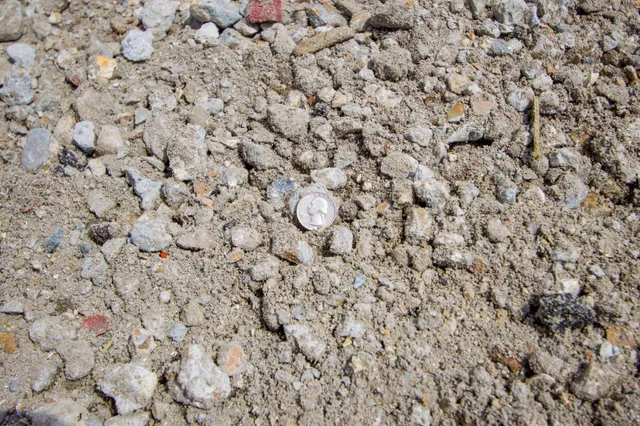
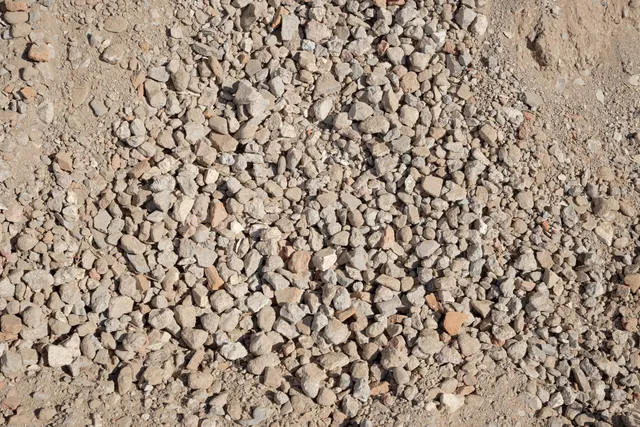
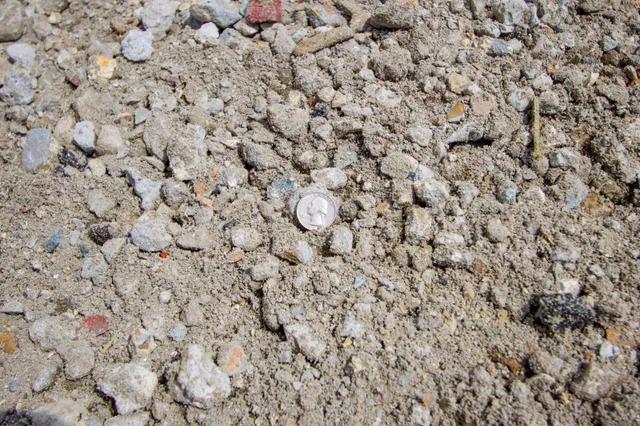
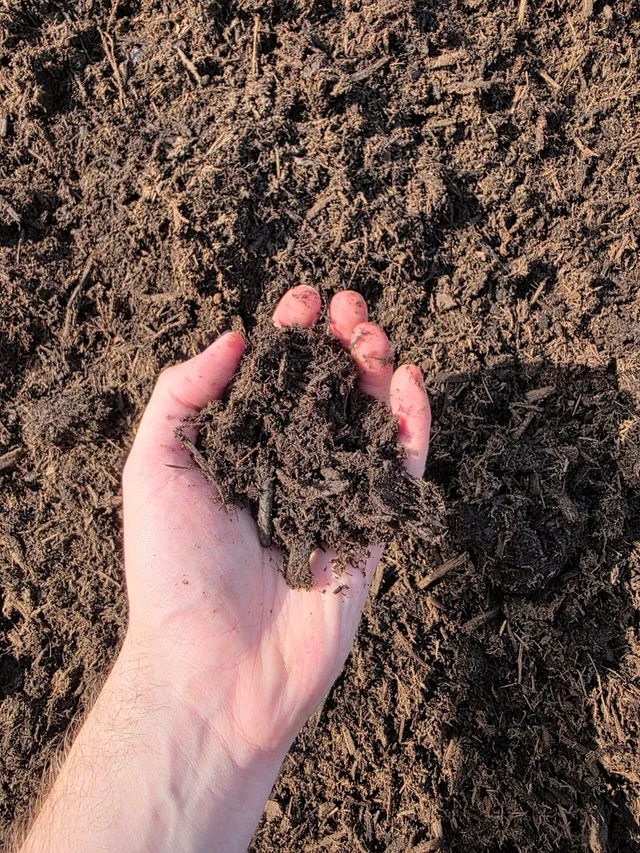
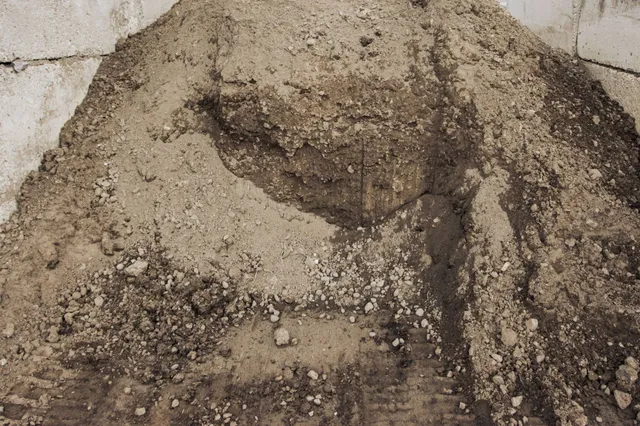
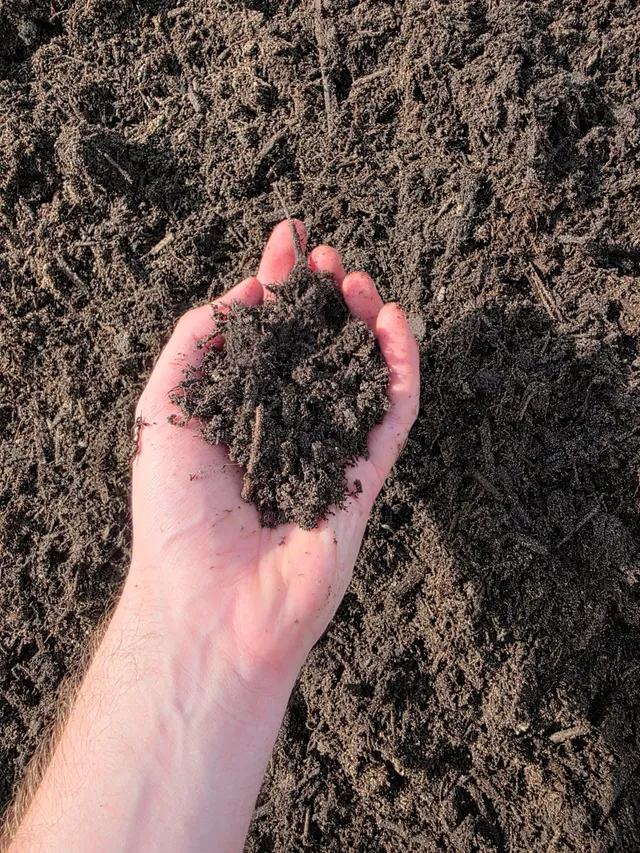
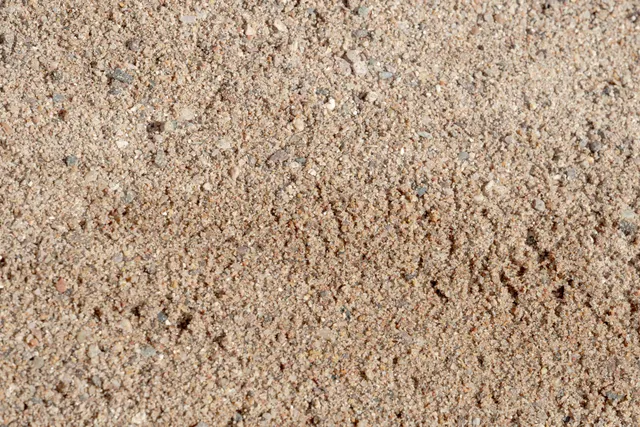
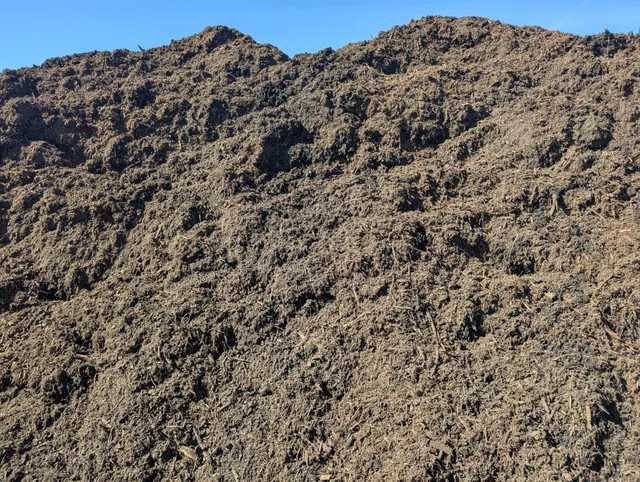
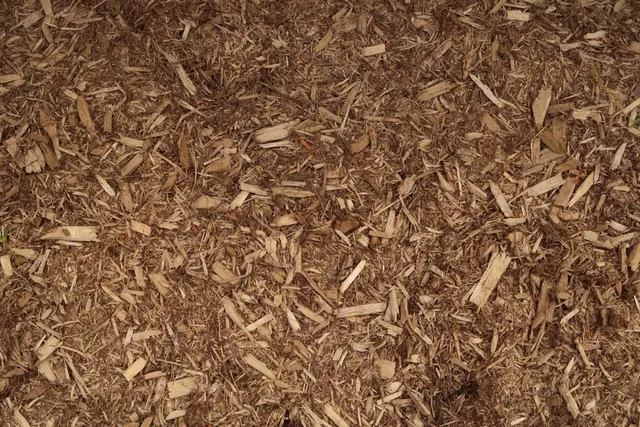
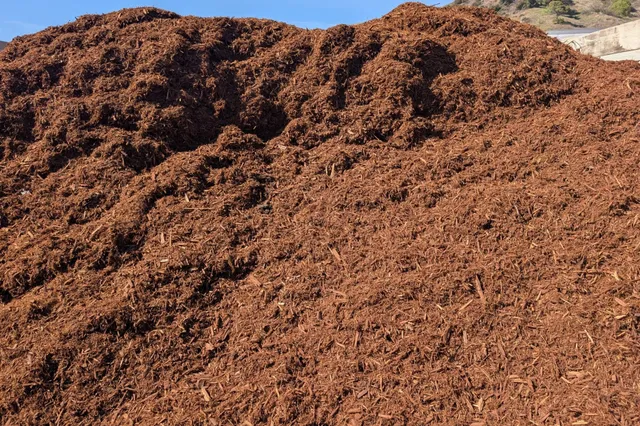
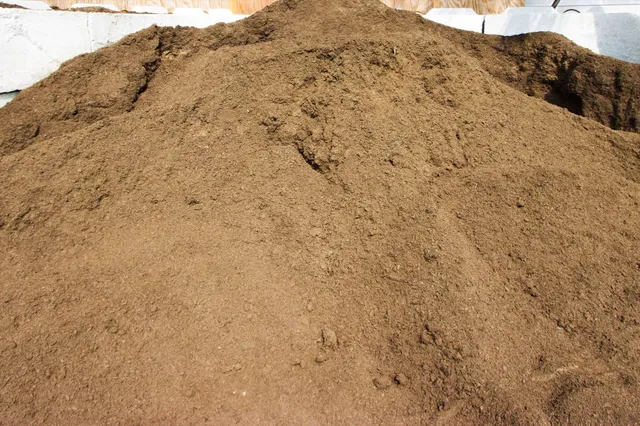
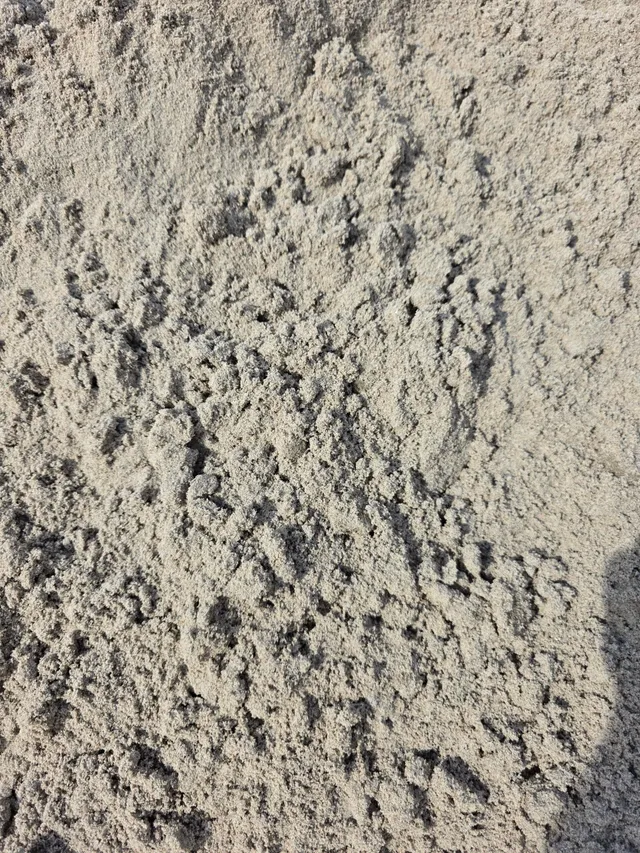
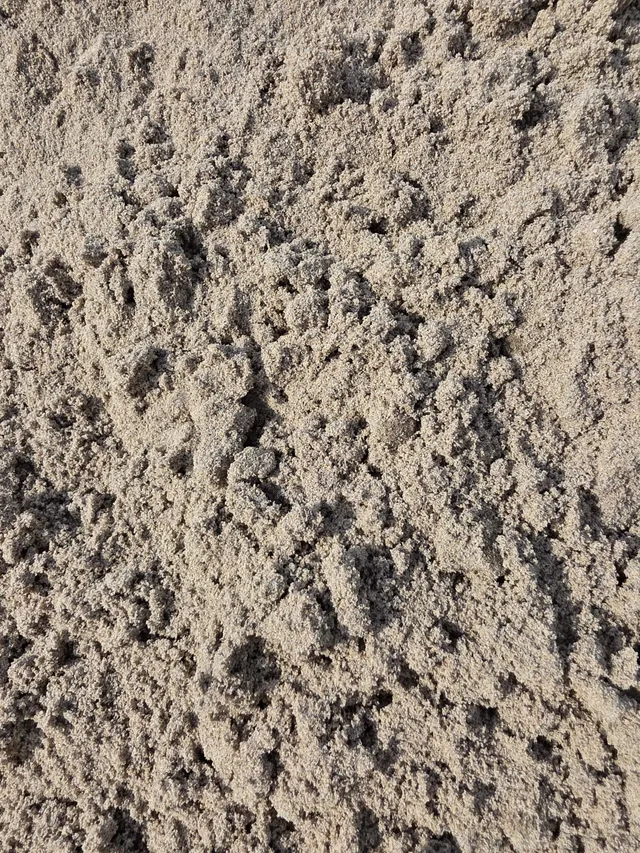
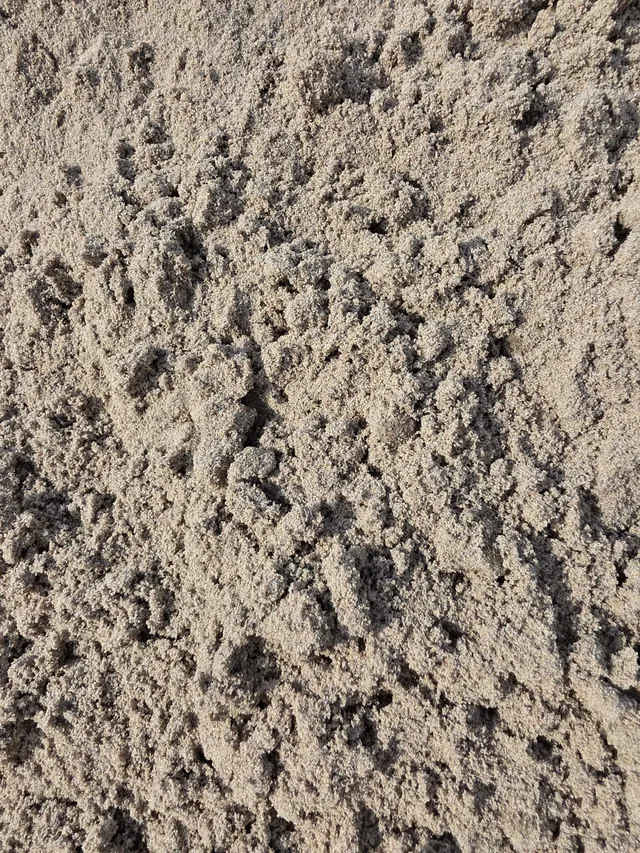
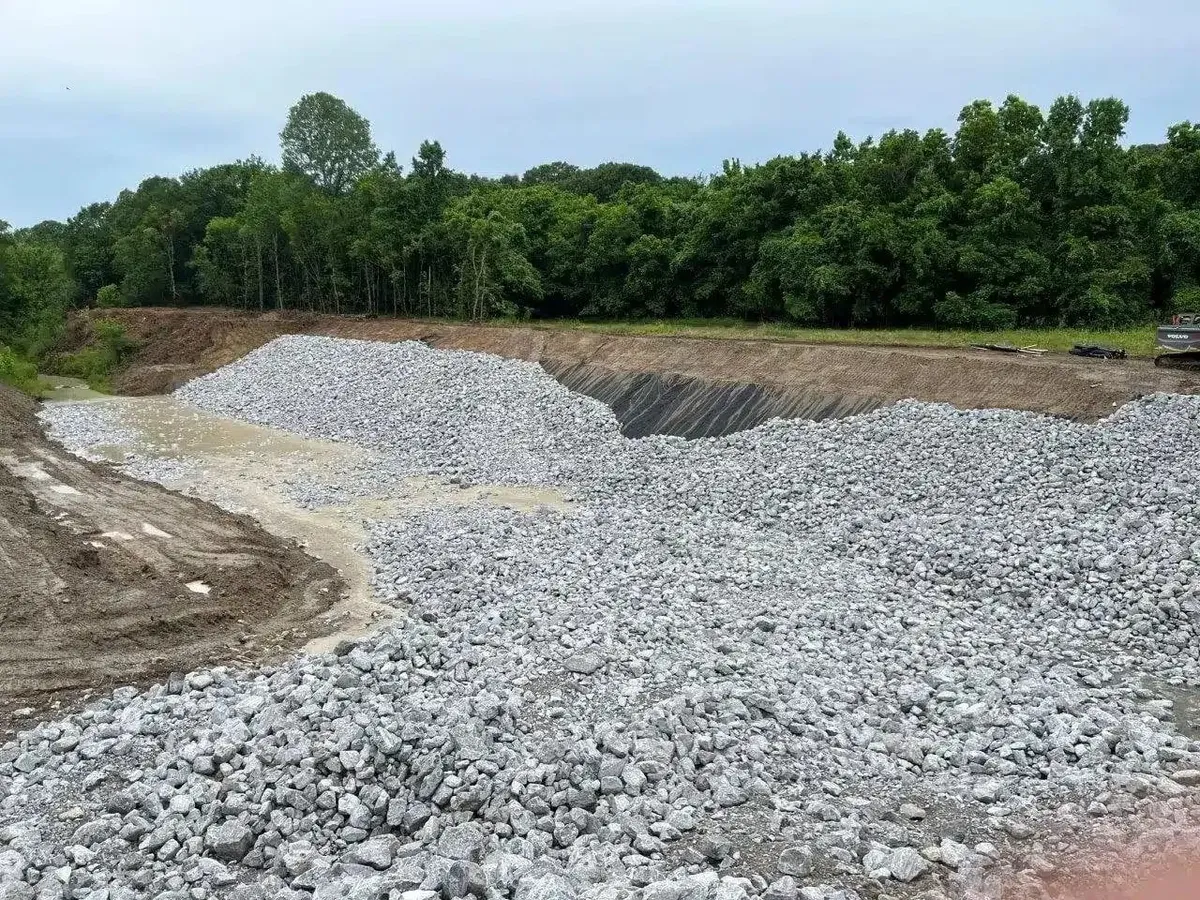
Niangua homeowners live in a small but steadily evolving community of 2,210 residents, and that steady 0.40% annual growth translates into consistent, predictable demand for repair, landscaping, and modest construction projects rather than sudden booms. In a temperate setting with hardiness zone 8b, 228 sunny days per year, and 33.90 inches of annual rainfall, material choices need to balance drainage, durability, and plant health. That means homeowners should think broadly — from base materials that stabilize driveways and pads to soils and mulches that support planting beds — because local weather patterns and soil conditions affect how aggregates, topsoil, and amendments perform over time. Regional sourcing also means color and texture will reflect local geology, so choosing the right material for erosion control, pathways, and foundations helps keep projects low maintenance and long lasting. Niangua's climate and soil behavior create a few practical requirements: reliable drainage to handle periodic rainfall, stable bases to limit settling, and UV- and moisture-resistant surface materials for exposed areas. Materials that compact well and shed water reduce long-term maintenance in wetter months, while organic soil blends and mulches support plant establishment during sunny periods. For homeowners, that means prioritizing function first — drainage, compaction, and erosion control — then appearance. Hello Gravel helps by connecting you with local suppliers, offering material calculators and guidance, and scheduling deliveries so you get the right quantities and timing for Niangua-specific conditions.