
Fill Dirt delivery in Lake St. Louis, MO
free delivery · you pick the date
Need fill-dirt delivered in Lake St. Louis? Order bulk fill-dirt near you with same-day delivery. Compare prices on premium fill-dirt for your construction or landscaping project.
Where are you located?
Enter your zip code for local pricing
Need exact quantities? Use the fill dirt calculator →
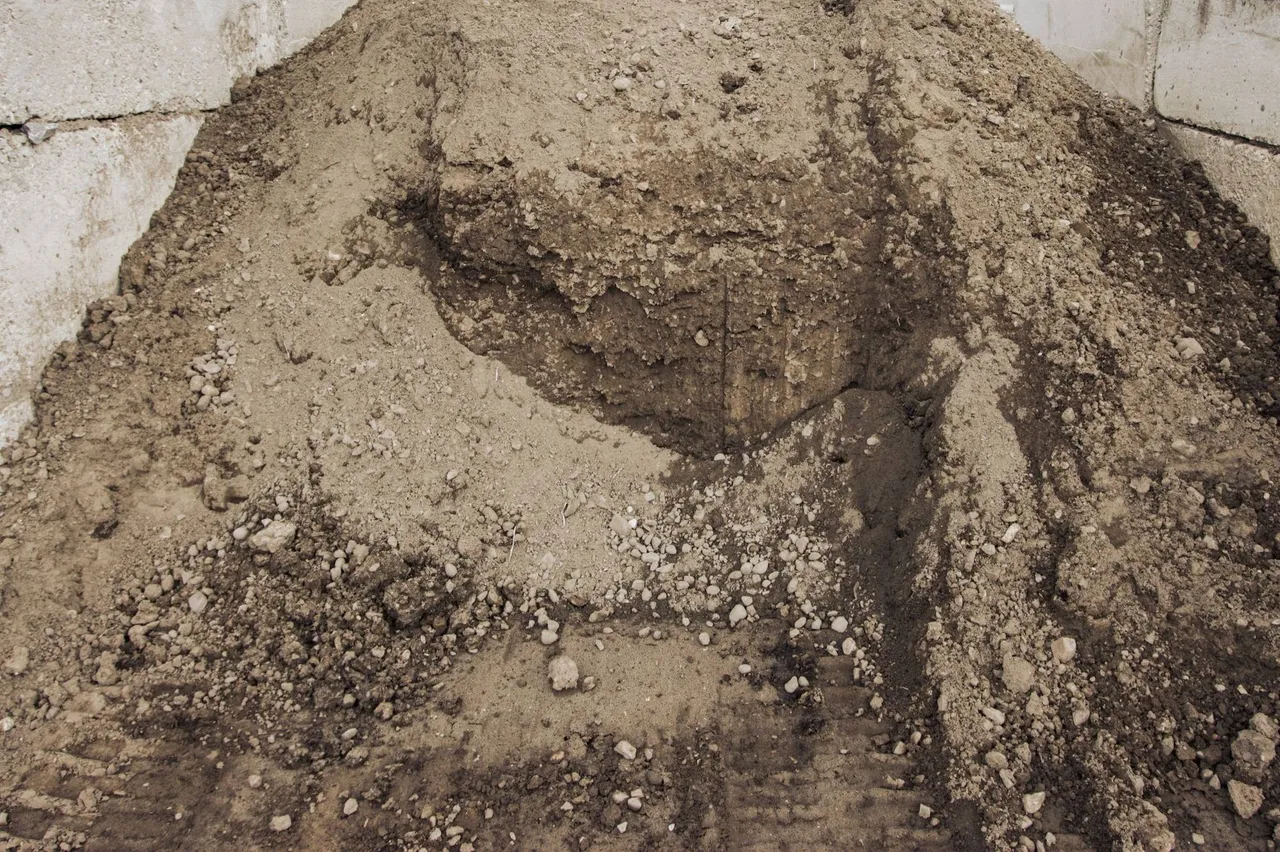
Fill Dirt in Lake St. Louis
Fill Dirt
Clean, screened fill dirt for grading, leveling, and backfilling projects. Essential for raising elevation, filling holes, and preparing sites for construction.
Prices are ZIP-regional — enter yours for an all-in delivered price.
How It Works
How Hello Gravel Works?
Simple, fast, and reliable fill-dirt delivery in Lake St. Louis
Find Your Material
Browse our products or take our quiz to find the right material for your project.
Calculate Amount Needed
Use our calculator to determine quantity. Calculator found on any product page.
Schedule Delivery
Choose your preferred date and time frame. Place your order online. We will call to confirm within 24 hours.
Materials Delivered
We source materials locally through our trusted supplier network and deliver straight to your home or job site in Lake St. Louis.
Why Lake St. Louis Chooses Hello Gravel
Trusted by homeowners and contractors throughout Lake St. Louis
Reliable Local Delivery
On-time delivery from vetted local suppliers you can trust.
High Quality Standards
Materials are quality checked to ensure 100% satisfaction.
Local Support Team
We will be with you through delivery. Call us any time if you need to make any changes to your order.
Next-Day Delivery
Order by noon on a weekday and we deliver the next business day. You pick the delivery date at checkout.
Local Insights
What to know about Lake St. Louis
Why Lake St. Louis homeowners choose Hello Gravel
Lake St. Louis is a suburban community of 17,000 residents within the larger St. Louis metro area of 2.3+ million. With steady growth of 0.40% annually and a moderate climate—about 228 sunny days per year and 33.50 inches of rain—local homeowners regularly invest in yard upgrades and small site work. The region’s hardiness zone 8b supports a wide range of plantings and encourages projects like raised beds, patios, and drainage corrections. For these projects, reliable fill-dirt is essential: it creates consistent grades, improves drainage, and provides a stable base that compacts well in Lake St. Louis’ seasonal cycles. Homeowners seek clean, workable soil that reduces post-installation settling and stands up through wet springs and sunny summers.
Popular projects in Lake St. Louis this season
- Driveway base fill-dirt - 28 tons
- Raised garden bed fill-dirt - 6 tons
- Lot grading fill-dirt - 120 tons
- Pool backfill fill-dirt - 18 tons
- Patio subgrade fill-dirt - 10 tons
Lake St. Louis quick facts
- Location
- St. Louis, MO-IL
- Population
- 17,000
- Metro Area
- 2.3+ million
- Annual Rainfall
- 33.50 inches
- Sunny Days
- 228/year
- Hardiness Zone
- 8b
- Growth Rate
- 0.40% annually
- Delivery Coverage
- Citywide delivery available
Best times for Lake St. Louis projects
- Stable Fall Temps
- Moderate Spring Drying
- Hot Wet Risk
- Cold Frost Limits
Local handoff
Want help with fill dirt in Lake St. Louis?
Share your ZIP and what you need help with. We'll use this page as context when we follow up.
- Share the page context so we know what you were looking at.
- Ask about pricing, material choice, delivery timing, or quantity.
- Keep it simple if you are not sure what you need yet.
02
Fill Dirt delivery questions
How much does fill-dirt delivery typically cost in Lake St. Louis, MO?
In the Lake St. Louis area, loose fill-dirt usually runs about $10 to $25 per ton, with delivery adding roughly $50 to $150 depending on distance, load size, and access. Hello Gravel has a 3-ton minimum and standard deliveries require 2+ business days; next-day delivery is available for orders placed before noon CST for an extra fee. Exact pricing depends on local supplier rates, seasonal demand, and whether spreading or extra handling is requested.
Who supplies fill-dirt locally and what are typical delivery minimums?
Local suppliers in the St. Louis metro that work with Hello Gravel include independent soil and aggregate yards and construction haulers; minimums commonly start at 3 tons (Hello Gravel minimum) but some local suppliers set higher minimums of 5 to 10 tons for longer-distance or small-lot deliveries. Hello Gravel will match you with nearby suppliers and show any supplier-specific minimums and delivery fees at checkout so you can compare options for Lake St. Louis.
How do Missouri freeze-thaw cycles and local clay soils affect fill-dirt performance in Lake St. Louis?
Lake St. Louis experiences freeze-thaw cycles that can cause frost heave, and local clay-rich soils hold water and expand, which increases settlement and movement of loose fill. To reduce issues, contractors compact fill in lifts and use well-draining or engineered fill where grades or foundations need stability. For landscaping or grading, proper drainage, compaction, and avoiding high-organic fill are key to long-term performance.
What composition of fill-dirt is recommended for driveways, building pads, and yard grading here?
For Lake St. Louis, use low-organic 'clean' or structural fill for subgrades—this is native soil with minimal roots or debris and is free of large rocks and trash. For driveways and load-bearing areas, mix or replace with an engineered fill or add a crushed stone road base layer on top; pure fill-dirt alone is not a recommended surface material for driveways. For yard grading, a well-draining top layer and compaction in 6- to 12-inch lifts works best to limit future settling.
How do I calculate how many tons or cubic yards of fill-dirt I need for common projects?
Calculate cubic yards by multiplying area (feet) times depth (feet) and dividing by 27 (example: 20 ft x 40 ft x 0.5 ft / 27 = 14.8 cubic yards). Convert to tons using an average conversion of about 1.2 tons per cubic yard for fill-dirt (so 14.8 yd3 x 1.2 = ~17.8 tons); actual weight varies with moisture and soil type. Use Hello Gravel’s material calculator or contact our sales team with your measurements for a tailored estimate for Lake St. Louis projects.
What compaction, equipment, and installation services do local contractors typically provide with fill-dirt deliveries?
Local contractors usually offer placement with skid steers or small excavators, compaction with plate compactors or vibratory rollers, and compacting fill in 6- to 12-inch lifts to reduce settlement. Hello Gravel can arrange deliveries to contractors who provide full install services, but tailgate spreading by drivers is discretionary and not guaranteed. For structural work, ask contractors about target compaction (often 90–95% of standard proctor) and a compaction report if required.
How long will a fill-dirt driveway or filled area last in the St. Louis area and what maintenance is needed?
Fill-dirt used as a temporary surface will rut and erode relatively quickly—expect ongoing maintenance in the first 1–3 years as the soil settles and consolidates. For a durable driveway, use fill-dirt only to raise the subgrade, then add and maintain a compacted gravel or road-base surface; that layered approach can last 5–15 years with periodic regrading and adding 1–2 inches of stone every 1–3 years. For yard areas, watch for low spots in the first season and top up and re-compact as needed.
How does fill-dirt compare to crushed limestone, road base, or sand for Lake St. Louis projects?
Fill-dirt is best for raising grades, filling holes, and non-structural yard build-up but it is not ideal as a finished driving surface. Crushed limestone or road base compacts well and is the preferred base for driveways and pads because it locks together and sheds water. Sand is useful for drainage layers or bedding, but not for load-bearing fills; often a combination—structural fill, road base, and a wearing layer—is used for long-lasting results.
Are there permits, HOA rules, or local regulations in Lake St. Louis that affect bringing in fill-dirt?
Yes, permits may be required for large-scale grading, work in regulated floodplains, or any changes that affect stormwater drainage; Lake St. Louis city and St. Charles County have local rules you should check before importing large amounts of fill. Many HOAs also have requirements on visible grading, elevations, and driveway finishes, so review your HOA covenants or contact the city planning office before ordering. If you’re unsure, Hello Gravel’s team can help point you to the right local contacts.
What truck access, weight limits, and seasonal delivery restrictions should I plan for in Lake St. Louis?
Deliveries typically arrive by tri-axle dump truck, so plan for a 12-foot clear access lane and room to turn if trucks need to enter your property; otherwise material may need to be dumped at the street. Watch for weight-restricted local or county roads and seasonal soft-ground restrictions (spring thaw/mud season) that can delay or reroute heavy trucks. If curbside or on-street dumping is planned, check Lake St. Louis and St. Charles County rules and consider permits or protective measures for lawns and paving.
Why might the material look different from the image?
Natural stone and aggregate vary slightly in color, texture, and size between quarry batches. This is normal and doesn't affect performance; photos represent typical appearance.
Can you help me figure out what material I need?
Absolutely. You can browse our project guides, use our material quiz, or call us directly. We're happy to help you pick the right material for your project.
What is the minimum order size?
The minimum order is 1 ton, or 1 cubic yard for mulch and soil products. That covers a single garden bed or a short stretch of path, so small jobs are welcome alongside large ones.
03
Fill Dirt in nearby cities
Ready for fill dirt in Lake St. Louis?
Enter your ZIP for an all-in delivered price — you pick the date.
Get fill dirt pricing