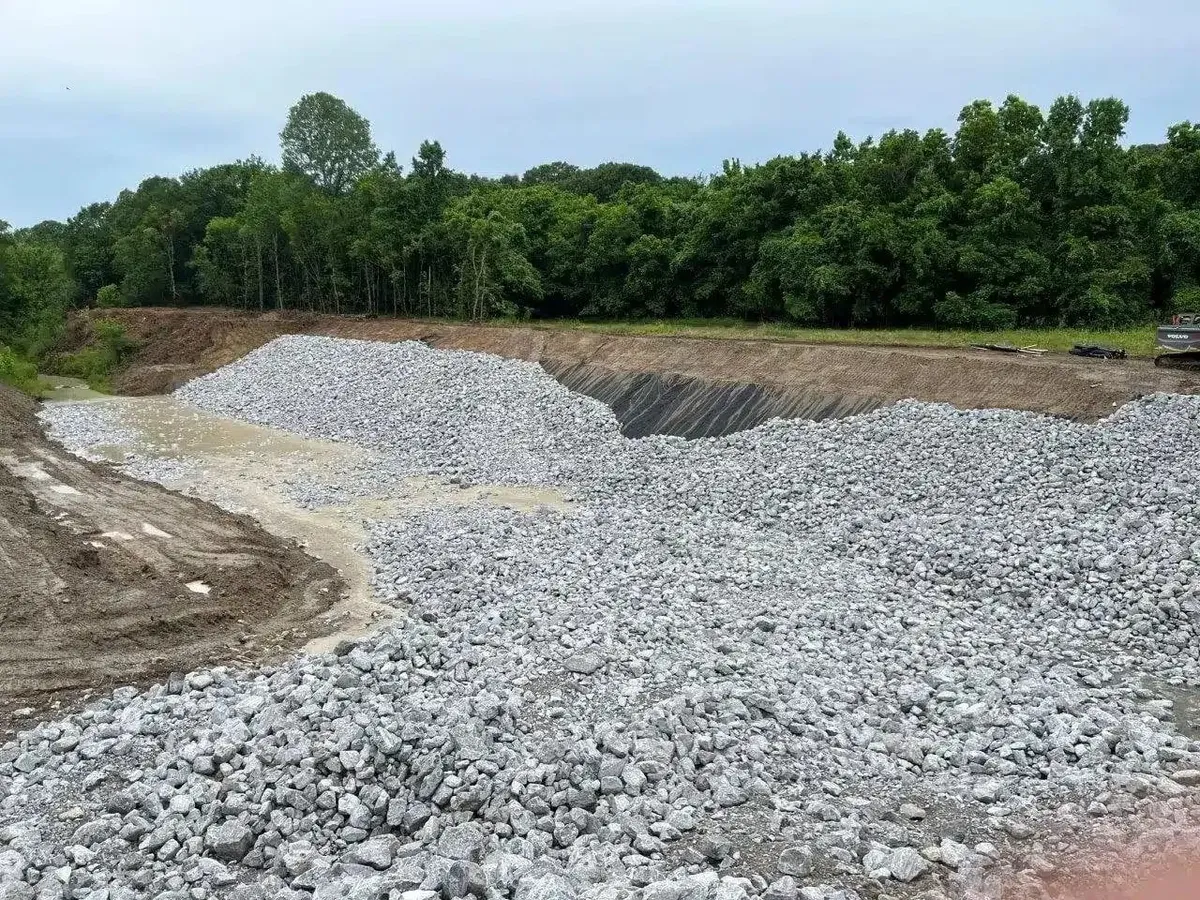
Bulk gravel, sand, fill dirt & topsoil delivery in Mears, MI
free delivery · you pick the date
Find local aggregate delivery near you in West Michigan. Compare prices on gravel, sand, fill dirt, topsoil, stone, crushed concrete and other construction material, all delivered to Mears.
Find local aggregate delivery near you in West Michigan. Compare prices on gravel, sand, fill dirt, topsoil, stone, crushed concrete and other construction material, all delivered to Mears.
Find Your Material
Browse our products or take our quiz to find the right material for your project.
Calculate Amount Needed
Use our calculator to determine quantity. Calculator found on any product page.
Schedule Delivery
Choose your preferred date and time frame. Place your order online. We will call to confirm within 24 hours.
Materials Delivered
We source materials locally through our trusted supplier network and deliver straight to your home or job site in Mears.
Why Mears Chooses Hello Gravel
Trusted by homeowners and contractors throughout Mears
Reliable Local Delivery
On-time delivery from vetted local suppliers you can trust.
High Quality Standards
Materials are quality checked to ensure 100% satisfaction.
Local Support Team
We will be with you through delivery. Call us any time if you need to make any changes to your order.
Next-Day Delivery
Order by noon on a weekday and we deliver the next business day. You pick the delivery date at checkout.
Real deliveries near Mears
Delivered around Mears, MI
Bulk gravel, stone, sand, and mulch delivered across Mears and nearby — search your ZIP to see deliveries in your area.
Loading deliveries…
Local Insights
What to know about Mears
Why Mears homeowners choose Hello Gravel
Mears is a small but active community of 1,530 residents within the broader West Michigan region, a metro area of 2.5+ million people that is seeing steady growth at about 1.20% annually. That steady expansion translates into reliable demand for both new construction and home improvement projects — from driveway repairs to backyard landscaping and small-scale additions. The local climate, with 228 sunny days and 34.25 inches of annual rainfall in a hardiness zone of 8b, means homeowners need materials that handle both wet seasons and prolonged sunny periods. For practical projects, that translates to reliable bulk supplies: base layers that support weight and drainage, topsoils and mixes that support plantings, and surface materials that resist erosion and compaction. In this environment, quality and correct gradation matter: well-graded aggregates, properly screened soils, and consistent mulch or compost help projects last longer and perform better throughout seasonal swings.
Popular projects in Mears this season
Driveway Resurfacing - 12 tons of base material
Garden Bed Installation - 8 tons of topsoil
Pathway Construction - 10 tons of aggregate
Property Grading - 18 tons of fill dirt
Yard Drainage Upgrade - 6 tons of landscaping mix
Mears quick facts
Location
West Michigan
Population
1,530
Metro Area
2.5+ million
Annual Rainfall
34.25 inches
Sunny Days
228/year
Hardiness Zone
8b
Growth Rate
1.20% annually
Best times for Mears projects
Stable Fall Conditions
Variable Spring Conditions
Peak Project Season
Winter Weather Limits
Local handoff
Want help with delivery in Mears?
Share your ZIP and what you need help with. We'll use this city page as context when we follow up.
This page gives us the Mears delivery context.
Ask about pricing, delivery timing, material choice, or quantity.
Keep the material broad if you are still browsing options.
Trusted by homeowners nationwide
1,888 verified reviews across every state we serve
Rachel
5 days ago
I ordered fill dirt to grade around my house. The process was so simple! The driver met me where I wanted him to drop the dirt. I think I spent a total of 30 min with the ordering, paying, and the truck arriving with the material the day they said they would be there. I'm very pleased.
October 6, 2026
Hung L.
5 days ago
An excellent company with attentive customer service.
October 6, 2026
Steven A.
2 weeks ago
I needed the dirt dumped in a rather tight spot and the driver of the truck was totally cooperative.He took care not to damage any trees or shrubs.Smooth sailing is all I can say.
September 21, 2026
02
Mears delivery questions
How do I choose the right material for a driveway, patio, or drainage project in Mears?
Start by matching performance to the project: load-bearing areas need more angular, compacting materials while drainage areas prefer coarser, free-draining material. Consider appearance, maintenance, and local climate when choosing between gravel, sand, dirt, stone and blends; contractors often pick materials differently than homeowners. If you are unsure, use our material quiz or contact Hello Gravel for guidance and local recommendations.
What seasonal factors in Mears should I consider when selecting materials or scheduling installation?
Mears experiences freeze-thaw cycles, winter snow, and spring runoff that affect compaction and settling, so avoid final-grade work on frozen or waterlogged ground. Installations are easiest in late spring through early fall; winter deliveries are possible but may require staging, thawing time, or additional handling. Discuss timing with your supplier to reduce delays and additional costs.
How do I estimate how much material I need for a project in Mears?
Use the standard volume formula: cubic yards = (area in square feet x depth in inches) / 324 to calculate material needed. Convert cubic yards to tons only as an approximation because weight varies by material and moisture; a typical range is about 1.2 to 1.6 tons per cubic yard depending on the material. For example, 500 sq ft at 3 inches deep is roughly 4.6 cubic yards, which commonly translates to about 6 to 7 tons depending on the material.
What delivery constraints should I expect for rural addresses around Mears?
Rural deliveries commonly face narrow roads, low bridges or culverts, tight turns, and weight limits that may require offloading at the road edge or a designated staging area. Drivers need clear access, stable ground for dump trucks, and unblocked drop zones; provide directions and photos if access is tricky. Extra fees or specialized equipment may apply for tight access, long drives from the main road, or private lane restrictions.
What are typical minimum order sizes and delivery fees for small towns like Mears?
Hello Gravel has a minimum order of 3 tons, and delivery fees vary by distance, order size, and access difficulty. Many local suppliers offer free delivery in parts of West Michigan for larger orders, while small or remote deliveries may incur a fee. The quickest way to know exact costs is to get an online quote for your zip code and delivery address.
Do suppliers and contractors around Mears offer volume discounts or contractor pricing?
Yes, many local suppliers provide volume pricing or contractor rates for regular or large orders, and contractors can often negotiate better per-ton pricing. Hello Gravel connects you with local suppliers and can help surface contractor pricing or bulk discounts. Always ask for a quote that reflects your expected annual volumes or project sizes.
How do local permits or HOA rules affect material choices in Mears or Oceana County?
Township zoning, county rules, and HOA covenants can restrict driveway materials, curb cuts, setback requirements, or visible aggregate colors and textures. Always check with your local township office, county planning department, or HOA before ordering to confirm permitted materials and any required permits. Getting approvals first helps avoid rework and additional costs.
Are there special environmental or erosion-control considerations for properties near beaches or dunes in West Michigan?
Yes, dune and shoreline areas are often subject to strict regulations to protect native vegetation, prevent erosion, and preserve coastal processes, so some materials or placement methods may be restricted. Use materials and installation techniques that promote drainage and avoid burying native plants; contact local conservation authorities or county officials for permits and best practices. Professional guidance is recommended for dune-adjacent work to avoid regulatory issues and environmental harm.
How should I prepare my site before a bulk material delivery in Mears?
Clear the drop zone of vehicles, lawn furniture, and obstacles and mark any underground utilities or delicate landscaping. Provide a stable, accessible area for the dump truck to offload and consider laying plywood on soft ground to protect lawns; communicate access notes in Order Notes at checkout. Proper preparation reduces delays and the chance of additional handling fees.
Can drivers spread material when they deliver to my property?
Drivers may be able to perform tailgate spreading at their discretion, and you can request spreading at checkout, but this service is not guaranteed. The driver will assess safety, access, and equipment before agreeing to spread, and complex spreading often requires a separate contractor. Plan for possible self-spreading or hiring a local landscaper if precise distribution is required.
What factors influence price per cubic yard or ton for materials delivered to Mears?
Price depends on the material type, regional availability, order size, distance from the quarry or supplier, delivery access difficulty, and seasonal demand. Local sourcing means prices reflect West Michigan geology and hauling costs; long hauls or restricted access typically increase the total price. Request an itemized quote so you can compare material cost and delivery charges.
How do contractors handle weather-related delays and winter deliveries in West Michigan?
Contractors build schedule buffers during freeze-thaw seasons and monitor forecasts to avoid placing base materials on frozen or overly wet ground. Winter deliveries are possible but may involve extra fees, limited spreading options, and slower site preparation; some work may be postponed until conditions improve. Good communication with your supplier and contractor helps manage expectations and rescheduling.
How is the material delivered?
Materials are delivered by dump truck directly to your driveway or job site, placed exactly where you need them.
Will the material arrive in a Hello Gravel dump truck?
We work with a network of vetted partner haulers in your area. Every driver meets our quality and safety standards, regardless of the truck branding.
Can I find the same material cheaper somewhere else?
Our pricing is competitive with local quarries and landscape supply yards, and delivery is included. No trips to the store, no rental trucks, no loading bags yourself.
How soon can I get the materials delivered?
Order by noon on a weekday and we deliver the next business day. You choose your delivery date at checkout, and we confirm availability based on your location.