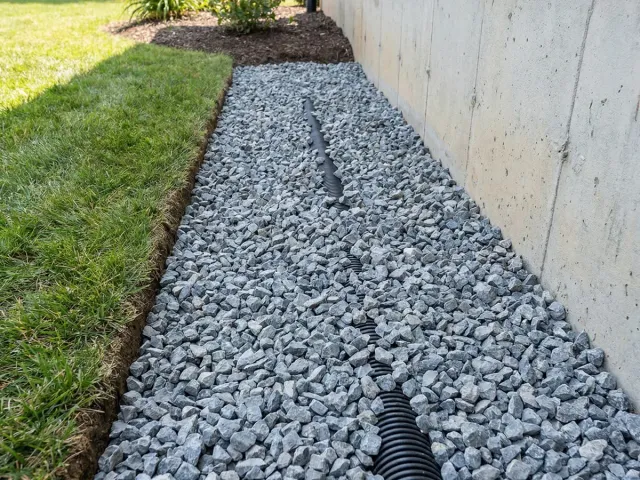
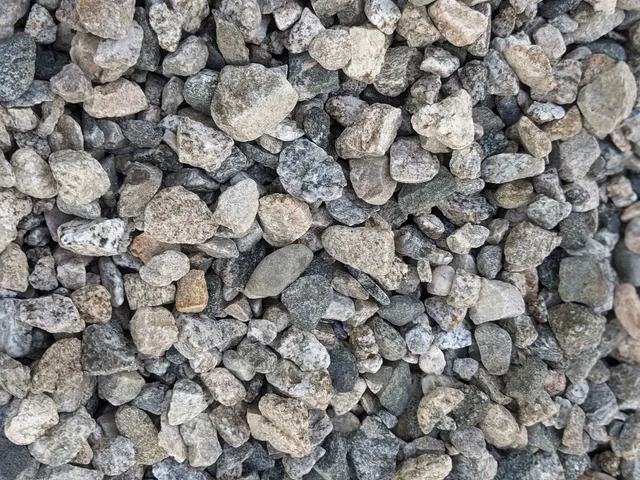
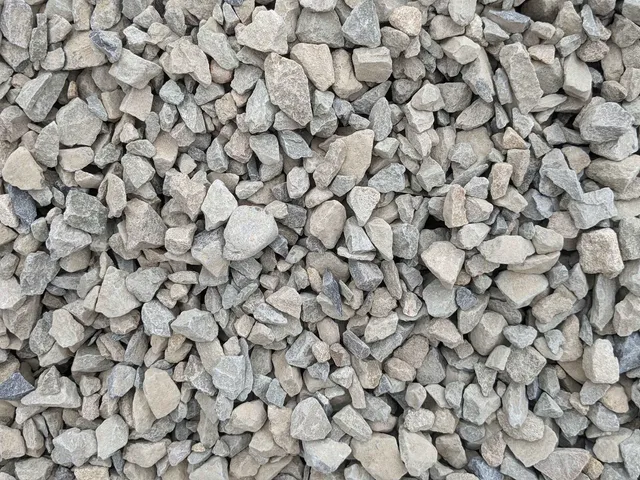
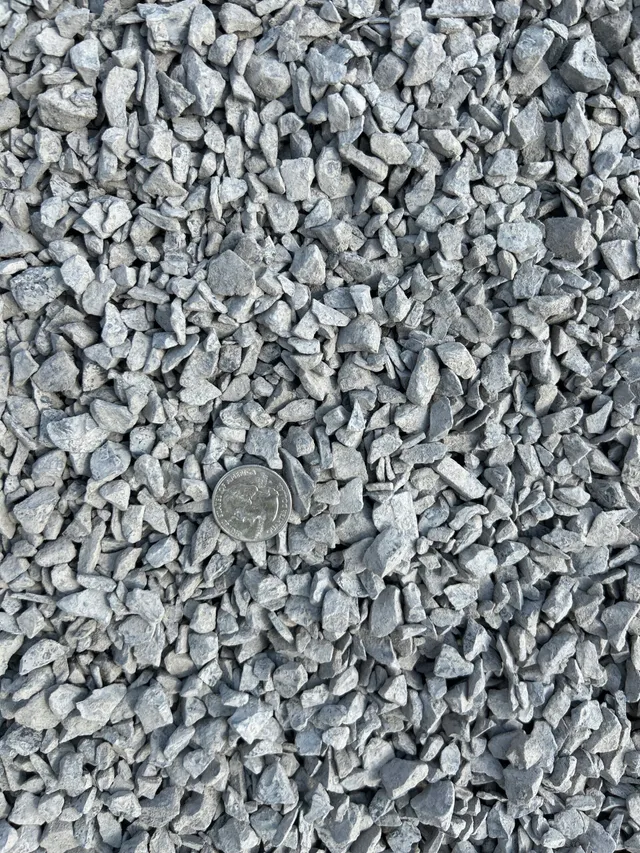
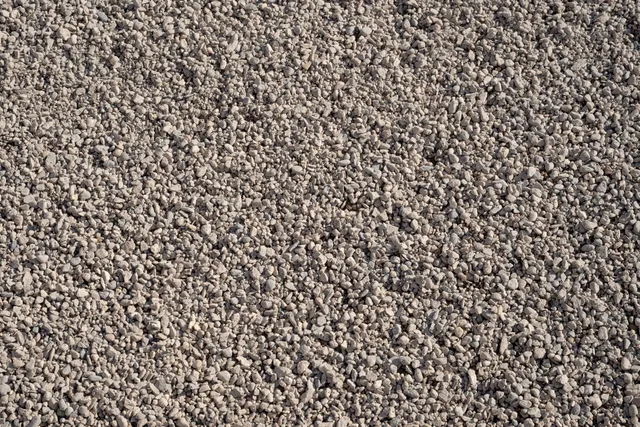
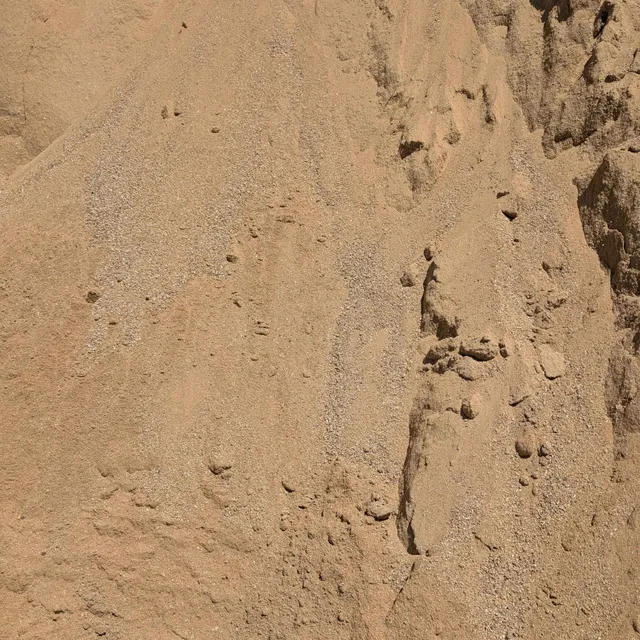
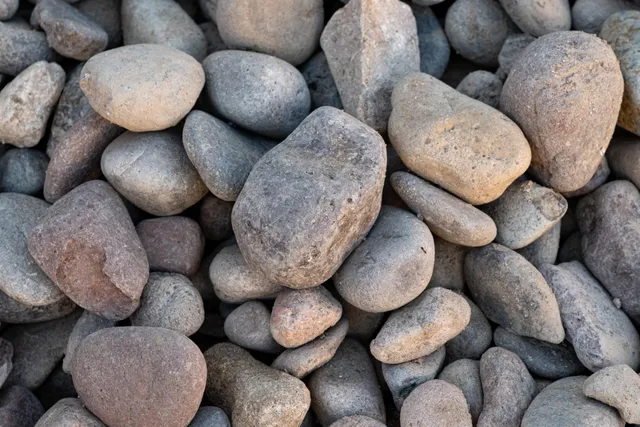
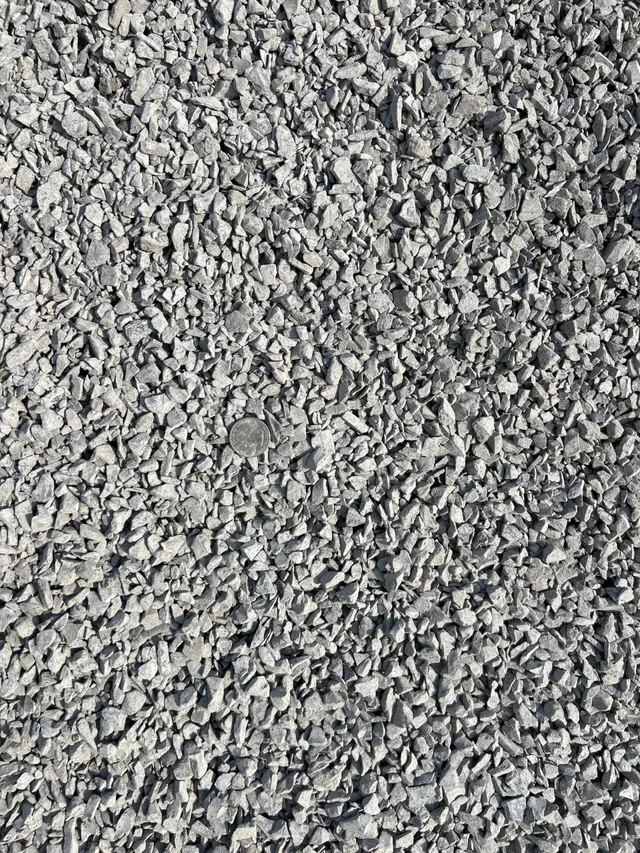
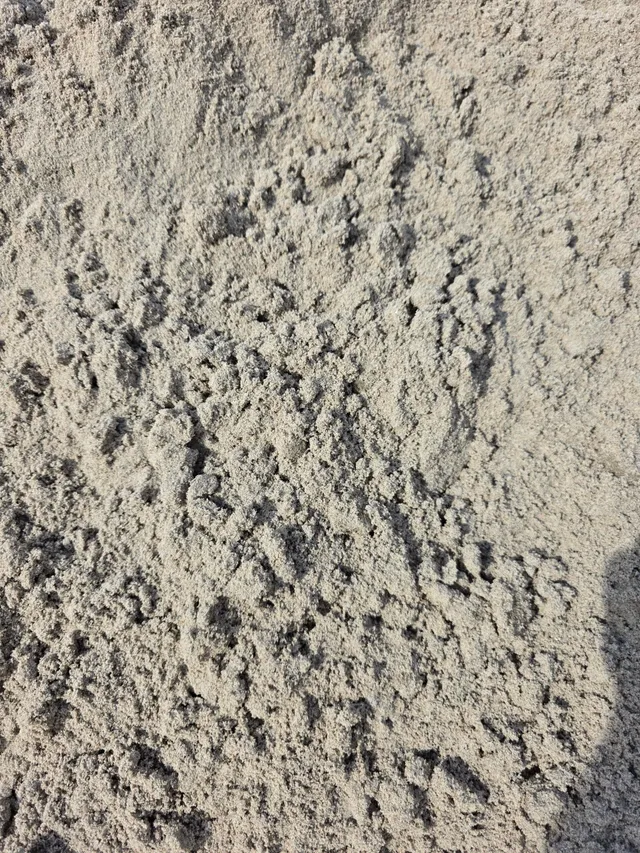
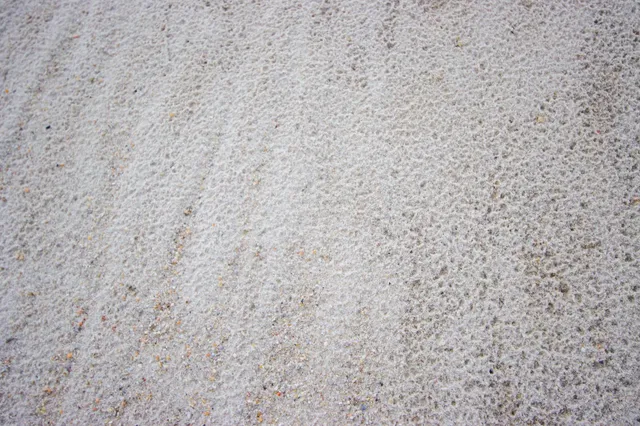
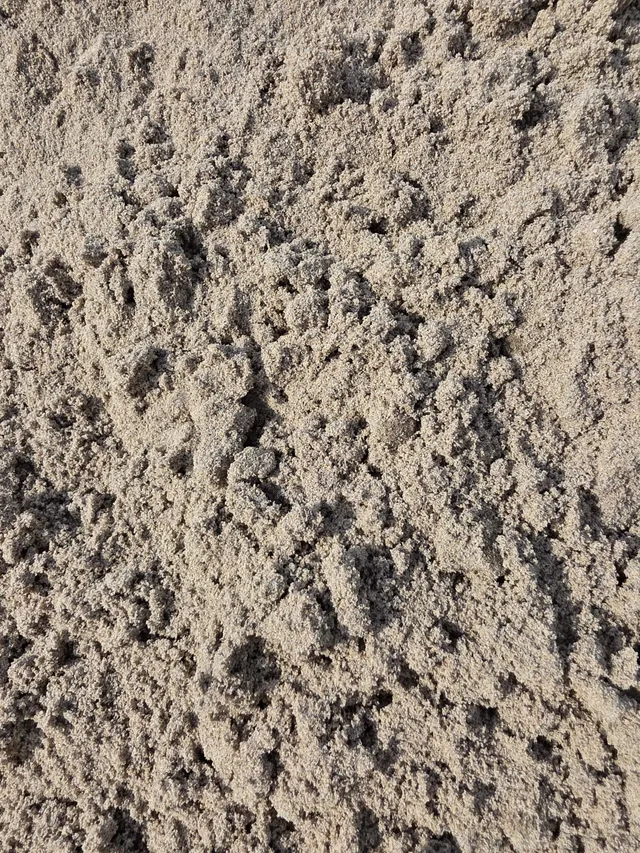
Bulk gravel, sand, fill dirt & topsoil delivery in Cundiff, KY
free delivery · you pick the date
Find local aggregate delivery near you in West Kentucky. Compare prices on gravel, sand, fill dirt, topsoil, stone, crushed concrete and other construction material, all delivered to Cundiff.
Find local aggregate delivery near you in West Kentucky. Compare prices on gravel, sand, fill dirt, topsoil, stone, crushed concrete and other construction material, all delivered to Cundiff.
Find Your Material
Browse our products or take our quiz to find the right material for your project.
Calculate Amount Needed
Use our calculator to determine quantity. Calculator found on any product page.
Schedule Delivery
Choose your preferred date and time frame. Place your order online. We will call to confirm within 24 hours.
Materials Delivered
We source materials locally through our trusted supplier network and deliver straight to your home or job site in Cundiff.
Why Cundiff Chooses Hello Gravel
Trusted by homeowners and contractors throughout Cundiff
Reliable Local Delivery
On-time delivery from vetted local suppliers you can trust.
High Quality Standards
Materials are quality checked to ensure 100% satisfaction.
Local Support Team
We will be with you through delivery. Call us any time if you need to make any changes to your order.
Next-Day Delivery
Order by noon on a weekday and we deliver the next business day. You pick the delivery date at checkout.
Real deliveries near Cundiff
Delivered around Cundiff, KY
Bulk gravel, stone, sand, and mulch delivered across Cundiff and nearby — search your ZIP to see deliveries in your area.
Loading deliveries…
Local Insights
What to know about Cundiff
Why Cundiff homeowners choose Hello Gravel
Cundiff is a small community with a city population: 1,000, yet it sits within a larger regional market where the metro area population: 2.7+ million supports steady housing and infrastructure activity. That steady 1.20% annually growth rate points to consistent homeowner upgrades, infill projects, and routine maintenance rather than sudden booms. Local climate conditions — hardiness zone: 8b, annual rainfall: 34.25 inches, and about 228 sunny days per year — mean builders and gardeners balance wet-season drainage with long stretches of sun exposure. For homeowners that translates into demand for a range of quality bulk materials: topsoil and compost for planting beds, mulch to retain moisture, sand and gravel for drainage and base layers, and stone for patios and edging. Choosing consistent, regionally sourced materials helps projects handle seasonal wetting and drying while matching local aesthetic and functional expectations.
Popular projects in Cundiff this season
Driveway Resurfacing - 15 tons of aggregate
Garden Bed Installation - 6 tons of topsoil
Property Drainage Improvement - 10 tons of base material
Walkway Construction - 8 tons of aggregate
Yard Grading & Fill - 12 tons of fill dirt
Cundiff quick facts
Location
West Kentucky
Population
1,000
Metro Area
2.7+ million
Annual Rainfall
34.25 inches
Sunny Days
228/year
Hardiness Zone
8b
Growth Rate
1.20% annually
Best times for Cundiff projects
Stable Fall Conditions
Stable Spring Conditions
High Summer Heat
Winter Weather Limits
Local handoff
Want help with delivery in Cundiff?
Share your ZIP and what you need help with. We'll use this city page as context when we follow up.
This page gives us the Cundiff delivery context.
Ask about pricing, delivery timing, material choice, or quantity.
Keep the material broad if you are still browsing options.
Trusted by homeowners nationwide
1,888 verified reviews across every state we serve
Rachel
5 days ago
I ordered fill dirt to grade around my house. The process was so simple! The driver met me where I wanted him to drop the dirt. I think I spent a total of 30 min with the ordering, paying, and the truck arriving with the material the day they said they would be there. I'm very pleased.
October 6, 2026
Hung L.
5 days ago
An excellent company with attentive customer service.
October 6, 2026
Steven A.
2 weeks ago
I needed the dirt dumped in a rather tight spot and the driver of the truck was totally cooperative.He took care not to damage any trees or shrubs.Smooth sailing is all I can say.
September 21, 2026
02
Cundiff delivery questions
How do I pick the right bulk material for a driveway, yard, or drainage project in Cundiff?
Start by matching function to material: choose products that provide load-bearing support for driveways, good drainage for wet areas, or a finished look for landscaping. Consider traffic level, slope, and how much maintenance you want—some materials settle and need periodic topping, others stay stable longer. Ask for regional advice since gravel, sand, dirt, stone vary by local geology in West Kentucky.
How do Cundiff’s freeze-thaw cycles and high rainfall affect material performance?
Freeze-thaw and heavy rain increase the need for good drainage and stable base layers to prevent frost heave and washouts. Select materials and profiles that drain well and compact properly, and consider geotextile or a compacted base where frost or water is a concern. Regional-sourced materials reflect local conditions, so pick types known to perform in Kentucky weather.
What quantity of material will I need for common projects and how do contractors estimate amounts in Cundiff?
Contractors calculate volume by multiplying area by desired depth (convert to cubic yards), then convert to tons using the material's density; typical densities range from about 1.2 to 1.6 tons per cubic yard depending on the product. A quick rule of thumb: 1 cubic yard covers roughly 80–100 sq ft at 1 inch depth. Use our online material calculator or give dimensions to our team to get an estimate and remember Hello Gravel’s 3-ton minimum order.
What are typical delivery timelines and fee structures for bulk materials in Cundiff?
Standard delivery is normally 2+ business days; next-day delivery may be available for orders placed before noon CST for an additional fee. Pricing usually combines per-ton material cost, a minimum order requirement (3 tons), and any delivery or service fees for spreading or difficult access. Fees vary by supplier and distance, so check your quote and zip code availability before ordering.
Can drivers spread or help level materials on delivery in Cundiff?
Drivers may be able to perform tailgate spreading at their discretion, but this is not guaranteed and depends on safety and access. You can request spreading at checkout, and the driver will assess on arrival whether it can be done. For guaranteed spreading or compaction, plan to hire a local contractor or ask suppliers about additional services.
How do local terrain and soil types around Cundiff influence material selection and drainage planning?
Steep slopes, clay soils, and low spots require different approaches: more drainage-friendly materials and sub-base work on slopes, and extra preparation in clay-heavy areas to avoid pooling and rutting. Solutions can include thicker base layers, geotextile fabric, and strategic grading to move water away from structures. Discuss your site conditions with our team so we can recommend suitable options for local soil and terrain.
When is the best time of year to schedule material delivery and installation in Cundiff?
Spring and fall are often best for installation because the ground is moderate and weather is more predictable, while heavy rains in late winter/early spring and frozen ground in winter can cause delays or require extra prep. Summer is workable but busier, so book ahead to secure delivery dates. If you need winter delivery, expect potential timing issues and mention site access and ground conditions when ordering.
Are there local regulations or HOA rules in Cundiff that affect what materials I can use?
Yes—some counties and homeowners associations have rules about driveway materials, color, permeability, and curb appeal. Check local county permitting offices and your HOA guidelines before ordering to ensure compliance. If you’re unsure, our team can remind you to confirm local restrictions when you place an order.
What cost-saving strategies do West Kentucky homeowners use when buying bulk materials?
Common savings include ordering a slightly larger quantity to avoid a second delivery, choosing local materials to reduce transport fees, scheduling during off-peak seasons, and doing prep work yourself to avoid contractor fees. Compare quotes from available suppliers and use our material calculator to avoid overbuying, which helps limit waste and extra cost.
How do contractors in Cundiff compare material options for long-term maintenance and durability?
Contractors weigh upfront cost, expected maintenance, and site conditions—materials that compact well and drain effectively often reduce long-term repairs. They consider how often a surface will need topping, regrading, or replacement and recommend solutions that match the owner’s budget and maintenance willingness. Ask contractors for life-cycle expectations so you can compare total cost, not just initial price.
What should I tell Hello Gravel about site access and drop location when I order delivery in Cundiff?
Provide clear details about entry gates, overhead wires, driveway width and turn radius, and the exact preferred drop zone in the Order Notes so the hauler can plan accordingly. Ensure there is room for a tri-axle dump truck to access the site and flag any soft ground or obstacles that could affect safe unloading. If access is limited, request a call from the driver in advance and be prepared for potential additional fees or alternative drop options.
What if the material looks different than I expected or I need to change my order for Cundiff delivery?
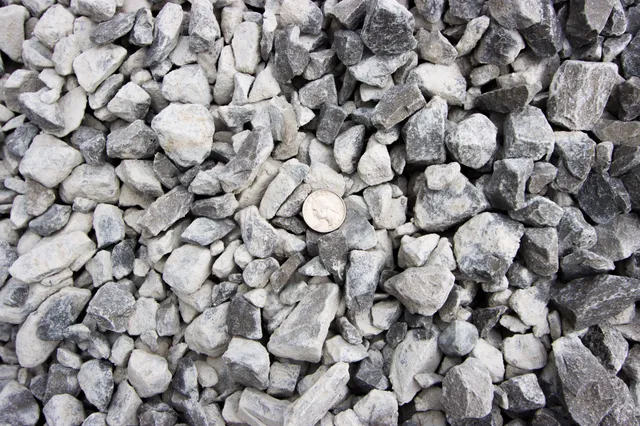
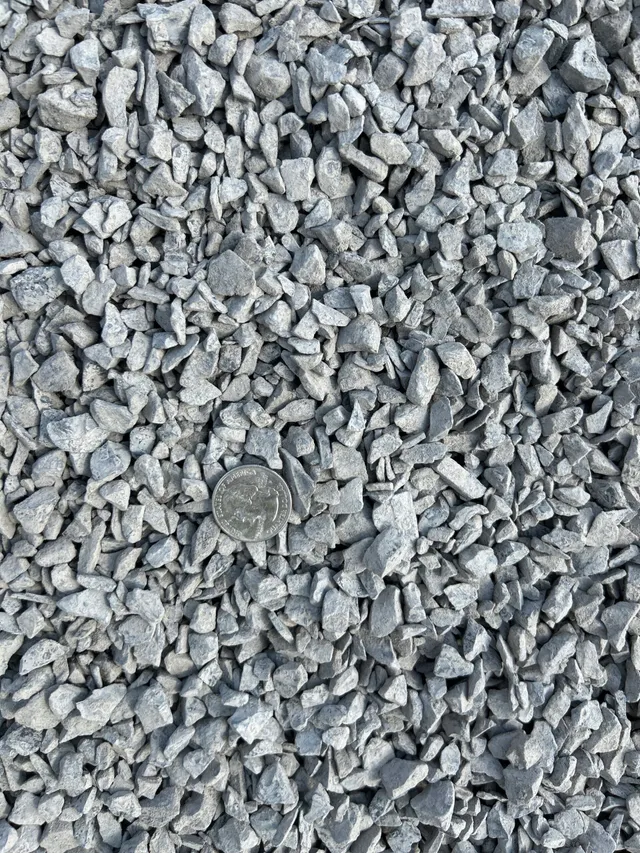
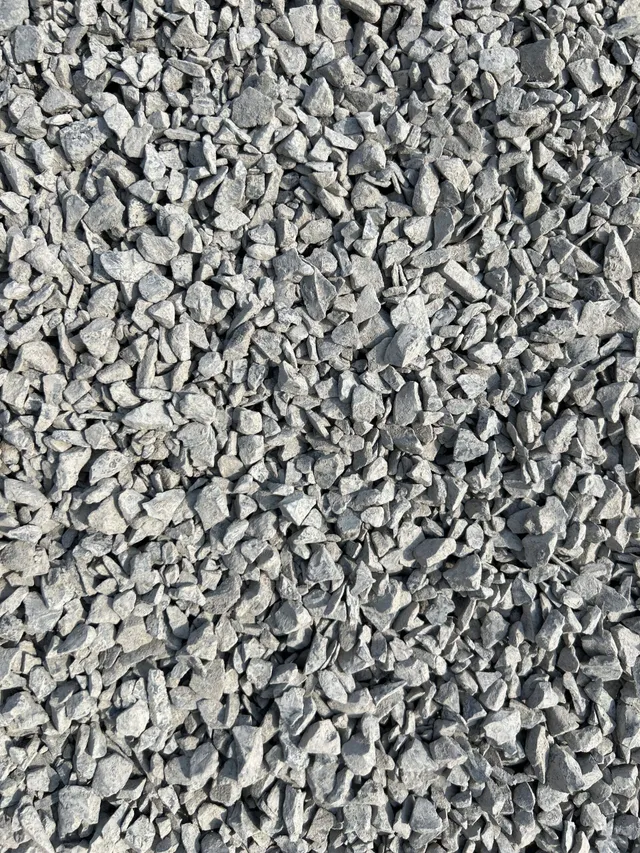
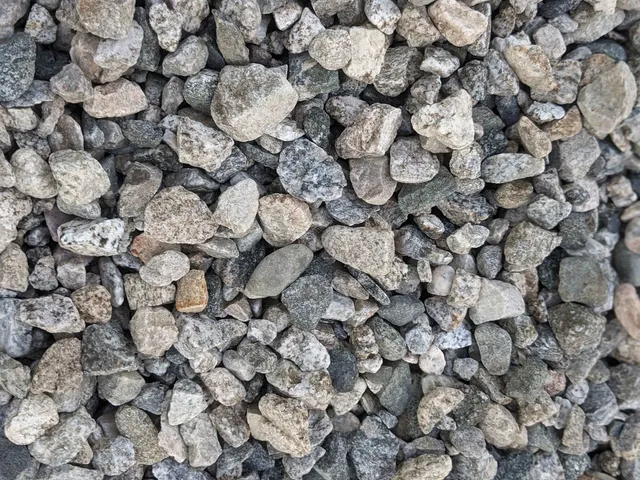
Natural materials vary by region, so color and texture may differ from photos; if you have concerns, contact our team promptly and before the material is dispatched. We will work with local suppliers to address issues and will follow our order and refund policies as applicable; changes are easier to make before dispatch but not always possible once the hauler is en route.
How is the material delivered?
Materials are delivered by dump truck directly to your driveway or job site, placed exactly where you need them.
Will the material arrive in a Hello Gravel dump truck?
We work with a network of vetted partner haulers in your area. Every driver meets our quality and safety standards, regardless of the truck branding.
Can I find the same material cheaper somewhere else?
Our pricing is competitive with local quarries and landscape supply yards, and delivery is included. No trips to the store, no rental trucks, no loading bags yourself.
How soon can I get the materials delivered?
Order by noon on a weekday and we deliver the next business day. You choose your delivery date at checkout, and we confirm availability based on your location.