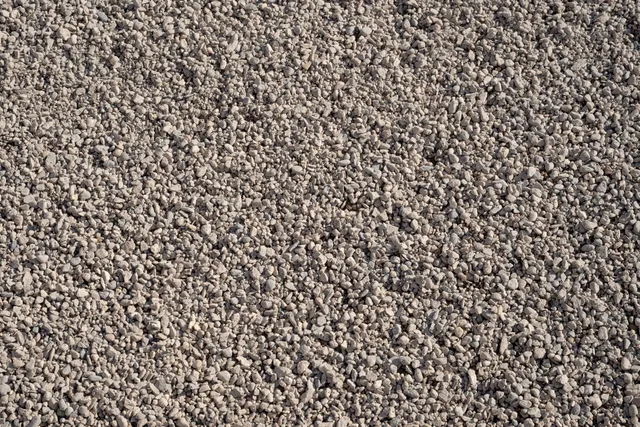
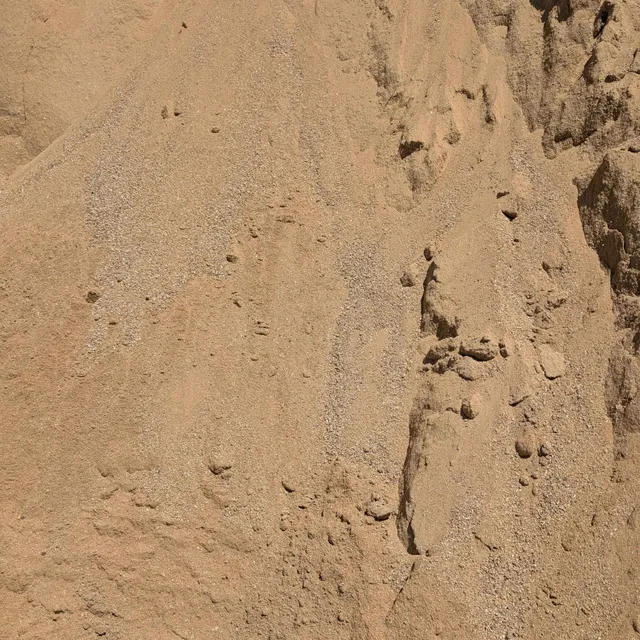
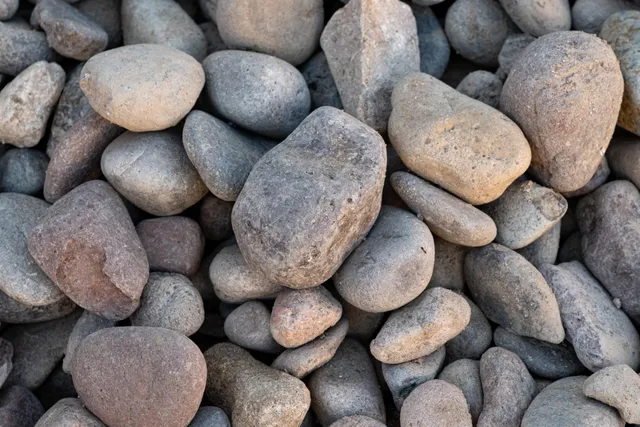
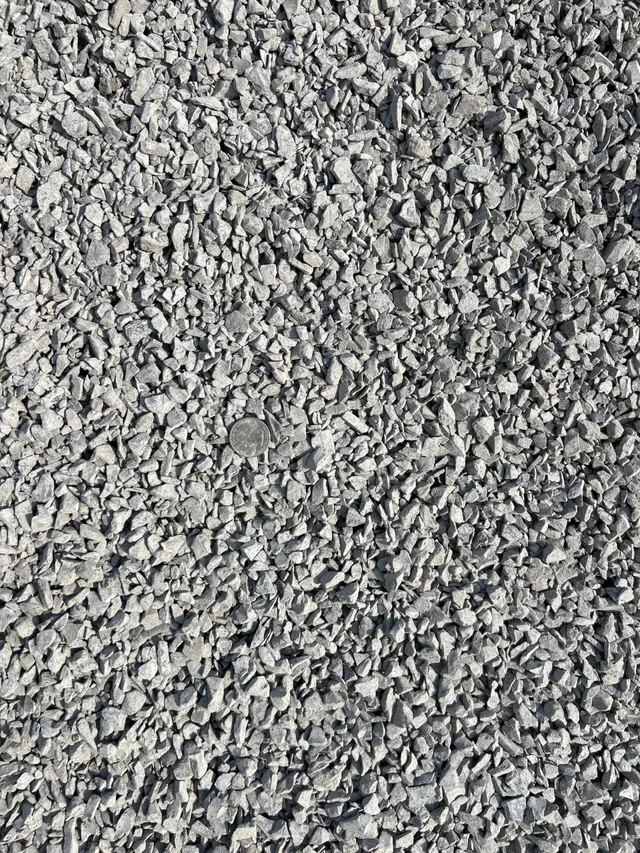
Bulk gravel, sand, fill dirt & topsoil delivery in State Center, IA
free delivery · you pick the date
Find local aggregate delivery near you in West Iowa. Compare prices on gravel, sand, fill dirt, topsoil, stone, crushed concrete and other construction material, all delivered to State Center.
Find local aggregate delivery near you in West Iowa. Compare prices on gravel, sand, fill dirt, topsoil, stone, crushed concrete and other construction material, all delivered to State Center.
Find Your Material
Browse our products or take our quiz to find the right material for your project.
Calculate Amount Needed
Use our calculator to determine quantity. Calculator found on any product page.
Schedule Delivery
Choose your preferred date and time frame. Place your order online. We will call to confirm within 24 hours.
Materials Delivered
We source materials locally through our trusted supplier network and deliver straight to your home or job site in State Center.
Why State Center Chooses Hello Gravel
Trusted by homeowners and contractors throughout State Center
Reliable Local Delivery
On-time delivery from vetted local suppliers you can trust.
High Quality Standards
Materials are quality checked to ensure 100% satisfaction.
Local Support Team
We will be with you through delivery. Call us any time if you need to make any changes to your order.
Next-Day Delivery
Order by noon on a weekday and we deliver the next business day. You pick the delivery date at checkout.
Real deliveries near State Center
Delivered around State Center, IA
Bulk gravel, stone, sand, and mulch delivered across State Center and nearby — search your ZIP to see deliveries in your area.
Loading deliveries…
Local Insights
What to know about State Center
Why State Center homeowners choose Hello Gravel
State Center is a small but active community (city population 2,350) experiencing steady, modest growth at 0.40% annually. That slow, consistent expansion keeps demand for home improvements, driveways, garden projects, and small-scale construction steady rather than boom-and-bust. With 228 sunny days per year, 34.25 inches of annual rainfall, and a hardiness zone of 8b, the local climate supports longer planting seasons and milder winters; homeowners often invest in year-round outdoor living spaces, erosion control, and durable surfacing. In this environment, quality bulk materials — from base soils and sand to mulch and stone — matter because they influence drainage, stability, and long-term maintenance. Choosing the right gradation and buying adequate quantities reduces settling, prevents erosion, and helps projects perform well in State Center’s specific weather patterns.
Popular projects in State Center this season
Driveway Resurfacing - 12 tons of aggregate
Backyard Pathway Installation - 8 tons of base material
Yard Grading and Drainage - 10 tons of fill dirt
Garden Bed Preparation - 6 tons of topsoil mix
Commercial Lot Base Prep - 20 tons of base material
State Center quick facts
Location
West Iowa
Population
2,350
Metro Area
2.5+ million
Annual Rainfall
34.25 inches
Sunny Days
228/year
Hardiness Zone
8b
Growth Rate
0.40% annually
Best times for State Center projects
Stable Fall Conditions
Spring Thaw Window
Peak Project Season
Winter Weather Limits
Trusted by homeowners nationwide
1,550+ customer reviews on Google & our site
Marian
18 hours ago
Bellville, Texas
I needed 18 tons of dirt immediately and our local source didn't have it and recommended Hello Gravel. I'm so glad they did! Not only did they deliver what I needed, they did it earlier than planned and at a very reasonable cost. But what impressed me most was their OUTSTANDING communication. Andre even sent me a picture of the dirt I was getting! I wish every contractor would communicate like Hello Gravel. Don't hesitate to hire them. I'm saving their info in my phone because they are THAT good.
October 23, 2026
Russell E.
2 days ago
Verified
The price for my product was good and the delivery was excellent. The delivery driver did exactly as I requested under very difficult conditions. I highly recommend this company!
October 22, 2026
Nick S.
2 days ago
Verified
no surprises and great service
October 21, 2026
02
State Center delivery questions
What materials work best for driveways and walkways in State Center?
It depends on use, budget, and drainage. For most driveways and walkways, choose materials that compact well and shed water; many homeowners in State Center use mixes of gravel, sand, dirt, stone depending on the desired look and load. Consider traffic level (light foot traffic vs vehicle use) and plan for a proper base and edge restraint to extend life. If you are unsure, use the aggregate quiz or contact our team for guidance.
How do I pick landscaping materials for State Center's freeze-thaw climate?
Select materials that drain well and resist frost heave, and avoid mixes that retain excessive moisture. Well-graded aggregates and stable stone bases work better through freeze-thaw cycles than fine, silty fills. Make sure the project has good slope and drainage away from foundations, and consider adding geotextile fabric under heavy-use areas to improve stability. Regional sourcing means coloration and texture may vary, so order a small sample if appearance matters.
When is the best time of year to schedule driveway or landscaping work in State Center?
The best window is generally late spring through early fall when ground is thawed and drier for compaction and grading. Avoid installing base layers on frozen ground or during heavy rains, which can prevent proper compaction and cause settling. Plan deliveries to avoid extreme weather and check local forecasts before your delivery date. Next-day delivery is available for orders placed before noon CST if you need a faster turnaround.
Do suppliers deliver to State Center and nearby West Iowa towns, and what affects delivery fees?
Hello Gravel works with local suppliers and haulers that commonly serve State Center and surrounding towns; check your zip code to confirm availability. Delivery fees vary based on distance from the quarry or yard, load size, site access, and whether special equipment or permits are needed; some areas qualify for free delivery. Minimum orders typically start around 3 tons and deliveries are made with dump trucks. You can view transparent pricing at checkout or request a quote for unusual access or offload needs.
How much should I budget for bulk material delivery in State Center or West Iowa?
Costs depend on material type, quantity, distance, and site conditions rather than a fixed City rate. Expect pricing to include material cost plus delivery, and additional fees for next-day service, restricted access, or long-distance hauling. Use our online quote or calculator for an itemized estimate, or contact our sales team for a detailed quote. Keep in mind regional sourcing means material availability and prices can fluctuate seasonally.
How do I estimate how much material I need for a driveway, patio, or garden?
Measure the area (length x width) and decide the depth you need (in inches), then convert to cubic yards: area(ft2) x depth(ft) ÷ 27 = cubic yards. To convert to tons, multiply cubic yards by a density factor (rough guide: 1 cubic yard = about 1.2 to 1.6 tons depending on the material); always round up and add 5-10% for compaction and waste. For accurate results, use our online material calculator or contact our team with your measurements. Minimum orders generally start at 3 tons, so plan accordingly.
Do I need a permit or municipal approval for a new driveway in State Center?
Permit requirements vary by municipality and sometimes by homeowner association, so check with State Center city hall or Marshall County before starting work. Commonly regulated items include curb cuts, driveway width, and stormwater runoff which may require a permit or inspection. If your project connects to a public street or affects drainage, contact local public works for guidelines. Our team can help you plan but cannot secure permits on your behalf.
Should I hire a contractor or tackle a small outdoor project myself in State Center?
For small projects like topping a path or adding a few tons of material, a DIY approach can save money if you have the time and tools. Larger jobs that require grading, compaction, or heavy equipment are typically faster and more reliable with a contractor who understands local soils and drainage. Consider labor, equipment rental, and the value of time when comparing DIY and contractor costs. Hello Gravel can supply materials to either homeowners or contractors and can help estimate quantities.
What materials and methods help control drainage and erosion in State Center yards?
Use well-graded aggregates, larger stone for channels, and establish stable base layers to redirect runoff and resist erosion. Combine materials such as gravel, sand, dirt, stone along with geotextile fabric, swales, retaining edges, or vegetated buffers to slow water and promote infiltration. Proper slope and outlet points are critical—avoid directing water toward foundations or neighboring properties. If erosion is severe, consult a contractor or civil engineer to design a long-term solution.
How is material delivered and can drivers spread it on arrival in State Center?
Materials are typically delivered by dump truck (often tri-axle) and placed where you direct the driver, subject to truck access and safety. Tailgate spreading may be requested at checkout, but drivers perform spreading only at their discretion and no spreading guarantees are provided. Mark your drop location clearly, remove obstacles, and communicate any access concerns before delivery to avoid delays or additional fees. Standard delivery requires at least 2 business days, with next-day options available for qualifying orders.
How should I store bulk materials on site in State Center weather?
Keep materials off wet or frozen ground on a plastic sheet or pallet when possible and cover them with tarp if rain is expected to prevent washing and contamination. Use materials promptly to avoid frost or freeze-thaw damage, and avoid mixing different materials in the same pile. For longer storage, maintain access for loaders and protect from runoff or sediment loss. If you need staging advice, our team can recommend the best handling for your material and schedule.
What maintenance should I plan for driveways and landscape materials in Iowa over time?
Expect periodic regrading, adding fresh aggregate, and addressing low spots after winter and heavy rains, especially in freeze-thaw climates. Keep drainage channels clear, repair eroded edges, and replace material where it has migrated or compacted excessively. For high-traffic areas, plan on adding material every few years and re-compacting as needed. Regular inspections each spring will catch problems early and reduce long-term maintenance costs.
How is the material delivered?
Materials are delivered by dump truck directly to your driveway or job site, placed exactly where you need them.
Will the material arrive in a Hello Gravel dump truck?
We work with a network of vetted partner haulers in your area. Every driver meets our quality and safety standards, regardless of the truck branding.
Can I find the same material cheaper somewhere else?
Our pricing is competitive with local quarries and landscape supply yards, and delivery is included. No trips to the store, no rental trucks, no loading bags yourself.
How soon can I get the materials delivered?
Order by noon on a weekday and we deliver the next business day. You choose your delivery date at checkout, and we confirm availability based on your location.