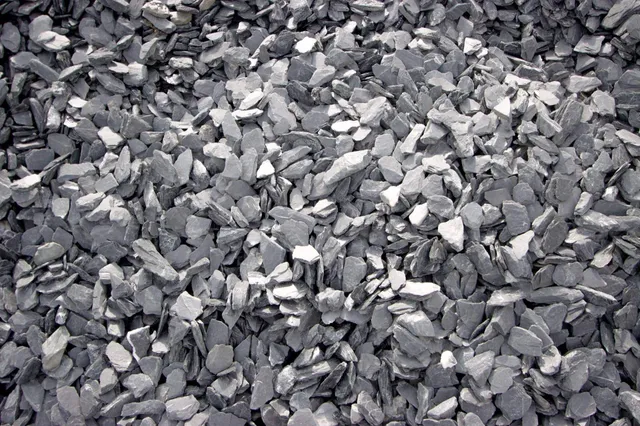
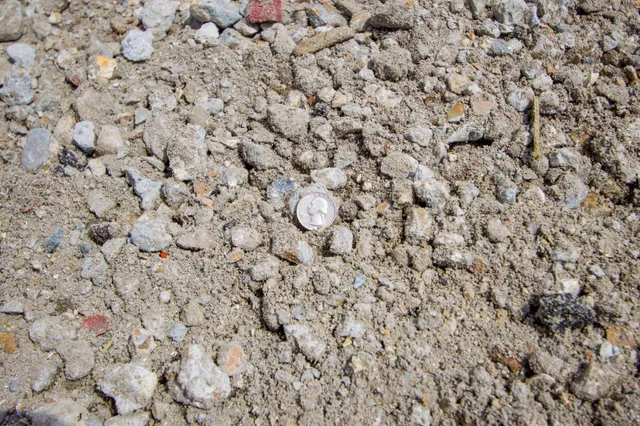
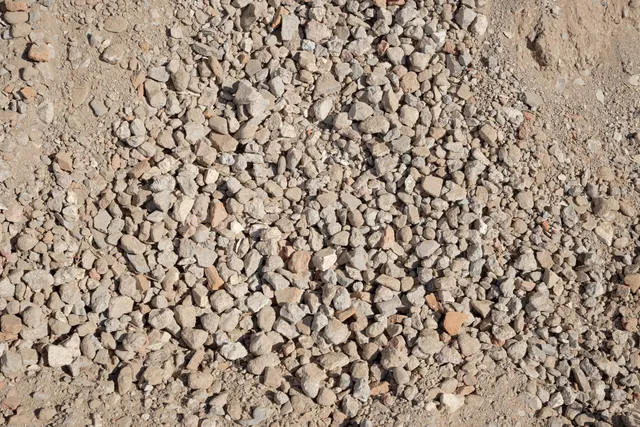
Bulk gravel, sand, fill dirt & topsoil delivery in Clayton County, IA
free delivery · you pick the date
Find local aggregate delivery near you in Iowa Region. Compare prices on gravel, sand, fill dirt, topsoil, stone, crushed concrete and other construction material, all delivered to Clayton County.
Find local aggregate delivery near you in Iowa Region. Compare prices on gravel, sand, fill dirt, topsoil, stone, crushed concrete and other construction material, all delivered to Clayton County.
Find Your Material
Browse our products or take our quiz to find the right material for your project.
Calculate Amount Needed
Use our calculator to determine quantity. Calculator found on any product page.
Schedule Delivery
Choose your preferred date and time frame. Place your order online. We will call to confirm within 24 hours.
Materials Delivered
We source materials locally through our trusted supplier network and deliver straight to your home or job site in Clayton County.
Why Clayton County Chooses Hello Gravel
Trusted by homeowners and contractors throughout Clayton County
Reliable Local Delivery
On-time delivery from vetted local suppliers you can trust.
High Quality Standards
Materials are quality checked to ensure 100% satisfaction.
Local Support Team
We will be with you through delivery. Call us any time if you need to make any changes to your order.
Next-Day Delivery
Order by noon on a weekday and we deliver the next business day. You pick the delivery date at checkout.
Real deliveries near Clayton County
Delivered around Clayton County, IA
Bulk gravel, stone, sand, and mulch delivered across Clayton County and nearby — search your ZIP to see deliveries in your area.
Loading deliveries…
Local Insights
What to know about Clayton County
Why Clayton County homeowners choose Hello Gravel
Clayton County's city population is 17,000, and the surrounding metro area supports growth and demand with a metro area population of 2.5+ million. A steady growth rate of 2.50% annually means more new builds, yard remodels, and routine infrastructure work—so homeowners should expect rising demand for basic bulk materials like sand, soil, stone, mulch, and general aggregates. With 228 sunny days per year and annual rainfall of 33.50 inches, local projects balance between dry-season workability and the need for good drainage during wetter periods. The hardiness zone of 8b points to moderate temperatures and favorable landscaping conditions, which encourages planting and outdoor upgrades. In this environment, quality, regionally sourced bulk materials matter: they reduce rework, perform predictably under local weather cycles, and help contractors and DIYers finish jobs on schedule despite seasonal swings.
Popular projects in Clayton County this season
Driveway Resurfacing - 15 tons of aggregate
Pathway Installation - 8 tons of base material
Yard Grading & Leveling - 12 tons of fill dirt
Garden Bed Preparation - 6 tons of topsoil
Property Drainage Improvement - 10 tons of landscaping mix
Clayton County quick facts
Location
Iowa Region
Population
17,000
Metro Area
2.5+ million
Annual Rainfall
33.50 inches
Sunny Days
228/year
Hardiness Zone
8b
Growth Rate
2.50% annually
Best times for Clayton County projects
Stable Fall Conditions
Early Spring Prep
Peak Project Season
Winter Weather Limits
Trusted by homeowners nationwide
1,550+ customer reviews on Google & our site
Marian
1 day ago
Bellville, Texas
I needed 18 tons of dirt immediately and our local source didn't have it and recommended Hello Gravel. I'm so glad they did! Not only did they deliver what I needed, they did it earlier than planned and at a very reasonable cost. But what impressed me most was their OUTSTANDING communication. Andre even sent me a picture of the dirt I was getting! I wish every contractor would communicate like Hello Gravel. Don't hesitate to hire them. I'm saving their info in my phone because they are THAT good.
October 23, 2026
Russell E.
2 days ago
Verified
The price for my product was good and the delivery was excellent. The delivery driver did exactly as I requested under very difficult conditions. I highly recommend this company!
October 22, 2026
Nick S.
2 days ago
Verified
no surprises and great service
October 21, 2026
02
Clayton County delivery questions
What materials are most commonly used for driveways, patios, and landscaping in Clayton County?
Homeowners and contractors in Clayton County typically use a mix of gravel, sand, dirt, and stone for driveways, patios, and landscaping. These materials serve as base layers, surfacing, bedding, and drainage solutions depending on the project, and regional sourcing means color and texture can vary.
How do I choose the right material for my project in Clayton County?
Choose based on the job: load-bearing surfaces (driveways) generally need denser, well-graded material, while patios and planting beds often use finer bedding and base mixes for stability and drainage. Consider drainage needs, local soil, desired appearance, and budget, and use our material calculator or contact our team for a recommendation tailored to your zip code.
How do local soil types and terrain in Clayton County influence material selection for erosion control and drainage?
Clayton County’s local geology and variable terrain can affect how water drains and how materials settle over time, so coarser, well-draining mixes are often recommended on slopes and in wet spots. Finer materials or mixes with some fines can help stabilize areas with loose topsoil, but final selection should reflect the specific site conditions and local supplier recommendations.
What seasonal factors should I consider when scheduling material delivery and outdoor installations in Clayton County?
Spring can bring muddy roads and limited site access after thaw and rains, while winter may limit placement if the ground is frozen; summer and fall usually offer the most predictable conditions for deliveries and installs. Plan earlier in busy seasons, allow extra time for scheduling, and pick a delivery date when site access and weather are favorable.
What delivery areas, road restrictions, or permits should I expect for bulk material deliveries in Clayton County?
Delivery availability depends on your zip code and local supplier coverage; many rural roads in the county have narrow lanes, low-clearance bridges, or weight limits that can affect dump truck access. Check for local permits, HOA rules, or municipal restrictions before ordering, provide a clear drop location, and note that drivers will assess access and may refuse unsafe offloads.
What are typical price ranges for bulk aggregates and landscaping materials around Clayton County?
Prices vary by material type, quantity, delivery distance, and season, but you can generally expect regional retail ranges that vary by material density and finish (for example, lower-cost base mixes up to higher-cost decorative blends). Hello Gravel offers transparent pricing by zip code—enter your zip to see exact per-ton or per-yard pricing for your project.
Do suppliers or drivers offer spreading, grading, or compaction after delivery in Clayton County?
Some drivers may be able to perform limited tailgate spreading at their discretion if requested at checkout, but this is not guaranteed and depends on site safety and truck capabilities. For grading, compaction, or precise spreading, we recommend hiring a local contractor; our network can help connect you to local pros when needed.
How much material should I order and how do I calculate quantities for my Clayton County project?
A common approach is to calculate cubic yards using length x width x depth (in feet) divided by 27, then convert to tons using the material’s density; densities vary, so one cubic yard commonly ranges about 1.2 to 1.6 tons depending on the material. Use our online material calculator or contact our team for a tailored estimate and consider ordering an extra 5-10% for waste and compaction.
How is the material delivered?
Materials are delivered by dump truck directly to your driveway or job site, placed exactly where you need them.
Will the material arrive in a Hello Gravel dump truck?
We work with a network of vetted partner haulers in your area. Every driver meets our quality and safety standards, regardless of the truck branding.
Can I find the same material cheaper somewhere else?
Our pricing is competitive with local quarries and landscape supply yards, and delivery is included. No trips to the store, no rental trucks, no loading bags yourself.
How soon can I get the materials delivered?
Order by noon on a weekday and we deliver the next business day. You choose your delivery date at checkout, and we confirm availability based on your location.