
Topsoil & Mulch delivery in Plantation Park, FL
free delivery · you pick the date
Need topsoil & mulch delivered in Plantation Park? Order bulk topsoil & mulch near you with same-day delivery. Compare prices on premium topsoil & mulch for your construction or landscaping project.
Where are you located?
Enter your zip code for local pricing
Need exact quantities? Use the topsoil & mulch calculator →
See delivered prices in Plantation Park
Free delivery. You pick the date.
Prefer to talk? Call 855-241-8884Mon–Fri 7:00 AM–6:00 PM, Sat 8:00 AM–2:00 PM CT
Before you call
A ZIP helps us pull the right prices. Material and size can wait.
- 47 deliveries within 25 miles
- Free delivery, you pick the date
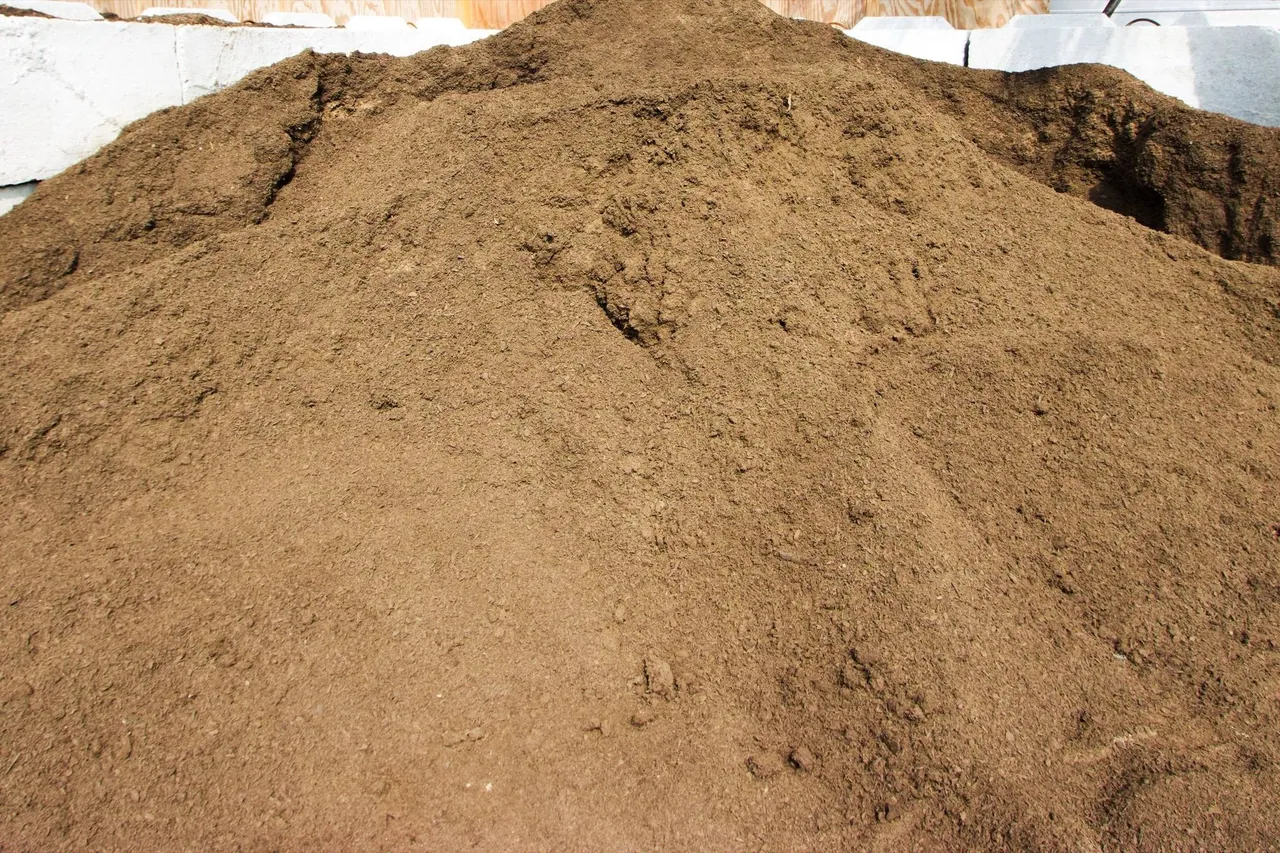
Topsoil & Mulch in Plantation Park
Topsoil
Screened, nutrient-rich topsoil perfect for establishing new lawns, filling garden beds, and improving existing soil. The foundation of any successful planting project.
Prices are ZIP-regional — enter yours for an all-in delivered price.
How It Works
How Hello Gravel Works?
Simple, fast, and reliable topsoil & mulch delivery in Plantation Park
Find Your Material
Browse our products or take our quiz to find the right material for your project.
Calculate Amount Needed
Use our calculator to determine quantity. Calculator found on any product page.
Schedule Delivery
Choose your preferred date and time frame. Place your order online. We will call to confirm within 24 hours.
Materials Delivered
We source materials locally through our trusted supplier network and deliver straight to your home or job site in Plantation Park.
Why Plantation Park Chooses Hello Gravel
Trusted by homeowners and contractors throughout Plantation Park
Reliable Local Delivery
On-time delivery from vetted local suppliers you can trust.
High Quality Standards
Materials are quality checked to ensure 100% satisfaction.
Local Support Team
We will be with you through delivery. Call us any time if you need to make any changes to your order.
Next-Day Delivery
Order by noon on a weekday and we deliver the next business day. You pick the delivery date at checkout.
Local Insights
What to know about Plantation Park
Why Plantation Park homeowners choose Hello Gravel
Plantation Park has a city population of 9,122 and is growing steadily at a rate of 1.80% annually. With 228 sunny days per year, 34.00 inches of annual rainfall, and a hardiness zone of 8b, local yards move quickly from bare soil to full plantings. That steady residential growth and the region's mix of sun and seasonal rain increase demand for reliable landscaping materials: homeowners need top-quality topsoil for new lawns, raised beds, and grading, and durable mulch to retain moisture and suppress weeds. Builders and remodelers also rely on consistent bulk materials when preparing sites for patios, drainage beds, and planting strips. Clear quantities, prompt delivery, and materials suited to Florida's sun and storms are top priorities for Plantation Park projects.
Popular projects in Plantation Park this season
- Front Yard Topsoil & Mulch Refresh - 8 tons
- Vegetable Bed Topsoil & Mulch Blend - 3 tons
- Sod Prep Topsoil & Mulch - 22 tons
- Tree Line Topsoil & Mulch Planting - 6 tons
- Swale Topsoil & Mulch Erosion - 25 tons
Plantation Park quick facts
- Location
- Plantation Park, Florida
- Population
- 9,122
- Metro Area
- 2.3+ million
- Annual Rainfall
- 34.00 inches
- Sunny Days
- 228/year
- Hardiness Zone
- 8b
- Growth Rate
- 1.80% annually
- Delivery Coverage
- Citywide delivery available
Best times for Plantation Park projects
- Stable Fall Moisture
- Ideal Spring Establishment
- Heavy Rain Risk
- Reduced Growth Period
Local handoff
Want help with topsoil & mulch in Plantation Park?
Share your ZIP and what you need help with. We'll use this page as context when we follow up.
- Share the page context so we know what you were looking at.
- Ask about pricing, material choice, delivery timing, or quantity.
- Keep it simple if you are not sure what you need yet.
02
Topsoil & Mulch delivery questions
What type of mulch works best in Plantation Park, FL?
In Plantation Park's warm, humid climate, organic mulches like shredded pine bark, pine straw, or hardwood bark perform well because they hold moisture and break down to feed sandy local soils. Pine straw and shredded bark resist washing during heavy rains and are favored around shrubs and flower beds. Native landscaping pros also use coarse wood chips for tree rings and pathways to reduce maintenance.
Should I use mulch or rocks for landscaping in Plantation Park?
For planted beds in Plantation Park, mulch is generally better because it conserves soil moisture, cools roots, and adds organic matter as it decomposes. Rocks work for driveways, drainage areas, or modern xeriscapes but can increase heat around plants and do not improve soil fertility. Consider mixing both: rock in high-traffic or drainage spots, mulch in planting areas.
When is the best time to put mulch down in Plantation Park?
You can mulch year-round in Plantation Park, but the most practical times are in spring after soil warms and again in late summer to help conserve moisture through the drier months. Avoid laying fresh mulch right before heavy, prolonged rains or during active hurricane threats to prevent washout. Apply mulch after planting and after beds are weeded for best results.
What kind of topsoil should I use for gardens in Plantation Park?
Plantation Park soils are typically sandy and benefit from topsoil mixes with added organic matter. Use a planting mix of screened topsoil blended with compost (a common guideline is about 70% topsoil to 30% compost) to improve water retention and nutrients for vegetables and ornamentals. For raised beds or high-value plantings, choose screened, certified topsoil or an amended planting mix for consistent results.
What is the 3-3-3 rule for mulching trees and shrubs?
The 3-3-3 rule is a simple guideline: apply about 3 inches of mulch, spread it to a radius of about 3 feet (or wider as the tree grows), and keep the mulch about 3 inches away from the trunk or stem. This depth helps retain moisture and suppress weeds without suffocating roots, while the gap prevents rot and pest problems at the trunk base. Adjust the radius for larger trees and avoid piling mulch in volcano shapes.
What makes a low-maintenance landscape in Florida using mulch and topsoil?
A low-maintenance landscape in Plantation Park uses native or drought-tolerant plants, a 2-3 inch mulch layer to reduce weeds and watering, and amended topsoil where you plant to improve establishment. Group plants by water needs, use drip irrigation if needed, and choose coarser organic mulch for tree rings and finer mulch for flower beds. This approach cuts watering, pruning, and weeding time while keeping the yard healthy in Florida heat.
What is the rule of three in landscaping and how does it relate to mulching?
The landscaping 'rule of three' usually refers to design balance: group plants and features in odd numbers for visual appeal, often in threes. When mulching, use that same idea by creating three distinct zones: planting beds with organic mulch, a transition zone with groundcover, and hardscape areas like paths or gravel. This helps organize materials and makes maintenance tasks such as mulching or topdressing more manageable.
Is October too late to mulch in Plantation Park?
No, October is not too late to mulch in Plantation Park; fall mulching can help retain moisture and moderate soil temperature heading into the cooler months. Because South Florida has mild winters, mulching in October is common, but watch for tropical storms and heavy rain that can wash mulch away. If you expect storms, secure or delay fresh mulch until conditions settle.
Which is cheaper: mulch or gravel for Landscaping in Plantation Park?
Costs vary by material and local availability, but organic mulch is often less expensive per cubic yard than decorative gravel. As a rough local range, common mulches run about $20 to $50 per cubic yard, while decorative gravels often cost $30 to $70 per cubic yard. Remember mulch decomposes and needs replenishing every 1-3 years, so consider lifecycle cost when comparing.
What are common disadvantages of mulching in Plantation Park?
Five common downsides are: mulch can hide pests and provide habitat for rodents if piled against structures; over-application may suffocate roots or cause crown rot; some bulk mulches contain weed seeds or weed fragments; organic mulch breaks down and needs regular replenishing; and lightweight mulch can wash away in heavy rain or storms. Proper depth, good material choice, and keeping mulch away from trunks minimize these issues.
Can I put new mulch over old mulch in my Plantation Park beds?
Yes, you can add new mulch over old mulch if the existing layer is not compacted, not moldy, and the combined depth will not exceed the recommended 2-3 inches for most beds. Rake out thin, decomposed areas, check for weed growth or pests, and topdress with fresh mulch to restore appearance and function. If the old mulch is very compacted or has disease issues, remove it and replace with fresh material.
How much mulch or topsoil should I order for a yard in Plantation Park?
A practical rule: 1 cubic yard of mulch covers about 108 sq ft at a 3-inch depth (or about 324 sq ft at 1 inch). For topsoil, use the same coverage math: multiply area (sq ft) by desired depth (inches), divide by 324 to get cubic yards. Confirm local availability and delivery minimums when ordering—Hello Gravel recommends checking your zip code and selecting a delivery date before purchase.
How do regional soil differences in Florida affect mulch and topsoil choices for Plantation Park?
Florida soils vary: northern and central areas often have more clay and organic soils, while South Florida, including Plantation Park, is typically sandy with low organic matter. That means Plantation Park homeowners should plan to use screened or amended topsoil and organic mulches to build fertility and water-holding capacity. Add compost or choose aged mulch products to speed soil improvement for gardens and lawns.
Why might the material look different from the image?
Natural stone and aggregate vary slightly in color, texture, and size between quarry batches. This is normal and doesn't affect performance; photos represent typical appearance.
Can you help me figure out what material I need?
Absolutely. You can browse our project guides, use our material quiz, or call us directly. We're happy to help you pick the right material for your project.
What is the minimum order size?
The minimum order is 1 ton, or 1 cubic yard for mulch and soil products. That covers a single garden bed or a short stretch of path, so small jobs are welcome alongside large ones.
How do I calculate how much material I need?
Our free material calculator converts your project dimensions into the exact tons or cubic yards you need, so you order the right amount with no guesswork.
Ready for topsoil & mulch in Plantation Park?
Enter your ZIP for an all-in delivered price — you pick the date.
Get topsoil & mulch pricing