
How to Keep Fill Dirt From Washing Away in 2026
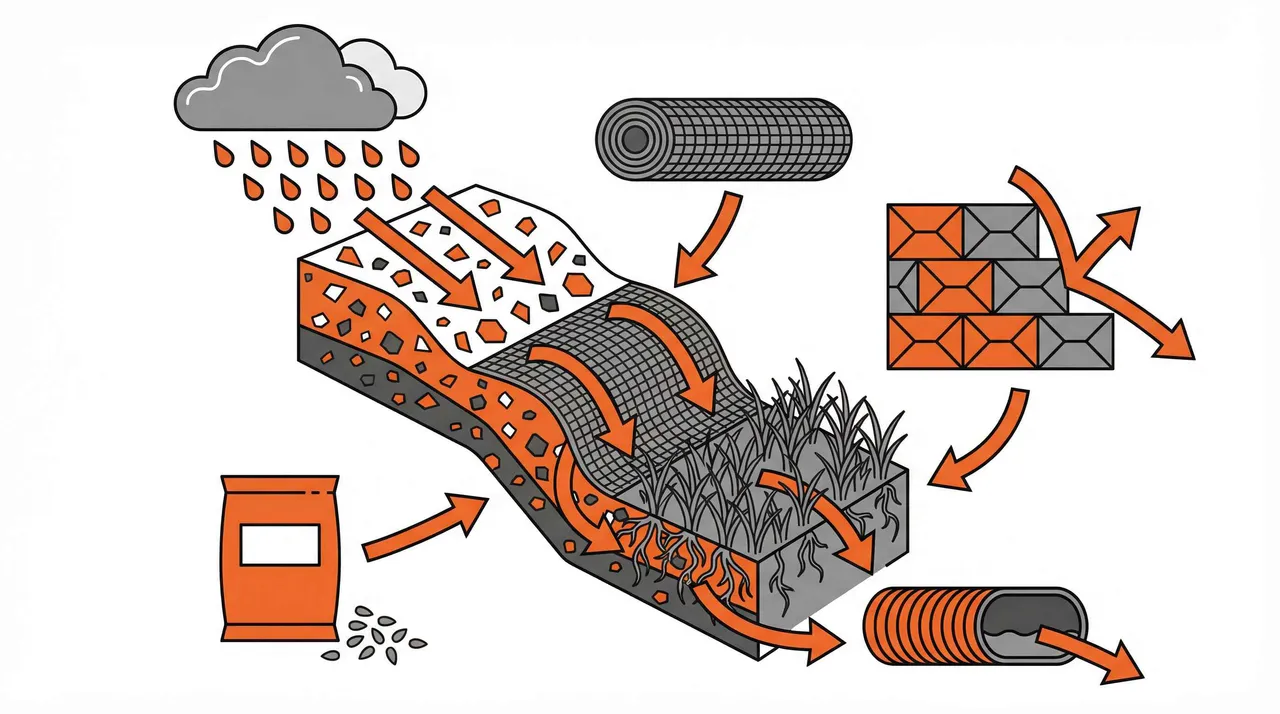
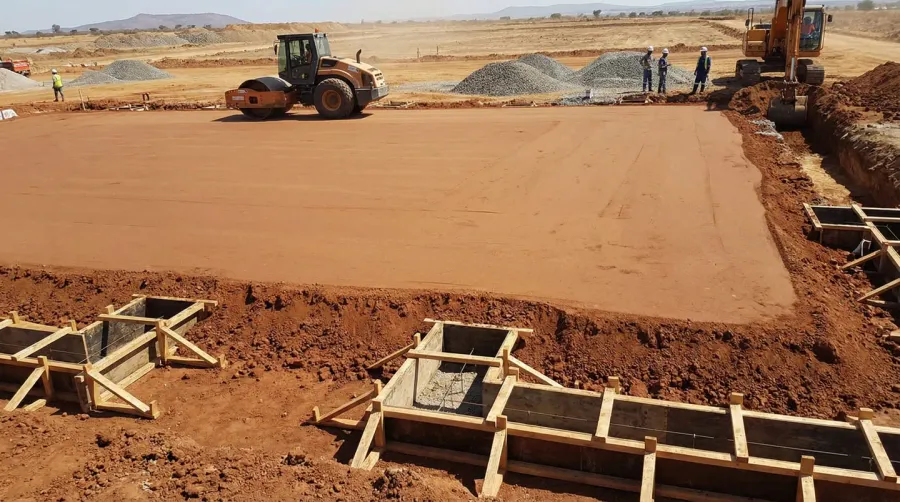
Understanding how to protect fill dirt from washing away is essential for any successful construction or landscaping project. Whether you’re dealing with sandy soil on a slope or clay-heavy fill dirt in a wet climate, the right approach can save you thousands in repairs and project delays.
The short answer is yes, fill dirt can wash away under certain conditions, but this is entirely preventable with proper planning and execution. The key factors that determine erosion risk include soil composition, slope grade, compaction quality, and the protective measures you implement.
Quick Fact: Sandy fill dirt is 3-4 times more susceptible to erosion than clay-based fill dirt, but proper compaction can reduce this risk by up to 80%.
About Hello Gravel
Hello Gravel delivers bulk gravel, rock, dirt, and sand by the ton. Enter your ZIP code to see prices with delivery included. A local dump-truck driver places the load where access is safe; spreading is not included.
Understanding fill dirt composition and erosion risk
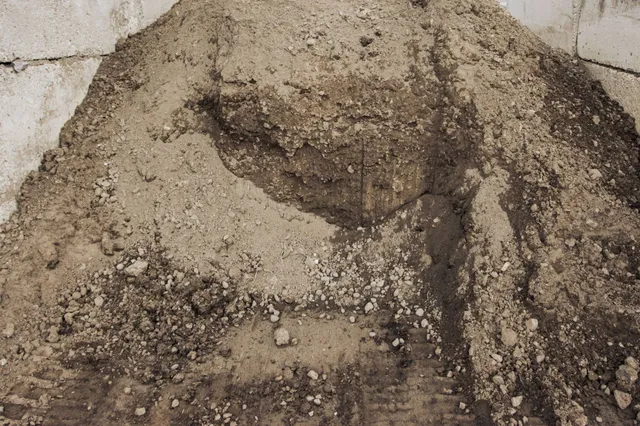
Fill dirt, the subsoil layer beneath topsoil, lacks organic matter that makes it both stable and vulnerable depending on its makeup. hellogravel.com/guides explains that this composition directly affects how water interacts with your soil.
Sandy fill dirt contains larger particles that don’t bind well together, making it prone to washing away during heavy rain. Clay-heavy fill dirt retains water but becomes compacted and stable when properly managed. The ideal fill dirt contains a balanced mix of sand, silt, and clay particles—similar to what you’d find when understanding soil textures.
You can test your fill dirt composition using the jar test method. Fill a clear jar with soil and water, shake it vigorously, then let it settle. The layers that form will show you the proportions of sand, silt, and clay in your material. Understanding these different fill dirt types will help you choose the right protective measures for your project.
Proper compaction techniques that prevent washouts
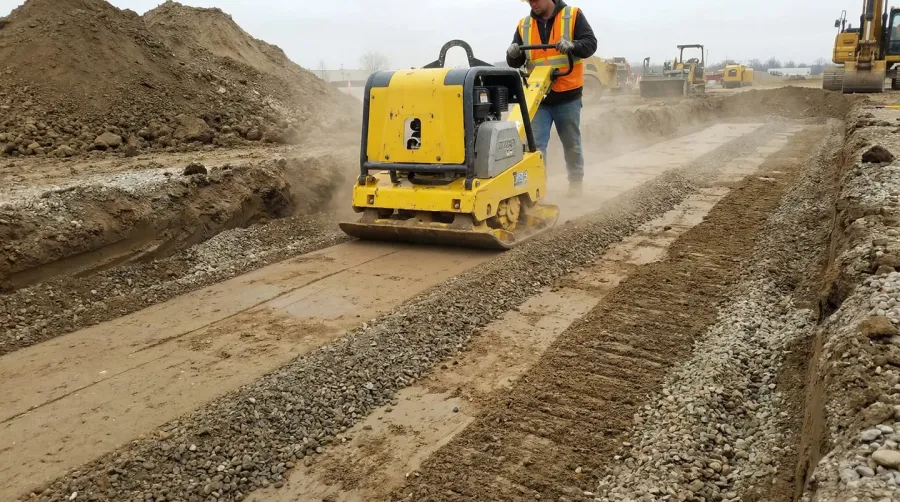
Compaction is your first line of defense against fill dirt erosion. When soil particles are pressed together tightly, water has fewer pathways to create channels that lead to washouts.
The most effective approach involves adding fill dirt in thin layers of 2-3 inches, then compacting each layer before adding the next. Use a plate compactor for small areas or heavy rollers for larger projects. hellogravel.com/guides notes that proper compaction can improve soil stability significantly. Professional fill dirt installation services often use specialized equipment to ensure optimal compaction results.
Pro Tip: Achieve optimal compaction by maintaining soil moisture at 10-12% during the compaction process. Too dry and particles won’t bind; too wet and you’ll create weak spots.
Water the compacted area lightly after completion to help settle any remaining air pockets. This final step often reveals spots that need additional fill dirt or re-compaction.
Slope management and drainage solutions
The steepness of your slope dramatically affects erosion risk. Slopes steeper than 3:1 require special attention and additional protective measures to prevent washouts during heavy rainfall.
For moderate slopes, creating terraced levels can slow water flow and reduce erosion pressure. Install drainage channels or French drains to direct water away from your fill dirt areas. These systems capture runoff before it gains enough speed to carry soil particles away. When using fill dirt for grading, proper drainage planning is essential for long-term stability.
Consider the natural water flow patterns around your property. Position your fill dirt projects to work with gravity rather than against it. Sometimes adjusting your project location by just a few feet can make the difference between success and costly repairs.
| Slope Ratio | Erosion Risk | Recommended Protection |
|---|---|---|
| 4:1 or flatter | Low | Basic compaction |
| 3:1 to 4:1 | Moderate | Compaction + vegetation |
| 2:1 to 3:1 | High | Multiple erosion controls |
| Steeper than 2:1 | Very High | Professional engineering |
Long-term protection strategies
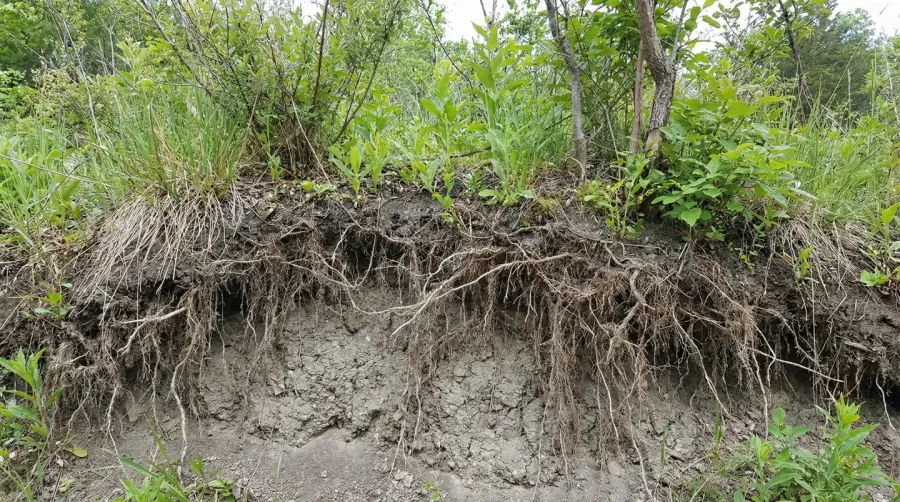
Vegetation provides the most natural and cost-effective long-term protection for your fill dirt. Plant roots create a network that holds soil particles together, while the canopy above reduces the impact of raindrops hitting the ground.
Choose deep-rooted plants like native grasses or shrubs that establish quickly in your climate. Avoid shallow-rooted annuals that die back seasonally, leaving soil exposed during vulnerable periods. If you’re planning to establish a lawn, knowing whether to use fill dirt or topsoil for grass is crucial for success.
Remember: The best time to plant protective vegetation is immediately after your fill dirt project is complete, before the first major rainfall season.
For immediate protection while vegetation establishes, consider erosion control blankets or geotextiles. These materials provide temporary coverage that gradually breaks down as your plants take root and grow.
Regular maintenance keeps your protection systems working effectively. Inspect your fill dirt areas after heavy rains, looking for signs of channeling or settling. Address small problems immediately before they become major washouts. When working on fill dirt for yard projects, regular monitoring ensures your investment remains protected.
The investment you make in proper fill dirt protection pays dividends in project longevity and reduced maintenance costs. By understanding soil composition, using proper compaction techniques, managing water flow, and establishing protective vegetation, you create a stable foundation that withstands weather challenges for years to come.
FAQ
What is the best fill dirt to prevent erosion?
The best fill dirt for preventing erosion contains a balanced mix of sand, silt, and clay particles. Clay-heavy fill dirt is more stable than sandy fill dirt, as sandy soil is 3-4 times more susceptible to erosion. Select fill dirt or engineered fill dirt are superior options that provide better drainage and stability compared to standard fill dirt.
How do you compact fill dirt properly to prevent washouts?
Proper compaction involves adding fill dirt in thin layers of 2-3 inches, then compacting each layer before adding the next. Use a plate compactor for small areas or heavy rollers for larger projects. Maintain soil moisture at 10-12% during compaction for optimal results, and water the area lightly after completion to settle any remaining air pockets.
How much slope is safe for fill dirt areas?
Slopes of 4:1 or flatter have low erosion risk and require only basic compaction. Slopes between 3:1 to 4:1 have moderate risk and need compaction plus vegetation. Slopes steeper than 3:1 require special attention and additional protective measures, while slopes steeper than 2:1 have very high erosion risk and typically require professional engineering solutions.
Does clay fill dirt wash away like sandy fill dirt?
Clay fill dirt is much more resistant to washing away compared to sandy fill dirt. While sandy fill dirt contains larger particles that don’t bind well together, clay-heavy fill dirt retains water and becomes compacted and stable when properly managed. However, proper compaction is still essential for both soil types to prevent erosion.
Materials for this project
Get it delivered — dumped where you need it
Fill Dirt
Grading & Backfill
See delivered price
View product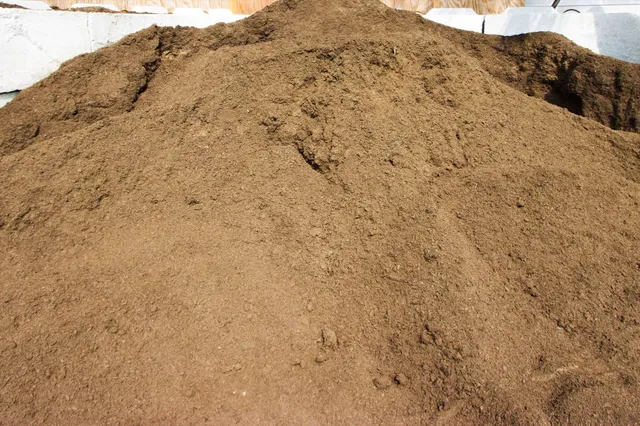
Topsoil
Lawn establishment & Garden beds
See delivered price
View product
Driveway Gravel
Driveways & Parking areas
See delivered price
View product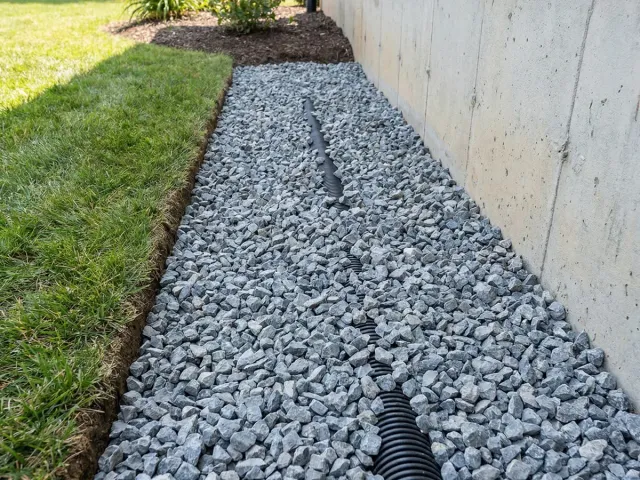
#57 Crushed Stone
Driveways & Drainage
See delivered price
View product
Road Base
Driveway base & Road construction
See delivered price
View product