
Silt vs Sand vs Clay (Soil Texture Guide)
Free local estimate
See delivered prices for your ZIP in 60 seconds
Tell us where the project is and we'll price this material — delivered — for your exact ZIP.
- Real delivered pricing for your ZIP — not a generic range.
- Works for any quantity — driveways, pads, drains, or full projects.
- Prefer to talk? We follow up with local availability and delivery windows.
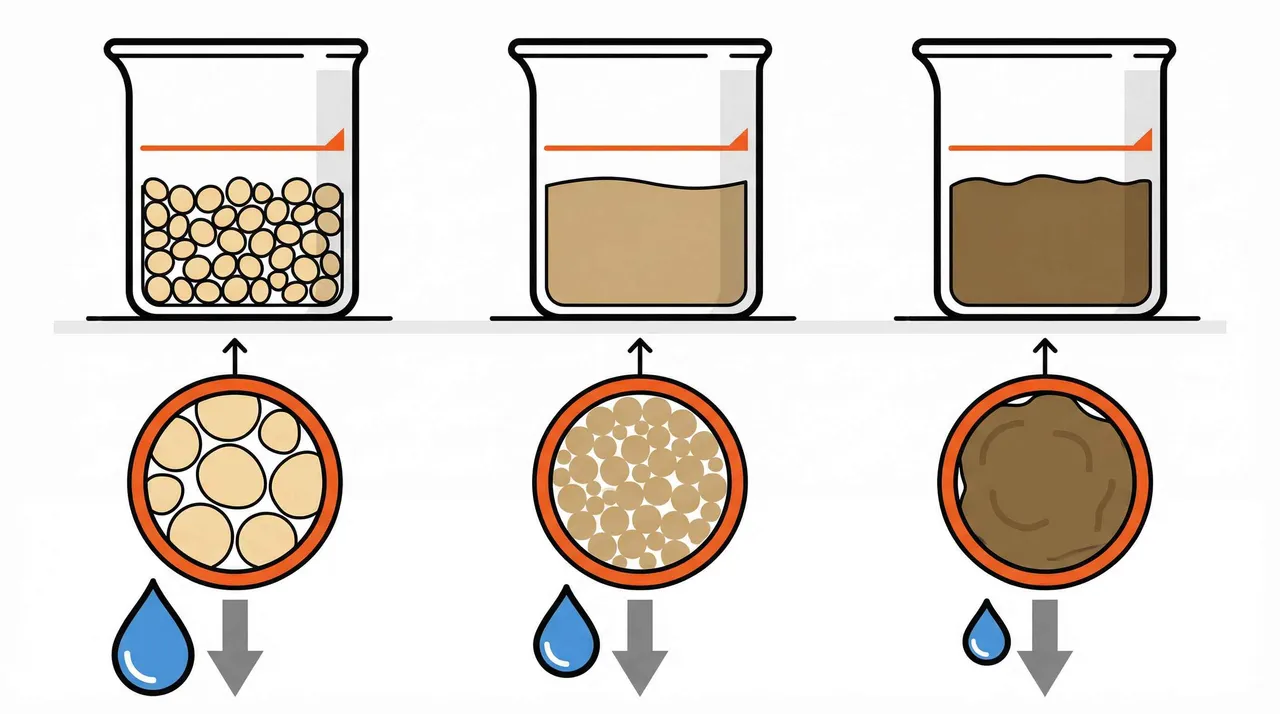
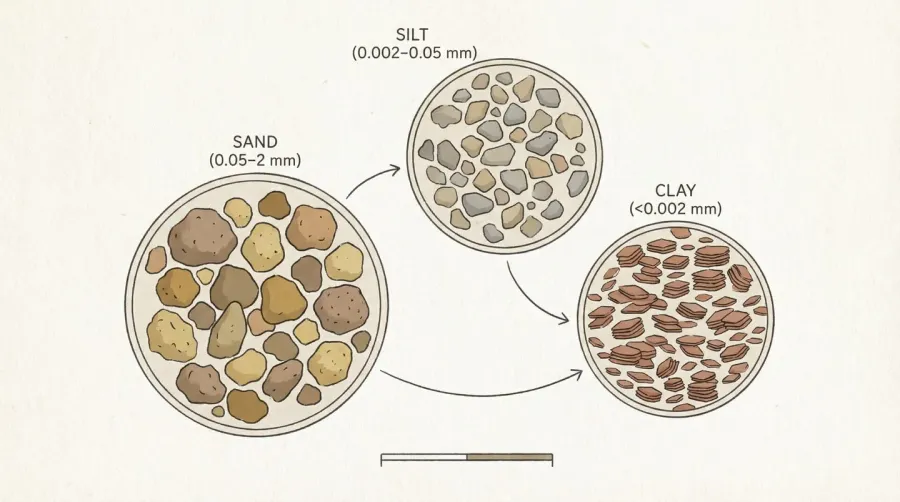
Understanding soil texture can transform your gardening, construction, or agricultural projects. Sand particles range from 0.05-2.0mm, silt particles measure 0.002-0.05mm, and clay particles are smaller than 0.002mm. These size differences create dramatically different properties that affect drainage, nutrient retention, and plant growth.
Quick Fact: Sand drains 10-100 times faster than clay soil due to larger particle spaces, making it ideal for construction but challenging for water-sensitive plants.
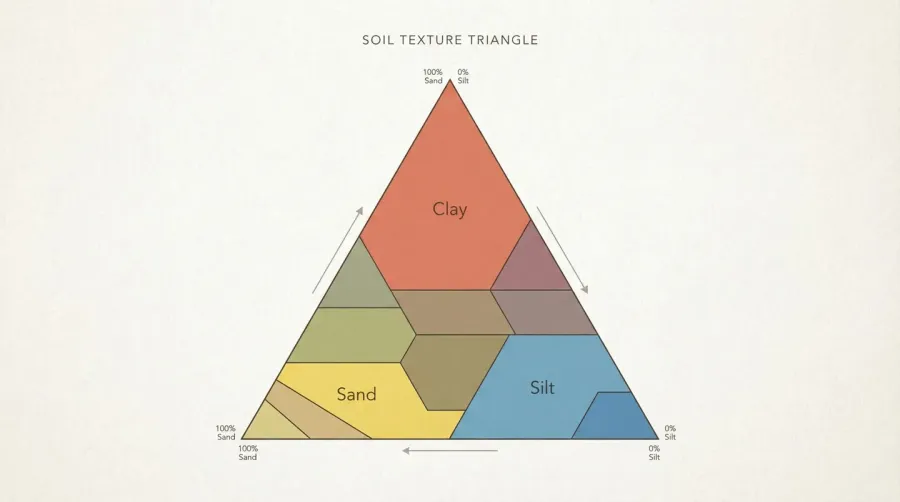
The United States Department of Agriculture (USDA) soil texture triangle helps classify soils based on these three components. Whether you’re choosing materials for a construction project or improving garden soil, knowing these differences will guide your decisions.
About Hello Gravel
Hello Gravel delivers bulk gravel, rock, dirt, and sand by the ton. Enter your ZIP code to see prices with delivery included. A local dump-truck driver places the load where access is safe; spreading is not included.
What is soil texture and why does it matter
Soil texture refers to the relative proportions of sand, silt, and clay particles in soil. This fundamental property determines how water moves through soil, how nutrients are stored, and how easy the soil is to work with.
The USDA soil texture triangle divides soils into 12 distinct classes based on particle percentages. For example, sandy loam contains 52-70% sand, 28-50% silt, and 7-20% clay. This classification system helps farmers, gardeners, and construction professionals predict soil behavior.
Texture affects three critical soil functions. First, it controls drainage rates and water retention. Second, it influences nutrient availability and storage capacity. Third, it determines soil workability and structural stability. Understanding different soil types for construction is essential for ensuring project success and longevity.
Sand properties and characteristics
Sand particles are the largest soil component, visible to the naked eye and gritty to touch. These particles form through weathering of rocks like quartz, feldspar, and granite over thousands of years.
Sandy soils drain quickly because large particles create big pore spaces between them. Water moves through sand rapidly, carrying nutrients away from plant roots. This makes sandy soil ideal for construction foundations but requires frequent watering and fertilizing for plants. The particle size plays a crucial role, with coarse sand soil offering different properties than fine sand soil for various applications.
Common sand types include river sand, beach sand, and manufactured sand. River sand typically contains rounded particles that compact well, while angular manufactured sand provides better binding properties for concrete and mortar applications. For specific projects, you might need beach sand or other specialized varieties depending on your requirements.
Pro Tip: Sandy soils warm up faster in spring, giving you an earlier planting season, but they also dry out quickly during summer heat waves.
Silt properties and characteristics
Silt particles feel smooth and powdery when dry, becoming slippery when wet. These medium-sized particles form through chemical weathering and glacial grinding, creating fertile soils in river valleys and floodplains.
Silty soils hold water better than sandy soils while still allowing reasonable drainage. This balance makes silt-rich soils excellent for agriculture, as they retain nutrients while providing adequate aeration for root growth. When comparing sand vs loam, you’ll find that loam’s silt content contributes significantly to its agricultural value.
Loess, wind-deposited silt, creates some of the world’s most productive farmland. The Great Plains and parts of China built their agricultural success on these naturally fertile silty soils that hold moisture and nutrients effectively.
Silt particles can cause problems in construction when they become unstable when wet. Unlike sand or clay, wet silt loses strength and can lead to foundation settling or slope failures.
Clay properties and unique behaviors
Clay particles are microscopic and create unique soil properties through their electrical charges. These tiny particles attract and hold nutrients, making clay soils naturally fertile but challenging to manage.
Clay soils expand when wet and shrink when dry, creating the classic cracking patterns you see in drought conditions. This movement can damage foundations, driveways, and plant roots if not properly managed.
The small particle size creates tiny pore spaces that hold water tightly. While this prevents drought stress for plants, it also means clay soils drain slowly and can become waterlogged during heavy rains.
Different clay types behave differently. Bentonite clay swells dramatically with water, while kaolinite clay remains more stable. Understanding your specific clay type helps predict soil behavior and management needs.
Practical applications for different soil textures
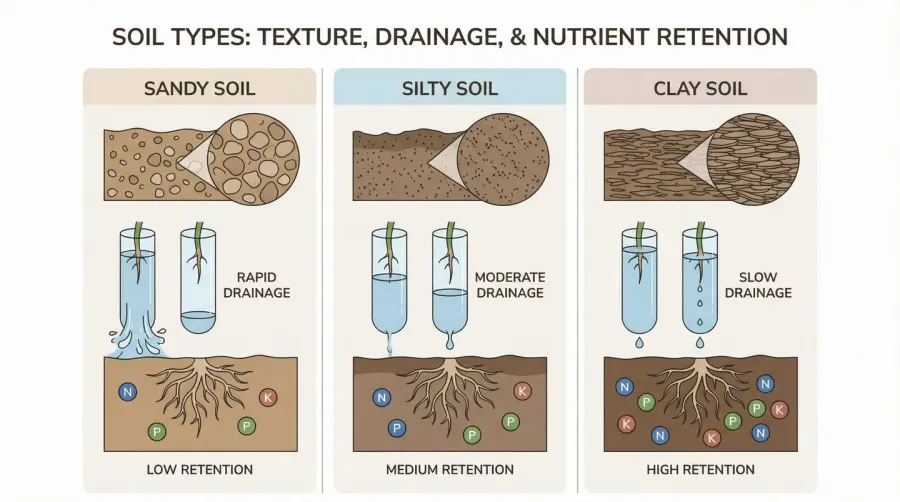
| Soil Type | Best Uses | Drainage Rate | Nutrient Retention |
|---|---|---|---|
| Sandy | Construction, drainage | Excellent | Poor |
| Silty | Agriculture, gardening | Good | Excellent |
| Clay | Pottery, liners | Poor | Excellent |
Sandy soils work best for construction projects requiring good drainage and stability. Concrete foundations, septic systems, and sports fields benefit from sand’s drainage properties and resistance to frost heaving. Learning about what types of sand are used in construction can help you select the right material for your specific project needs.
Silty soils excel in agricultural applications where you need both drainage and nutrient retention. Vegetable gardens, flower beds, and crop fields thrive in silt loam soils that balance water availability with nutrient storage. To understand the broader context, explore the differences between sand vs soil for gardening applications.
Garden Tip: Mix sand into clay soil gradually over several seasons rather than all at once, as too much sand can create concrete-like conditions that are worse than pure clay.
Clay soils serve specialized purposes despite their challenges. Their impermeability makes them valuable for pond liners, landfill barriers, and pottery. In gardens, clay soils support plants that prefer consistent moisture once you improve drainage with organic matter.
Understanding these soil textures helps you make informed decisions whether you’re planning a garden, choosing construction materials, or managing agricultural land. Each texture offers unique advantages when matched to appropriate applications, and knowing their properties ensures project success.
FAQ
What is the difference between sand, silt, and clay particles?
Sand particles are the largest (0.05-2.0mm), feel gritty, and provide excellent drainage but poor nutrient retention. Silt particles are medium-sized (0.002-0.05mm), feel smooth and powdery when dry, and offer good water and nutrient retention. Clay particles are the smallest (less than 0.002mm), feel sticky when wet, and provide excellent nutrient retention but poor drainage.
Which soil type is best for gardening and plant growth?
Loam soil, which contains a balanced mixture of sand, silt, and clay (typically 40% sand, 40% silt, and 20% clay), is ideal for most plants. It provides good drainage while retaining adequate moisture and nutrients. Pure sandy soil drains too quickly and requires frequent watering, while pure clay soil can become waterlogged and restrict root growth.
How can I test my soil texture at home?
You can perform a simple jar test by filling a clear jar 1/3 with soil, adding water to 2/3 full, shaking vigorously, and letting it settle for 24 hours. Sand will settle at the bottom first, silt in the middle layer, and clay on top. Measure each layer and calculate percentages to determine your soil texture using the USDA soil texture triangle.
Why shouldn’t I add sand to clay soil to improve drainage?
Adding sand directly to clay soil can create a concrete-like mixture that’s harder to work with than pure clay. Instead, improve clay soil drainage by adding organic matter like compost, aged manure, or leaf mold. These materials create better soil structure, improve drainage gradually, and add nutrients that benefit plant growth.
Materials for this project
Get it delivered — dumped where you need it
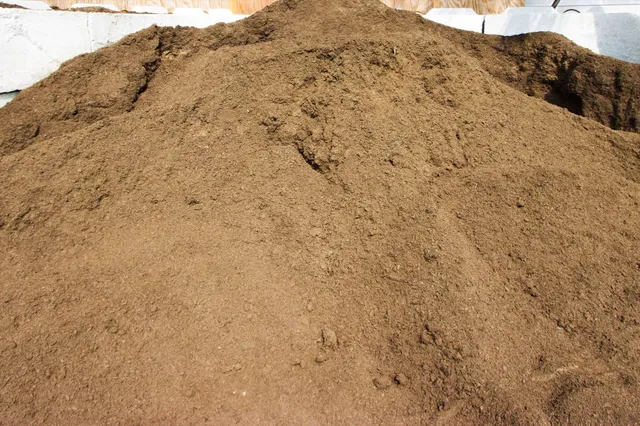
Topsoil
Lawn establishment & Garden beds
See delivered price
View product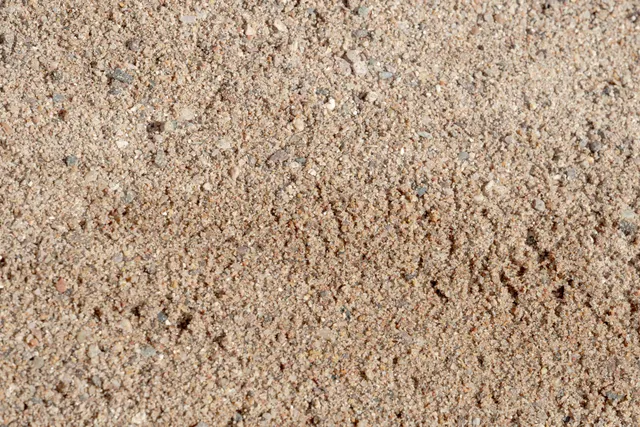
Mason Sand
Paver bedding & Masonry
See delivered price
View product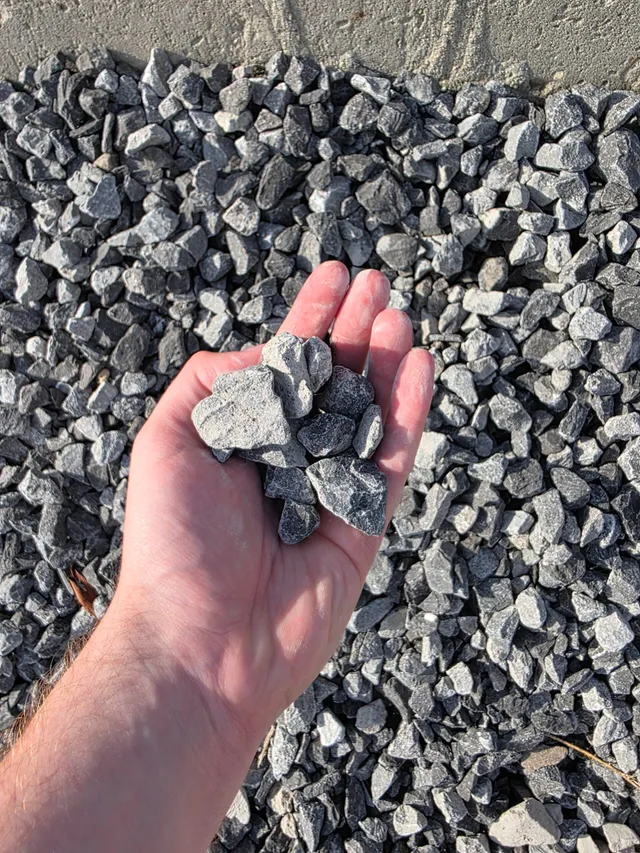
Driveway Gravel
Driveways & Parking areas
See delivered price
View product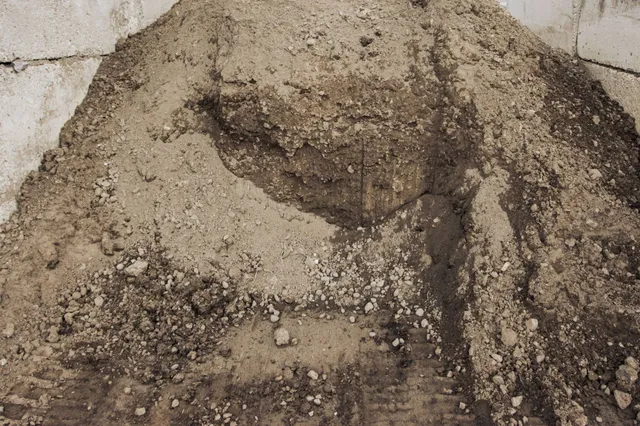
Fill Dirt
Grading & Backfill
See delivered price
View product
#57 Crushed Stone
Driveways & Drainage
See delivered price
View product