
How Much Limestone Do I Need for a Driveway
Free local estimate
See delivered prices for your ZIP in 60 seconds
Tell us where the project is and we'll price this material — delivered — for your exact ZIP.
- Real delivered pricing for your ZIP — not a generic range.
- Works for any quantity — driveways, pads, drains, or full projects.
- Prefer to talk? We follow up with local availability and delivery windows.
Planning a limestone driveway but unsure about quantities? You’ll need approximately 1.5 to 2 tons of limestone per 100 square feet for a standard 4-6 inch depth. This translates to roughly 15-20 tons for an average 1,000 square foot residential driveway.
Limestone stands out as one of the most practical choices for driveway construction. Its natural durability, cost-effectiveness, and timeless appeal make it a favorite among homeowners looking to enhance their property’s curb appeal without breaking the bank.
Quick Fact: A typical two-car driveway requires between 12-18 tons of crushed limestone, depending on the depth and soil conditions.
About Hello Gravel
Hello Gravel delivers bulk gravel, rock, dirt, and sand by the ton. Enter your ZIP code to see prices with delivery included. A local dump-truck driver places the load where access is safe; spreading is not included.
Calculating your limestone requirements
Getting your limestone quantity right saves money and prevents project delays. The calculation process involves three key measurements that work together to determine your total material needs.
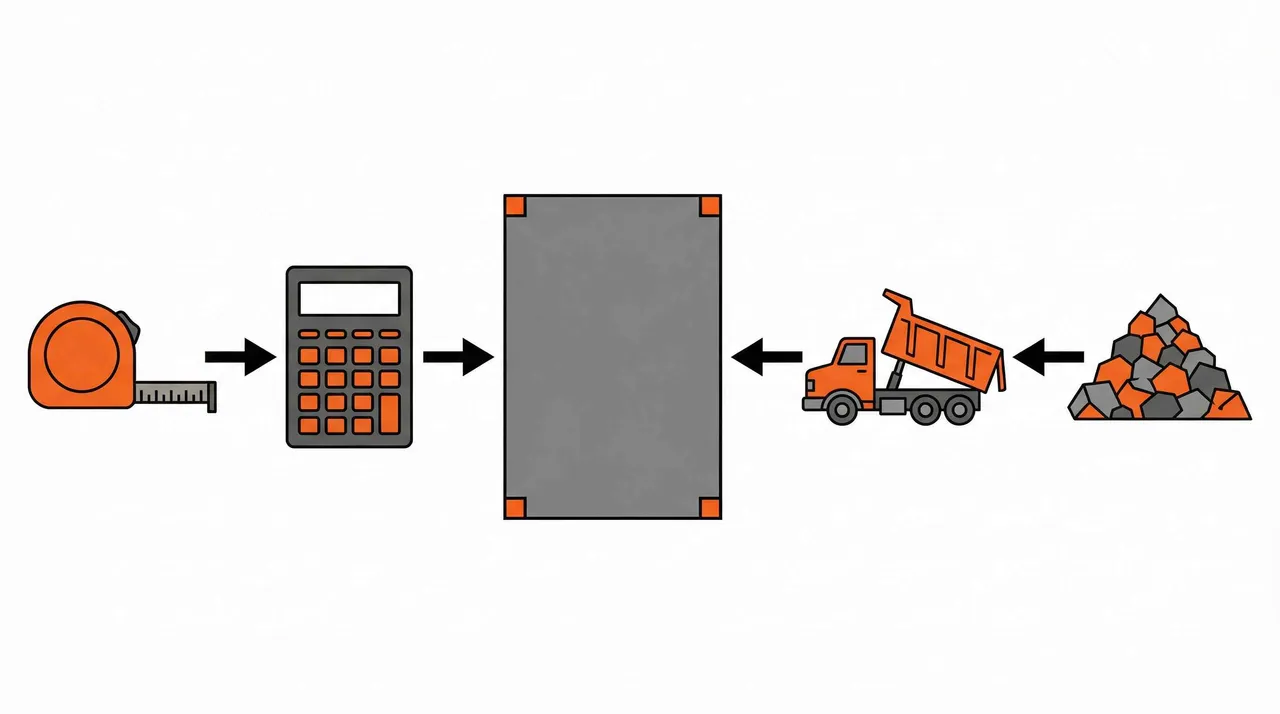
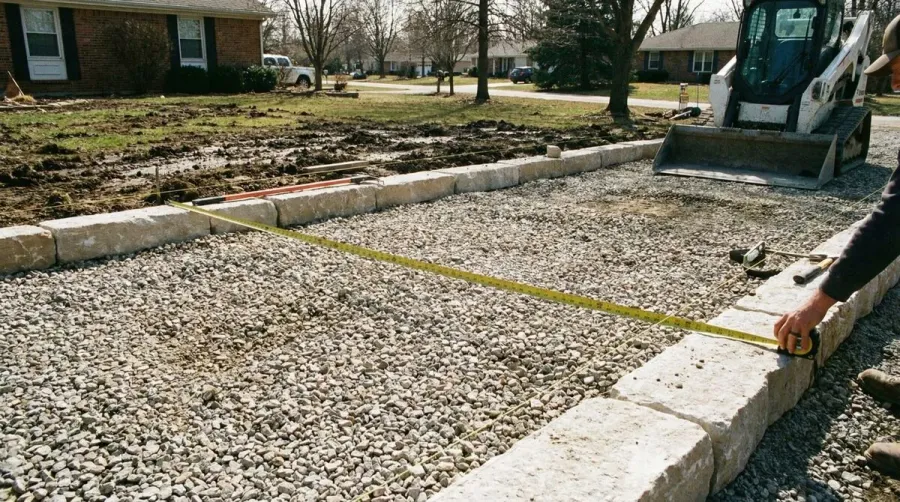
Start by measuring your driveway’s length and width using a measuring tape. Multiply these numbers to get your total square footage. For curved or irregularly shaped driveways, break the area into smaller rectangular sections and add them together.
Next, determine the appropriate depth based on your specific needs. Residential driveways typically require 4-6 inches of limestone depth. However, if you expect heavy vehicle traffic like RVs or delivery trucks, consider increasing the depth to 6-8 inches for better stability.
The final calculation is straightforward: multiply your square footage by the depth in feet, then multiply by 1.3 to convert to tons. For example, a 20-foot by 50-foot driveway (1,000 sq ft) at 6 inches deep would need approximately 17 tons of limestone. If you’re working with different types of driveway gravel, similar calculation methods apply.
Types of limestone for driveways
Different limestone varieties serve specific purposes and aesthetic preferences. Understanding these options helps you choose the right material for your project and budget.Crushed limestone remains the most popular choice for residential driveways. These angular pieces compact tightly, creating a stable surface that handles regular vehicle traffic effectively. The sharp edges lock together, providing excellent stability and drainage. When considering the best size limestone for driveway applications, crushed varieties typically range from 3/4 inch to 1.5 inches.
Limestone gravel offers a more decorative appearance with its rounded stones and varied textures. While slightly more expensive than crushed varieties, it creates an attractive rustic look that complements traditional and contemporary home styles.
For upscale projects, consider limestone pavers or flagstone. These precisely cut pieces provide a refined, uniform appearance but require professional installation and come with higher material costs.
Factors affecting limestone quantity
Several variables influence how much limestone your project actually requires. Understanding these factors helps you order the right amount and avoid costly shortages or excess material.
Your driveway’s size and shape directly impact material needs. Longer driveways naturally require more limestone, while curved or angled designs may need additional material to account for cutting waste and irregular edges.
Climate conditions in your area also play a crucial role. Regions with frequent freeze-thaw cycles or heavy rainfall benefit from deeper limestone bases to improve stability and drainage. Areas with poor soil conditions may require additional depth to prevent settling and cracking. In such cases, using the best base rock for driveway construction becomes essential.
Traffic expectations matter significantly. Standard passenger vehicles require less support than heavy trucks or RVs. If you anticipate regular heavy vehicle use, increase your limestone depth by 1-2 inches and order accordingly.
Pro Tip: Order 10-15% extra limestone beyond your calculated needs to account for compaction, settling, and future maintenance requirements.
Installation and maintenance considerations
Proper installation ensures your limestone driveway performs well for decades. The process involves several critical steps that affect both material quantity and long-term durability.
Site preparation requires clearing vegetation and debris, then compacting the existing soil to create a stable foundation. Many contractors recommend adding a geotextile fabric layer to prevent weed growth and improve the limestone’s performance over time. Understanding the best driveway base material options can help you make informed decisions about your foundation layers.
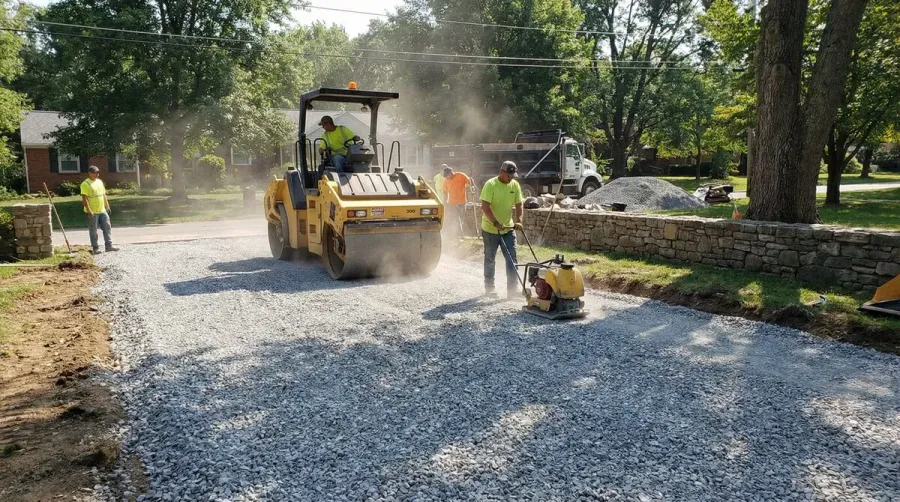
During installation, limestone gets spread in layers and compacted using specialized equipment. This compaction process can reduce the material volume by 15-20%, which is why ordering slightly more than your calculated needs proves essential.
Regular maintenance keeps your limestone driveway looking great and functioning properly. Simple tasks like sweeping debris, filling small gaps, and applying fresh limestone annually help maintain the surface’s integrity and appearance. For comprehensive maintenance strategies, explore how to restore a gravel driveway techniques that apply to limestone surfaces as well.
Your limestone driveway represents a smart investment in your property’s functionality and value. By calculating your needs accurately and choosing quality materials, you’ll enjoy a durable, attractive surface that serves your family well for years to come. Remember that proper planning and professional guidance can make the difference between a good driveway and a great one that enhances your home’s overall appeal.
FAQ
How do I calculate how much limestone I need for my driveway?
Measure your driveway’s length and width in feet, then multiply by the depth in feet (convert inches to feet by dividing by 12). For example, a 20ft × 50ft driveway at 6 inches deep: 20 × 50 × 0.5 = 500 cubic feet. Divide by 27 to get cubic yards (18.5 cu yd), then multiply by 1.35 to convert to tons (approximately 25 tons). Always add 10-15% extra for compaction and waste.
How deep should limestone be for a residential driveway?
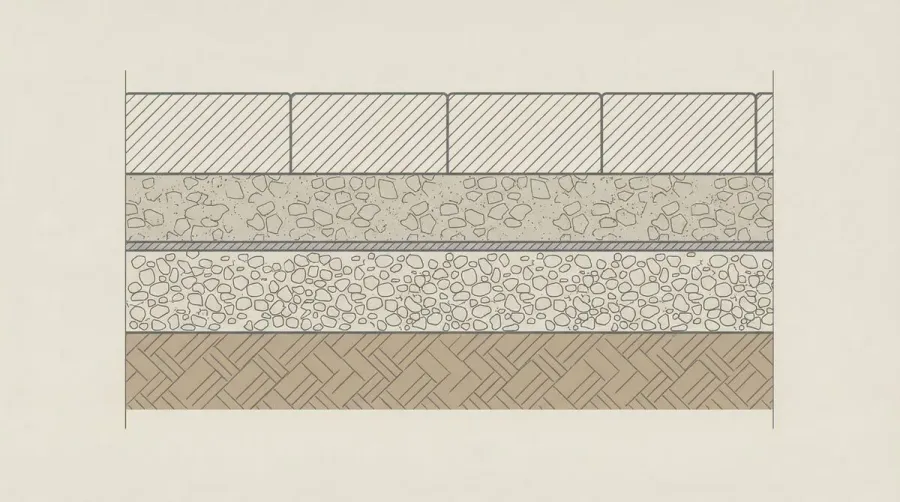
For residential driveways, use 4-6 inches of limestone depth for standard passenger vehicles. If you expect heavy vehicle traffic like RVs or delivery trucks, increase the depth to 6-8 inches. For optimal durability, consider a layered approach with a total depth of 12-18 inches: 4-6 inches sub-base, 4-6 inches base layer, and 4 inches top surface layer.
What’s the difference between crushed limestone and limestone gravel for driveways?
Crushed limestone has angular, sharp edges that lock together tightly when compacted, creating a more stable surface ideal for vehicle traffic. It typically ranges from 3/4 inch to 1.5 inches in size. Limestone gravel features rounded stones with a more decorative appearance but doesn’t compact as tightly. While limestone gravel costs slightly more, it offers better aesthetics for decorative driveways with lighter traffic.
How much does limestone cost per ton for a driveway?
Limestone typically costs between $20-50 per ton, depending on your location, quality, and supplier. Crushed limestone is generally less expensive than decorative limestone gravel. For a typical 1,000 square foot driveway requiring 15-20 tons, expect total material costs of $300-1,000, plus delivery fees. Contact local suppliers for current pricing and bulk discounts, as costs can vary significantly by region.
Materials for this project
Get it delivered — dumped where you need it
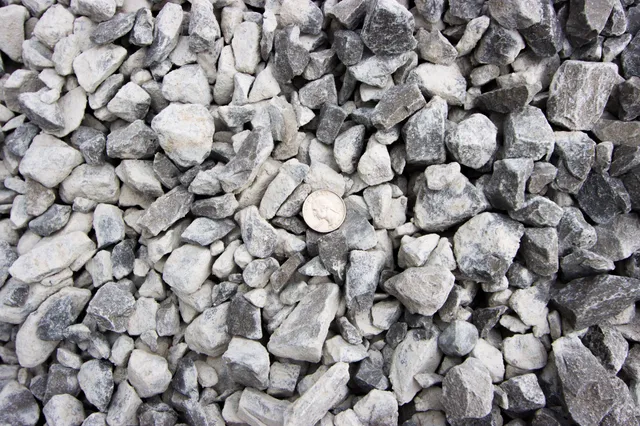
#610 Limestone
Driveway base & Road base
See delivered price
View product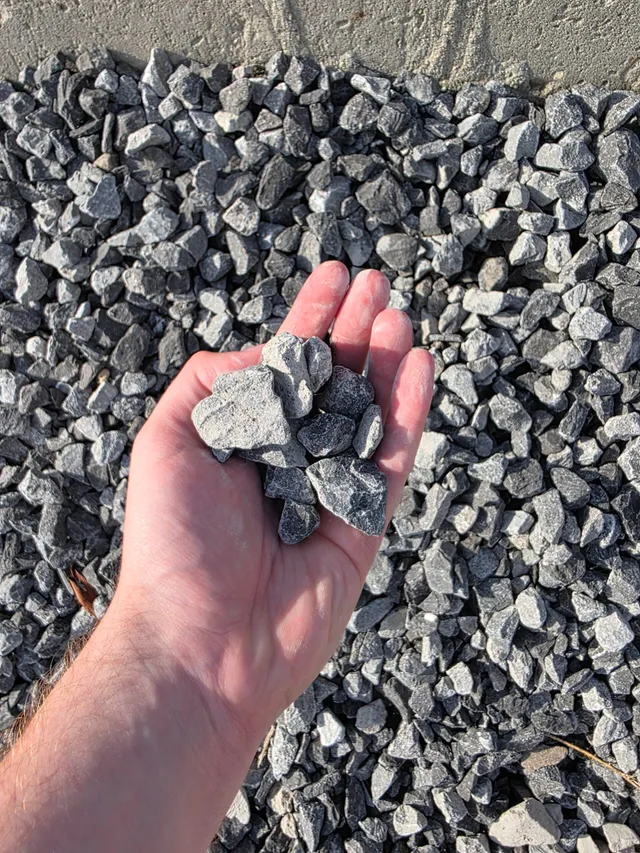
Driveway Gravel
Driveways & Parking areas
See delivered price
View product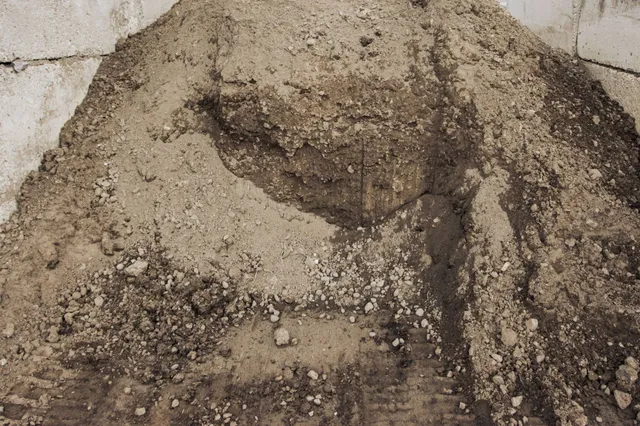
Fill Dirt
Grading & Backfill
See delivered price
View product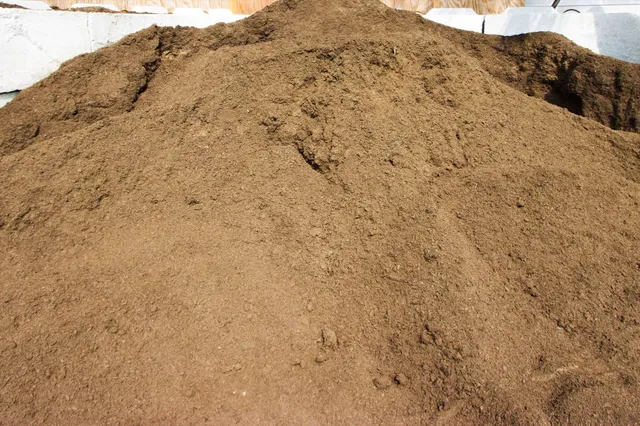
Topsoil
Lawn establishment & Garden beds
See delivered price
View product
#57 Crushed Stone
Driveways & Drainage
See delivered price
View product