
How Much Does a Yard of Sand Weigh in 2026
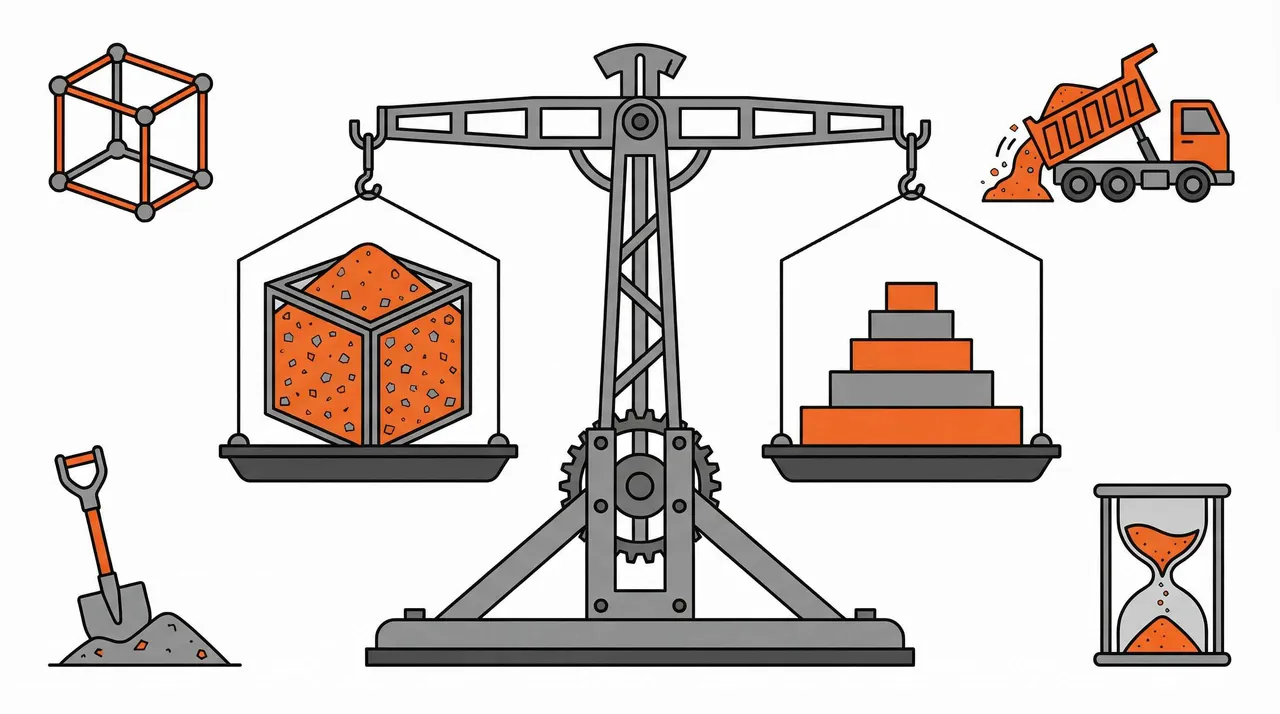
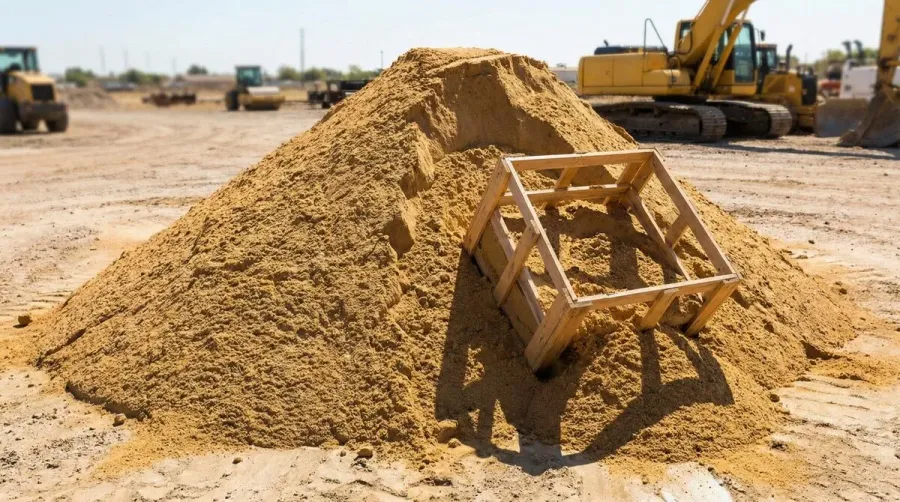
Planning a construction or landscaping project and wondering about sand weight? A cubic yard of dry sand typically weighs between 2,600 to 3,000 pounds, while wet sand can weigh up to 3,400 pounds or more. Understanding these weight variations is crucial for proper project planning, transportation, and equipment selection.
Quick Answer: Most dry sand weighs approximately 2,700 pounds per cubic yard, but this can vary significantly based on sand type, moisture content, and compaction level.
The weight of sand directly impacts your project costs, delivery requirements, and safety considerations. Whether you’re filling a sandbox, creating a concrete base, or working on a major construction project, knowing the exact weight helps you avoid costly mistakes and ensures safe handling practices.
About Hello Gravel
Hello Gravel delivers bulk gravel, rock, dirt, and sand by the ton. Enter your ZIP code to see prices with delivery included. A local dump-truck driver places the load where access is safe; spreading is not included.
Understanding sand measurements and weight factors
A cubic yard represents 27 cubic feet of material, measuring 3 feet in length, width, and height. However, sand weight varies dramatically based on several key factors that you need to consider for accurate calculations.
Sand type plays the most significant role in determining weight. Silica sand weighs around 2,800 to 3,000 pounds per cubic yard, while play sand typically weighs 2,500 to 2,700 pounds. Masonry sand falls somewhere in between at 2,600 to 2,800 pounds per cubic yard.
Moisture content dramatically affects sand weight. Wet sand weighs 10-20% more than dry sand because water fills the air spaces between particles. This means wet sand can easily exceed 3,300 pounds per cubic yard, making transportation and handling much more challenging.
Compaction also influences weight significantly. Loose sand weighs less than compacted sand because compaction reduces air spaces and increases density. Professional contractors often account for this when ordering materials for projects requiring specific compaction levels.

Calculating sand weight for your project
Calculating sand weight involves a straightforward formula, but accuracy depends on knowing the correct density values for your specific sand type and conditions.
The basic calculation uses this formula: Weight = Volume × Density. For a cubic yard of sand, multiply 27 cubic feet by the sand’s density in pounds per cubic foot. Most construction sand has a density of approximately 100 pounds per cubic foot.
Here’s a practical example: If you need 2 cubic yards of concrete sand with a density of 107 pounds per cubic foot, your calculation would be 54 cubic feet × 107 pounds = 5,778 pounds total. This equals nearly 3 tons of material.
Pro Tip: Always add 5-10% extra to your calculations to account for settling, waste, and measurement variations during delivery and installation.
For irregular areas, break your project into smaller rectangular sections and calculate each separately. Measure length, width, and depth in feet, then convert to cubic yards by dividing by 27. This method ensures more accurate material estimates for complex landscaping or construction projects.
| Sand Type | Dry Weight (lbs/yd³) | Wet Weight (lbs/yd³) | Common Uses |
|---|---|---|---|
| Play Sand | 2,500-2,700 | 2,750-3,000 | Sandboxes, recreation |
| Concrete Sand | 2,700-2,900 | 3,000-3,200 | Construction, mixing |
| Masonry Sand | 2,600-2,800 | 2,900-3,100 | Mortar, bricklaying |
| Silica Sand | 2,800-3,000 | 3,100-3,300 | Industrial, filtration |
Practical applications and project planning
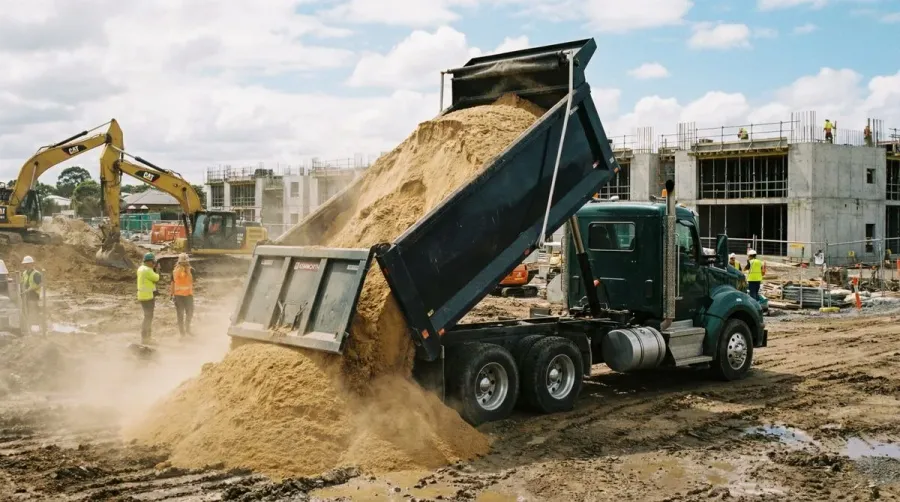
Understanding sand weight becomes critical when planning transportation and equipment needs for your project. Most pickup trucks can safely carry only half a cubic yard of sand due to weight limitations, while dump trucks typically handle 10-15 cubic yards depending on their capacity.
For landscaping projects, knowing sand weight helps determine proper base preparation for patios, walkways, and retaining walls. A 4-inch sand base for a 10×12 foot patio requires approximately 1.5 cubic yards, weighing around 4,000 pounds when dry.
Construction applications require precise weight calculations for structural integrity. Concrete mixing ratios depend on accurate sand measurements, and foundation work requires specific compaction levels that affect final weight and stability.
DIY projects benefit from weight knowledge when renting equipment or planning delivery schedules. A cubic yard of sand requires a wheelbarrow with at least 6-cubic-foot capacity for efficient transport, and you’ll need approximately 4-5 wheelbarrow loads to move one cubic yard.
Safety considerations and handling guidelines
Sand weight presents significant safety challenges that require proper planning and equipment. A single cubic yard of wet sand can weigh over 1.5 tons, making manual handling dangerous without proper techniques and equipment.
Safety Alert: Never attempt to lift more than 50 pounds manually. Use mechanical aids like wheelbarrows, conveyor belts, or small loaders for moving large quantities of sand safely.
Vehicle capacity becomes crucial when transporting sand. Check your vehicle’s payload rating before loading, and remember that wet sand significantly increases weight. Overloading can damage your vehicle, create safety hazards, and potentially violate local transportation regulations.
Storage considerations include keeping sand dry to maintain consistent weight and prevent moisture-related complications. Cover stored sand with tarps and ensure proper drainage around storage areas. Wet sand not only weighs more but can also freeze in cold weather, creating additional handling challenges.
Proper lifting techniques include bending at the knees, keeping your back straight, and using your leg muscles for power. Wear appropriate safety gear including gloves, steel-toed boots, and eye protection when handling sand to prevent injuries from dust and debris.
Understanding sand weight empowers you to make informed decisions for any project involving this versatile material. From small DIY tasks to major construction projects, accurate weight calculations ensure proper planning, safe handling, and successful project completion. Whether you’re ordering bulk sand for large-scale work or arranging sand delivery for a home project, remember to account for moisture content, sand type, and compaction when making your calculations, and always prioritize safety when handling heavy materials.
FAQ
How much does a yard of sand weigh?
A cubic yard of dry sand typically weighs between 2,600 to 3,000 pounds (1.3 to 1.5 tons), with most construction sand averaging around 2,700 pounds per cubic yard. Wet sand weighs significantly more, ranging from 3,000 to 3,400 pounds per cubic yard due to the added water weight filling the air spaces between particles.
Is wet sand heavier than dry sand?
Yes, wet sand is 10-20% heavier than dry sand because water fills the air spaces between sand particles. While dry sand weighs approximately 2,700 pounds per cubic yard, wet sand can easily exceed 3,300 pounds per cubic yard, making transportation and handling much more challenging.
How do you calculate sand weight for a project?
To calculate sand weight, use the formula: Weight = Volume × Density. For cubic yards, multiply your volume by 2,700 pounds (average dry sand weight per cubic yard). For example, 2 cubic yards of sand would weigh approximately 5,400 pounds. Always add 5-10% extra to account for settling and waste during delivery and installation.
What factors affect sand weight per cubic yard?
Sand weight varies based on three main factors: sand type (silica sand weighs 2,800-3,000 lbs/yd³, play sand weighs 2,500-2,700 lbs/yd³), moisture content (wet sand weighs 10-20% more than dry), and compaction level (compacted sand weighs more than loose sand due to reduced air spaces). These factors can cause weight variations of several hundred pounds per cubic yard.
Materials for this project
Get it delivered — dumped where you need it
Mason Sand
Paver bedding & Masonry
See delivered price
View product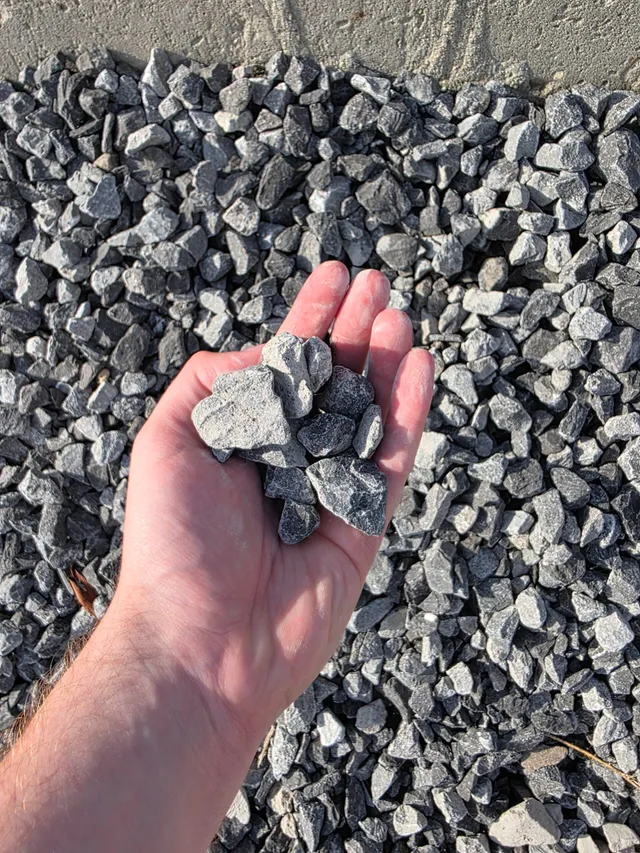
Driveway Gravel
Driveways & Parking areas
See delivered price
View product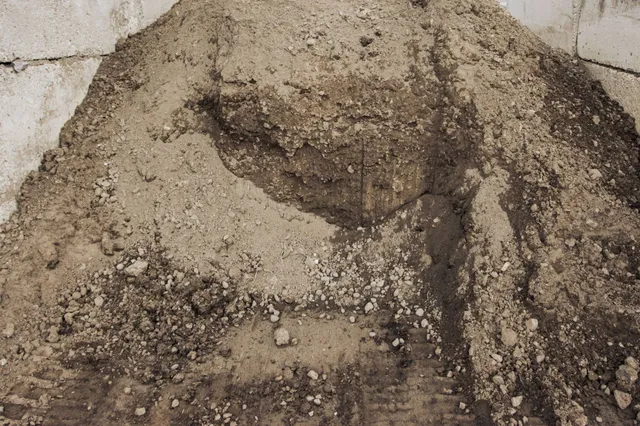
Fill Dirt
Grading & Backfill
See delivered price
View product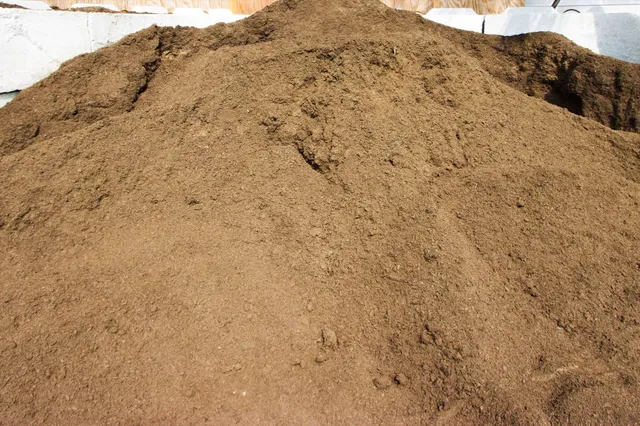
Topsoil
Lawn establishment & Garden beds
See delivered price
View product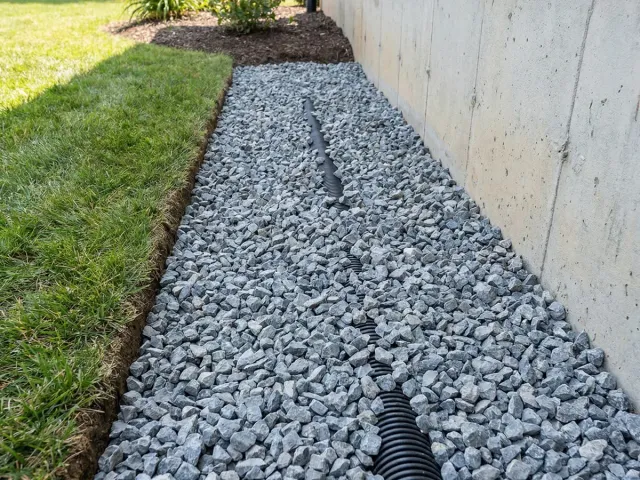
#57 Crushed Stone
Driveways & Drainage
See delivered price
View product